

Benefits of Risk Management for Nigerian Businesses
Discover how effective risk management in Nigeria helps protect businesses from threats, enhances decision-making, controls costs, and supports growth 📊🔒
Edited By
Emily Harrison
Effective credit risk management is essential for Nigerian businesses and financial institutions aiming to thrive in a challenging economic environment. With frequent fluctuations in naira value, power supply issues increasing operational costs, and regulatory pressures from agencies like the Central Bank of Nigeria (CBN), managing credit risk has become more than just a compliance exercise — it directly impacts profitability and sustainability.
Credit risk occurs when borrowers fail to meet their financial obligations, causing potential losses for lenders or traders extending credit. In Nigeria, this risk is amplified by factors such as inflation volatility, high interest rates, and informal sector dominance, making straightforward risk assessment more complicated than in more stable economies.
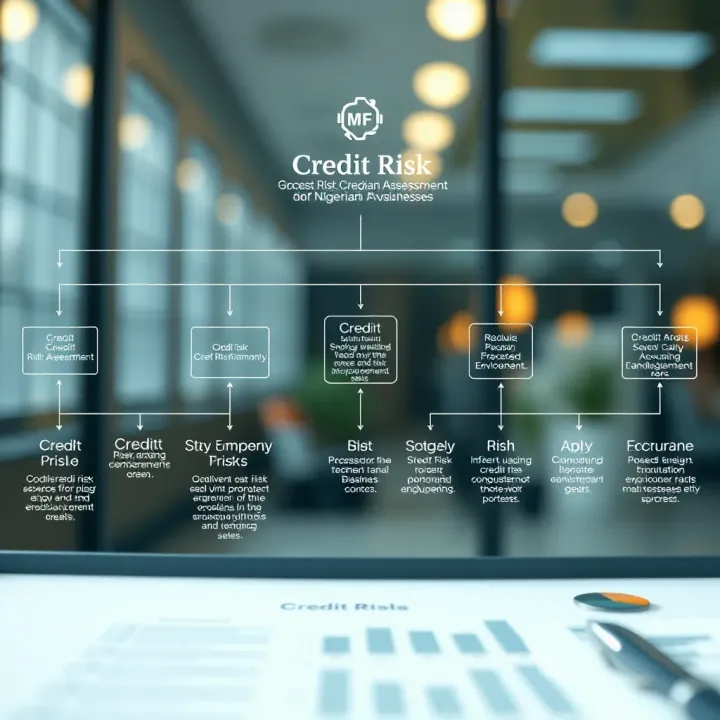
Nigerian firms that implement strict credit risk management frameworks experience fewer loan defaults and improve their cash flow, which is critical given the unstable business climate.
Some practical approaches tailored for Nigeria's context include:
Thorough customer credit profiling: Using Bank Verification Number (BVN) checks and credit bureau reports to evaluate borrower history.
Dynamic monitoring: Regularly reviewing payment behaviours, especially during economic downturns or ember months when cash pressures peak.
Use of technology: Deploying fintech solutions like Paystack or Flutterwave to track credit and payments more transparently.
Clear credit policies: Setting enforceable terms, including collateral requirements and penalties to discourage defaults.
Regulatory alignment: Keeping up-to-date with CBN guidelines, such as the credit risk classification framework, to avoid penalties and secure institutional trust.
These strategies help businesses not only to identify potential risks early but also to control exposure effectively. For traders and investors, understanding these practices is vital for analysing creditworthiness and making informed decisions in Nigeria's credit market.
By applying these targeted methods, Nigerian businesses can weather economic challenges, build stronger customer relationships, and improve overall financial health.
Understanding credit risk is fundamental for Nigerian businesses and financial institutions because it directly influences profitability and operational stability. Credit risk—the chance that borrowers will fail to repay loans—doesn’t just threaten lenders; it can destabilise entire business ecosystems. From banks to small enterprises extending trade credit, identifying and managing this risk helps avoid costly defaults that can drain liquidity or derail growth plans.
Credit risk arises mainly in two forms: default risk and concentration risk. Default risk is the possibility that a borrower won’t meet repayment obligations, while concentration risk emerges when too much exposure centres on one borrower or sector. For instance, a bank heavily lending to an oil company during a crude price decline faces concentrated losses. Nigerian lenders often grapple with both types, especially because economic volatility and sectoral shocks are common.
Common borrower risk factors in Nigeria include unstable income sources, insufficient financial disclosure, and macroeconomic challenges like currency devaluation. Many SMEs rely on informal sources of income or operate without proper accounting, making risk assessment difficult. Additionally, borrowers may be affected by power outages or fuel scarcity, which disrupt business cash flow and heighten risk of default.
Poor management of credit risk leads first to financial losses and tight liquidity. When defaults pile up, businesses have cash tied in non-performing loans instead of productive use. For example, a commercial bank in Lagos struggling with ₦10 billion in bad loans will find it harder to meet withdrawal demands or extend fresh credit, impacting its overall stability.
Beyond financial strain, poor credit risk practices harm lender reputation and threaten business sustainability. Customers and partners lose trust when lenders appear reckless or fail to enforce credit discipline. In Nigeria’s competitive banking sector, reputation damage can lead to deposit withdrawals and loss of investor confidence. Moreover, businesses burdened by unpaid receivables might cut back on operations or workforce, slowing economic growth.
Effective credit risk management safeguards liquidity and preserves trust, both vital for Nigerian business survival.
By mastering these principles, traders, analysts, and financial professionals can better navigate Nigeria’s complex credit environment, protecting investments and supporting sustainable growth.
Managing credit risk effectively ensures that Nigerian businesses and financial institutions make sound lending decisions while safeguarding their capital. This involves clear principles and structured frameworks to identify, measure, and control credit exposures. Without a grounded approach, companies risk incurring heavy losses and liquidity problems, especially in Nigeria’s volatile economic environment.
Credit scoring models and borrower evaluation help lenders quantify risk before extending credit. In Nigeria, these models consider factors like repayment history, income stability, and business viability. For instance, banks often score borrowers based on past loan repayment records combined with current financial statements to estimate their creditworthiness. Using local market data, lenders can tailor their scoring systems to the unique risk profiles common across industries like trading or agriculture.
Role of credit bureaus and financial history is key in deepening borrower assessment. The credit bureaus in Nigeria, such as CRC Credit Bureau, collate detailed records of individuals' and businesses' past credit behaviour. Accessing these reports provides additional insights beyond the borrower’s statements, revealing any outstanding debts, defaults, or court judgments. This background information allows businesses to avoid clients with hidden risks.
Probability of default (PD) and loss given default (LGD) are core to measuring credit risk. PD estimates the likelihood a borrower will fail to meet their obligations within a set period, usually one year. LGD expresses the portion of the loan likely lost after accounting for recoveries like collateral. For example, a ₦10 million loan with a 5% PD and 40% LGD suggests the lender expects to lose about ₦200,000 from default. Pinpointing these metrics helps set aside adequate provisions and price the loan accordingly.
Exposure at default (EAD) and expected credit loss (ECL) calculations take risk quantification further. EAD estimates the total amount exposed when a borrower defaults, including outstanding loans and undrawn facilities. ECL combines PD, LGD, and EAD to represent the average monetary loss expected. Nigerian lenders must integrate these calculations in their risk frameworks, considering factors like fluctuating naira value and economic sector risks.

Setting appropriate credit limits for clients protects businesses from overexposure. Credit limits should reflect the borrower’s repayment capacity and past behaviour. For example, a trading company with erratic income might be granted a lower limit compared to a manufacturing firm with solid cash flow. Establishing these limits involves balancing growth ambitions with cautious risk management.
Defining acceptable risk tolerance levels outlines how much risk a business is willing to carry. Risk tolerance varies depending on the size and nature of the company. A bank might tolerate higher risk for premium customers with collateral, while a smaller enterprise could adopt stricter risk limits to stay afloat. Clearly stated tolerance guides consistent lending practices and quick decision-making.
Key frameworks for credit risk management build confidence among lenders and investors by ensuring risks are identified early, measured accurately, and managed within agreed boundaries, which is vital for Nigerian businesses competing in an uncertain economy.
Managing credit risk is a hands-on affair for Nigerian businesses. It goes beyond policies, demanding practical steps to spot, weigh, and control potential losses from customers who may not settle their debts. These strategies ensure businesses guard their cash flow and avoid nasty surprises that could hurt operations.
Verifying financial statements and credit references is a starting point every lender or business must prioritise. Authentic financial statements offer a snapshot of the borrower's true financial health. Nigerian companies often encounter cases where documents are doctored to secure loans, so cross-checking with bank statements, tax returns, and credit bureau reports safeguards against such fraud. For example, confirming payment history through Nigeria Inter-Bank Settlement System (NIBSS) or consulting credit bureau databases provides concrete evidence of creditworthiness.
Assessing business environment and market risks is equally vital. Beyond the borrower's books, the stability of the market they operate in affects their ability to repay. Consider a supplier dealing in agricultural produce—seasonal changes, weather conditions, or government import policies can impact their cash flow. Nigerian businesses, therefore, should analyse sector-specific risks and macroeconomic indicators like inflation trends or foreign exchange volatilities before extending credit.
Types of collateral acceptable in Nigeria vary but usually include landed property, machinery, shares, and vehicles. More informal but widely accepted collateral types include registered motorbikes like okadas or commercial vehicles (danfos), especially for SMEs. The key is that the collateral must have verifiable ownership and market value. For instance, a Lagos-based trader might offer a suite of tokunbo electronics as collateral, provided these assets are properly documented.
Legal considerations in collateral enforcement cannot be overlooked. Nigerian courts are known for delays, so businesses must engage legal experts to ensure clear clauses on collateral recovery and default proceedings are well documented. Registration of charges at the Corporate Affairs Commission (CAC) or other relevant authorities helps in legal enforcement. Without proper legal backing, collateral might be difficult to claim, leading to losses.
Tracking borrower performance and payment patterns is essential to detect early signs of trouble. Regular reviews of debtor accounts, looking out for late payments or erratic settlement behaviours, allow lenders to act swiftly. For example, a company noticing repeat missed payments from a distributor in the northern region can escalate collection efforts or renegotiate terms before the debt snowballs.
Using technology platforms for proactive risk alerts adds efficiency to credit risk management. Digital tools linked to payment systems can send instant alerts when payments are overdue or suspicious activities occur. Platforms like Paystack, Flutterwave, or custom banking apps can integrate these alerts to help businesses stay ahead. Early warnings reduce the guesswork and enable timely interventions, especially useful in Nigeria's dynamic business environment.
Practical strategies like these form the backbone of effective credit risk management. Nigerian businesses harnessing due diligence, collateral safeguards, and timely monitoring increase their chances of minimising losses and sustaining growth.
Managing credit risk effectively in Nigeria starts with understanding the country’s regulatory environment. The guidelines and rules set by authorities like the Central Bank of Nigeria (CBN) shape how businesses assess, control, and report credit risks. Compliance isn't just a legal requirement; it helps companies avoid penalties, maintain trust with investors and customers, and strengthen financial resilience amid Nigeria’s economic variability.
The CBN issues directives that give clear instructions on how banks and financial institutions should manage credit risk. For instance, these guidelines outline detailed credit appraisal processes, risk classification, provisioning for bad debts, and recovery procedures. These directives ensure institutions do thorough checks before granting loans — such as verifying borrower creditworthiness — helping to reduce default rates common in sectors affected by currency fluctuations or unreliable business records.
Additionally, CBN’s rules promote transparency and accountability in lending, which benefits the entire economy. Nigerian banks following these guidelines tend to maintain healthier loan portfolios, which prevents systemic risks from spreading across the financial system.
CBN also enforces capital adequacy requirements to make sure banks keep enough capital reserves relative to their risk exposure. This means a bank with high-risk loans must hold a larger capital buffer to absorb potential losses without collapsing. For example, a bank heavily lending to volatile sectors like oil or small-scale farmers facing seasonal challenges needs to maintain this buffer. This practice limits the chance of financial distress and boosts overall confidence in Nigerian banks among both local and foreign investors.
The capital buffers act as a safety net, reducing the possibility that an economic shock will force banks to restrict lending or fail. So, beyond regulatory compliance, maintaining adequate capital helps sustain credit flow to businesses even when the economy wobbles.
The Federal Inland Revenue Service (FIRS) monitors tax obligations tied to lending activities. For lenders, understanding tax implications like withholding taxes on interest payments or stamp duties on credit documents is essential. Ignoring these tax requirements can lead to fines, legal troubles, or delayed loan recovery. For example, a company must account for VAT on consultancy fees when assessing borrower costs. Proper tax compliance ensures smooth financial operations and avoids unexpected cash flow disruptions.
Consumer protection laws also shape credit decision-making. The Consumer Protection Council (CPC) guidelines require lenders to be transparent about loan terms, avoiding unfair interest rates or hidden charges. Nigerian businesses must provide clear communication about repayment schedules, penalties, and borrower rights. This safeguards customers from exploitative practices and builds trust in financial services.
Considering these protections, lenders should adapt their credit policies to align with fair treatment standards, ensuring ethical lending while reducing reputational risks. Failure to comply not only invites penalties but can also erode customer loyalty, crucial in tight markets where borrower options are increasing.
Regulatory compliance in credit risk management is not merely bureaucratic red tape; it is foundational to fostering a trustworthy, stable financial environment that helps Nigerian businesses thrive despite local economic challenges.
In today's Nigerian business environment, technology plays a central role in improving credit risk management. Using innovative tools helps lenders and companies assess risks more accurately, speed up decision-making, and reduce losses from defaults. Technology adapts well to Nigeria’s unique market conditions, including a largely informal sector and evolving regulatory landscape.
Mobile lending platforms have surged in Nigeria, driven by widespread smartphone use and limited access to traditional banking. These platforms use alternative credit scoring methods, leveraging data beyond conventional financial statements. For instance, they analyse mobile money transactions, airtime purchases, or even social media behaviour to gauge a borrower's creditworthiness. This approach opens credit access to many Nigerians excluded from formal banking, while still managing risk effectively.
Integration with Bank Verification Number (BVN) and National Identification Number (NIN) databases streamlines borrower verification. BVN helps confirm a customer’s banking identity, reducing cases of fraud or double borrowing. NIN provides a governmental identification layer that further authenticates applicants. Together, these databases reduce the chances of lending to ghost borrowers or identity thieves, strengthening the overall credit evaluation process.
Predictive analytics uses historical data and complex algorithms to forecast which borrowers might default. Nigerian lenders can use this to allocate credit more wisely and tighten requirements where necessary. For example, by analysing repayment patterns across industries or regions, banks can predict how economic changes might impact borrower behaviour and adjust lending terms proactively.
Automated risk alerts and portfolio management platforms monitor loan books in real-time. When early signs of trouble emerge, such as delayed payments or unusual transaction patterns, the system flags these for immediate attention. This allows credit officers to intervene promptly, reducing losses. Automated dashboards also help manage diverse portfolios and facilitate compliance with regulatory limits, saving time and improving accuracy.
Embracing fintech tools and AI-driven analytics equips Nigerian businesses to face credit risk challenges head-on, ultimately improving liquidity and financial stability.
These technologies are not just modern conveniences; they are vital for staying competitive and resilient in Nigeria’s dynamic credit markets.
Understanding the challenges and future trends in credit risk management is vital for Nigerian lenders and businesses striving to maintain financial resilience and improve lending accuracy. The evolving Nigerian economy presents specific obstacles, notably in informal sector lending and currency fluctuations, while advancing technologies open new opportunities for better risk assessment and control.
Lending to Nigeria's informal sector remains a major challenge due to the absence of formal credit histories and reliable financial records. Many small businesses, like roadside suya sellers or moto-taxi (okada) operators, operate outside formal banking channels, making it harder to assess their creditworthiness. Without adequate documentation, lenders struggle to verify income sustainability or repayment capability, leading to increased default risks.
This difficulty pushes many financial institutions to either avoid informal sector clients or assign higher interest rates as a buffer for unknown risk. For example, microfinance banks often apply stricter group-lending methodologies or require community guarantees, but these methods are not foolproof, leaving room for credit losses and constrained financial inclusion.
The naira’s frequent volatility severely affects credit risk dynamics. Sudden exchange rate shifts and inflation spikes increase costs for borrowers, especially those dependent on imported goods or foreign currency loans. For instance, a trader in electronics importing goods from China might find repayments suddenly more expensive due to naira depreciation, increasing default likelihood.
Moreover, economic instability from fluctuating oil prices or policy shifts influences borrowers’ income streams. Such fluctuations complicate lenders’ ability to model default probabilities accurately, forcing many to build more conservative credit limits and reserves. This cautious stance can slow credit growth and affect overall business expansion.
Digital lending platforms like Carbon, PalmPay, and FairMoney have transformed credit access in Nigeria by leveraging data beyond traditional credit reports. Mobile money transactions, airtime purchases, and social media activity now contribute to alternative credit scoring models that can better evaluate informal borrowers.
This growth enhances financial inclusion by enabling quick credit decisions and disbursals without physical collateral. Plus, these platforms often incorporate real-time data monitoring, helping lenders identify risk signs earlier. While there are concerns on high-interest rates and data privacy, the benefits for credit risk management are significant.
Blockchain technology promises a more secure, transparent method for recording credit history and handling collateral agreements. In Nigeria, where legal processes for collateral enforcement can be slow or inefficient, blockchain can provide immutable proof of loan contracts and ownership rights.
For example, smart contracts can automate loan repayments and collateral transfers, reducing default risks and disputes. Furthermore, blockchain-enabled credit registries could create shared, tamper-proof borrower profiles accessible by lenders nationwide. Though still in early stages, blockchain has the potential to revolutionise trust and accountability in Nigerian credit markets.
Addressing these challenges while embracing technological trends is essential for Nigerian lenders aiming to improve credit risk management, expand responsible lending, and foster sustainable economic growth.
Discover how effective risk management in Nigeria helps protect businesses from threats, enhances decision-making, controls costs, and supports growth 📊🔒

📱 New to trading in Nigeria? Discover how to pick the best trading app with key features, user tips, and local rules to trade smartly and safely.

🤖 Learn how binary bots work in binary options trading, the risks involved, and key tips for Nigerian traders looking to use automated tools effectively.

Explore top Nigerian trading apps 📱 with ease! Detailed guide on features, costs, security, and support for all skill levels to choose your perfect fit.
Based on 11 reviews