

Choosing the Best Trading App for Beginners in Nigeria
📱 New to trading in Nigeria? Discover how to pick the best trading app with key features, user tips, and local rules to trade smartly and safely.
Edited By
Isabella Morgan
Copy trading apps have grown popular among Nigerian investors looking to benefit from the expertise of seasoned traders without spending hours watching the markets. These platforms allow you to automatically copy the trades of professionals in real time, which can ease your investment journey especially if you’re new or have limited time.
At its core, copy trading works by linking your investment account to a professional trader’s profile. When they buy or sell assets like forex, stocks, or cryptocurrencies, your account executes the same trades proportionally. For example, if a trader you follow allocates 10% of their portfolio to a particular stock, your app duplicates that move with your available funds.

This method simplifies market participation but it’s vital to understand how it fits within Nigeria’s unique financial environment. Factors like naira volatility, power outages affecting internet access, and regulatory considerations can impact your experience. More so, selecting platforms that comply with Nigerian regulators or those widely trusted domestically ensures safer transactions.
Aside from reducing the need for constant market analysis, copy trading apps also offer these benefits:
Diversification: Following multiple traders with different strategies can spread risk.
Learning: Observing expert moves helps build your market knowledge.
Accessibility: Low capital requirements make it easier to start investing.
However, risks remain. Relying solely on others’ trades removes some control. Market downturns affect everyone, and past performance does not guarantee future gains. To navigate this, Nigerian investors should choose copy traders with proven track records, clear risk settings, and check user reviews.
Copy trading can open doors for many Nigerian investors but should not replace thorough research and risk management.
Understanding these basics prepares you to explore which app suits your style, how to set limits, and ways to protect your capital while joining Nigeria’s growing investment scene.
Understanding what copy trading apps are and how they function is essential for Nigerian investors looking to tap into global markets efficiently. These apps bridge the gap between seasoned traders and beginners or busy individuals by allowing the latter to mimic trade actions without the need for deep market expertise. For example, a Lagos-based investor with limited time can follow a successful trader from London and replicate their trades in real time.
Copy trading is a method where an investor automatically duplicates the trades of experienced investors. When the seasoned trader buys, sells, or adjusts a position, the same action occurs proportionally in the copy trader's account. This allows less experienced investors to gain market exposure by piggybacking on informed decision-making.
These apps appeal mainly to beginners, busy professionals, or those who may not have the time or knowledge to analyse markets deeply. For instance, a small business owner in Abuja can use copy trading apps to participate in forex markets without constantly tracking price movements. Additionally, experienced investors sometimes use copy trading to diversify by replicating multiple traders’ strategies at once.
Copy trading apps connect to both the follower’s and the expert’s trading accounts through API integration. As the expert places orders, the platform instantly relays those instructions and executes equivalent trades on the follower’s account. This automation means no manual intervention is necessary, allowing trades to be copied swiftly and accurately.
Copy trading apps are often built on top of established broker platforms or integrate with multiple ones. This integration ensures users can access a wide range of markets, from forex and commodities to stocks and cryptocurrencies. A practical example is eToro, which merges social networking with trading capabilities, letting users copy traders while managing trades within the same ecosystem.
A key technical feature is the instant synchronization of trades. When the chosen trader initiates a buy or sell order, the app replicates this action almost immediately on the user's account, factoring in the follower's chosen investment size. This real-time replication is crucial because delays can lead to missed opportunities or losses, especially in volatile markets like forex.
Effective copy trading apps prioritise easy navigation, letting users track multiple traders, monitor performance, and adjust copy settings effortlessly. Automation extends beyond trade copying to include setting stop loss orders, defining maximum amounts to invest per trader, and pausing copying when necessary. This automation reduces the need for constant manual oversight, making it suitable for Nigerians managing trading alongside other commitments.
For Nigerian investors, grasping the workings of copy trading apps ensures better decision-making when choosing platforms and strategies, enhancing their chances of growing wealth safely and smartly.
Copy trading apps bring a fresh approach to investing, especially for Nigerians who may not have the time or expertise to trade actively. They provide access to professional traders’ moves, allowing investors to piggyback on experienced skills. That said, understanding the benefits and pitfalls is vital before jumping in.
Copy trading apps let you follow experts without needing to be an expert yourself. For instance, a busy Lagos-based investor can replicate trades of a seasoned trader who has decades of market experience, all without spending hours analysing charts or news. This is a practical advantage for many Nigerians who find daily trading beyond reach.
Plus, the apps often feature trader profiles detailing their performance history and strategies, so you can pick someone whose style matches your risk appetite. This transparency helps you make informed choices rather than guessing blindly.
Beginners in the Nigerian market benefit greatly since the apps simplify investing. Instead of struggling to understand forex or equities, they just copy verified traders and learn along the way. Also, professionals tied up with work or daily chores won’t miss out on market opportunities. For example, a civil servant in Abuja can set their copy trading app to mirror trades during their office hours, freeing them from constant monitoring.
Another perk is the ability to diversify your portfolio easily. Nigerian investors can copy different traders who specialise in forex, commodities, or cryptocurrencies. This reduces exposure to a single asset class, helping to spread risk. Instead of putting all your money into one market or trader, you can spread across various strategies and markets with just a few taps on your phone.
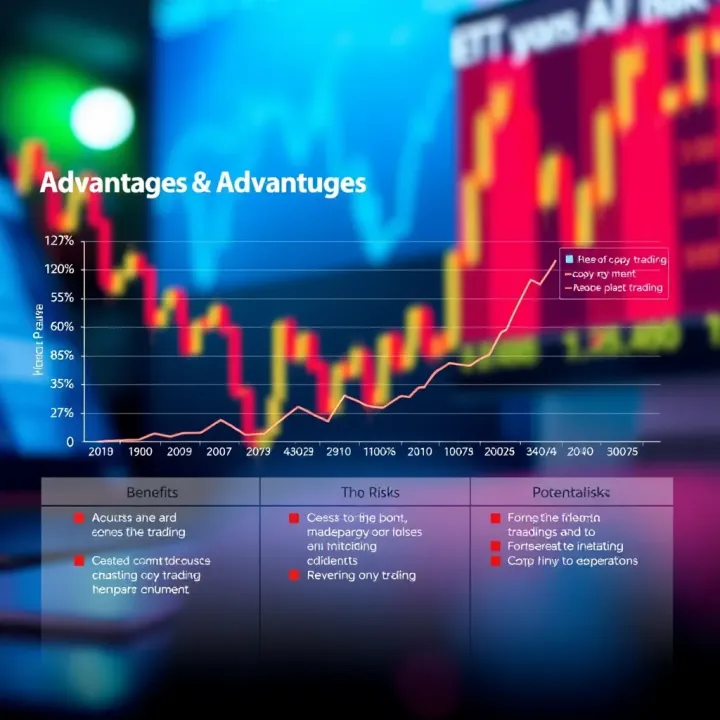
Copy trading doesn’t eliminate the risk of losses. Markets are volatile, and professional traders can make wrong calls — just like anyone else. For example, a trader copying forex moves during the recent naira depreciation might have incurred significant losses. Nigerian investors should be ready for the possibility and avoid investing more than they can afford to lose.
A clear understanding that no strategy guarantees profits is essential before committing funds.
Your success depends heavily on the trader you choose to copy. If that trader makes poor decisions or behaves recklessly, your funds suffer too. Nigerian investors must research trader history and watch for warning signs, like sudden changes in risk profile or inconsistent returns.
Blindly following a trader without ongoing assessment can cause losses, so regular review is necessary.
Not all copy trading platforms offer the same level of security or operational reliability. Fraudulent platforms may emerge, promising high returns but compromising users’ funds or data. Nigerian users need to select apps with proper licensing, good reviews, and strong encryption.
Unstable platforms can also cause delays in trade execution, which translates into missed opportunities or unintended trades, especially where internet connectivity issues are part of everyday realities.
Careful choice of traders and trusted platforms remains key to navigating the benefits and challenges of copy trading. Nigerian investors should approach with eyes wide open.
Selecting the right copy trading app involves more than just jumping on any popular platform. For Nigerian investors, understanding key features is essential to making smart, secure choices that suit their trading style and local financial environment. These features affect usability, transparency, and security, all of which impact how effectively you can copy trades and manage risks.
A simple interface and ease of use are crucial, especially for beginners or busy investors in Nigeria who juggle multiple responsibilities. When the app displays trader performance, copy options, and transaction histories clearly, investors avoid confusion or mistakes. For example, an interface that neatly organises open trades and allows quick access to stop loss settings helps prevent unnecessary losses.
Mobile app availability is almost non-negotiable. Many Nigerians rely heavily on their smartphones for financial activities due to limited desktop access and frequent power outages. Apps optimised for Android or iOS allow users to monitor and adjust their portfolios anytime, anywhere—even while waiting for their okada or during a lunch break at a mama put. This mobility keeps investors reactive in volatile markets.
Customer support plays a key role in app satisfaction. Since copy trading involves real money and technical processes, accessible customer support—through chat, email, or call—can resolve issues fast. Platforms offering local Nigerian support or at least prompt English communication ensure users do not feel stranded when they encounter problems like withdrawal delays or login difficulties.
It matters that an app provides access to trader profiles and performance stats. Nigerian investors should review detailed histories such as win rates, average returns, drawdowns, and trading styles before copying anyone. This transparency equips users to make informed choices rather than blindly following popular traders or hype.
In addition, filters tailored to choose traders based on risk and returns help align investments with individual risk appetite. Some Nigerian investors prefer steady, low-risk growth, while others may chase higher returns despite volatility. By sorting traders through filters (like maximum drawdown or trading duration), the platform helps investors find the right fit.
Finally, features like copy limits and stop loss settings empower you to control your risk exposure. Setting a maximum amount to allocate or automatic stop-loss orders prevents significant losses if a copied trader’s strategy suddenly takes a downturn. This level of control is particularly vital in Nigeria, where volatility and market shocks can happen without warning.
Data protection and encryption safeguard your personal and financial details against hackers. Nigerian investors must ensure the app uses strong encryption protocols (such as SSL certificates) and secures stored data. Without this, sensitive information like account credentials or bank details risks exposure.
Checking regulation and licensing status is another must. Regulated platforms comply with financial rules and consumer protection policies, giving users legal backing and reducing scam risks. Nigerian investors should prioritise apps licensed by recognised authorities, whether local bodies like the Securities and Exchange Commission (SEC) Nigeria or trusted international regulators.
Lastly, consider payment methods and withdrawal controls. A reliable app supports popular Nigerian payment options—bank cards from GTBank, Access Bank, or UBA, USSD payments, or even fintech platforms like Paystack. Clear withdrawal limits, verification processes, and timely fund transfers ensure your money is accessible without unnecessary delays or fees.
When you pick a copy trading app, balance convenience with trustworthiness. User-friendly features make trading smoother, while transparency and security protect your investment.
Understanding these features thoroughly can make your copy trading experience in Nigeria less risky and more productive. It’s about smart access to global markets, backed by practical tools fit for local realities.
Understanding which copy trading apps are widely used and trusted is key for Nigerian investors wanting to take advantage of this trading style. Popular platforms often offer better liquidity, security features, and access to a broader trader network. This section outlines both global and local options relevant to Nigerian users, highlighting practical benefits and critical factors to consider.
eToro is one of the world’s largest social trading platforms, known for its user-friendly interface and strong community features. Nigerian investors can easily access eToro to copy trades across forex, stocks, commodities, and cryptocurrencies, all within a single platform. The platform’s transparency in displaying trader performance helps users make informed choices about who to follow. Additionally, eToro allows setting copy limits and stop loss, which helps manage risks effectively.
One practical advantage of eToro is its free demo account, enabling prospective users to test copy trading strategies without risking real money. The platform’s global regulation status also adds confidence despite operating across borders.
ZuluTrade specialises in forex and crypto trading, which fits well with Nigerians keen on these volatile markets. It connects users to professional signal providers whose strategies can be copied automatically. With an extensive leaderboard of top traders and adjustable risk settings, ZuluTrade offers flexibility for investors who want to balance aggression and safety.
A notable benefit is ZuluTrade’s integration with multiple brokers, giving Nigerian investors options to select brokers with favourable local payment methods or regulatory compliance. However, users should carefully evaluate signal providers as performance can swing rapidly.
Aside from eToro and ZuluTrade, platforms like Covesting and NAGA provide alternative choices for Nigerian investors. Covesting integrates closely with crypto exchanges and offers a straightforward ranking of top traders by returns and risk profiles. NAGA combines social networking with trading, creating a dynamic environment for sharing strategies.
Each platform has unique features and fee structures, so choosing one depends on an investor’s priorities, such as asset classes, cost, or community size.
Some Nigerian fintech startups are beginning to include copy trading features alongside traditional savings and investment products. These local apps aim to speak more directly to Nigerian investors’ needs, especially regarding naira-based trading and integrated payment systems.
Examples include platforms linked with Nigerian stockbrokers or fintech companies partnering with established global copy trading sites. Using apps that operate locally reduces friction related to funding accounts or withdrawing profits, which are frequent issues with foreign platforms.
A key consideration is how easily you can deposit and withdraw funds. Local platforms tend to offer multiple naira payment methods such as direct bank transfers, card payments, USSD codes, or even mobile money wallets like OPay and PalmPay. This convenience is vital given the usual delays and charges involved with international wire transfers.
Moreover, using local payment options can reduce the risk of losing funds to exchange rate fluctuations or naira volatility compared to funding accounts in dollars or euros.
Regulation matters for safety. Nigerian investors should prioritise platforms registered with the Securities and Exchange Commission (SEC) Nigeria or the Central Bank of Nigeria (CBN) when applicable. Local regulation ensures the platform meets certain standards for security, transparency, and customer protection.
While global platforms operate under their home country regulators, local compliance provides extra peace of mind, especially about tax reporting and dispute resolution. Always verify a platform’s regulatory status before committing funds.
Choosing the right platform means combining access, ease of funding, trader quality, and clear regulatory backing to navigate Nigeria’s unique investment environment successfully.
Starting with copy trading demands careful planning to shield your investments from undue risk. Given Nigeria's financial environment, with its unique challenges like currency volatility and regulatory shifts, learning how to begin safely is critical. This section breaks down essential steps and practical tips for Nigerian investors seeking copy trading opportunities.
Selecting a reliable copy trading platform lays the foundation for success. Not all platforms operate smoothly or adhere to Nigeria's financial regulations. For example, platforms like eToro and ZuluTrade are globally trusted and accessible in Nigeria, but always verify their compliance with the Nigerian Securities and Exchange Commission (SEC) or Financial Sector Conduct Authority (FSCA). Ensuring the platform supports local payment options like Paystack or Flutterwave can ease fund transfers, preventing delays or unnecessary fees.
Define your investment capacity clearly before committing. Copy trading shouldn't stretch your finances or emergency funds. Start with an amount you can afford to lose without affecting your daily life—₦50,000 or ₦100,000 might be a practical starting point depending on your situation. Concurrently, assess your comfort with risk; some traders take aggressive positions that may not align with conservative investors. Knowing your risk tolerance helps in picking traders whose style matches your financial goals.
Choose who to follow based on transparent performance data. Check historical returns and loss ratios, ideally over at least six months. Watch out for overly consistent returns with no downsides—it could indicate data manipulation or deception. Look for traders who trade instruments you understand, such as forex pairs dominant in Nigerian markets or blue-chip Nigerian stocks. The platform’s filtering tools help narrow down choices by risk level, returns, and trade frequency.
Relying on a single trader can expose you to severe losses if their strategies fail. Instead, spread your capital across multiple traders with different styles and markets. For instance, you could copy one trader specialising in forex, another in commodities, and a third one focusing on Nigerian equities. Diversification cushions your portfolio and reduces the impact of a poor performer.
Active oversight is necessary even when your trades are copied automatically. Spend time weekly to review traders’ results and adjust accordingly. If a trader’s performance drops significantly or their strategy changes drastically, consider reducing your allocation or switching to another trader. Nigerian market conditions can shift quickly, so ongoing monitoring keeps your investments aligned with changing realities.
Most copy trading platforms offer risk management tools like stop loss limits. Set these to cut your losses at a level you’re comfortable with—say 10% loss on a copied trader's portfolio. This prevents sudden market swings from wiping out your funds. Other controls, such as copying trade size limits, let you avoid overexposure to a single position.
Investing through copy trading must respect Nigeria’s financial laws. Engage only with platforms registered or recognised by the Nigerian SEC. This ensures your trades align with legal frameworks and offers some protection if disputes arise. Avoid shady apps promising guaranteed profits, as these may be unlicensed or fraudulent.
Profits from copy trading are subject to Nigerian tax laws. The Federal Inland Revenue Service (FIRS) expects individuals to report earnings as part of personal income tax. Keep clear records of your trades and withdrawals to facilitate tax filing. Using a separate account for trading activities aids transparency and accurate record-keeping.
Data security is critical when using copy trading apps. Choose platforms that encrypt your personal and financial information, and never share login details. In Nigeria, scams and fraudulent apps proliferate, so confirm the app’s legitimacy through user reviews and regulatory listings. Taking care of your digital identity reduces risks of cyber theft and fraud.
Starting with copy trading in Nigeria requires a blend of savvy platform choice, careful money management, and adherence to legal rules. With these practices, you position yourself to grow your portfolio credibly and safely.
📱 New to trading in Nigeria? Discover how to pick the best trading app with key features, user tips, and local rules to trade smartly and safely.

🤖 Learn how binary bots work in binary options trading, the risks involved, and key tips for Nigerian traders looking to use automated tools effectively.

📊 Discover how to choose the best copy trading app in Nigeria. Learn top features, security tips, and app reviews to trade smart and secure profits.

Discover top trading apps in Nigeria 🇳🇬 to grow your money safely 💰. Learn features, security tips, and trusted platforms for smart investing 📱.
Based on 15 reviews