
Top Forex Trading Strategies for Nigerian Traders
Discover effective forex trading strategies for Nigerian traders 🇳🇬. Learn risk management, key tools, and approaches to boost your trading success 📈.
Edited By
Isabella Morgan
Trading has become a popular way to grow wealth in Nigeria, with many exploring both cryptocurrency and forex markets. But despite some surface similarities, crypto trading and forex trading have significant differences that affect how you approach each.
Crypto trading involves buying and selling digital currencies like Bitcoin, Ethereum, or Binance Coin. These assets exist purely online, backed by blockchain technology. Forex trading, on the other hand, deals with exchanging traditional government-issued currencies such as the US dollar (USD), British pound (GBP), or Nigerian naira (₦) on a global scale.
Understanding these differences helps investors decide which market suits their financial goals and risk appetite. For example, crypto trading is known for high volatility, meaning prices can swing wildly within minutes. This offers chances for quick gains but also escalates risks. Forex markets tend to be more stable comparatively, though currency pairs like USD/₦ can still experience sharp moves because of Nigeria’s economic factors.
Another key point is regulation. Forex trading is typically regulated by financial authorities such as the Central Bank of Nigeria (CBN) and global entities. This oversight ensures some level of security and legal protection for traders. Crypto trading regulation in Nigeria is still evolving, with the CBN currently imposing restrictions on crypto transactions through banks, creating challenges but also opportunities for peer-to-peer trading.
Both markets operate around the clock but differ in trading hours due to time zone effects. Forex follows established opening and closing times aligned with global financial centres — like London and New York. Crypto markets never close, running 24/7, which demands vigilance but offers greater flexibility.
In practical terms, a Nigerian trader might choose forex trading for steadier income through pairs involving the naira or dollar. Alternatively, those willing to tolerate volatility and regulatory uncertainties might prefer crypto to leverage price swings and explore emerging digital finance.
Here’s a quick comparison:
Market type: Traditional currencies vs digital assets
Volatility: Moderate (forex) vs high (crypto)
Regulation: Established (forex) vs developing (crypto)
Trading hours: Session-based (forex) vs continuous (crypto)
Technology: Standardised platforms for forex vs blockchain-based systems for crypto
This introduction sets the scene for a deeper look at how exactly crypto and forex trading stack up, especially in Nigerian context and what you need to keep in mind before making your choice.
Before jumping into the nuances of forex and crypto trading, it’s essential to grasp the fundamentals of each market. Understanding the basics gives you a solid footing, helping you avoid costly mistakes and align your trading decisions with your financial goals. For Nigerian traders, this knowledge helps in navigating the peculiar challenges of currency fluctuations and regulatory changes.
Forex trading centres mostly on major currency pairs—these are combinations like USD/EUR, USD/JPY, GBP/USD, and USD/NGN for Nigerian traders. These pairs represent the most traded currencies globally and tend to have high liquidity and tighter spreads. For example, USD/NGN movements heavily influence import and export prices in Nigeria, making it a pair of both trading interest and national economic importance.
The forex market is a decentralised global network where banks, financial institutions, corporations, and individual traders buy and sell currencies. Trading happens across various time zones through major financial centres such as London, New York, Tokyo, and Lagos. This global setup means forex trading is active 24 hours a day from Sunday evening to Friday evening, allowing Nigerian traders to participate at convenient local times.
Central banks, like Nigeria’s Central Bank of Nigeria (CBN), play a major role by influencing currency value through monetary policy, interest rates, and intervention in the forex market. Economic indicators such as inflation rates, GDP growth, and unemployment data directly affect forex trading. For instance, a rise in the CBN’s monetary policy rate usually strengthens the naira as it attracts foreign investment, impacting forex pair movements.
Cryptocurrency trading revolves around digital assets like Bitcoin, Ethereum, and Binance Coin, underpinned by blockchain technology. Blockchain acts as a secure, distributed ledger, making transactions transparent and difficult to tamper with. This technology’s appeal lies in eliminating the need for central authorities, which can be attractive for Nigerian traders facing banking restrictions or currency controls.
Unlike forex, crypto markets operate without a central exchange or regulator. They run on peer-to-peer networks, which means trading doesn’t halt after official business hours—it runs 24/7. This decentralisation offers flexibility but introduces volatility, as prices can swing rapidly due to news, investor sentiment, or regulatory developments.
Crypto exchanges are online platforms where traders buy, sell, and convert cryptocurrencies. Examples include Binance, Luno, and Quidax, which are popular among Nigerians. These exchanges offer wallets to store assets, and their reliability varies, making security a big concern. Transaction fees, withdrawal limits, and liquidity differ widely across platforms, so choosing the right exchange matters for cost-efficiency and safety.
For Nigerian traders, understanding these basics helps in choosing between forex and crypto trading, factoring in market hours, volatility, and regulatory aspects specific to Nigeria.
Understanding market structure and trading hours is key to knowing when and how to engage in forex and crypto trading effectively. These elements affect liquidity, volatility, and the potential for profit or loss. For Nigerian traders, who juggle local working hours and global market time zones, grasping these differences can shape better trading strategies.
The global forex market is divided into four main sessions: Sydney, Tokyo, London, and New York. These sessions partly overlap, creating periods of higher liquidity and trading volume. For example, the London and New York overlap often sees the most active trading, which can mean tighter spreads and more trading opportunities. Nigerian traders usually find the London session the most convenient since it aligns closely with their working hours.
Liquidity varies greatly across these sessions. In active hours, especially during overlaps, currency pairs like USD/NGN or EUR/USD experience tighter spreads and quicker execution. Conversely, during low liquidity periods such as the Sydney session, spreads widen and price movements may be more erratic, increasing slippage risk. Knowing when these sessions occur helps traders enter and exit trades more efficiently.
For Nigerian traders, common trading hours fall between 7 am and 4 pm WAT, capturing the London session and early New York session. This timing enables participation in market movements without disrupting daily routines. Active trading outside these hours, say during the Asian sessions, is possible but less popular due to work and lifestyle patterns.
Unlike forex, cryptocurrency markets operate non-stop every day of the week. There is no central exchange or fixed trading hours because crypto trading happens on multiple global platforms simultaneously. This continuous access allows traders to react instantly to news events at any time, whether it's a regulation update in the US or a big development in blockchain technology.
This 24/7 availability affects trading strategies significantly. Traders must decide whether to monitor the markets constantly or automate trades using bots and alerts. While this flexibility benefits active traders, it can also lead to burnout or bad decisions from reacting impulsively during volatile periods.
Nigerian investors managing crypto trades need to consider local factors like power outages and internet reliability. Trading at odd hours might be tempting due to market moves, but disruptions could cause missed opportunities or losses. Using reliable internet providers and backup power solutions like solar systems or generators is often necessary to maintain consistent access.
Knowing when markets are open and how that fits with your daily life and local conditions can be as important as deciding what to trade.
In summary, forex trading involves timed sessions with predictable liquidity swings, aligning well with typical Nigerian work hours. On the other hand, crypto trading's round-the-clock market demands flexibility and preparedness to handle its unique challenges, especially for investors syncing their activities with local realities.
Volatility shapes the experience of trading in both forex and cryptocurrency markets. Understanding the sources of price fluctuations and associated risks is key for any trader or investor. Forex markets tend to react predictably to economic events and policy shifts, while crypto markets can swing wildly with market sentiment and news. Both require tailored risk management to protect capital and capitalise on opportunities.
Geopolitical events and economic data heavily influence forex volatility. For example, a sudden shift in Nigeria’s monetary policy or an unexpected CBN intervention can cause price swings in the naira against the dollar. Traders watch announcements like inflation reports, GDP figures, or central bank rates since these factors affect currency strength and market confidence. Political unrest in oil-producing countries often causes ripple effects in currency pairs linked to oil exports.
Major currency pairs such as USD/EUR or GBP/USD typically exhibit more moderate price changes compared to exotic pairs. Movements frequently fall within well-understood ranges—often 50 to 100 pips per day—allowing disciplined traders to predict and plan entries and exits. Such relative stability favours technical analysis and systematic strategies, helping traders manage exposure in a way that suits their risk appetite.
Risk management in forex trading often revolves around stop-loss orders, position sizing, and diversification across currency pairs. Traders commonly use tools like trailing stops to lock in profits while allowing room for price swings. For instance, a trader dealing in USD/NGN might limit their exposure to avoid losses from naira volatility during uncertain economic times. Managing leverage carefully is another key tactic; unlike crypto, forex brokers in Nigeria usually enforce leverage limits, reducing potential blowouts.
Crypto markets remain highly volatile, often driven by news, changes in regulation, and speculation. Take, for instance, when the Nigerian government hinted at regulatory crackdowns on cryptocurrencies—it led to rapid price declines in popular tokens like Bitcoin and Ethereum. Announcements by global regulators or sudden bans in major markets trigger similar reactions, while influencers’ tweets can swing prices in minutes.
Market sentiment and trader behaviour amplify crypto volatility. Herd mentality often pushes prices beyond fundamental values, creating sharp rallies or drops. During a bull run, traders might buy aggressively out of fear of missing out (FOMO), only to face quick reversals as profit-taking kicks in. This cycle of euphoria and panic makes crypto unpredictable compared to forex.
Mitigating risks in crypto trading requires strict discipline and security measures. Diversifying across several coins reduces the impact of a single asset’s fall. Many Nigerian traders use hardware wallets or trusted custodial services to safeguard assets from hacks. Setting clear stop-loss levels and avoiding excessive leverage — common on crypto exchanges — also helps manage potential losses. Combining technical analysis with staying informed about regulatory changes can offer additional protection.
Understanding how volatility differs and what drives risk enables traders to adopt strategies best suited to their goals and tolerance. Forex’s steadier swings contrast sharply with the crypto market’s bursts of activity, so knowing what to expect can protect your ₦ investment and improve decision-making.
In summary, while forex offers more predictable price variations linked to economic fundamentals, cryptocurrency trading demands readiness for sudden, large moves influenced by news and trader psychology. Nigerian traders benefit from tailoring their risk management techniques to these realities, balancing boldness with caution in both markets.
Understanding the regulatory landscape and security risks is vital for anyone considering forex or crypto trading in Nigeria. These factors influence not only legal compliance but also how safely and confidently you can trade. Traders must weigh the frameworks governing each market because regulatory clarity often translates to stronger investor protection and reduced risk of fraud.
The Central Bank of Nigeria (CBN) and the Securities and Exchange Commission (SEC) form the backbone of forex market regulation here. The CBN oversees monetary policy and foreign exchange controls, while the SEC regulates capital market activities, including forex brokerage operations. This dual oversight ensures forex brokers operate within clear legal boundaries, helping maintain market stability and consumer confidence.
Licensed forex brokers in Nigeria must meet stringent requirements set by these bodies. Registration ensures brokers adhere to fair trading practices, proper fund management, and transparency. For instance, brokers licensed by the SEC are subject to periodic audits and must keep client funds in segregated accounts. This framework reduces the risk of losing your capital to unscrupulous operators and offers some recourse in disputes.
Legal considerations for forex traders include understanding the legitimacy of broker platforms and avoiding unregistered operators that might operate scams. The law permits forex trading but strongly disapproves unlicensed firms. Additionally, traders must comply with tax laws, such as declaring earnings to the Federal Inland Revenue Service (FIRS). Staying within these legal bounds protects you from penalties and ensures smoother trading experiences.
Cryptocurrency regulation in Nigeria remains in flux. While the CBN in 2021 directed banks to restrict crypto transactions, there is no complete ban on owning or trading cryptocurrencies. Instead, the government is seeking proper regulatory frameworks, which are still evolving. Many Nigerians continue trading crypto via peer-to-peer platforms and licensed exchanges like Binance Nigeria under specific conditions.
However, the crypto space is fraught with risks, including fraud, scams, and exchange hacks. The decentralized nature of cryptocurrencies means there is no central authority to reverse fraudulent transactions. Cases of phishing schemes and fake investment platforms have led to losses worth millions of naira among Nigerian traders. Moreover, some exchanges have experienced security breaches, reinforcing the need for vigilance.
Securing crypto assets involves adopting best practices such as using hardware wallets rather than relying solely on exchange wallets. Enabling two-factor authentication, regularly updating software, and avoiding sharing private keys or seed phrases are essential. Traders are advised to spread risk by not keeping all digital assets in one place and using reputable exchanges with strong security protocols.
Whether trading forex or crypto, understanding local regulations and practising good security hygiene is your best defence against losses and legal headaches.
By paying close attention to regulation and security, Nigerian traders can navigate these markets with greater confidence and safeguard their investments effectively.
Technology, accessibility, and costs form the backbone of any trading activity, shaping how traders engage with markets and influence their profitability. Whether it’s forex or crypto, understanding the platforms, tools, and fees involved can help traders make better decisions and optimise returns. Nigerian traders need to weigh these factors carefully, given local challenges like variable internet access, fluctuating naira exchange rates, and the choice between regulated and unregulated brokers or exchanges.
In Nigeria, popular forex trading platforms include MetaTrader 4 (MT4), MetaTrader 5 (MT5), and cTrader. These platforms offer user-friendly interfaces, multiple charting options, and automated trading features. They allow traders to monitor price movements, place orders, and manage risk easily. For example, a Nigerian trader can use MT4 on a mobile device while commuting in a danfo or even at a mama put to react promptly to market shifts.
Technical analysis software and economic calendars are crucial for forex traders. Programs like TradingView and economic calendars from Forex Factory allow traders to track indicators such as Moving Averages, RSI, and to anticipate market moves based on scheduled economic reports like CBN announcements or Nigerian inflation data. This insight helps traders avoid surprises and adjust strategies in advance.
Transaction fees and spreads directly affect profits in forex trading. Spreads — the difference between bid and ask prices — tend to be tighter on major pairs like EUR/USD, reducing cost for traders. Still, some Nigerian brokers may add commissions or require minimum deposits, so it’s essential to compare brokers’ fee structures. For instance, a trader using a broker with a 1.5 pip spread on USD/NGN must consider if this cost fits their trading volume and frequency.
Top crypto exchanges serving Nigerian users include Binance, Luno, and Quidax. These platforms support NGN deposits and withdrawals, offer diverse crypto pairs, and integrate local payment options like bank transfers and USSD codes. Their accessibility makes it easier for Nigerian traders to enter the crypto market without facing FX bottlenecks or long delays.
Wallets, both hot (online) and cold (offline), play a critical role in crypto asset security. Nigerian traders who keep cryptocurrency on exchanges risk exposure to hacks or exchange failure. Using hardware wallets like Ledger or Trezor to store crypto offline reduces this risk significantly. The choice between self-custody and third-party custody depends on the trader’s comfort with technology and their trading frequency.
Trading fees and network charges can add up in crypto trading. Exchanges like Binance charge a flat 0.1% trading fee per transaction, but network fees vary with blockchain congestion. For example, Ethereum network fees (gas fees) might spike above ₦5,000 per transaction during busy periods, which can eat into small trade profits. Nigerian traders must account for these costs when moving crypto between wallets or trading frequently.
Technology and cost efficiency can make or break your trading strategy. Picking the right platform and understanding fee structures ensures you keep more of your gains.
Understanding these technological and cost aspects provides Nigerian traders with practical tools to navigate forex and crypto markets more confidently and cost-effectively.
Discover effective forex trading strategies for Nigerian traders 🇳🇬. Learn risk management, key tools, and approaches to boost your trading success 📈.
📈 Discover the best times for forex trading in Nigeria by understanding global sessions, key currency pair activities, and strategies to manage risks effectively.
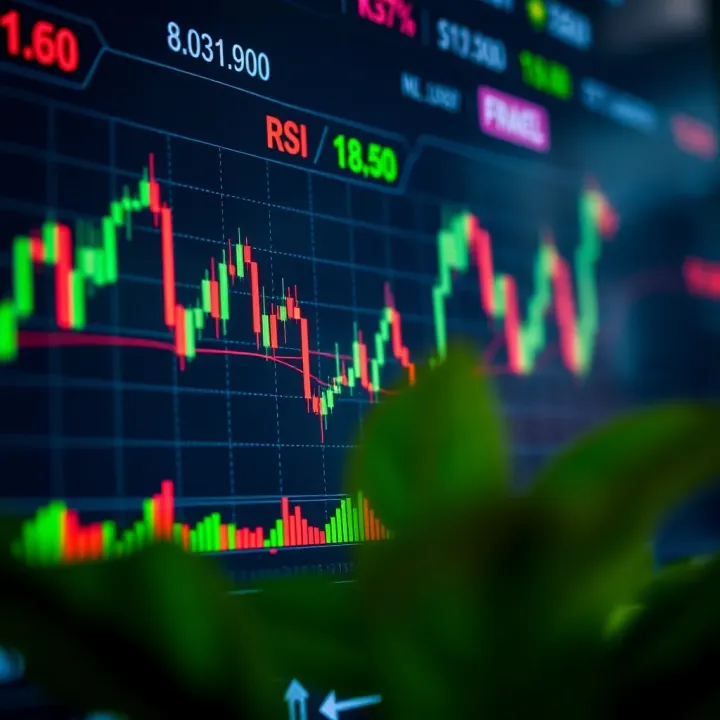
Discover top forex trading indicators 📊 tailored for Nigerian traders 🇳🇬. Learn how to combine tools for smarter, more accurate trading decisions!

📈 Discover practical forex trading insights and proven strategies tailored for Nigerian traders. Master risk, choose brokers wisely, and thrive in local markets.
Based on 8 reviews