

Benefits of Risk Management for Nigerian Businesses
Discover how effective risk management in Nigeria helps protect businesses from threats, enhances decision-making, controls costs, and supports growth 📊🔒
Edited By
Michael Reid
Enterprise risk management (ERM) is no longer just an option for businesses operating in Nigeria—it’s a necessity. With the country’s economic fluctuations, unpredictable policy shifts, and infrastructural challenges, companies face a range of risks that can disrupt operations or erode profits if left unchecked.
For Nigerian traders, investors, analysts, brokers, and consultants, understanding ERM means navigating through these uncertainties with a clear game plan. Think of it as setting up multiple safety nets to catch potential problems before they escalate. This proactive approach helps companies maintain steady cash flow and protect shareholder value despite a sometimes volatile business climate.
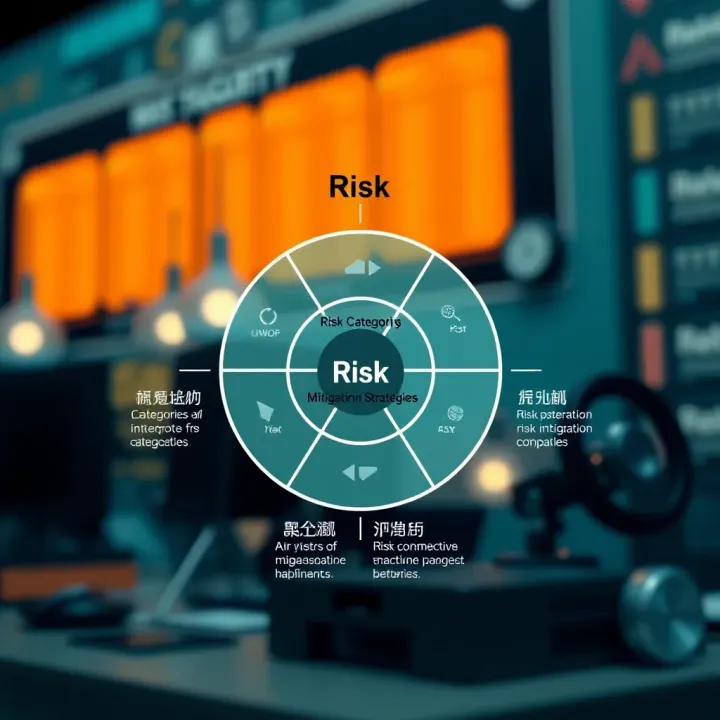
A practical ERM framework involves:
Identifying potential risks: These could be market volatility, foreign exchange rate swings, or even disruptions from power outages, which are still common despite ongoing improvements.
Assessing the impact and likelihood of each risk: For example, a sharp naira devaluation might bear a high impact with a moderate chance, requiring immediate attention.
Developing strategies to manage or mitigate these risks: This could include sourcing alternative suppliers, locking in FX rates using hedging instruments, or investing in backup generators to reduce downtime.
Monitoring and reviewing risk controls regularly to ensure effectiveness over time.
Nigerian businesses that embed ERM into daily decision-making gain an edge by spotting trouble early and responding decisively, rather than merely reacting when it’s too late.
ERM doesn’t just protect against losses; it also creates confidence for investors and partners, making access to capital easier. Using technology tools tailored for Nigerian businesses, such as local banking apps, digital payment platforms like Paystack and Flutterwave, and risk analytics software, can enhance oversight and reporting.
While the concept may seem complex, breaking ERM down into step-by-step actions tailored to local challenges makes it practical and achievable for businesses regardless of their size or sector. This guide will offer clear, actionable advice to build and maintain strong risk management practices that fit Nigerian realities perfectly.
Enterprise Risk Management (ERM) provides Nigerian businesses with a structured approach to identifying and managing risks that could disrupt their operations or financial health. Unlike ad hoc risk practices, ERM integrates risk awareness across all departments, helping leaders to make informed decisions and keep setbacks to a minimum.
ERM is a holistic process where an organisation recognises potential threats—whether financial, operational, or strategic—and establishes controls, policies, and responses to mitigate them. For example, a manufacturing company in Lagos may face power outages affecting production lines. Through ERM, it anticipates these interruptions and budgets for alternative energy sources like generating sets, thereby reducing downtime and cost overruns.
Nigeria’s economy is well known for its volatility, with the naira often experiencing sharp devaluations. Businesses involved in importation or exportation encounter risks from unpredictable exchange rates that can quickly erode profits. For instance, a trader importing electronic goods from China may budget for ₦10 million but end up paying ₦12 million due to currency depreciation. ERM helps such businesses identify this risk early and consider hedging mechanisms or negotiating contracts in stable foreign currencies.
Inadequate infrastructure poses significant operational challenges across Nigeria. Frequent power outages, poor road conditions, and unreliable telecommunications can stall production and logistics. Take a company relying on just-in-time supply chains; delays due to bad road networks can halt manufacturing, causing losses and unhappy customers. An ERM approach encourages organisations to evaluate these vulnerabilities and invest in backups like generators or diversify suppliers to minimise disruptions.
The regulatory landscape in Nigeria shifts regularly, with new tax rules, labour laws, and environmental policies coming into force severally. Companies may face penalties, licence suspensions, or legal suits if they fail to comply. For example, a financial services firm must keep pace with Central Bank of Nigeria (CBN) directives to avoid fines or operational blockades. ERM equips companies to track these changes proactively, adjust internal processes, and train staff on compliance matters.
Traditional risk management often focuses on specific risks within a department—say, insurance for assets or credit checks for customers. ERM expands this by covering all types of risks enterprise-wide and linking them to business objectives. It’s not about reacting, but continuously scanning the business environment and adjusting strategies accordingly. This integrated oversight allows a Nigerian business to balance risk taking with growth ambitions more confidently.
ERM is more than a checklist; it’s a mindset that makes risk part of everyday business discussions, ensuring Nigerian companies stay resilient amid challenges.
Overall, understanding and adopting ERM helps Nigerian businesses anticipate problems, protect assets, and seize opportunities in a tough economic environment.
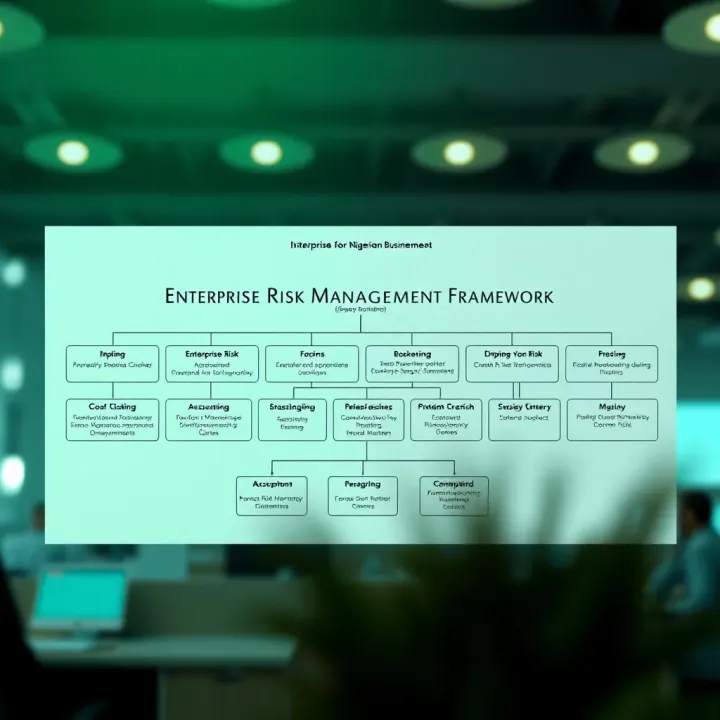
Understanding the common risks Nigerian companies face is vital for effective enterprise risk management. These risks directly affect business operations, profitability, and sustainability, especially given Nigeria’s economic and infrastructural challenges. Recognising these risks helps companies develop targeted strategies to protect their investments, maintain competitive advantage, and ensure regulatory compliance.
Exchange rate volatility poses a constant threat due to Nigeria’s fluctuating naira value against major currencies. Companies importing raw materials or repatriating profits struggle with sudden cost increases or reduced foreign earnings. For example, a manufacturer depending on imported machinery spare parts may see costs spike when the naira weakens unexpectedly, squeezing margins or forcing price hikes.
Interest rate fluctuations impact borrowing costs across sectors. With rates shifting in response to Central Bank of Nigeria (CBN) monetary policy, businesses holding variable-rate loans face unpredictable expenses, which complicates cash flow management. A trader relying on overdrafts could find itself paying far more interest during rate hikes, affecting working capital and operational efficiency.
Credit risks arise when customers or partners default on payments, leading to liquidity issues. In Nigeria’s informal economy, many buyers lack formal credit checks, increasing defaults. For instance, a distributor supplying goods on credit to market women might experience delays or bad debts, forcing tighter credit controls or upfront payments.
Power supply issues and generator costs remain major hurdles. Frequent NEPA (Disco) outages push businesses to rely on generators, significantly raising operating costs and lowering profitability. A medium-sized bakery, for example, might spend ₦150,000 monthly on fuel, which eats into profits or limits expansion.
Supply chain disruptions affect timely delivery of products and services, especially during border closures or strikes. A retailer depending on imported textiles from Asia could face stock shortages due to shipping delays, pushing customers towards competitors and damaging brand trust.
System failures and fraud undermine business integrity and efficiency. Many Nigerian firms still operate partly manual processes, making them vulnerable to error or deceit. Cybersecurity gaps can also expose firms to hacking, costing them confidential data or funds. For example, a financial services company experiencing POS terminal failures or fraudulent transactions must invest in both tech and staff awareness to manage these risks.
Changing government policies can quickly alter the business environment. Sudden shifts in import tariffs or fuel subsidy removal disrupt cost structures. Companies in sectors like automotive or petroleum must monitor policy developments closely and adjust forecasts and pricing strategies accordingly.
Legal and regulatory compliance requires ongoing attention amid evolving laws from agencies such as the Federal Inland Revenue Service (FIRS) and the Securities and Exchange Commission (SEC). Noncompliance can lead to fines or operational shutdowns. A fintech startup seeking CBN approval for payments operations must adhere strictly to regulatory frameworks to avoid licence revocation.
Market competition and reputation are increasingly important as Nigerian markets open up to foreign and local entrants. Businesses must protect their reputation through quality products and good customer service. Negative customer reviews or public relations blunders can swiftly affect market share, especially with social media amplifying voices across the country.
Companies that actively address these risks by embedding risk management into their operations can better withstand economic shocks and market uncertainties. Understanding these typical Nigerian business challenges enables proactive planning and sustained growth.
Implementing ERM in Nigerian businesses starts with clear, well-structured steps that turn theory into action. These steps help organisations to spot possible threats early, assess which need urgent attention, plan how to handle them, and keep track of progress. Tangible benefits include reducing unexpected losses, improving decision-making, and boosting investor confidence.
Tools like SWOT analysis and scenario planning help companies identify risks by examining strengths, weaknesses, opportunities, and threats. For example, a trading firm in Lagos might use scenario planning to foresee the impact of fuel scarcity on logistics. Mapping risks visually with diagrams or heat maps gives a straightforward picture, showing which risks affect what parts of the business.
Involving stakeholders across departments is critical. Frontline teams, like sales or operations, often spot risks that executives might miss. For instance, a supply chain officer might flag potential delays from local vendors. Cross-departmental input ensures all angles are covered, making the risk map more accurate and practical.
Evaluating the likelihood and impact of each risk focuses resources on what truly matters. A cotton farmer, for instance, might rate weather risk high on impact but moderate on likelihood, guiding investment in irrigation systems rather than insurance alone. Nigerian companies often face market risks with high impact but varied likelihood, requiring careful assessment.
Risk scoring methods assign numerical values to likelihood and impact, combining them into a total risk score. A commercial bank might rank currency fluctuation risk higher than minor fraud risk by scoring both factors. This approach helps managers prioritise threats clearly and allocate budgets effectively.
Businesses can respond to risks by avoiding, reducing, sharing, or accepting them. For example, a manufacturing company hit by erratic power supply may reduce risk by installing solar panels (reduction) or share risk via insurance. Sometimes accepting a low-impact risk is more cost-efficient, like occasional minor transport delays.
Creating contingency plans ensures readiness when risks materialise. A retail chain could develop alternative supplier arrangements to keep shelves stocked during danfo strikes. These plans minimise disruption, keep operations running smoothly, and protect revenue.
Dashboards and risk registers provide up-to-date snapshots of risk status. A fintech firm might use software that alerts managers when fraud risk scores rise unexpectedly. Risk registers document identified risks, responses, and responsible persons, ensuring accountability.
Regular review cycles—monthly or quarterly—keep ERM dynamic. Nigeria's business environment can change quickly due to policy shifts or exchange rate fluctuations. Consistent reviews allow timely adjustments, preventing risks from catching the company off guard.
Effective risk management isn't a one-off exercise. Regular updates, clear roles, and strong participation from all levels make ERM a living part of Nigerian businesses.
By following these key steps, Nigerian companies can better navigate uncertainties and protect their assets and reputation.
Technology and data have become indispensable for effective enterprise risk management (ERM) in Nigerian businesses. As risks grow more complex, traditional manual methods no longer suffice. Digital tools not only speed up risk identification and response but also provide clearer insights into emerging threats. In Nigeria’s dynamic market, where issues like currency volatility and infrastructure challenges are constant, technology helps companies stay a step ahead.
Risk management software plays a vital role by centralising risk data and streamlining reporting processes. Platforms like Resolver, MetricStream, or even local customised solutions allow firms to track risks across departments in real time. This reduces the chance of overlooked threats and enables swift action when issues arise. For instance, a Lagos-based manufacturing firm can monitor supply chain risks linked to fuel shortages or port delays and react before production halts.
Data analytics further sharpen risk detection by analysing historical and real-time information to uncover patterns. Nigerian banks, for example, use analytics on transaction data to detect fraud tendencies or credit risks early. Such insights empower decision-makers to allocate resources efficiently, avoiding costly surprises. Analysing seasonal cash flow trends might also help retailers plan for the ember months when spending spikes but power outages threaten sales.
Enterprise Resource Planning (ERP) and financial systems integration ensure risks are visible within core business operations. Linking ERM tools to systems like SAP, Oracle, or even local accounting packages means financial risks—like delayed payments or foreign exchange exposure—can be identified quickly. A Nigerian oil service company could integrate their ERM with financial systems to flag currency risks given the naira-dollar fluctuations, enabling timely hedging decisions.
Communication platforms are equally important in risk management workflows. Tools such as Microsoft Teams, Slack, or Zoom allow teams across multiple locations—say, Lagos, Abuja, and Port Harcourt—to share risk updates immediately. Open channels foster quicker collaboration when addressing operational problems like power failures or cyber threats. Regular virtual meetings also support training and reinforce a risk-aware culture company-wide.
Harnessing technology and data for ERM not only improves risk visibility but also drives faster, more informed responses. Nigerian businesses that integrate these tools position themselves to manage uncertainties better, protect assets, and sustain growth despite local challenges.
A risk-aware culture is vital for Nigerian organisations aiming to manage risks proactively rather than reactively. When everyone, from top executives to frontline staff, understands how their actions can influence risk, the entire organisation becomes better equipped to spot and tackle threats early. In Nigeria’s complex business environment—with challenges like currency swings, inconsistent power supply, and shifting regulations—a culture that prioritises risk awareness can make the difference between resilience and costly disruptions.
Leadership sets the tone for risk culture. When senior managers openly prioritise risk management, it reinforces its importance across the organisation. For example, a managing director regularly discussing risk updates in management meetings signals that risk oversight is part of daily business, not just a compliance checkbox. Accountability matters just as much. Leaders must be responsible for their risk areas and ensure their teams follow risk protocols. Without clear ownership, many risks remain hidden or ignored until they escalate.
Continuous education on risk topics keeps employees current with emerging risks specific to their roles. Nigerian firms often face shifting regulatory frameworks—like tax policy changes from the Federal Inland Revenue Service (FIRS) or new Central Bank of Nigeria (CBN) guidelines—that teams must understand promptly. Regular workshops, e-learning modules, or briefings help embed risk knowledge steadily over time. This ongoing education prevents the “out of sight, out of mind” problem where risks are forgotten when not immediately visible.
Incentivising good risk practices encourages employees to prioritise risk controls during their daily work. Companies can link bonuses or recognition to proactive risk reporting, adherence to safety procedures, or successful execution of internal controls. For instance, a manufacturing company might reward line supervisors who spot and fix hazards before accidents happen. Besides financial incentives, public acknowledgement or career development opportunities also motivate responsible behaviour and show that risk awareness is valued.
Encouraging report of issues and near misses is key to catching problems before they cause damage. Nigerian businesses often struggle with underreporting due to fear of blame or sanctions. Creating channels where employees can report concerns anonymously or without fear boosts transparency. For example, a bank that sets up a dedicated hotline or digital platform for whistleblowing can detect fraud risks early. Prompt reporting of near misses allows management to address root causes before incidents occur.
Building transparency and trust lays the foundation for honest risk conversations. When employees trust management to handle reports fairly and keep them informed of risk actions, they’re more likely to share insights openly. Nigerian companies with hierarchical structures sometimes face communication gaps; open forums or town halls help bridge this divide by enabling dialogue. Transparency also reassures staff that risk management is not about finger-pointing but about safeguarding the business and everyone’s jobs.
Developing a risk-aware culture is a journey. But once in place, it creates a shared responsibility and sharper vigilance that protect Nigerian organisations from avoidable pitfalls and position them for sustainable growth.
Discover how effective risk management in Nigeria helps protect businesses from threats, enhances decision-making, controls costs, and supports growth 📊🔒

Explore how binary options work, key strategies, risks, legal tips 🇳🇬 and protections against scams for Nigerian investors ready to trade smart.

📊 Explore binary investment basics, risks, and strategies for Nigerian traders. Learn about regulations, platforms, and smart fund management in simple terms.

📊 Explore how binary brokers work in Nigeria, learn key tips, risks, and regulations to trade binary options smartly and safely for better results.
Based on 9 reviews