
Forex Trading Guide for Nigerian Traders
🌍 Explore forex trading in Nigeria with tips on markets, strategies, brokers, leverage, risk management, and overcoming common challenges. 📈💡
Edited By
Isabella Morgan
Forex trading has grown considerably in Nigeria, attracting traders keen to earn from currency fluctuations. But many often ask: what exactly is a forex trading certificate, and why should I consider getting one?
A forex trading certificate is a formal qualification that recognises your understanding of forex markets, trading strategies, and risk management. For Nigerian traders, it offers more than just proof of knowledge—it can increase trust among brokers, investors, and clients, while sharpening your skills for better trading outcomes.
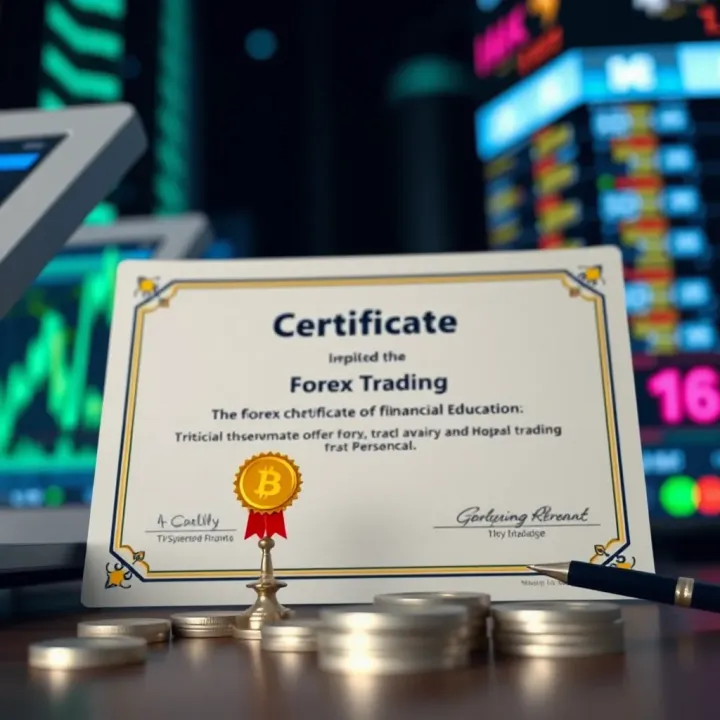
Earning a recognised certificate can open doors to better trading opportunities and help you avoid common pitfalls in the volatile forex market.
Nigeria’s forex space is vibrant but comes with challenges such as scams, unregulated brokers, and market volatility. Having a certificate:
Bolsters your credibility when dealing with brokers and institutions
Provides a clearer grasp of technical analysis and trading platforms
Helps you navigate regulations set by Nigerian authorities like the Securities and Exchange Commission (SEC)
Empowers you to manage risks efficiently
Several Nigerian institutions and online platforms offer quality forex trading courses:
First Securities Discount House: Known for financial market training
Bello Forex Academy: Offers practical trading modules tailored to Nigerian traders
Bloomfield Investment Corporation: Provides both beginner and advanced forex courses
Online platforms like Coursera and Udemy also have forex courses, but Nigerian-specific certification or endorsement adds value locally.
Obtaining certification usually involves:
Enrolling in a course (online or offline)
Completing course modules and exams covering forex fundamentals, charting, and regulations
Receiving a certificate recognised by the Nigerian financial community
Remember, some certifications may require refresher courses to stay current.
Having this certificate signals you know the ropes and can trade smartly in Nigeria’s fast-paced forex market.
A forex trading certificate represents formal recognition that a trader has learned specific skills and knowledge relevant to trading foreign currencies. This certificate typically comes from completing a recognised course that covers fundamentals such as how forex markets operate, common trading strategies, and risk management techniques. For Nigerian traders, holding such certification signals a serious commitment to understanding the forex market instead of trading blindly.
A forex trading certificate confirms that an individual has undergone a structured learning process about forex trading. It often covers areas like analysing currency pairs, interpreting charts, and placing orders properly. This formal qualification is practical because it helps traders reduce costly mistakes that come from guesswork or misinformation. For example, a trader who understands stop-loss orders and leverage effectively is less likely to lose their capital quickly.
Traders seek certification to gain a competitive edge and increase their chances of success in forex trading. Beyond technical know-how, certification builds confidence — essential when Nigerian traders face volatile markets or naira instability. Moreover, brokers and financial institutions in Nigeria often prefer or require traders with validated credentials before granting access to certain accounts or services.
Certificates come in different levels, usually starting with introductory courses for beginners and progressing to advanced programmes for experienced traders. The introductory certificates cover basics, such as understanding forex terminology, market hours, and simple strategies. On the other hand, advanced certificates delve into complex topics like automated trading systems, fundamental macroeconomic analysis, and psychological discipline during trading.
Another distinction lies between certificates that prioritise practical trading skills and those that focus more on theory. Practical certificates emphasise hands-on exercises, real-time simulations, or using demo accounts to build experience. In contrast, theoretical certificates provide a deep understanding of economic indicators, international finance, and market mechanics without immediate trading practice. Nigerian traders often benefit more from a practical approach since the local market demands quick adaptation and hands-on expertise.
Obtaining the right type of forex trading certificate can significantly improve your trading performance and help navigate Nigeria’s unique financial environment.
In summary, understanding what a forex trading certificate means involves recognising its role in equipping traders with verified knowledge and skills. Choosing between levels and practical versus theoretical focus depends largely on your current expertise and trading goals within Nigeria's forex landscape.
Holding a forex trading certificate offers Nigerian traders several practical benefits that go beyond just a piece of paper. It equips traders with the skills and knowledge needed to navigate a complex market and improves their standing among peers, brokers, and clients.
Learning essential trading strategies is one of the immediate advantages. A well-structured certificate course breaks down technical analysis, charting, and trading psychology into digestible lessons. For instance, you will learn how to spot trends, use indicators like RSI or moving averages effectively, and understand market sentiment. This knowledge helps traders avoid reckless decisions based purely on guesswork or hearsay, which is common among beginners.

Managing risks more effectively goes hand in hand with acquiring trading strategies. Trading forex without risk management is like navigating Lagos traffic without knowledge of alternative routes — you’re bound to get stuck or lose out. Certification teaches you how to set stop-loss orders, calculate position sizes, and manage leverage to protect your capital. It stresses that preserving your investment is just as important as making profits, helping you avoid costly mistakes.
Building trust with brokers and clients becomes easier once you hold a verified certificate. Many Nigerian brokers and financial institutions prefer dealing with certified traders because it signals professionalism and seriousness. For example, if you’re seeking to work with a reputable brokerage like GTBank’s investment arm or joining a local investment club, having a certificate may tip the balance in your favour.
Enhancing personal confidence in trade decisions is another key benefit. Forex trading can be highly volatile, triggering fear and hesitation. With certification, you gain a clear framework and tested methods, reducing guesswork. When faced with a sell-off or rally, you’re more likely to stick to your plan rather than panic-sell or hold onto losses. This confidence often translates to better judgement and improved results.
Opening doors to professional trading roles is a realistic prospect with recognised certification. While many Nigerian traders operate individually, some aspire to join hedge funds, proprietary trading firms, or financial service companies. A forex trading certificate can act as a qualification that gets your CV noticed or provides eligibility for specialised roles.
Engaging with better brokerage services is another tangible gain. Certified traders are often given access to improved trading accounts with lower spreads, faster executions, or premium customer support. For example, some international brokers and local licensed platforms may offer exclusive bonuses or educational resources to certified members. This can enhance your trading experience and profitability.
Holding a forex trading certificate is not just about adding a line to your CV; it sharpens your knowledge, boosts your reputation, and broadens your trading options in Nigeria’s fast-growing forex market.
By understanding these benefits, Nigerian traders can weigh the value of certification and integrate it meaningfully into their trading journey.
Understanding how to obtain a forex trading certificate in Nigeria is vital for traders looking to solidify their knowledge, boost credibility, and navigate the local forex market with confidence. This section outlines practical steps and important considerations, including where to find recognised institutions, the nature of course content, and the financial aspect of certification.
Local training centres offering certification usually operate in major cities such as Lagos, Abuja, and Port Harcourt. These centres provide face-to-face training tailored to Nigeria’s unique market dynamics. For instance, the Nigerian Stock Exchange Academy and other private forex training firms offer certification programmes that blend theory with hands-on exercises, often conducted over weekends or evening classes to suit working professionals.
Facing challenges like traffic and limited access outside metropolitan areas, many traders prefer local centres for their direct interaction with instructors and networking opportunities with fellow Nigerian traders. These training centres often include practical sessions on using local platforms such as GTBank's trading services or Paystack’s forex-related payment options.
International courses accessible online have gained popularity because they offer flexibility and a broader perspective on global markets. Platforms like Udemy, Coursera, and the London Academy of Trading provide comprehensive forex certification courses. These courses usually feature video lectures, quizzes, and live webinars, allowing traders across Nigeria to learn at their own pace without commuting.
Online certification adds value by exposing Nigerian traders to advanced concepts and global trading strategies beyond local market conditions. However, traders should ensure these courses have credible certification recognised by global trading bodies or financial institutions.
Core topics covered in certification courses generally include forex market fundamentals, technical and fundamental analysis, trading psychology, risk management, and use of trading platforms. Nigerian traders benefit from courses that highlight how economic factors like the naira exchange rate, Central Bank of Nigeria (CBN) policies, and international commodity prices affect forex.
Additionally, practical skills in using MetaTrader 4 or 5, chart interpretation, and live trading simulations are common, helping learners connect theory to real trading scenarios. This blend improves decision-making and handling volatile markets.
Time commitment and assessment methods vary depending on the course level. Local certification programmes typically require between four to six weeks of study, including weekend classes or evening sessions. Assessment involves written exams, simulated trading challenges, and practical project submissions.
Online courses often span from a few days to several months, tracked through progress quizzes, peer discussions, and final exams. Nigerian traders should consider their personal schedules, as balancing work, life, and study is crucial for success.
Typical fees involved in Nigerian context range widely. Local certification courses can cost between ₦50,000 and ₦150,000, depending on the institution and course depth. Some premium courses may charge more, especially those that provide additional mentorship or live trading support.
Online international courses might range from US$100 to US$500 (roughly ₦45,000 to ₦225,000), with payment plans or scholarships occasionally available. However, traders should beware of very cheap or free courses that may lack quality or recognition.
Balancing cost with certification value demands careful thought. While lower fees save money upfront, high-quality certification from reputable centres or platforms adds credibility and better prepares traders for the complexities of forex trading. For example, a ₦100,000 investment in a well-structured course with practical training can lead to sharper strategies and fewer costly mistakes, compensating for initial expenses.
Investing in certification also opens opportunities with better brokers and may ease access to professional roles. Traders should prioritise programmes with transparent curricula, good reviews, and tangible outcomes over mere cost considerations.
Obtaining a recognised forex trading certificate requires choosing an institution that fits your needs, understanding course demands, and weighing financial commitments. Nigerian traders who navigate this process thoughtfully stand a better chance of turning knowledge into profit and trust in the forex market.
Forex trading certificates are becoming popular among Nigerian traders, but the road to certification is not without its hurdles. Understanding these challenges helps traders prepare effectively and avoid pitfalls that could waste time and money.
Avoiding scams and unreliable courses is a top concern for Nigerian traders. The forex education sector is crowded with providers promising quick success, but some offer substandard or outright fake certificates. A trader who picks a dubious course risks losing not just money but also valuable time that could be spent acquiring real skills. For example, several online platforms advertise forex certificates with little verification or follow-up, leaving learners with certificates that carry no weight in the professional community.
Checking accreditation and reviews is crucial before committing to any forex certification. Traders should look for courses accredited by recognised bodies like the Chartered Institute for Securities & Investment (CISI) or programmes endorsed by reputable financial institutions. Peer reviews and testimonials from other traders also offer insights into course quality. Without these checks, it is easy to enrol in a course that is more about money-making than education.
Financial barriers for many traders pose a significant challenge. Quality forex certification programmes often charge fees ranging from ₦50,000 to over ₦200,000, which can be steep for entry-level traders or those trading with small capital. This expense may discourage some from pursuing certification, especially when combined with indirect costs like internet data and learning materials.
Limited physical centres outside major cities further restrict access. While Lagos and Abuja have several training centres offering forex certification, traders in other states often depend on online courses. Poor internet connectivity and lack of reliable electricity in rural areas make remote learning less effective, putting non-urban traders at a disadvantage.
Translating knowledge into profitable trades remains a hurdle post-certification. A certificate provides theoretical understanding, but without hands-on practice in live markets, traders may struggle to make consistent profits. For instance, the forex market reacts to global economic events that require quick judgment, which only comes with experience, not just certification.
Continuous learning beyond the certificate is essential. Market conditions, regulations by the Nigerian Securities and Exchange Commission (SEC), and trading technologies evolve rapidly. Staying updated through refresher courses, webinars, and daily market analysis is necessary to keep trading skills sharp and relevant.
Successful forex trading in Nigeria depends not only on getting certified but also on choosing credible programmes, overcoming financial and access barriers, and applying knowledge practically while committing to ongoing learning.
In balancing these challenges, Nigerian traders can better navigate the certification journey and enhance their chances in the forex market.
A forex trading certificate can open many doors, but knowing how to use it effectively makes all the difference. For Nigerian traders, the certificate is more than just a piece of paper—it’s a stepping stone to build reputation, sharpen skills, and stay ahead in a market that moves fast. Understanding how to leverage certification alongside practical experience and constant learning ensures that your investment in certification pays off.
Displaying your forex trading certificate in job applications or when pitching to investors or brokers signals that you are serious and knowledgeable. For example, if applying to a proprietary trading firm or hedge fund in Lagos, having certification listed can separate you from many others who only claim experience. This also builds client trust if you run your own trading business, reassuring them that you have passed verifiable standards. However, just showing the certificate is not enough; it should be paired with demonstrating your understanding during discussions.
Being part of a community of certified traders offers an avenue for exchanging strategies, discussing market trends, and sharing lessons from trading in the Nigerian market. Conferences, online forums, and local seminars serve as platforms to meet peers who have also completed formal training. Such networks can lead to referrals, joint ventures, or mentorship opportunities—critical for those trading in volatile naira markets or navigating restrictions from the Nigerian Forex Bureau. This interaction helps you stay updated and motivated.
Certification courses often teach theory, but practical trading solidifies skills. In Nigeria, where market conditions may vary daily, using demo accounts to test strategies without risking real money is a smart way to gain confidence. Transitioning to live accounts, even with small capital, gets you acquainted with execution, slippage, and emotional discipline. Real trading experience builds the muscle memory that no classroom can provide.
Understanding local factors such as the Central Bank of Nigeria’s (CBN) policies, naira fluctuations, or market liquidity quirks gives certified traders an edge. For instance, the naira’s sensitivity to oil prices or election cycles impacts forex movements, and recognising these can improve trade timing. Certification plus knowledge of local economic news and market responses allow traders to adapt strategies effectively to Nigerian realities.
Markets evolve, and so should your knowledge. Engaging in refresher courses organised by renowned institutions or brokers helps maintain and upgrade your skill set on new trading platforms, indicators, or risk management techniques. Nigerian traders can access webinars hosted by local experts or international forex analysts to keep pace with global trends.
Staying stagnant in forex can lead to missed opportunities. Keeping your skills fresh helps you navigate sharp shifts and new regulations swiftly.
The forex environment in Nigeria is dynamic, with changes in government policy, forex restrictions by the CBN, or new licensing rules for brokers. Remaining informed through Nigeria’s Securities and Exchange Commission (SEC) updates and related financial news ensures compliance and avoids legal pitfalls. Plus, knowing current market trends—like the rise of fintech payment platforms or shifts in investor behaviour during ember months—equips traders to make timely, informed decisions.
By combining certification with real-world practice and continuous learning tailored to Nigeria’s unique forex conditions, traders not only maximise their certificate’s value but also build lasting success in the forex market.
🌍 Explore forex trading in Nigeria with tips on markets, strategies, brokers, leverage, risk management, and overcoming common challenges. 📈💡

Explore practical tips and essential forex trading strategies for Nigerian traders 🌍. Learn key market factors, risk management, and regulation insights to trade confidently 📈.
🤖 Learn how AI shapes forex trading in Nigeria! Explore tech, risks, benefits, and legal tips to trade smarter with AI-driven tools.

📈 New to forex trading in Nigeria? Learn market basics, key terms, trading steps, strategies, and risk tips to get started confidently and smartly.
Based on 10 reviews