
Top Forex Trading Strategies for Nigerian Traders
Discover effective forex trading strategies for Nigerian traders 🇳🇬. Learn risk management, key tools, and approaches to boost your trading success 📈.
Edited By
Isabella Knight
Forex trading happens 24 hours a day, but that doesn’t mean the market is always active in the same way everywhere. Understanding which days and hours are best for trading can make a difference between profit and loss. This is especially important for traders in Nigeria who want to plan their moves wisely and avoid trying to trade during dull times when price movements are tiny.
The global forex market opens on Monday morning in Asia and closes on Friday evening in the United States, with continuous operation split across four main trading sessions: Sydney, Tokyo, London, and New York. Each of these markets has specific hours when activity peaks. For example, the London session runs roughly from 8 am to 5 pm GMT, which corresponds to 9 am to 6 pm Nigerian time (WAT).
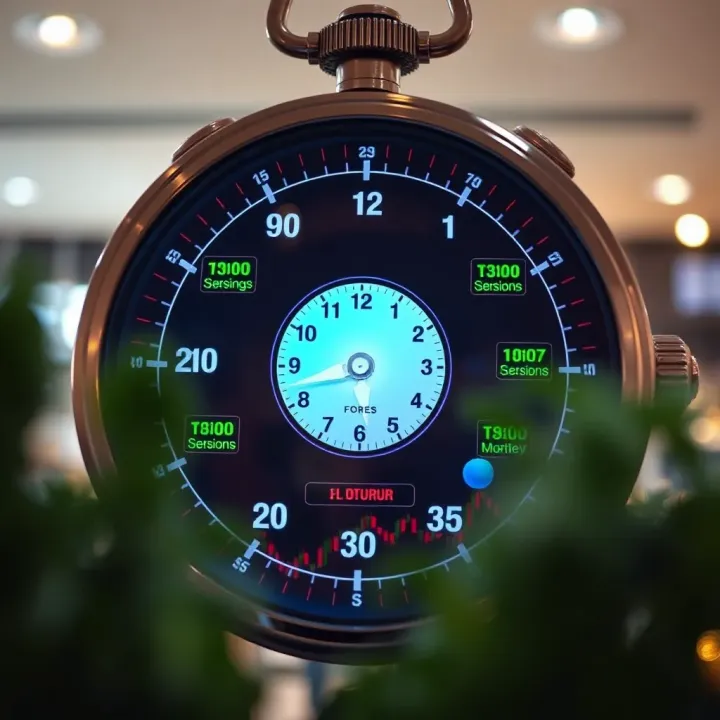
Key point: The overlap between London and New York sessions—around 2 pm to 5 pm WAT—is often the most liquid and volatile period, offering Nigerian traders potentially better trading opportunities.
Weekend closures mean that forex trading pauses from Friday 5 pm New York time until Sunday 5 pm New York time. This gap can create price gaps when the market reopens due to events occurring over the weekend. Traders should be mindful of this as it affects stop-loss orders and overall market risk.
Public holidays worldwide also impact forex activity. For instance, US public holidays can dampen movement in the dollar pairs, while Bank of England holidays may affect GBP pairs. Nigerian traders should watch for major holidays in key markets and adjust their trading schedules accordingly.
In summary, knowing the exact days and times when the market runs actively—including regional session hours, weekend breaks, and holidays—is fundamental. It helps you choose the best moments to enter or exit trades and manage risk more effectively.
Market is open 24 hours from Monday morning in Asia to Friday evening in New York
Four major trading sessions: Sydney, Tokyo, London, New York
Peak liquidity occurs during session overlaps, particularly London-New York overlap
Market closes over the weekend (Friday evening to Sunday evening)
Public holidays in major markets affect trading volumes
Nigerian traders should time their activities around these factors to maximise success and avoid unnecessary risk during low-activity periods.
Understanding forex trading days and market hours is essential for anyone involved in currency trading. Knowing precisely when the forex market opens and closes helps traders plan their activities, manage risks, and maximise profit opportunities. Unlike stock exchanges that operate in specific countries with set opening times, forex is a global, 24-hour market active on designated days, influenced by multiple time zones and market sessions.
Forex trading days are the specific weekdays when the global foreign exchange market is open for trading. Typically, the market operates Monday through Friday, closing briefly on weekends. These days coincide with business days in major financial centres like London, New York, Tokyo, and Sydney. For example, while Nigerian traders wake up to a live forex market on Monday morning, traders in Sydney are closing their sessions on Friday evening. This weekly rhythm ensures active liquidity and trade execution during business days, while the weekend break allows traders to pause and prepare for fresh market action.
Because forex operates across continents, understanding time zones is critical. The market’s 24-hour nature comes from the staggered opening hours of various global financial centres. For instance, the Tokyo session starts around 12:00 am WAT (West Africa Time), followed by the London session opening at 8:00 am WAT, and then New York at 1:00 pm WAT. This sequence means trading opportunities flow seamlessly from Asia to Europe, then to North America. Nigerian traders benefit from this by being able to trade during convenient hours in each session without odd hours.
Some of the most dynamic periods in forex come from overlapping market sessions. For example, the overlap between the London and New York sessions—usually between 1:00 pm and 4:00 pm WAT—is known for high liquidity and volatility. This overlap is when the busiest trading happens because two major financial centres are active simultaneously. Higher liquidity means tighter spreads and better price movement, which can enhance trading conditions for Nigerian investors aiming to execute efficient trades. Similarly, overlaps between Tokyo and London sessions create moderate activity, providing additional trading chances.
Recognising these trading days and hours helps Nigerian traders pinpoint periods of maximum market activity, manage their schedules, and adapt strategies to suit the ebb and flow of global forex action.
In summary, knowing when forex trading days start and how various global market sessions operate equips traders with practical advantages. It ensures they trade at times when the market is most liquid and aligns with their availability, reducing risks tied to low activity periods or sudden market gaps. This knowledge is fundamental in designing effective trading plans and making sensible decisions in the fast-paced forex environment.
Understanding the weekly schedule of the forex market is essential for traders aiming to optimise their strategies and reduce risks. The forex market is unique because it operates 24 hours a day across different time zones but is active only five days a week. This schedule affects liquidity, price volatility, and the best times to trade.
Forex trading officially opens on Monday at 00:00 GMT and closes on Friday at 23:59 GMT. This five-day trading week aligns with most global financial centres’ business days. During this period, markets in London, New York, Tokyo, and Sydney operate in various overlapping sessions, keeping the market fluid. For instance, the London and New York overlap, usually between 1 pm and 5 pm Nigerian time (WAT), offers some of the highest trading volumes and volatility, creating opportunities for Nigerian traders.
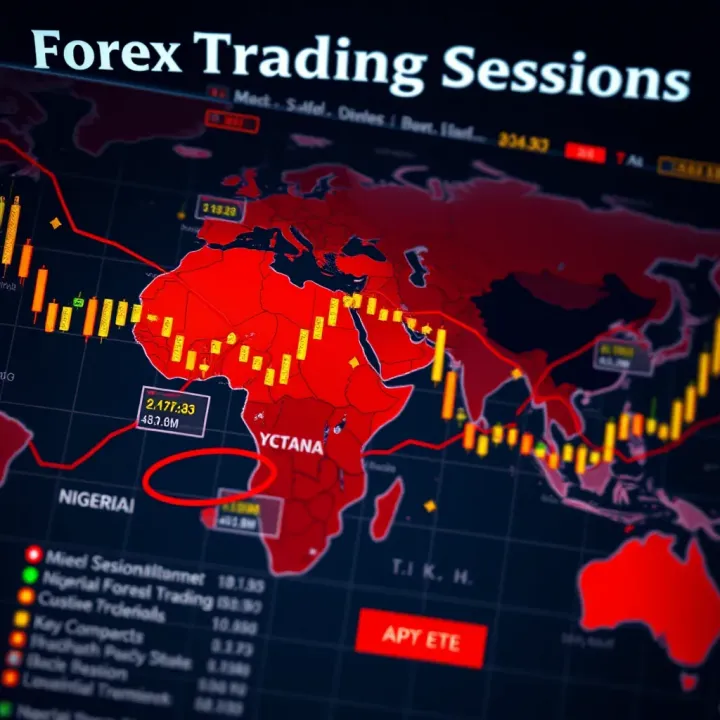
The market shuts down over the weekend primarily because major banks, financial institutions, and brokers close during this period. Liquidity dries up, meaning there are fewer buyers and sellers, which makes trading risky. Lower liquidity often leads to wider spreads—the difference between the buying and selling price—which can increase trading costs. For example, attempting to trade on a weekend can result in unpredictable price gaps due to limited market activity.
Liquidity is the lifeblood of forex trading; without it, price movements become erratic, making weekend trading generally unadvisable.
Weekend closures give traders a chance to rest and review their strategies. Since markets pick up again on Monday, traders often prepare by analysing economic news releases and technical charts over the weekend. For Nigerian traders, this is also an opportune time to plan for any economic developments out of the CBN or global markets that might affect currency pairs like USD/NGN. Managing open positions ahead of the weekend is critical because any gaps on Monday’s open can lead to unexpected losses or gains.
In practice, this means closing or adjusting trades before the weekend or setting stop-losses to manage risk. Awareness of these dormant periods helps traders avoid being caught off guard by market moves once the market reopens.
By understanding the weekly rhythm of the forex market, traders can better align their operations with peak liquidity times and avoid periods of illiquidity that could drain their capital.
Forex trading days are shaped heavily by market sessions. These sessions represent the hours when major financial centres around the world are active, directly affecting liquidity, volatility, and trading opportunities. Understanding each session’s characteristics helps traders decide the best times to enter or exit the market, especially relevant for Nigerian traders coping with time zone differences.
The Asian session kicks off the global trading day, starting around 11 pm to 8 am WAT, covering markets like Tokyo, Singapore, and Sydney. This session tends to be quieter compared to others, with lower volatility. However, commodities like the Japanese yen and Australian dollar often see more activity here, reflecting regional economic news and central bank decisions. For Nigerian traders, the Asian session runs late into the night, so it might not be the primary focus but can be useful for setting up trades ahead of busier sessions.
Opening from 7 am to 4 pm WAT, the European session is the busiest, with London as the principal centre. It brings significant liquidity as many European banks and institutions participate, impacting currency pairs involving the Euro, British pound, and Swiss franc. Nigerian traders find this session crucial since it coincides well with local business hours, allowing for live reaction to market news and central bank announcements such as those from the Bank of England or European Central Bank. Expect sharp price moves in this session, ideal for active trading.
The North American session runs from 1 pm to 10 pm WAT, covering New York and Toronto’s market hours. This session overlaps with the European session for a few hours, creating higher liquidity. It influences currency pairs like the US dollar, Canadian dollar, and Mexican peso. Nigerian traders benefit from this overlap to find good volatility without the need to stay up very late. Important US economic data releases during this time often send ripples across global markets, making this session key for informed decision-making.
Forex sessions overlap for a few hours a day, most notably when the European and North American sessions run simultaneously. These overlaps result in increased trading volume and tighter spreads, creating a more favourable environment for traders.
During these overlaps, price movements tend to be more volatile and predictable, offering better chances for quick gains. For instance, the London-New York overlap (1 pm to 4 pm WAT) gives Nigerian traders a prime window to engage in active trading strategies with more liquidity to enter and exit positions efficiently.
Traders should pay attention to these overlaps, timing their trades around when markets have the highest participation. Low liquidity sessions often lead to erratic price changes and wider spreads, increasing risks, especially for smaller accounts. Therefore, understanding these session dynamics can significantly aid in managing risks and maximising trading opportunities in the forex market.
Holidays and special events can seriously shake up forex trading days by affecting market liquidity and price volatility. Traders need to understand how these disruptions reshape normal trading patterns to avoid unexpected losses or missed opportunities. In particular, awareness of public holidays and major economic announcements helps you plan trades better and adjust risk management strategies accordingly.
Central bank holidays, such as those observed by the Central Bank of Nigeria (CBN), directly influence local forex market activity. On CBN holidays, Nigerian banks and financial institutions usually close, which reduces naira liquidity and can widen spreads on currency pairs involving NGN. For example, during Nigeria’s Independence Day holiday, many traders notice thin market participation, leading to less reliable price movements.
Such holidays also affect the timing and availability of funds for forex transactions, which means you might face delays in settlement or difficulties executing trades involving Nigerian currencies. It’s wise to mark these dates on your trading calendar to avoid entering or closing positions when liquidity is unusually low.
Beyond Nigeria, major forex centres like London, New York, Tokyo, and Frankfurt observe public holidays that can reduce global trading volumes. For instance, the Christmas and New Year break in the US and Europe often sees markets slow to a crawl, affecting the euro, pound, and dollar significantly. Similarly, Golden Week in Japan can lower activity in the Asian session.
These global holidays matter because the forex market depends on overlap among active financial centres. When one or more key markets close, overall liquidity drops sharply. As a result, price swings may become erratic and spreads wider, posing risks for traders who are unaware or caught off guard.
Scheduled economic data releases like Nigeria’s inflation rate from the National Bureau of Statistics, US Non-Farm Payroll figures, or Central Bank interest rate decisions exert strong influence on forex prices. These reports often spur rapid market moves due to changing expectations about economic health or monetary policy.
Traders who follow the economic calendar know these moments can bring sharp spikes in volatility. For example, a higher-than-expected inflation figure from Nigeria typically causes the naira to weaken temporarily as traders adjust to possible monetary tightening. Knowing when these announcements happen lets you prepare for potential price jumps or decide to step back if risk feels too high.
Unpredictable political events such as elections, conflicts, or sanctions can cause sudden shifts in forex markets. In Nigeria, election periods tend to increase market jitters, with the naira often fluctuating sharply due to uncertainties about policy continuity and fiscal discipline.
On the global stage, geopolitical tensions between major economic powers, like the US-China trade disputes, ripple through currency markets affecting stability and trader confidence. Staying alert to these developments is crucial, especially since their timing can disrupt regular trading days and trigger unpredictable swings.
Understanding holidays and special events is not just about knowing when the market is closed; it’s about anticipating how these occasions modify liquidity and volatility, enabling you to trade smarter in the dynamic forex space.
Successful forex trading hinges not only on understanding when the market operates but also on how to manage those trading days effectively. For Nigerian traders, this means recognising the local and global market rhythms and adapting strategies to fit volatile periods, market breaks, and distinct trading sessions.
Selecting the right days and times to trade can significantly improve your chances of profitable trades. The forex market is busiest when major markets like London and New York open around 3 pm WAT to 8 pm WAT, creating overlapping sessions that boost liquidity and narrow spreads. For instance, trading between 3 pm and 6 pm WAT often offers tighter spreads and higher volume, especially for currency pairs like GBP/USD and USD/NGN.
Weekends and public holidays in Nigeria or major forex markets usually see reduced activity or closures, so planning trades around these dates prevents unexpected gaps. During ember months, when market behaviour can be erratic due to global year-end factors, it’s wise to be extra cautious or reduce trading frequency.
During periods of low liquidity—often early mornings or holidays—brokers tend to widen spreads, meaning the difference between buying and selling prices grows. This widening increases the cost of entering and exiting trades, making it riskier for traders, especially those relying on short-term strategies. For example, on a Nigerian public holiday coinciding with a quiet market in Asia, a trader might notice spreads on USD/NGN increase from usual 50 pips to 100 pips.
To manage this risk, reduce the size of your trades when the market is thin. Smaller positions limit potential losses caused by spread widening or sudden price swings. A trader who normally risks ₦50,000 per trade might scale down to ₦20,000 during such times. This way, even if the market moves unexpectedly, the impact on your account balance is less severe.
Nigerian Forex traders gain a vital edge by following Central Bank of Nigeria (CBN) announcements and local economic indicators. For instance, CBN’s decisions on interest rates or foreign exchange policy directly affect the Naira’s strength, influencing USD/NGN pair movements. Monitoring these releases, such as the Monetary Policy Committee (MPC) meetings, helps traders anticipate possible market swings.
Local market events, including government budget speeches or petroleum subsidy changes, can shift currency values swiftly. Planning trades around these events means you can either avoid unwanted volatility or position yourself to benefit from price movements. Beyond CBN data, keep an eye on Nigerian trade policies and inflation reports, as they contribute to forex market trends related to the Naira.
Smart forex trading in Nigeria requires combining knowledge of global market hours with local economic realities. By planning trades around the best times and managing risks carefully, you improve your chances of success while protecting your capital.
By embedding these practical tips, Nigerian traders can better navigate forex trading days, maximise opportunities, and reduce exposure to market pitfalls linked to timing and liquidity.
Discover effective forex trading strategies for Nigerian traders 🇳🇬. Learn risk management, key tools, and approaches to boost your trading success 📈.
📈 Discover the best times for forex trading in Nigeria by understanding global sessions, key currency pair activities, and strategies to manage risks effectively.
Discover top forex trading indicators 📊 tailored for Nigerian traders 🇳🇬. Learn how to combine tools for smarter, more accurate trading decisions!

📈 Discover practical forex trading insights and proven strategies tailored for Nigerian traders. Master risk, choose brokers wisely, and thrive in local markets.
Based on 12 reviews