
Forex Trading Guide for Nigerian Traders
🌍 Explore forex trading in Nigeria with tips on markets, strategies, brokers, leverage, risk management, and overcoming common challenges. 📈💡
Edited By
Isabella Turner
Forex trading offers a real chance for Nigerian traders to grow their wealth, but it's no quick win. Understanding how the foreign exchange market works and the local nuances is key to trading smart.
This guide cuts through the noise and gives you clear steps to start trading forex confidently. We'll break down the essentials like currency pairs, leverage, and how market hours affect you from Lagos or Abuja. You'll also learn about practical risk management and how to avoid the common traps many beginners fall into.
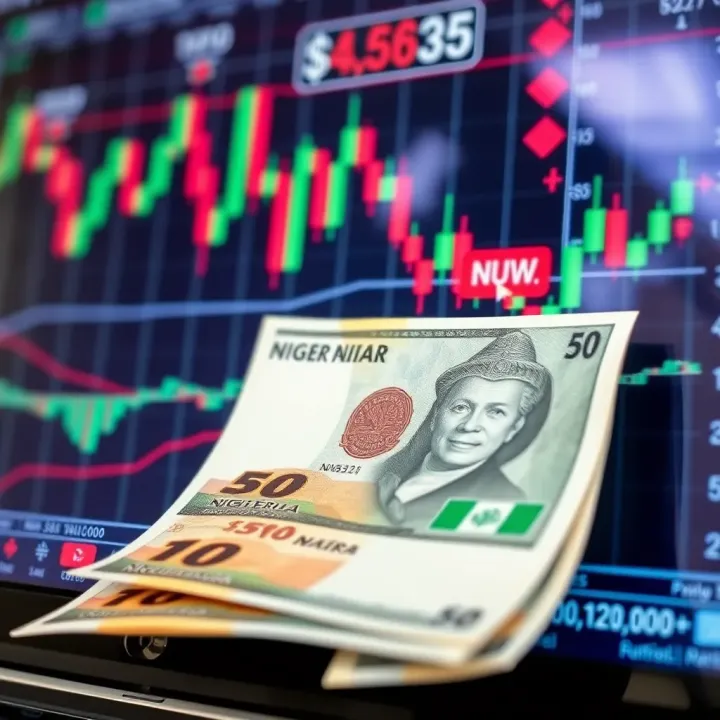
For Nigerians, some factors stand out: the Central Bank of Nigeria (CBN) rules, naira volatility, and popular platforms like MT4, MT5, and some local apps. Knowing these helps you pick the right broker and tools.
Remember, forex trading involves real money and risks. Educate yourself thoroughly and stick to tested strategies rather than chasing quick riches.
By the end of this section, you’ll understand:
What forex trading actually means and why currencies fluctuate
How to read and use forex quotes and charts
The role of leverage and margin, and why careful handling matters
Which Nigerian regulations affect your trading choices
How to select a reliable broker and platform with local relevance
Whether you are starting from scratch or wanting to sharpen your skills, this practical approach will give you a solid footing. Practical examples, such as trading the USD/NGN pair affected by naira’s occasional sharp swings, show how local realities play out in the global market.
Ready to stop guessing and start trading with confidence? Let’s get started on building your forex foundation.
Understanding the basics of forex trading is essential for any Nigerian trader aiming to succeed confidently in this market. It provides the foundation to navigate currency movements, assess risk, and make informed decisions rather than relying on guesswork or hearsay common in many local trading circles. Without a firm grasp of these fundamentals, you risk losing capital quickly or falling prey to scams.
Forex trading, or foreign exchange trading, involves buying and selling currencies. It’s a global market where currencies are exchanged against one another, allowing traders to speculate on currency value changes. For Nigerian traders, this is particularly relevant considering how naira exchange rates fluctuate frequently due to economic factors.
Currencies are always traded in pairs, such as USD/NGN or EUR/USD. Buying one currency means simultaneously selling the other. This pairing reflects how much of the second currency you need to buy one unit of the first currency — for example, USD/NGN at 460 means one US dollar costs 460 naira. Understanding this helps traders evaluate potential profits or losses when exchange rates shift.
Multiple participants drive forex market activity. These include central banks like the Central Bank of Nigeria (CBN), commercial banks, multinational corporations, hedge funds, brokers, and retail traders. Each plays different roles; for instance, central banks may intervene to stabilise their currency, while retail traders seek to profit from short-term moves.
The market operates 24 hours across major trading sessions in London, New York, Tokyo, and Sydney. This continuous cycle means Nigerian traders can find opportunities to trade at convenient times, yet they also need to stay alert for volatility spikes during session overlaps, such as when both London and New York markets are active.
Price movements in forex are influenced by several factors: economic indicators, political events, interest rates set by central banks, and global shocks like oil price changes (important for Nigeria’s economy). For example, a hike in Nigeria's benchmark interest rate by the CBN might strengthen the naira, affecting FX pairs involving NGN.
Being aware of these market forces enables traders to anticipate changes and strategise better, reducing guesswork and improving potential outcomes.
To sum up, getting clear on what forex trading is, how currency pairs function, and the mechanics of the market equips you to approach trading in a structured way — an essential step before risking real money.
Starting forex trading in Nigeria involves more than just opening an account; it means understanding the local market landscape and choosing the right setup to maximise your chances of success. This section points out the key steps to successfully enter forex trading with a practical focus on Nigerian traders, including selecting a reliable broker and setting up an account using familiar financial processes.
Selecting a trustworthy broker is the foundation of successful trading. Traders should prioritise brokers that offer transparent fee structures, competitive spreads, and responsive customer support. For instance, brokers that provide clear information about commissions and leverage limits help traders avoid unexpected costs. It's also practical to choose brokers with user-friendly platforms and educational resources conducive for beginners transitioning into forex markets.
Popular brokers serving Nigerian traders include global names like FXTM, HotForex, and Alpari, which have secured trust through reliable services and support for Nigerian accounts. Local Nigerian payment integration, such as the acceptance of Paystack or direct bank transfers from Nigerian banks like GTBank or Access Bank, enhances their usability. Nigerian traders often prefer brokers allowing funding and withdrawals in naira, which helps avoid losses from multiple currency conversions.
Regulatory considerations cannot be overlooked. Although the forex market is largely unregulated in Nigeria, reputable brokers usually hold licences from recognised bodies like the Financial Conduct Authority (FCA) or Cyprus Securities and Exchange Commission (CySEC). Such licences add a layer of security, assuring traders that brokers operate under strict compliance standards. Using a broker without any known regulation significantly raises risk, as recovering funds in disputes can be near impossible.
Understanding account types helps traders choose what fits their ambitions. Most brokers offer standard accounts with moderate leverage and low minimum deposits, suitable for beginners testing the waters. Professional or VIP accounts provide tighter spreads and higher leverage but require larger capital. For example, a standard account might need ₦50,000 minimum deposit, while a VIP account could start at ₦500,000, reflecting varied trader levels and risk appetite.
Verification processes usually involve submitting your Bank Verification Number (BVN) and National Identification Number (NIN) to comply with anti-money laundering (AML) policies. This step, while sometimes lengthy, protects both the trader and broker from fraud. Nigerian traders appreciate accounts supporting streamlined BVN/NIN verification, which can speed up withdrawal and deposit requests.
Funding accounts locally is often simplified by brokers partnering with Nigerian payment gateways like Paystack, Flutterwave, or direct bank transfers. Besides international options such as credit cards or e-wallets like Skrill, local methods reduce transaction delays and prevent extra charges from currency exchanges. For instance, a trader using GTBank can fund a forex account instantly with just a few clicks, avoiding the typical forex funding challenges.
Starting forex trading the right way involves meticulous broker selection and account setup tailored to Nigerian realities, ensuring your capital is secure and your trading experience seamless.
Taking these steps carefully will save you time and reduce stress, allowing you to focus on developing winning trading strategies rather than dealing with avoidable administrative hitches.
Mastering the right tools and strategies is the backbone of successful forex trading. Without these, even the best market knowledge might not translate into profitable trades. This section zooms into the practical tools Nigerian traders use daily, along with fundamental strategies that shape trading decisions and risk control.
MetaTrader 4 (MT4) and MetaTrader 5 (MT5) remain the most widely used trading platforms worldwide, including in Nigeria. MT4, prized for its simplicity, supports automated trading via Expert Advisors, allowing you to set rules that execute trades automatically. MT5, a newer version, offers additional features such as more timeframes and the ability to trade stocks or commodities alongside forex. Nigerian traders appreciate these platforms for their reliability, low latency, and extensive support from brokers like FXTM and Exness.
Mobile trading apps have become a game changer for Nigerians, especially those juggling work and personal commitments. Apps like MT4 Mobile, MT5 Mobile, and broker-specific apps from platforms such as Oanda and HotForex allow you to monitor market changes and execute trades wherever you are. This mobility means you don't have to miss out on timely opportunities, particularly during volatile sessions where naira pairs might experience swift swings.
Charting tools and technical indicators are fundamental for analysing market trends. Basic tools include candlestick charts and line charts, while indicators like the Relative Strength Index (RSI), moving averages, and Bollinger Bands help detect entry and exit points. For example, a Nigerian trader might use a 50-period moving average on the USD/NGN pair to spot trends, then confirm momentum using the RSI before making a trade.
Trend following and breakout strategies are popular first steps for new traders. A trend-following strategy means you align your trades with the market’s overall direction; if the naira is weakening against the dollar, you’d place sell positions accordingly. Breakouts happen when price moves beyond a defined resistance or support level, signaling possible continuation of that move. Nigerian traders often watch for breakouts around important economic announcements, like CBN policy changes.
Understanding support and resistance levels helps map where price might stall or reverse. Support is a price floor where buying interest might increase, and resistance is a ceiling where selling pressure builds up. For instance, if NGN/USD repeatedly hits ₦460 and bounces back, ₦460 forms a resistance level.
Risk-reward ratio and stop-loss orders protect your capital by balancing potential profits against possible losses. A typical risk-reward ratio might be 1:3, meaning you aim to make ₦3,000 for every ₦1,000 risked. Setting a stop-loss order closes a position automatically if price moves unfavourably, limiting losses. This is especially vital given Nigeria’s forex market volatility and occasional naira swings.
Proper tools paired with smart strategies equip Nigerian traders to spot opportunities and limit losses effectively, making the complex forex market more navigable.
With this foundation, you can build confidence, sharpen your decision-making, and grow steadily in the forex world.
In forex trading, managing risks is not just a side task—it’s the backbone that keeps your capital safe and your trading journey sustainable. Without proper risk management, even the best trading strategies can go south, especially facing the volatility of the currency markets. Nigerian traders often grapple with sudden market swings influenced by global events or local economic news, making risk protection critical.
Market volatility means how much the price of a currency pair jumps up and down over a short period. Forex markets are known for their rapid price changes, which can create both opportunities and threats. For example, during Nigeria’s recent fuel subsidy debate, the naira experienced sudden shifts against the dollar, catching many traders off guard. Volatility can lead to bigger profits but also amplifies losses when you are not careful.
Leverage risks arise because forex brokers often offer high leverage, sometimes up to 1:100 or more. This means you can control ₦100,000 worth of currency with just ₦1,000 in your account. While leverage boosts your buying power, it also magnifies losses if the market moves against you. A small adverse price change can wipe out your trading capital quickly if you don’t keep an eye on position sizes.
Psychological factors have a big role in forex trading. Emotions like fear and greed often push traders to make mistakes—like holding onto losing trades for too long or overtrading after a winning streak. For instance, a trader who sees the naira weakening might panic and sell off hastily, missing out on a later recovery. Mental toughness and awareness are as important as technical knowledge.
Using stop-loss and take-profit orders helps limit your exposure. A stop-loss automatically closes your trade if the market goes against you by a set amount, preventing bigger losses. Conversely, take-profit locks in your gains once a target price is hit. For example, if you buy USD/NGN at ₦460 and set a stop-loss at ₦455, your loss is capped even if the naira suddenly strengthens.
Diversifying trades means spreading your investments across different currency pairs or trading strategies. Instead of putting all your money on just USD/NGN, you might also trade EUR/USD or GBP/USD to balance risks. This approach reduces the impact of price swings in any single pair, much like not putting all your eggs in one basket.
Maintaining discipline and realistic expectations keeps you grounded. Successful traders don’t chase quick riches but plan their trades, set limits, and stick to them—even when the temptation to deviate is strong. Setting achievable monthly profit goals, for instance, helps avoid reckless risk-taking. Remember, forex trading rewards patience and consistent effort more than impulsive moves.
Managing risks well doesn’t eliminate losses entirely, but it ensures they stay manageable. It’s about protecting your trading capital so you can stay in the game longer and grow steadily.
Navigating the forex market in Nigeria comes with a unique set of challenges. Recognising these common hurdles and knowing how to avoid them can save traders significant losses and frustration. Whether it’s scams or emotional decision-making, this section focuses on empowering you to trade smart and stay alert.
Fraudulent forex schemes often masquerade as quick-money opportunities designed to lure unsuspecting traders. Typical red flags include promises of guaranteed profits, pressure to invest quickly, or unsolicited offers via social media and messaging apps. For instance, a broker promising daily returns of 10% or more without explaining risks should raise immediate suspicion.
Another common sign is a lack of clear regulatory credentials. In Nigeria, legitimate brokers should be registered with the Securities and Exchange Commission (SEC) or regulated by respected international bodies. Be wary if a broker avoids providing verifiable details about their regulation or operates only through unofficial channels.
To verify legitimate opportunities, always check for regulatory licences and compare broker information on official platforms such as SEC Nigeria. Reading trader reviews on trusted forums and seeking recommendations from experienced local traders can help uncover red flags. Remember, a credible broker will offer transparent communication, clear terms, and a demo account.
Setting clear trading plans and limits is critical. Define your daily or weekly trading budget based on capital, then stick to it. For example, if you have ₦100,000 for trading, decide in advance not to risk more than 5% on a single trade. This discipline shields you from impulsive decisions driven by greed or fear.
Managing stress and impatience goes hand in hand with planning. Forex markets can be volatile, and prices don’t always move in your favour immediately. Constantly checking charts or chasing after losses leads to poor choices. Incorporate regular breaks and develop routines that help you stay calm.
Keeping a trading journal is a simple yet powerful tool. Documenting every trade — entry point, rationale, outcome, and emotions felt — helps identify patterns of mistakes or bias. Over time, such records guide you to refine strategies and maintain objectivity, especially during ember months when market volatility is higher.
Staying vigilant against scams and controlling your trading habits are key pillars for successful forex trading in Nigeria. These steps protect your capital and build your confidence for long-term growth.
Applying these practical measures sets you apart from many beginners who fall prey to common pitfalls. With discipline and due diligence, you can navigate forex trading challenges effectively and increase your chances of consistent profits.
🌍 Explore forex trading in Nigeria with tips on markets, strategies, brokers, leverage, risk management, and overcoming common challenges. 📈💡
Explore practical tips and essential forex trading strategies for Nigerian traders 🌍. Learn key market factors, risk management, and regulation insights to trade confidently 📈.
🤖 Learn how AI shapes forex trading in Nigeria! Explore tech, risks, benefits, and legal tips to trade smarter with AI-driven tools.
📈 New to forex trading in Nigeria? Learn market basics, key terms, trading steps, strategies, and risk tips to get started confidently and smartly.
Based on 8 reviews