
Forex Trading Guide for Nigerian Traders
🌍 Explore forex trading in Nigeria with tips on markets, strategies, brokers, leverage, risk management, and overcoming common challenges. 📈💡
Edited By
Amelia Rockford
Navigating Forex trading in Nigeria requires understanding the platforms that make the market accessible and efficient. With numerous options available, each platform differs in fees, usability, security, and regulatory compliance. Traders—whether seasoned or just starting—must pick platforms that align with their goals and the unique challenges of the Nigerian financial environment.
Most Nigerian traders prefer platforms offering Naira (₦) deposit and withdrawal options, avoiding costly currency conversion fees. Platforms like Binance, IG Group, and MetaTrader 4/5 have gained popularity for their ease of use and broad market access. However, not all platforms provide straightforward integration with Nigerian banks or local payment solutions like Paystack or Flutterwave.
Security is another vital factor. Given the rise in cyber threats and online scams, good platforms implement robust encryption, two-factor authentication, and comply with global standards. Nigerian traders must also consider the regulatory landscape laid down by the Securities and Exchange Commission (SEC) and the Central Bank of Nigeria (CBN), which monitor forex activities to protect investors.
Choosing the right forex trading platform is not just about low fees or flashy tools. It demands careful checking of the platform's security protocols, local payment compatibility, and regulatory approval.
Key features to evaluate before committing include:
Trading costs: spreads, commissions, and withdrawal fees
User interface: ease of navigation and available trading tools
Customer support: responsiveness and availability, preferably with local presence
Educational resources: platforms that offer tutorials and market analysis can fast-track learning
In summary, a sound forex trading platform in Nigeria balances cost-efficiency, security, compliance with Nigerian authorities, and user-friendly features that match the trader’s level. This guide will explore these aspects to help you pick wisely for your trading journey.
Forex trading has grown significantly in Nigeria, driven by a mix of young entrepreneurs, retail investors, and professionals looking for alternative income sources. Understanding forex is critical for anyone wanting to navigate this market safely and profitably. This section breaks down forex basics, highlights recent trends, and stresses why selecting the right trading platform matters.
Forex, short for foreign exchange, involves buying and selling currencies to profit from changes in exchange rates. For instance, a trader might buy the US dollar (USD) against the Nigerian naira (₦), expecting the dollar to strengthen. Profits come from the difference in buying and selling prices. Unlike the stock market, forex operates 24 hours a day during weekdays, allowing active Nigerians to trade even outside typical banking hours.
Traders generally use leverage, which lets them control larger positions with a smaller amount of capital. However, leverage also increases risk, so knowing margin requirements on your chosen platform is vital. Also, forex trading requires understanding fundamental factors like interest rates, geopolitical events, and economic indicators that affect currency values.
In recent years, Nigeria has seen a surge in retail forex trading due to increased internet access, mobile device penetration, and awareness through social media. Platforms like OANDA and FXTM have targeted Nigerian users by offering localised services. Meanwhile, fintech solutions like Paystack and Flutterwave make funding trading accounts more accessible through popular payment options.
Another trend gaining steam is the interest from younger Nigerians, especially Lagosians, who combine forex trading with full-time jobs or side hustles. This reflects the broader drive toward financial independence against a backdrop of fluctuating naira value and limited fixed income opportunities.
The active forex trader community has expanded severally, with many Nigerians now joining online groups to share tips, signal services, and discuss market sentiments.
Choosing the right forex trading platform is not just about picking one with flashy charts or low fees. It affects your trading experience, security of funds, speed of withdrawals, and access to Nigerian payment options. A platform that supports local banks and USSD payments, for example, makes fund transfers quicker and more convenient than only accepting international cards.
Security should never be overlooked; platforms regulated by reputable authorities or those with strong encryption protect you from fraud and hacking. Also, a user-friendly interface with reliable customer support can make a world of difference, especially if you are new to forex.
Ultimately, the right platform aligns with your trading goals, risk tolerance, and technical skill level. A newbie might prefer platforms offering good demo accounts and educational resources, while a seasoned trader looks for advanced order types and fast execution.
Nigerian traders ought to consider the unique financial environment here—like naira volatility, power supply issues affecting internet reliability, and the need for affordable data packages—when selecting platforms. This ensures smoother trading that can adapt to local challenges.
In the next sections, we will explore specific platforms popular in Nigeria and what features to look out for to make an informed choice.
Understanding which forex trading platforms Nigerians rely on helps traders pick solutions tailored to their unique needs. The Nigerian market mixes local providers familiar with domestic payment systems and international platforms offering broader financial instruments and global reach. Knowing the top platforms provides practical insights on access, fees, interface, and support, which impact trading success.
Nigerian traders often choose between homegrown platforms like Chaka, Trove, and Kuda FX, alongside global giants such as MetaTrader 4 (MT4), MetaTrader 5 (MT5), and Binance for forex and crypto trading. Local platforms excel in seamless integration with Nigerian banks and mobile payment methods like USSD and Quickteller, which ease funding and withdrawals. For example, Chaka allows direct investment in Nigerian stocks and forex pairs while supporting naira transactions.
On the other hand, MT4 and MT5 remain favourites for their advanced charting tools and extensive broker options, despite requiring additional steps to convert funds from naira to dollars. International platforms tend to offer more currency pairs and assets but sometimes face limitations due to CBN’s foreign exchange policies, affecting liquidity and speed of transactions.
When comparing platforms, usability and key features stand out. MetaTrader platforms are known for customisable technical indicators, automated trading via Expert Advisors (EAs), and a strong global community. However, they might appear complex for beginners unfamiliar with trading jargon.
Local alternatives prioritise user-friendly interfaces with clear Nigerian market insights, real-time naira pricing, and faster customer service in local languages. For example, Kuda FX integrates forex trading with a digital bank account, making it easier to move funds between savings and trading wallets.
Security also varies: international platforms often carry global licences (FCA, CySEC), while local ones comply with Nigerian regulations but must continuously build trust through robust cybersecurity measures. Nigerian traders benefit from evaluating demo accounts to test ease of navigation, mobile compatibility, and feature sets before committing real money.
Selecting the right platform depends not only on software features but also on how well it fits the trader's lifestyle, payment preferences, and risk tolerance.
Local platforms suit traders who value naira payments and local support.
International platforms offer more advanced tools and diverse assets.
User experience and security are key; test demo accounts extensively.
Consider currency restrictions and transaction costs tied to each platform.
Choosing wisely can make the difference between a frustrating trading experience and steadily growing your investment portfolio in Nigeria's vibrant forex market.
Regulation and security measures stand as the backbone of trust in forex trading, especially in Nigeria where the market is still maturing. Traders depend on regulated platforms to protect their funds and personal information from fraud and malpractice. Understanding Nigeria's regulatory environment and knowing how to assess platform security are key for anyone serious about forex trading.
The foremost regulator for forex activities in Nigeria is the Securities and Exchange Commission (SEC), which oversees the capital markets and ensures compliance with relevant laws. Additionally, the Central Bank of Nigeria (CBN) plays a vital role in shaping monetary policies that affect forex trading indirectly, such as regulations on foreign exchange controls and payment systems. A legitimate forex platform operating in Nigeria should be registered or licensed by the SEC or have clear approval from relevant Nigerian authorities.
For example, platforms like FXTM and IG Markets typically register with multiple regulators globally, but Nigerian traders should prioritize those recognised locally by SEC or operating under guidelines from CBN. The regulation ensures fair trading practices, transparent operations, and a complaint resolution mechanism. Traders should avoid platforms with ambiguous legal status as they often lack accountability.
Security measures are critical to protect traders from hacks, identity theft, and financial losses. To gauge a platform’s security, Nigerian traders must first check whether it uses strong data encryption protocols like SSL (Secure Sockets Layer) to safeguard personal details and fund transactions. A secure platform displays a padlock icon in the browser address bar with an "https" prefix in their web address.
Besides encryption, look for two-factor authentication (2FA). This layer adds extra protection by requiring a second verification step like a one-time code sent to your phone before access is granted. Many reputable platforms such as Alpari and FXPro offer 2FA options.
Also, it helps to verify if the platform segregates client funds from the company’s operational accounts. This means your money remains protected even if the broker encounters financial trouble. Checking for independent audit reports and insurance coverage can provide additional assurance.
Always prioritise platforms with transparent regulatory compliance and solid security features. This combination reduces risks and builds confidence as you navigate the forex market.
In summary, a well-regulated platform and strong security measures form the foundation of safe forex trading in Nigeria. Keep these points in mind when choosing a platform to safeguard your investment and enhance your trading experience.
Understanding costs and payment methods is a key part of successful forex trading in Nigeria. These elements directly influence your profitability and how smoothly you can move funds in and out of trading accounts. If you’re new to forex or even an experienced trader, knowing what fees to expect and how local payment options work can save you both time and naira.
Forex platforms typically charge several types of fees, and these vary between brokers. The most common include:
Spread: The difference between the buying (ask) and selling (bid) price of a currency pair. For instance, while trading USD/NGN, a spread of 50 pips means you start at a slight disadvantage but pay no direct commission.
Commission: Some platforms charge a fixed commission per trade, on top of the spread. For example, global platforms like IC Markets may charge commissions starting from $3.5 per lot.
Swap/Overnight Fee: This applies if you hold a position overnight. Nigerian traders should note that swap rates vary depending on interest differentials.
Deposit and Withdrawal Charges: Although many brokers advertise free deposits, withdrawal fees could apply – especially when converting foreign currencies.
Being mindful of these fees is crucial. Even small costs can erode profit margins, especially if you trade frequently or in small amounts.
Nigerian forex traders benefit from various payment methods tailored to local banking and fintech ecosystems. Common options include:
Bank Transfers: Direct transfers via Nigerian banks like GTBank, Zenith, and Access Bank are widely accepted. They offer reliability, though settlement might take one or two banking days.
USSD Transfers: Platforms supporting USSD codes for instant transfers provide convenience, especially in areas with limited internet access.
E-Wallets: Services such as OPay and PalmPay are becoming popular for fast deposits without the need for card details.
Cards (Visa, Mastercard): Many brokers accept card payments, facilitating instant funding but potentially attracting international processing fees.
Always confirm if the broker supports naira deposits directly or requires USD funding, as this affects costs and exchange rates.
Withdrawing profits seamlessly requires attention to both processing times and currency exchange impacts. Nigerian traders dealing with USD accounts must consider:
Currency Conversion Fees: When withdrawing from a dollar account to a naira bank account, expect conversion charges and less favourable exchange rates from platforms or intermediary banks.
Withdrawal Limits and Verification: Some brokers impose minimum withdrawal sizes and require thorough identity verification to comply with Nigerian regulations like the Bank Verification Number (BVN) system.
Processing Times: Withdrawals can take anywhere from a few hours (with e-wallets) to several working days (bank transfers). Planning around ember months or festive periods helps avoid delays.
Be strategic: factor in these costs and timelines when planning your trades and withdrawals to maximise returns and avoid surprises.
By understanding costs and payment processes upfront, Nigerian traders can focus more on analysing markets and less on headaches from hidden charges or delayed transactions. This knowledge ensures your forex trading journey is smoother and more rewarding in Nigeria’s financial environment.
Choosing the right forex trading platform matters a lot, especially in Nigeria where the market comes with its unique challenges and opportunities. A platform that fits your style, budget, and trading goals can make a meaningful difference in your overall success and ease of trading. For instance, while some platforms offer a wide range of currency pairs and advanced analysis tools, others focus on simplicity and quick execution — knowing what suits you can save time and avoid unnecessary losses.
Before opening an account, examine several key factors closely. First, regulation and security are non-negotiable — ensure the platform is properly licensed by credible bodies like the Securities and Exchange Commission (SEC) Nigeria or recognised international regulators. Second, check the transaction costs: spreads, commission, and withdrawal fees can add up quickly, cutting into your profits.
Another aspect is the payment options, especially if you want to fund your account conveniently using Nigerian methods such as bank transfer, USSD codes, or payment platforms like Paystack or Flutterwave. Also consider the user interface; a cluttered or slow platform can frustrate even experienced traders.
Compare the liquidity and execution speed too. A sluggish platform might cause delays during busy market hours, leading to missed opportunities or slippage. Lastly, assess the availability and quality of customer support; trading involves risks and questions, and you want timely help when issues arise.
Beginners should start with platforms that offer simple layouts, educational resources, and risk management tools. For example, platforms like IG or FXTM provide tutorials, webinars, and demo accounts designed for fresh traders to learn without risking real money. Novices also benefit from low minimum deposits and clear labelling of trade parameters.
Experienced traders, on the other hand, may look for advanced charting, algorithmic trading capabilities, and quick execution speed. Platforms like MetaTrader 4/5 or cTrader are popular among such users for their flexibility and customisation options. Additionally, those actively scalping or trading high volumes should select platforms with tight spreads and diverse currency pairs.
Demo accounts are golden tools for testing how a platform feels without committing real funds. Use these accounts to practise executing trades, exploring features, and fine-tuning strategies. For Nigerians, demo accounts also help verify payment procedures linked to local banks or mobile money wallets, reducing chances of surprises later.
Reliable customer support can be a lifesaver, particularly when you face withdrawal challenges or technical glitches. Opt for platforms offering 24/7 support via live chat, phone, or email. Pay attention to how fast and thoroughly support addresses queries during your trial period; this reflects their commitment.
Carefully weighing these factors before you commit will save you from costly mistakes, especially in a dynamic environment like Nigeria's forex scene. Take your time, try demo accounts, and prioritise platforms that feel reliable and user-friendly.
In summary, the right forex platform aligns with your experience level, funding methods, and trading goals. Whether you’re a beginner testing the waters or a seasoned trader chasing precise execution, Nigeria offers options, but knowing what to look for is key.
🌍 Explore forex trading in Nigeria with tips on markets, strategies, brokers, leverage, risk management, and overcoming common challenges. 📈💡
Explore practical tips and essential forex trading strategies for Nigerian traders 🌍. Learn key market factors, risk management, and regulation insights to trade confidently 📈.
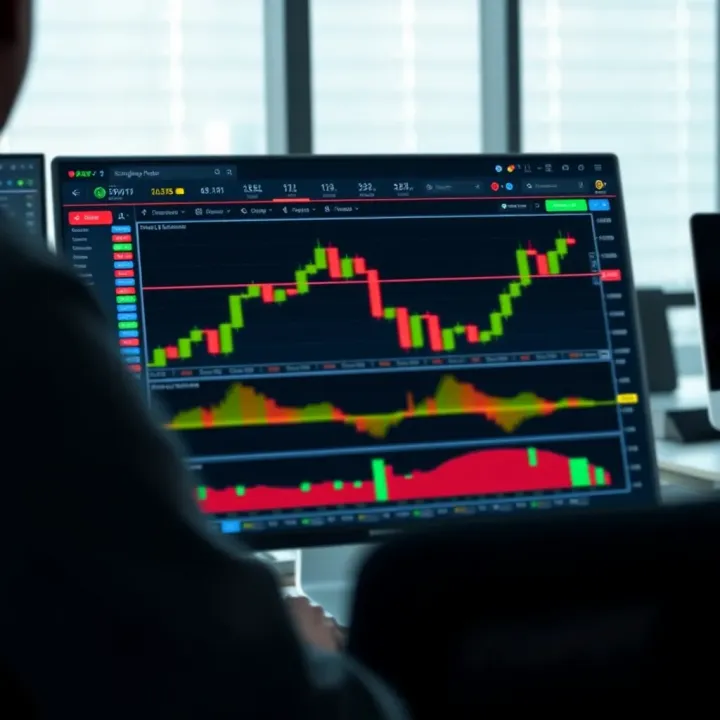
📊 New to forex trading in Nigeria? Discover how to pick the perfect beginner-friendly platform with tips on features, common mistakes, and top options.
🤖 Learn how AI shapes forex trading in Nigeria! Explore tech, risks, benefits, and legal tips to trade smarter with AI-driven tools.
Based on 6 reviews