
Top Forex Trading Strategies for Nigerian Traders
Discover effective forex trading strategies for Nigerian traders 🇳🇬. Learn risk management, key tools, and approaches to boost your trading success 📈.
Edited By
Liam Watson
Forex trading presents a viable avenue for Nigerians to generate income, but success depends heavily on strategy and discipline. With Nigeria’s unique economic conditions, including naira fluctuations, import dependencies, and regulatory challenges, traders must adopt approaches tailored to local realities.
Understanding the forex market basics is the first step. Forex trading involves buying and selling currency pairs, such as USD/NGN or EUR/USD, aiming to profit from exchange rate movements. Traders should grasp how global factors like Central Bank of Nigeria (CBN) policies, geopolitical tensions, and commodity prices influence currency values.
Selecting the right trading strategy hinges on your risk appetite and market knowledge. For instance, scalping suits traders who prefer short, quick trades leveraging small market movements, while swing trading involves holding positions over days based on broader market trends. Each approach demands different skill sets and attention levels.
Effective risk management and controlling emotions are as critical as picking strategies. Nigerian traders often face high market volatility and intermittent internet connectivity, making discipline vital.
Practical strategies also involve technical analysis tools like moving averages, RSI (Relative Strength Index), and Fibonacci retracement to time entries and exits accurately. On the other hand, fundamental analysis considers macroeconomic indicators such as inflation rates, interest rates, and trade balances, which affect currency strength over time.
When choosing brokers and trading platforms, reliability and local support count. Some platforms like FXTM, HotForex, and local fintech companies provide user-friendly interfaces, competitive spreads, and customer service tuned to Nigerians’ needs. Avoid unregulated brokers, as scams remain a common risk in Nigeria’s forex sector.
To improve your chances, keep track of Nigerian-specific economic news — for example, updates on naira's exchange rate policy or changes in petrol subsidy. Combine this with global forex news for a complete picture.
In summary, Nigerian traders should mix good market understanding, fitting strategies, sound risk management, and reliable trading infrastructure. This blend helps navigate Nigeria’s peculiar challenges while capturing forex profit opportunities.
Grasping the forex market landscape is essential for Nigerian traders aiming to make informed decisions. It's more than just buying and selling currencies; understanding the market’s structure, the key players, and how factors influence price moves can set you apart from the crowd. For instance, knowing when the forex market is most active allows you to catch the best trading opportunities, while being aware of currency pairs that relate closely to Nigeria can help manage risks better.
Forex trading involves exchanging one currency for another on the global foreign exchange market. It's the world’s largest financial market, with daily turnover exceeding $6 trillion. This immense size means there is always someone to trade with, which keeps the market highly liquid. For Nigerian traders, this means the market runs 24 hours, offering continuous chances to enter or exit trades depending on preferred trading times.
One practical relevance is understanding the scale since the vastness of the market influences pricing and volatility. Small local events rarely move global currency rates, but major economic news or policy changes can cause swift shifts. Knowing this equips you to manage your trades more effectively.
Currency pairs like USD/Naira (USD/NGN), EUR/USD, GBP/USD, and USD/JPY are central to Nigerian forex trading. The USD/NGN pair is especially significant because the naira’s value against the dollar impacts import costs, inflation, and purchasing power. For businesses that rely on imported goods or services, forex market moves directly influence pricing and profitability.
Besides USD/NGN, pairs like EUR/USD and GBP/USD attract traders because of their liquidity and tighter spreads. Although these pairs do not directly impact the Nigerian economy, they’re essential for diversifying your portfolio and seizing trading opportunities outside local factors.
Forex trading runs round the clock, following the trading hours of four main centres: Sydney, Tokyo, London, and New York. Liquidity peaks when these sessions overlap. For Nigerian traders in West Africa Time (WAT), the London-New York overlap (around 2 pm to 6 pm WAT) offers the highest liquidity and tighter spreads. This period often presents the best entry points with minimal slippage.
Trading during low liquidity times, such as the Asian session, might expose you to wider spreads and erratic price moves. Thus, timing your trades during active hours enhances execution and reduces costs.
Macroeconomic indicators like inflation rates, GDP growth, and unemployment figures influence currency values. For example, Nigeria’s inflation rate spikes usually pressure the naira downward. Traders who keep up with Nigeria’s Consumer Price Index (CPI) releases can anticipate possible volatility in USD/NGN pair, adjusting their trades accordingly.
Political events also have a strong impact. Elections, policy changes, or unrest can rattle market confidence. The 2023 presidential election year, for instance, caused jitters in the forex market, increasing the naira’s volatility as traders awaited policy continuity signals. Knowing the political calendar helps plan risk exposure.
Central bank policies, especially from the Central Bank of Nigeria (CBN), shape forex trends. CBN interventions to stabilise the naira, changes in benchmark interest rates, or adjustments to foreign exchange supply on the official market directly affect currency prices. Traders who track CBN monetary policy meetings and announcements find it easier to predict short-term market moves and safeguard their capital.
Understanding these core elements of the forex market landscape gives Nigerian traders practical tools to trade smarter. It’s not just about following price charts but knowing what drives those prices — the economic, political, and policy forces at work.
Effective forex trading starts with mastering this landscape. It shapes how you choose strategies, manage risks, and identify profitable trades tailored for Nigeria’s unique forex environment.
Selecting the right forex trading strategy is essential for success, especially in the Nigerian market where volatility and unique economic factors often come into play. A strategy that fits your personal circumstances, risk level, and time availability can greatly improve your chances of profitability. Without this alignment, even the most widely recommended strategies might fail, causing frustration and unnecessary losses.
Every trader has a different comfort level with risk, influenced by financial standing, experience, and personality. In Nigeria, where economic uncertainties like naira fluctuations and power supply disruptions can impact trading, knowing how much loss you can absorb without affecting your lifestyle is critical. For example, a trader reliant on the market for daily income needs to adopt a conservative risk tolerance unlike someone trading with savings.
By assessing your risk tolerance upfront, you avoid jumping into trades that cause emotional stress or lead to rash decisions. It also informs the size of your trades and stop-loss levels, helping you maintain control even in volatile markets.
Your trading horizon shapes the choice of strategy. Short-term traders aim for quick profits within hours or days, while long-term traders focus on trends developing over weeks or months. Short-term trading demands constant market monitoring and quick reactions, suitable for those who can dedicate significant time during market hours.
On the other hand, long-term trading suits Nigerians who juggle trading with other commitments or prefer less frequent market engagement. For instance, a Lagos-based professional might find position trading practical, letting them hold onto trades through price swings without daily intervention.

Scalping involves making multiple buy and sell decisions within minutes, capturing small price movements. Day trading also closes positions within a single day, avoiding overnight risks. Both strategies require quick decision-making and access to fast internet, which can be challenging in some parts of Nigeria.
However, for traders with reliable connectivity and time to monitor the market, these strategies can produce steady returns. For example, using low spreads on popular pairs like USD/NGN with platforms like MetaTrader could help maximise small but frequent gains.
Swing traders hold positions from a few days to a couple of weeks, aiming to profit from expected price ‘swings’. This offers a balanced approach between active trading and long-term holding, suitable for those who can follow the market intermittently but don’t want to react every hour.
In Nigeria, where news and events can shift the market quickly, swing trading allows you to take advantage of these changes without being glued to a screen. For instance, reacting to CBN policy announcements could provide swing trades opportunities in pairs involving the naira.
Position trading means holding trades for weeks or months based on fundamental analysis or major trends. It requires patience and a good understanding of broader market forces.
This strategy is useful for Nigerian traders looking to avoid the noise of daily price fluctuations and focus on economic indicators like inflation, GDP growth, or geopolitical developments. For example, a trader might hold a position on EUR/USD if expecting a shift due to European Central Bank decisions while ignoring short-term moves.
Choosing a forex strategy that fits your risk appetite and lifestyle in Nigeria's unique market environment is key to trading success. It keeps you focused, minimises stress, and helps you trade smartly rather than react impulsively.
In summary, understanding your risk tolerance and aligning it with your goals guides you towards the most practical strategy, whether scalping, swing trading, or position trading. Each has merits, so pick what suits you and stick with proper discipline to improve your forex journey.
Successful forex trading in Nigeria requires a solid grasp of both technical and fundamental analysis. These approaches offer complementary insights, helping traders make informed decisions about when to enter or exit the market. Technical analysis focuses on price movements and patterns, while fundamental analysis assesses economic and political factors affecting currency values.
Chart patterns like head and shoulders, double tops and bottoms, and triangles provide traders with visual cues about potential price direction. For instance, a double bottom on the USD/NGN pair might suggest a reversal from a downtrend, signalling a buying opportunity. Indicators such as Bollinger Bands and MACD help confirm these patterns by measuring volatility and momentum. In Nigeria’s volatile forex market, recognising these signals early can help traders avoid losses or capitalise on quick price changes.
Moving averages smooth out price data to identify trends over time. The 50-day and 200-day moving averages, for example, can display bullish or bearish market sentiment for popular currency pairs like EUR/USD or GBP/USD. RSI (Relative Strength Index) gauges whether a currency is overbought or oversold. An RSI above 70 often warns that a currency may soon dip, whereas below 30 suggests a potential price rise. These tools help traders in Nigeria spot entry or exit points instead of relying on guesswork, especially amid market noise.
Support and resistance are price levels where currencies repeatedly stop falling or rising. They act like invisible barriers. For example, the USD/NGN rate might find support around ₦460, meaning buyers tend to enter at that price, preventing further drops. Resistance could appear at ₦470, where sellers emerge, capping upward moves. Recognising these levels helps traders set realistic stop-loss or take-profit orders, minimising risk in Nigeria’s often unpredictable forex environment.
Economic reports such as Nigeria’s inflation rate, GDP growth, or unemployment figures can shift forex rates. When the National Bureau of Statistics releases a surprising inflation figure, it can prompt the Central Bank of Nigeria (CBN) to adjust monetary policies, impacting the naira’s strength. Following such data releases allows traders to anticipate volatility and plan trades accordingly.
CBN interventions, like setting exchange rate policies or adjusting interest rates, have direct effects on pairs involving the naira. For instance, a sudden tightening of foreign exchange controls can limit supply and boost naira value temporarily. Knowing how such policies shape demand and supply enables traders to position themselves profitably rather than being caught off-guard.
Events from elections, security challenges, to international trade agreements can drive currency fluctuations. In 2019, Nigeria’s general elections raised uncertainty in forex markets, leading to short-term naira volatility. Traders who monitor such developments can avoid risks or exploit swings by adjusting their strategies timely.
Combining technical patterns with fundamental insights forms a balanced approach, giving Nigerian forex traders the edge needed to navigate this challenging market confidently.
Managing risk and psychology is often the difference between traders who succeed consistently and those who burn out quickly. In Nigeria’s forex market, where volatility is coupled with unique challenges like naira instability and power outages, controlling risk and emotions is even more essential. Smart risk management protects your capital from sudden moves, while strong discipline helps you stick to your plan under pressure.
Stop-loss and take-profit orders are vital tools that limit losses and lock in gains automatically. For example, if you buy USD/NGN at ₦500 and set a stop-loss at ₦490, your position closes if the naira strengthens beyond that point, protecting ₦10 loss per unit. Meanwhile, setting a take-profit at ₦520 ensures you cash out once your target is reached, avoiding the temptation to wait too long and risk reversal. Many traders neglect this, but strict adherence keeps losses manageable and helps prevent emotional decisions when prices swing.
Determining how much to risk per trade is crucial for long-term survival. The general advice is to risk no more than 1–2% of your total trading capital on a single trade. So, with ₦500,000, a loss of ₦5,000 to ₦10,000 should be your upper limit per position. This prevents one bad trade from wiping out your account. By calculating position size according to stop-loss distance and risk per trade, you align your exposure with your tolerance. For instance, if your stop-loss needs to be 100 pips away, make sure your lot size reflects that risk.
Putting all your funds into one currency pair or strategy is risky, especially in a market influenced by political and economic shifts. Diversifying across pairs like USD/NGN, EUR/USD, and GBP/USD can spread risk. You might also diversify with different timeframes or strategies, such as combining swing trades with occasional scalping. This reduces the impact of a single event affecting all your trades at once. For Nigerian traders, who face currency controls and market interruptions, spreading trades wisely can be a lifesaver.
Emotions can wreck a trader’s edge. Greed often pushes traders to ignore stop-losses, hoping for bigger profits, while fear can cause premature selling. Overtrading—taking too many positions to chase losses—is another trap. A Nigerian trader might feel pressured during ember months when expenses rise, leading to risky attempts to recover losses quickly. Recognising these patterns early helps you step back and make rational decisions.
Successful traders develop routines that stabilise behaviour. This could be analysing markets at set times, preparing your watchlist every morning, or reviewing global economic news relevant to CBN policies. Consistency reduces impulsiveness and builds confidence. For example, logging in to check charts only at planned intervals can stop you from fiddling with your phone during a danfo ride, avoiding rash moves.
Recording your trades daily is a powerful discipline tool. Journals detail entries, exits, reasons for trades, and emotional state. Over time, this reveals strengths and weaknesses. For instance, you might notice losing trades cluster around news days when you failed to adjust risk. With this insight, you improve your strategy and emotional control. Many Nigerian traders find journaling especially useful amidst challenging market conditions and public holidays affecting volumes.
Practising sound risk management and self-discipline safeguards your capital and keeps you psychologically ready to handle the ups and downs of forex trading. Both are pillars that support a sustainable trading career in Nigeria’s dynamic market environment.
Choosing a reliable broker and trading platform is vital for Nigerian forex traders who want to operate safely and efficiently. It’s not just about ease of access; the right choice directly impacts your trading costs, security of funds, and overall experience. Local market challenges such as naira volatility, payment restrictions, and regulatory dynamics make it even more essential to pick brokers and tools that understand the Nigerian context.
When selecting a broker, prioritise those regulated by reputable authorities such as the Securities and Exchange Commission (SEC) Nigeria, the Financial Conduct Authority (FCA) UK, or similar bodies. Regulation ensures the broker adheres to strict standards that protect your funds and offer recourse if disputes arise. Many Nigerian traders have fallen victim to unregulated offshore brokers who operate without checks, leading to loss of deposits.
Security extends beyond licensing. Look for brokers that offer segregated client accounts, ensuring your money is kept apart from the broker’s operating funds. Some brokers also provide two-factor authentication (2FA) to protect accounts from unauthorised access. For instance, GTBank Forex Plus offers enhanced security features tailored to Nigerian traders.
Trading costs vary widely among brokers and can eat into profits if not carefully considered. Spreads refer to the difference between buying and selling prices; tight spreads reduce cost, especially if you trade frequently like a scalper or day trader. Nigerian traders often trade major pairs like USD/NGN or EUR/USD where spreads can fluctuate considerably.
Leverage magnifies trade sizes but also risk. While brokers might advertise high leverage ratios such as 1:500, it's safer to use moderate leverage (e.g., 1:50 or 1:100) to manage downside. Be wary of brokers charging hidden fees or commissions; transparent fee structures save you surprises during withdrawals or order execution.
A broker that supports deposit and withdrawal in naira simplifies fund management for Nigerian traders. Multiple payment options such as local bank transfers, USSD codes, or popular fintech wallets like OPay or PalmPay reduce conversion hassles and delay.
Also, check the withdrawal turnaround time. Some brokers delay fund access, causing frustration precisely when cash flow matters most. For example, brokers partnered with local payment processors offer quicker naira transactions and often avoid heavy foreign exchange fees, which is a practical advantage amid naira volatility.
MetaTrader 4 (MT4) remains the favourite among Nigerian forex traders for its user-friendly interface, charting tools, and a wide array of custom indicators. MT5, its successor, offers additional features like more timeframes, advanced order types, and an economic calendar. Many brokers including local ones support both platforms, letting you choose what fits your trading style.
MT4 and MT5 run seamlessly on desktop and mobile, catering to on-the-go traders in cities like Lagos and Abuja. Automated trading through Expert Advisors (EAs) on these platforms appeals to Nigerians seeking to blend manual and algorithmic approaches.
Given Nigeria's high mobile internet use, a reliable mobile trading app is a must. Platforms like MetaTrader’s mobile app, and apps from GTBank Forex Plus or Olymp Trade Nigeria, provide smooth interfaces optimised for less stable connections common in many Nigerian locations.
These apps often feature push notifications for price alerts and instant news updates, so traders can react fast without being glued to their computers. Data efficiency and offline capabilities are plus points for many Nigerian users dealing with fluctuations in network quality.
Third-party tools like TradingView offer advanced charting and social trading networks that Nigerian traders can tap into. Signal services provide trade ideas and entry points based on market analysis; however, quality varies widely.
It’s essential to test such services with demo accounts first and not rely blindly on signals. Many Nigerian communities on Telegram offer real-time trading signals and insights, but always vet the source and combine signals with your own analysis for best results.
Selecting the right broker and platform can protect you from scams, reduce costs, and improve your trading performance — all critical in Nigeria’s challenging forex environment.
In summary, Nigerian forex traders should prioritise regulated, secure brokers who offer transparent fees and support naira transactions. Pairing these with powerful, accessible platforms like MT4/5 and mobile apps suited to Nigeria’s internet landscape maximises trading opportunities and safety.
Discover effective forex trading strategies for Nigerian traders 🇳🇬. Learn risk management, key tools, and approaches to boost your trading success 📈.
📈 Master forex trading in Nigeria with strategies on analysis, risk control, psychology & planning to boost consistency and informed decisions.
📈 Discover the best times for forex trading in Nigeria by understanding global sessions, key currency pair activities, and strategies to manage risks effectively.
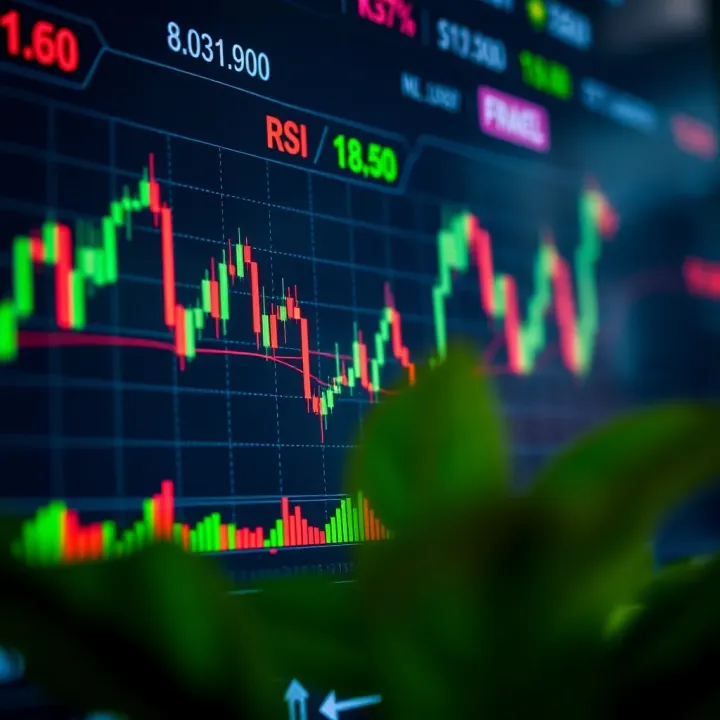
Discover top forex trading indicators 📊 tailored for Nigerian traders 🇳🇬. Learn how to combine tools for smarter, more accurate trading decisions!
Based on 12 reviews