
Top Forex Trading Strategies for Nigerian Traders
Discover effective forex trading strategies for Nigerian traders 🇳🇬. Learn risk management, key tools, and approaches to boost your trading success 📈.
Edited By
Amelia Rockford
Understanding when to trade forex is just as important as knowing what to trade. The global currency market operates 24 hours a day, but not all hours offer the same opportunities. Traders, especially in Nigeria, need to grasp forex trading times to make informed decisions that can enhance their chances of profit.
The forex market is split into major sessions based on geographic location and trading hubs: the Asian session (Tokyo), the European session (London), and the North American session (New York). Each session opens and closes during different times of the day, based on local time zones, which directly impacts market activity levels.
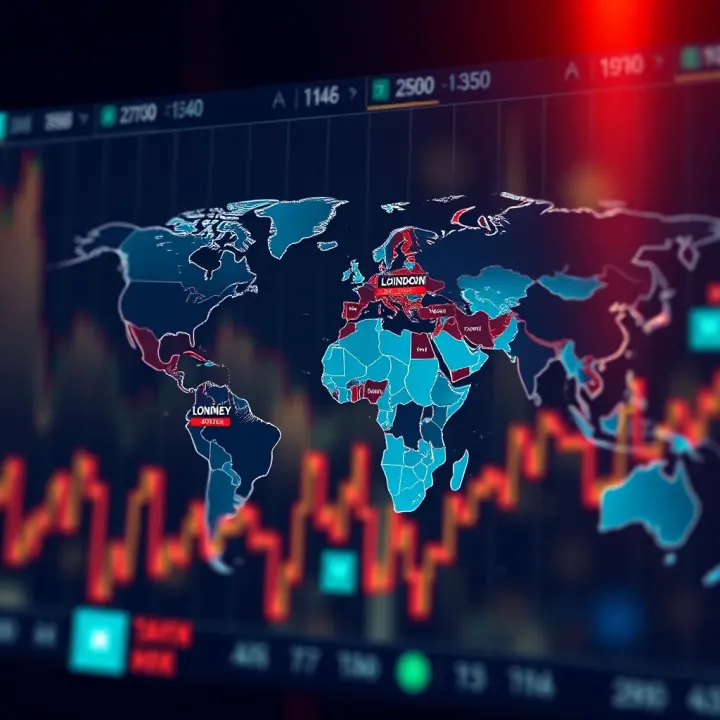
Liquidity and volatility fluctuate depending on the active session. For instance, the London session often sees a surge in trading volume due to its overlap with the New York session, creating wide price swings and better chances for traders to enter or exit positions. Conversely, during off-peak hours such as late night in Nigeria when both London and New York markets close, the market tends to be quieter with reduced volatility.
Forex trading success hinges on understanding these time frames, as timing trades incorrectly can lead to missed opportunities or higher risk exposure.
For Nigerian traders, awareness of the local time differences to these global hubs is crucial. For example, London is typically one hour ahead of Nigerian time, while New York can be five or six hours behind, depending on daylight savings adjustments. Planning trades around these overlaps, especially the London-New York window from about 2 pm to 6 pm Nigerian time, can improve liquidity and reduce spreads, making trading more cost-effective.
Moreover, the nature of currency pairs changes with the sessions. The yen pairs are lively during the Asian session, euro and pound pairs during London, and dollar pairs during New York. Choosing to focus on pairs active during certain sessions matches well with trader strategies, whether scalping small profits or holding positions longer.
In summary, understanding forex trading times is essential for Nigerian traders aiming to make the most of market movements. Knowing which sessions are active, the expected liquidity, and volatility patterns can guide better timing for entry and exit in the forex market, ultimately supporting more successful trades with ₦.
Understanding forex market trading hours is essential for any trader aiming to navigate currency markets effectively. Since forex markets operate 24 hours a day, knowing when specific sessions begin and end helps traders optimise their strategies and manage risk. For Nigerian traders, this knowledge is especially useful to align trading activities with local time, internet stability, and personal schedules.
The forex market is unique because it operates continuously from 5 pm Sunday in New York until 5 pm Friday, allowing trading any time across different time zones. It’s a global desktop market without a central physical location. For example, while Nigerian traders sleep, the Asian market is already active, and as they wake, European markets open. This continuous operation eliminates downtime found in other financial markets and offers flexibility for different trader profiles.
Unlike traditional stock exchanges that close overnight and on weekends, the forex market’s nonstop nature means currency pairs can respond instantly to global events, making timing crucial. This feature allows traders in Lagos to capture market moves that result from economic developments in faraway places like Tokyo during Nigerian night hours.
Key currencies like the US dollar (USD), Euro (EUR), British pound (GBP), and Japanese yen (JPY) dominate forex trading. Each is linked to different time zones, influencing when they are most actively traded. For instance, the USD is most active during the New York session, which could overlap with the London session, creating high liquidity periods. Nigerian traders should note that trading volumes and volatility vary with these time zones, affecting spreads and price movements.
Trading sessions are periods when specific financial centres are open, driving market activity. These sessions mark when liquidity surges and volatility spikes, shaping the best times to trade. For example, a trader might prefer to trade during high liquidity to reduce the cost of spreads or during volatile sessions to capture bigger price swings.
There are four major trading sessions: Sydney, Tokyo, London, and New York. Each session reflects the business hours of its respective financial centre. The Sydney session kicks off the trading week, usually quiet but signaling market readiness. The Tokyo session brings in Asian currencies and establishes trends. London is known for its high liquidity and volatility, often setting the pace for the day, while New York closely follows, overlapping with London to create peak activity.
Overlaps between sessions, especially London-New York, often lead to the most significant trading opportunities due to increased liquidity and tighter spreads. Nigerian traders who understand these overlaps can plan trades to benefit from sharp market movements and avoid low liquidity times that increase trading costs.
In sum, mastering forex market trading hours helps Nigerian traders identify when the market is most lively or quiet, tailor their strategies to market rhythms, and ultimately improve trading results.
Understanding the main forex trading sessions in Nigerian local time (West Africa Time, WAT) helps traders plan their strategies more effectively. Since the forex market is global, operating across various time zones, knowing exactly when each major session starts and ends in Nigeria is essential for catching the best liquidity and volatility. This awareness can prevent trading during sluggish hours, which often leads to poor price movement and wider spreads.
Session hours in WAT: The Sydney session begins at 8:00 pm and runs until 5:00 am WAT. This session marks the start of the forex trading day and sets the tone for the Asian market.
Typical market behaviour: Market activity during the Sydney session is generally quieter compared to others, partly because it overlaps less with major financial centres. Volatility tends to be low, which means prices move slowly—useful for traders who prefer stable conditions or want to avoid sharp fluctuations.
Currency pairs affected: This session mainly influences currency pairs involving the Australian dollar (AUD) and New Zealand dollar (NZD) such as AUD/USD and NZD/USD. Movements in these currencies often reflect economic releases and news from the Asia-Pacific region.
Nigerian local time for Tokyo session: The Tokyo session runs from 12:00 am to 9:00 am WAT, overlapping with the tail end of the Sydney session.
Key currencies and market trends: The session primarily affects the Japanese yen (JPY) pairs like USD/JPY and EUR/JPY. The market often reacts to announcements from Japan and other Asian countries, which can cause steady trends or range-bound movement depending on economic data.
Opportunities and risks during this session: The Tokyo session usually has moderate volatility, offering opportunities for traders focusing on Asian currencies. Still, liquidity can be lower outside the overlap with the London session, increasing the risk of wider spreads and slippage.
Time span in West Africa Time (WAT): The London session runs from 8:00 am to 5:00 pm WAT, coinciding with Nigeria’s normal business hours.
Liquidity and volatility features: This session offers the highest liquidity due to overlapping with European financial markets. High trading volume and increased volatility allow traders to exploit significant price movements, making this session attractive for scalpers and day traders.
Impact on GBP, EUR and other pairs: Currency pairs involving the British pound (GBP), euro (EUR), and Swiss franc (CHF) see the heaviest action. News from the UK and Europe is closely watched, causing rapid price swings that require quick decisions.
Trading hours in Nigeria: The New York session runs from 1:00 pm to 10:00 pm WAT, overlapping with the London session for about four hours.
Overlap with London session: This overlap between 1:00 pm and 5:00 pm WAT is the most liquid and volatile period in the forex market. Traders often find the best opportunities during this time as market participants from both Europe and the US engage actively.
Common trading strategies: Many Nigerian traders use this period for breakout or momentum strategies due to sharp price movements. However, the increased risk of fakeouts and rapid reversals means traders must manage their risks carefully.
Knowing the exact timing and characteristics of each session in Nigerian time allows traders to align their activities with market peaks, improving chances of profitable trades while avoiding traps caused by low liquidity and sudden volatility shifts.
Understanding Forex trading times is not just about knowing when the market opens or closes; it shapes your whole strategy as a Nigerian trader. Since the Forex market operates across different global sessions, recognising these timings helps you tap into the most liquid and volatile periods, which can greatly affect potential profits or losses.
Liquidity peaks occur when the number of active participants in the market is high, ensuring there is enough volume to execute trades at stable prices. The London session combined with the New York session overlap is a classic example where liquidity surges significantly. For a Nigerian trader, this means tighter spreads and easier trade execution during these times, particularly when trading pairs like USD/NGN or GBP/USD.
Volatility tends to spike during specific hours of the day, especially when major economic news gets released or when market sessions overlap. For instance, price swings can be pronounced around 2 pm to 4 pm WAT, which corresponds with New York’s opening. While volatility offers profit opportunities, it also demands strict risk management to avoid slipping into losses due to unpredictable price movements.
Spreads and slippage are closely tied to liquidity and volatility. During low liquidity periods, like the early Asian session in Nigerian time, spreads widen and slippage may increase, making it costly to enter or exit trades. A Nigerian trader who ignores these periods might pay extra in trading fees or suffer delayed trade execution, hurting overall profitability.
Power outages and poor internet connectivity remain challenges in Nigeria, influencing the best hours for trading. Typically, late mornings and early afternoons offer more stable electricity and network connections. Trading during these hours reduces the risk of sudden disconnections that could disrupt your positions.
Moreover, most Nigerians balance trading with work, family, or school commitments. Choosing trading hours that fit personal schedules avoids missed opportunities and unnecessary stress. For example, focusing on the London session during the late morning and the New York session in the afternoon aligns nicely for part-time traders in Nigeria.
The ember months (September to December) and festive seasons bring their own complexities. Increased economic activity and market fluctuations often coincide with higher spending patterns and sometimes unstable power supply. Nigerian traders should plan ahead, perhaps lowering position sizes or trading less actively during these times to manage risks effectively.
Timing your trades isn't just fancy advice; it directly affects your costs, opportunities, and risks. For Nigerian traders, matching the Forex market hours with local realities like power supply and work schedules can improve outcomes considerably.
In summary, understanding how trading times impact liquidity, volatility, and practical daily factors helps Nigerian traders craft smarter, more realistic strategies for success in the Forex market.
Choosing the right time to trade forex can significantly affect your results, especially in Nigeria where local conditions like power and internet stability come into play. Knowing when to position yourself in the market improves your chances of benefiting from higher liquidity and volatility, while avoiding periods when spreads widen and slippage increases. This section outlines practical guidance tailored to Nigerian traders aiming to fine-tune their strategies around global trading sessions.
Scalping in high volatility periods requires quick decisions within fast-moving markets. Scalpers benefit most during times when the market is active, such as the London and New York sessions or when their overlap occurs. For example, the London-New York overlap tends to create price swings that scalpers can exploit in currency pairs like GBP/USD and EUR/USD. However, these sessions demand sharp concentration and fast internet connections, which may be a challenge during frequent power outages in Nigeria. Scalpers should therefore plan their trading during stable electricity and network access.
Swing trading during stable times involves holding positions for several hours to days, ideally in periods of moderate volatility that avoid excessive noise. The Tokyo and Sydney sessions often provide this more predictable environment, especially for pairs involving the Japanese Yen or Australian Dollar. This approach suits Nigerian traders who cannot be glued to their screens all day and prefer less frantic markets that allow analysis and adjustment over time.
Long-term trading and session considerations focus less on intraday fluctuations and more on fundamental trends. Long-term traders can afford to trade across sessions but should pay attention to major market openings as they may shift sentiment. For instance, a trader holding a EUR/USD position would keep tabs on the London and New York sessions but won’t change positions every hour. This flexibility is useful in Nigeria, where daily routines and occasional power issues can disrupt short-term trading.
London-New York overlap benefits stand out as the most liquid and volatile period, typically between 2 pm and 5 pm Nigerian time (WAT). Traders here have access to tight spreads and major price movements, increasing profit potential. For example, forex brokers often show narrower bid-ask spreads during this overlap, making it perfect for active traders.
Handling increased market activity during overlaps requires discipline. Although the market buzz offers opportunities, it also brings more noise and potential whipsaws. Nigerian traders should avoid overtrading and stick to well-planned entries and exits to prevent being caught in sudden reversals.
Risk considerations during overlaps are crucial because volatility spikes can amplify losses if unmanaged. Traders should use stop-loss orders diligently and avoid excessive leverage. Understanding these risk factors helps Nigerian traders protect their ₦ capital, especially given the naira's sensitivity to global economic shocks.
Forex trading time converters and apps are invaluable in tracking session openings and closings across global time zones. Apps like ForexTime or MetaTrader plugins help Nigerian traders set their schedules without confusion, especially as daylight saving changes abroad shift session hours.
Broker platforms showing session times often include visual aids such as trading session timers or heatmaps highlighting active markets. These features help traders anticipate when major sessions start and finish, simplifying decision-making during the hectic ember months or festive seasons.
Setting alerts for session openings and closings through apps or broker notifications ensures traders never miss key market windows. For Nigerian traders balancing jobs or studies, these reminders can prompt timely market engagement, improving trade timing and discipline.
Aligning your trading approach with both global market sessions and local Nigerian realities like power and internet stability can make all the difference. Practical timing combined with useful tools puts you a step ahead in the forex market.
By integrating these practical tips, Nigerian traders can enhance their strategies, manage risks better, and capitalise on forex market rhythms effectively.
Trading forex at the wrong times can seriously hamper your chances of success. Nigerian traders often overlook how crucial the choice of trading hours is, especially given the dynamic nature of the global forex market and Nigeria’s unique connectivity and lifestyle challenges. Understanding these common pitfalls will help you avoid unnecessary losses and improve your strategy.
Trading when market liquidity is low often leads to poor execution quality. Thin markets occur when fewer participants are active, typically during session gaps such as late New York into early Sydney. This makes it harder to enter or exit trades at desirable prices, sometimes resulting in missed opportunities or being stuck with unwanted positions.
Low liquidity phases also cause increased spreads and slippage, meaning the difference between buying and selling prices widens, and orders may execute away from the expected price. For instance, if you place a buy order for EUR/USD in the early hours of the Sydney session, you might notice spreads tripling compared to peak London-New York overlap. This eats into potential profits and complicates risk management.
Poor timing examples include trying to scalp during the quiet periods around 11 pm to 2 am WAT when most major markets are closed or just opening. Nigerian traders sometimes attempt trades during these hours without realising the market isn’t brisk, leading to unfavourable fills and frustrating false breakouts.
Session overlaps, such as when London and New York markets are both open, offer heightened liquidity and volatility—prime conditions for trading. Ignoring these overlaps means missing out on prime trading windows when most price movements happen and spreads tighten. For example, a trader sticking only to the Tokyo session misses opportunities during the London-New York overlap, often the most profitable.
However, risk of overtrading becomes real during overlaps. The temptation to jump on every price swing can lead to excessive trades and burnout. Nigerian traders sometimes overcommit during these active periods, chasing quick wins but ending up with poor decision-making.
Balancing activity with strategy means knowing when to be aggressive and when to step back. A good approach is to plan trades around the overlaps but avoid impulsive entries. For instance, combine technical setups with news calendars before trading heavily during London-New York overlap to reduce risk.
Mastering when to trade, especially avoiding low liquidity times and leveraging session overlaps wisely, can dramatically improve your forex outcomes. It’s not just about market knowledge but also timing and discipline.
By avoiding these common mistakes, Nigerian traders can protect their capital, reduce unnecessary costs, and position themselves to seize better trading chances. Keep your eyes on the clock as much as the chart; timing is a trade’s secret weapon.
Adapting trading times to shifting market conditions is vital for anyone serious about forex trading. The market doesn’t run on a fixed clock alone; external factors like daylight savings and economic events can shift volatility and liquidity patterns. Nigerian traders who learn to adjust accordingly can protect their capital and tap into fresh trading opportunities.
Daylight savings shifts, common in countries like the UK and the US, affect forex trading hours by altering the time difference relative to Nigeria's West Africa Time (WAT). For instance, when the UK moves clocks forward by one hour in March, the London session starts earlier for Nigerian traders by an hour. This shift affects the overlap between major sessions and changes peak trading times.
Updating your trading schedule to reflect these shifts means noting when these changes happen and adjusting your active trading hours accordingly. A trader working 9 am–5 pm local time in Nigeria may find the London-New York overlap now beginning at 2 pm instead of 3 pm WAT. Failing to update your schedule may cause you to miss periods of high liquidity or exposure to unexpected volatility.
For Nigerian traders, these changes can be inconvenient but manageable. Since Nigeria does not observe daylight savings, the time difference with European or North American forex sessions fluctuates, meaning your usual trading windows shift several times a year. Planning around these adjustments ensures you trade during active market phases and avoid thin liquidity periods.
Keeping track of important economic dates—such as Central Bank of Nigeria (CBN) meetings, US Federal Reserve announcements, or Eurozone GDP releases—is crucial. Economic calendars published by financial news platforms help you mark these events, which often cause sudden price swings and volatility in key currency pairs.
Deciding when to engage or step back from the market during these events can protect your capital. If an event is likely to cause wild price swings, conservative traders may choose to avoid trading altogether or use tighter risk management strategies. More experienced traders might seize these periods as chances for quick profits but should be prepared for extreme fluctuations.
When dealing with news-driven volatility, strategies like placing stop-loss orders, reducing position size, or trading less leveraged products can help manage risk. For example, during the Nigerian inflation report release, the naira might experience sudden volatility, so many traders opt to close vulnerable positions ahead of the report and reopen after market stabilisation.
Adjusting your trading times and approach based on seasonal shifts and economic events protects you from unexpected losses and positions you to take advantage of fresh trading opportunities that open up with changing market conditions.
By integrating these adjustments into your routine, you stay in tune with global forex markets and enhance your chances of sustained success.
Discover effective forex trading strategies for Nigerian traders 🇳🇬. Learn risk management, key tools, and approaches to boost your trading success 📈.

📈 Discover the best times for forex trading in Nigeria by understanding global sessions, key currency pair activities, and strategies to manage risks effectively.
📈 Master forex trading in Nigeria with strategies on analysis, risk control, psychology & planning to boost consistency and informed decisions.
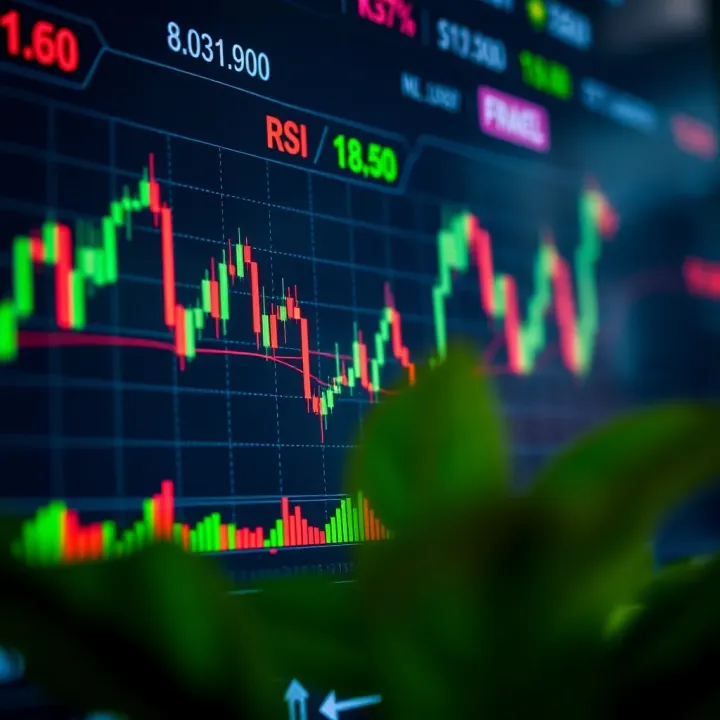
Discover top forex trading indicators 📊 tailored for Nigerian traders 🇳🇬. Learn how to combine tools for smarter, more accurate trading decisions!
Based on 13 reviews