
Top Forex Trading Strategies for Nigerian Traders
Discover effective forex trading strategies for Nigerian traders 🇳🇬. Learn risk management, key tools, and approaches to boost your trading success 📈.
Edited By
Lucas Green
Forex trading offers numerous opportunities for investors in Nigeria, but more traders now seek to align their investments with Islamic principles. Halal forex trading refers to the practice of trading currencies in a way that complies with Shariah law, avoiding activities forbidden in Islam such as riba (interest) and excessive uncertainty (gharar). Nigerian investors aiming to trade forex ethically must understand these rules to prevent unintentional breaches of religious guidelines.
In Nigeria, a growing number of traders want to profit from forex without violating Islamic tenets, especially because interest-based transactions and overnight interest charges are common in conventional forex trading platforms. Halal forex trading circumvents this by using accounts and brokers that eliminate or replace interest components with permissible alternatives.
For Nigerian Muslims, engaging in halal forex trading not only reflects financial prudence but also spiritual integrity, ensuring their investments bring no conflict with religious obligations.
Prohibition of riba: Conventional forex accounts often charge or pay interest on overnight positions, which is considered riba and thus forbidden.
Avoidance of gharar: Excessive uncertainty or speculation is discouraged, so trading must not resemble gambling or unjust risk-taking.
Ethical engagement: Halal forex promotes fairness, transparency, and avoids markets or assets involving prohibited industries.
Choose brokers offering Islamic or swap-free accounts that do not charge overnight interest fees.
Avoid trading in currencies or pairs associated with unethical industries.
Keep transactions transparent and based on real currency flows to prevent speculative abuse.
Platforms like FXTM, Alpari, and XM provide halal trading options suited to Nigerian clients. They enable traders to access the global forex market while staying within Shariah frameworks.
These principles help Nigerian traders profit during volatile market moves without conflicting with their beliefs. Plus, they encourage discipline and sound risk management—a win-win for both faith and finances.
In subsequent sections, we will examine these principles in depth, review halal brokers available in Nigeria, outline challenges faced, and share practical tips for Nigerian investors venturing into halal forex trading.
Halal forex trading refers to foreign exchange transactions carried out in a manner consistent with Islamic law, or Shariah. For Nigerian traders and investors, understanding halal trading is essential because it ensures their activities align with faith principles while still allowing participation in global markets. Halal trading avoids forbidden practices such as interest (riba) and excessive uncertainty (gharar). This helps sustain ethical investment and avoids spiritual conflicts that may arise from conventional forex dealings.
Halal versus haram in finance distinguishes what Islam permits and forbids. Halal finances uphold fairness, transparency, and avoid exploitative elements. For example, interest income from loans or investments is haram, as it leads to unjust enrichment. On the other hand, profits from genuine trade or service are halal. In the forex context, halal trading means buying and selling currencies without involving interest, excessive speculation, or ambiguous contracts.
Forex trading can fit into Islamic economic principles if structured correctly. It requires clarity in contracts, immediate exchange of assets, and absence of interest charges. For instance, if a trader in Lagos exchanges US dollars for Nigerian naira and settles the transaction right away, without hidden fees or leverage interest, that trade may be halal. This respects the Islamic value of honest trade and economic justice.
Riba is any form of guaranteed interest on loaned money and is strictly prohibited. Since many conventional forex accounts charge or earn swap interest daily for holding positions overnight, such fees make the trade non-compliant. Halal forex accounts remove this swap interest, eliminating interest-based gain or loss. This allows traders to participate in forex markets without breaching riba rules.
Islam forbids transactions involving excessive uncertainty or gambling-like behaviour. In forex, this means avoiding highly speculative trades with unpredictable or risky contracts. For example, scalping or betting on rapid price swings resembles gambling and is discouraged. Halal trading encourages informed decisions based on analysis, not chance. Traders should steer clear of bets that look more like casino chips than calculated investments.
A key Shariah requirement is that forex transactions must be settled promptly, usually instantly or within the same trading session. This prevents delayed exchanges that could incur interest or uncertainty. For example, a spot trade where currency A is swapped immediately for currency B complies, whereas futures or forward contracts settled later may not. Immediate settlement provides certainty and aligns with the Islamic ideal of transparency in trade.
Clear rules on interest, uncertainty, and transaction timing create a solid foundation for ethical forex trading. For Nigerian Muslims, this means they can engage in forex with peace of mind, knowing their trades meet Islamic principles.
In summary, halal forex trading carefully navigates religious guidelines to enable participation in currency markets without compromising faith. For practitioners in Nigeria, understanding these principles is the first step toward responsible and compliant forex investment.
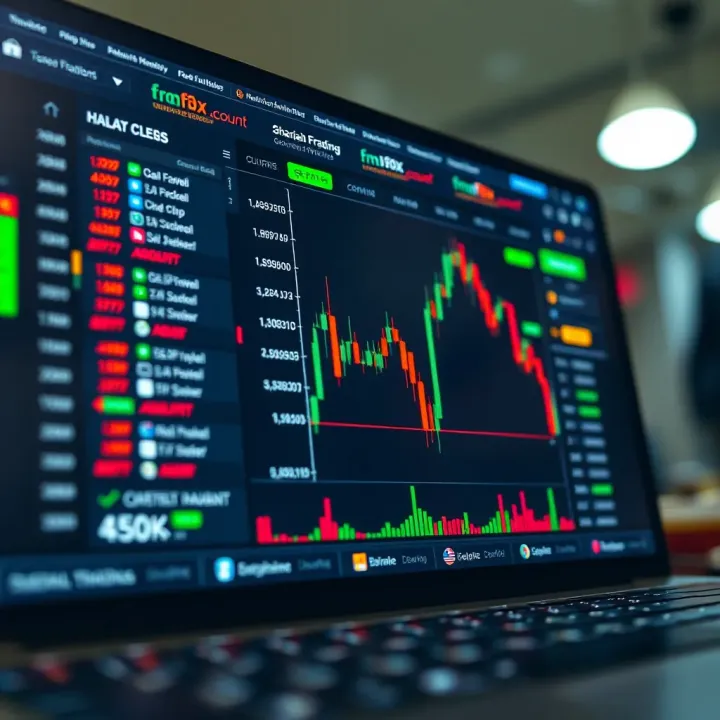
Halal forex accounts operate on the core principle of following Islamic finance rules, mainly avoiding interest (riba) and excessive uncertainty (gharar). This makes these accounts suitable for Muslim traders who want to engage in forex trading without violating Shariah law. Understanding how these accounts work helps Nigerian traders identify the right platforms and avoid pitfalls related to conventional forex accounts that typically charge interest or involve high leverage.
Conventional forex accounts charge swap or rollover fees when a position is held overnight. This fee often involves interest, which is not permissible in Islam. Halal forex accounts are designed to eliminate these charges, ensuring traders don’t accidentally pay or earn interest. For example, a trader holding a USD/NGN position overnight in a halal account won’t see any interest debits or credits, making the transaction Shariah-compliant.
Many forex brokers offer leverage, allowing traders to control larger positions with small capital. However, leverage often comes with interest payments on borrowed funds. Halal forex accounts avoid interest-based leverage by providing alternative structures or zero-interest financing. This means Nigerian traders engaging with halal accounts can leverage their trades without incurring forbidden interest costs. It requires careful broker selection since some brokers claim halal status but still charge hidden interest.
Halal accounts ensure clear disclosure of all charges. Common fees include fixed commissions or spreads, but these are explicitly outlined to avoid unfairness. Nigerian traders benefit from this transparency by knowing exactly how much they pay per trade, avoiding surprises from hidden costs. Transparency builds trust and aligns with Islamic principles of fairness, ensuring the broker-client relationship remains honest.
To confirm if a broker’s halal forex account is truly Shariah-compliant, traders should check for certification from reputable Islamic finance authorities or advisory boards. Many brokers have a dedicated Shariah board that audits offerings. Nigerians can look for explicit statements about swap-free accounts and zero-interest leverage, and request documentation if necessary. Forums and reviews from Muslim traders across Nigeria also offer practical insight into broker reliability.
Several established brokers serve Nigerian Muslim traders with halal forex options. For instance, firms like XM and FBS offer accounts that waive swap fees and provide transparent pricing structures. These brokers operate globally and support Nigerian customers with local payment methods, making fund transfers easier. While choosing, traders should assess their platform’s regulation status as well, focusing on those registered with entities like the Nigerian SEC and Central Bank for added security.
Choosing the right halal forex account involves more than just fee structure; it means trusting brokers that uphold Islamic principles consistently, ensuring your trading journey stays both profitable and compliant.
Trading forex in line with Islamic principles presents unique challenges and risks that traders must carefully navigate. Understanding these issues helps Muslim traders avoid unintentional breaches of Shariah law while managing realistic market risks. From hidden interest charges to the volatile nature of forex markets, these factors affect not only compliance but also the practical viability of halal trading.
The forex market is largely built around interest-bearing instruments, making it tricky for Muslim traders to fully avoid riba (interest). Most conventional brokers charge swap or rollover fees when positions are held overnight; these fees stem from interest rate differentials between currencies. For traders committed to halal principles, even small amounts of interest contradict Shariah law. This challenge forces reliance on specialised brokers who offer swap-free accounts explicitly designed to omit these interest fees. However, such accounts may still involve indirect fees, complicating full compliance.
Besides swap charges, leverage offered by many brokers often includes costs related to interest, even if not directly called so. Traders must scrutinise contract terms closely to ensure no hidden riba, which can be especially difficult during fast-moving market conditions when trades extend unexpectedly.
Gharar, or excessive uncertainty and speculation, is another critical concern. Forex markets are notorious for sudden price swings driven by geopolitical events, economic data releases, or market sentiment shifts. These unpredictable fluctuations escalate uncertainties that can breach halal trading ethics if trades become pure speculation rather than informed decision-making.
For instance, opening a position based purely on guesswork about a currency’s short-term movement exposes a trader to gharar. Islamic finance encourages risk-sharing and productive economic activity, not gambling or blind speculation. Therefore, traders need to balance market risk with ethical standards by avoiding excessively risky or ambiguous trades.
Muslim traders can adopt practical tactics to manage risk without compromising Shariah compliance. Setting tight stop-loss orders helps limit losses, while avoiding overnight positions removes exposure to swap fees and interest. Combining technical analysis with fundamental economic insights reduces reliance on uncertainty and speculation.
Furthermore, diversifying trades across less volatile currency pairs can reduce gharar risks. Some traders prefer focusing on major currencies with higher liquidity where price movements tend to be more predictable, steering clear of exotic pairs prone to erratic swings. These conscious choices reflect responsible stewardship of capital in line with Islamic ethics.
Effective risk control is not just good strategy; it’s foundational to practising halal forex trading.
Education plays a key role in managing halal forex trading risks. Many traders fall into non-compliant strategies simply due to lack of awareness. Understanding the nuances of Shariah-compliant contracts and market mechanisms helps avoid costly mistakes.
Choosing the right broker matters too. Traders should work only with brokers who clearly advertise their halal forex accounts, avoid hidden interest fees, and provide transparent terms. Brokers like IC Markets and FXTM offer recognised swap-free accounts tailored to Muslim clients. Nigerian traders must also consider local payment options and regulatory compliance through brokers familiar with CBN guidelines.
Getting into halal forex trading in Nigeria requires more than just opening an account; it calls for deliberate choices that keep you Shariah compliant while maximising your chances to succeed. Traders need to pick brokers carefully, develop sound strategies that avoid prohibited practices like excessive speculation, and navigate local payment systems efficiently. These practical steps help you balance faith and finance without exposing yourself to unnecessary risks or legal complications.
Choosing the right platform and broker is a key starting point. Not all brokers offer Shariah-compliant accounts — these typically eliminate swap fees (interest charged for overnight positions) and avoid leveraged trades that involve interest. For example, some popular international brokers provide "Islamic accounts" but verifying their credibility in Nigeria is crucial. Look for brokers regulated by recognised agencies and those with clear policies on halal trading to prevent surprises down the line.
Account documentation and compliance go beyond just identity verification. Nigerian regulations require documents such as means of identification (e.g., National Identity Number or NIN), proof of address, and sometimes source of funds evidence. Compliance helps prevent issues with withdrawals or deposits and serves as protection against money laundering allegations. Ensure your broker supports local documentation standards to avoid delays. Keeping your paperwork in order also allows easy resolution if disputes arise over contract terms related to halal trading.
Avoiding speculative and high-risk trades is necessary to observe Islamic finance rules. Activities like day trading or scalping might resemble gambling and incur gharar (excessive uncertainty). Instead, traders should focus on longer-term trades based on tangible economic indicators and avoid chasing quick profits. For instance, analysing currency pairs affected by Nigeria’s inflation or trade balance can guide thoughtful decisions free from reckless speculation.
Using technical analysis responsibly means relying on objective tools rather than emotional guesses. Indicators such as moving averages or Fibonacci retracements help identify entry and exit points without engaging in prohibited elements. However, overdependence on technical signals that do not reflect actual market fundamentals could still edge into speculation. To stay compliant, combine technical analysis with solid research on economic fundamentals influencing forex pairs.
Funding and withdrawing through local banks and fintech platforms is practical and secure. Many brokers support Nigerian bank transfers, USSD payments, and fintech wallets like OPay and Flutterwave. Using these channels ensures quicker transactions and aligns with everyday Nigerian financial habits. For example, funding your halal forex account from a GTBank or Access Bank account through a fintech intermediary is common practice that avoids international wire fees and currency conversion losses.
Understanding CBN regulations affecting forex trading is non-negotiable. The Central Bank of Nigeria sets the framework that controls foreign exchange access, limits cross-border flows, and enforces anti-money laundering laws. For instance, CBN’s rules on repatriation of profits and verification of transaction sources mean you must trade transparently and keep records up to date. Failure to comply can result in blocked transactions or account closures. Staying informed through CBN updates helps you trade within Nigeria’s financial system legally and ethically.
Taking these practical steps not only positions Nigerian traders for halal forex success but also safeguards them from the pitfalls common in volatile forex markets. Careful selection of brokers, compliant trading strategies, and smart use of local payment solutions form the foundation for ethical and profitable forex trading in Nigeria.
Halal forex trading in Nigeria stands at a crossroads, given the growing interest among Muslim investors who want to engage in financial markets without compromising their beliefs. Its future depends largely on awareness, supportive technology, and regulatory frameworks that align with Islamic finance principles. Understanding these developments is essential for traders and brokers seeking ethical and compliant investment avenues.
Increasing awareness among Nigerian Muslims has been a key driver behind the rising interest in halal forex trading. Many Nigerian Muslims now actively seek investments that avoid riba (interest) and gharar (excessive uncertainty), in line with Shariah law. This is no longer just a niche interest; more investors view halal options as a way to combine religious adherence with practical wealth growth. For instance, traders in Lagos and Kano often ask brokers about swap-free accounts or Shariah-compliant alternatives, reflecting demand for ethical choices.
Emergence of local fintech supporting halal trading adds a new layer of convenience and access for Nigerian traders. Platforms originating within Nigeria or tailored to the African market, such as some fintech startups focusing on Islamic finance products, are simplifying how investors fund and execute halal forex trades. These fintech services offer better integration with local banks, mobile money, and compliance with Nigeria's currency controls. Consequently, Nigerian traders can now engage in halal forex trading without the hassles of cross-border payment issues or unclear brokerage practices.
CBN and SEC's role in supporting halal investment products is becoming more visible as regulators show interest in ethical and Islamic finance markets. The Central Bank of Nigeria (CBN) has increasingly highlighted the importance of financial inclusion and innovation, which includes backing instruments compatible with Islamic law. Similarly, the Securities and Exchange Commission (SEC) Nigeria has started reviewing frameworks that could encourage halal-compliant investment products. This regulatory attention ensures that halal forex accounts and products operate within a transparent and protected environment, reducing risks for traders.
Impact of technological advances on access and compliance will shape how readily Nigerians participate in halal forex trading. Technology allows real-time compliance checks, transparent fee structures, and automated swaps removal that align with Shariah rules. Tools leveraging artificial intelligence and blockchain are beginning to appear, promising more precise monitoring of halal trading practices. Also, mobile apps designed with Nigerian users in mind improve usability, making halal forex trading part of daily investment habits without compromising religious standards.
As Nigerian fintech companies and regulators embrace ethical finance, halal forex trading is poised to become a mainstream option for Muslim investors seeking faith-aligned growth opportunities.
In summary, the future of halal forex trading in Nigeria looks promising, supported by increasing awareness, fintech innovation, and improving regulatory support—making it easier for Muslims to participate confidently in forex markets.
Discover effective forex trading strategies for Nigerian traders 🇳🇬. Learn risk management, key tools, and approaches to boost your trading success 📈.
📈 Discover the best times for forex trading in Nigeria by understanding global sessions, key currency pair activities, and strategies to manage risks effectively.
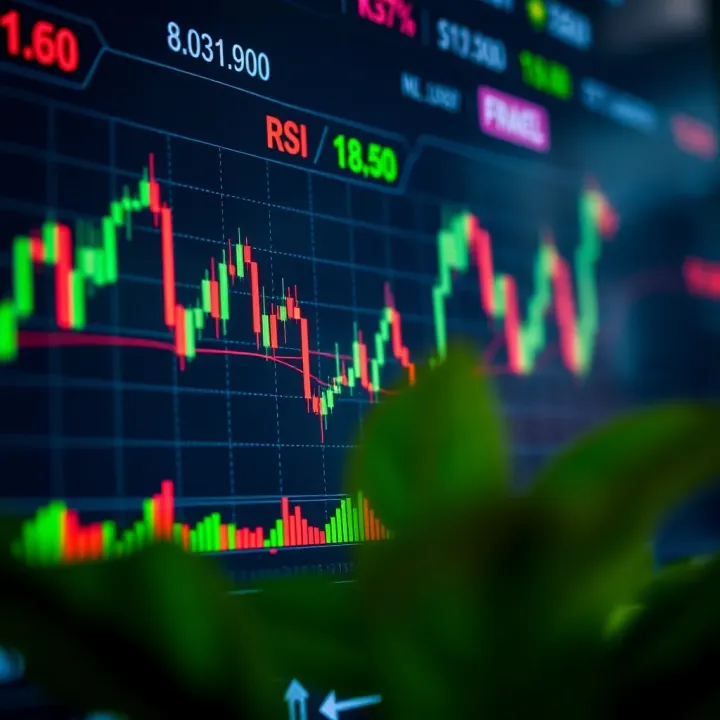
Discover top forex trading indicators 📊 tailored for Nigerian traders 🇳🇬. Learn how to combine tools for smarter, more accurate trading decisions!

📈 Discover practical forex trading insights and proven strategies tailored for Nigerian traders. Master risk, choose brokers wisely, and thrive in local markets.
Based on 8 reviews