
Best Trading Apps for Beginners in Nigeria
Start trading confidently in Nigeria 🇳🇬! Discover top apps for beginners, with tips on cost, security, ease of use, and support to guide your choices.
Edited By
Amelia Foster
Crypto trading in Nigeria is no longer just a buzzword; it’s a real way to take control of your finances and grow your money. With the rise of digital currencies like Bitcoin, Ethereum, and others, more Nigerians are stepping into the market, hoping to benefit from price changes in these virtual assets. But how do you start, especially if you’re new to the game?
This guide breaks down what you need to know to trade crypto effectively here in Nigeria. We’ll cover everything from how to pick trustworthy platforms, set up your accounts, to smart trading strategies tailored for Nigerian conditions. The market moves fast, so understanding risks and legal points is vital before you put your money in.
Trading crypto without proper knowledge is like crossing a busy Lagos road blindfolded — you need to see, understand, and prepare before stepping out.
Whether your plan is to make quick trades aiming for fast profits or to invest long term, this article will walk you through practical steps. Nigerian-specific challenges like naira volatility, CBN policies, and local payment hurdles get special attention to keep you ahead of the curve.
By focusing on clear, actionable tips, the goal is to give you confidence. You don’t need to be a tech whizz or finance guru to start trading crypto. With the right tools and mindset, you can join others already benefiting from this new financial frontier.
Let's begin by getting the basics right so you can trade smart, avoid common pitfalls, and secure your funds safely.
To trade crypto successfully, you need to understand what cryptocurrency is and how it works. Without this foundation, you risk falling into common traps or losing money because you don't really know what you are dealing with. This section breaks down the essentials so you make informed decisions, especially tailored for Nigerian beginners.
Cryptocurrency is digital money secured by cryptography. Unlike the physical Naira in your pocket or money in your bank account, cryptocurrency is entirely online, stored in digital wallets. Bitcoin, launched in 2009, was the first and remains the most popular. Other examples include Ethereum, Binance Coin, and Cardano. These currencies run on blockchain technology — a public digital ledger that keeps track of transactions, ensuring no one spends the same coin twice.
For a practical example, imagine sending ₦10,000 to a friend instantly without a bank or middleman charging fees or delaying the process. Cryptocurrencies make this possible anywhere, anytime, provided you have internet access.
Crypto trading involves buying and selling cryptocurrencies on online platforms called exchanges. You can trade for profit by speculating on price movements. If you think Bitcoin will go up, you buy; if you expect it to fall, you sell or short it where available. Trades can happen 24/7, unlike the Nigerian Stock Exchange, which closes by 4 pm weekdays.
A typical trade might be buying Ethereum at ₦1,000,000 with the hope of selling later at ₦1,200,000. Timing and market knowledge are crucial. Nigerian traders use platforms like Binance, Luno, or Quidax because these accept local payment methods like bank transfers and USSD payments.
Starting out, get familiar with key terms. These include:
Wallet: A digital tool to store, send and receive crypto. It is your bank account for crypto.
Exchange: The marketplace where you trade crypto.
Fiat: Traditional currencies like the Naira (₦).
Bull Market: When prices are generally rising.
Bear Market: When prices are mostly falling.
Altcoin: Any crypto other than Bitcoin.
HODL: A slang that means holding onto your crypto rather than selling when prices dip.
Understanding these terms helps you navigate conversations, news, and trading decisions confidently.
Grasping these basics arms you against surprises as you start trading. It's like learning the rules before joining a football match; without it, you could easily lose or foul someone unintentionally. Next, you’ll explore how to pick reliable exchanges suitable for Nigerian users.
Picking the right crypto exchange is a critical first step for anyone serious about trading cryptocurrencies in Nigeria. The exchange you choose affects everything from ease of transactions, security of funds, to how much you pay in fees. A solid platform will simplify trading and help you avoid common pitfalls like scams or delays in fund access.
Several exchanges have built trust within the Nigerian market due to their accessibility and local support. Binance remains popular for its wide range of coins and relatively low fees, while Bundle Africa focuses specifically on African users with easy naira deposits and withdrawals. Quidax is another name many Nigerian traders trust; it offers fast transaction speeds and strong customer service. Local platforms like BuyCoins and Yellow Card enable straightforward naira fiat transactions, which is crucial given the CBN’s restrictions on direct crypto/fiat bank transfers.
Not all exchanges are equal, so you need to weigh a few critical factors before deciding. First is security—check for robust measures like two-factor authentication (2FA) and cold wallet storage. Then consider liquidity because high liquidity means you can buy or sell assets quickly without big price swings; this is particularly true for currencies like Bitcoin and Ethereum. User experience matters too: a clean, intuitive interface reduces mistakes, especially for beginners. Finally, check if the platform complies with Nigerian regulations and has proper KYC (Know Your Customer) procedures. Trustworthy customer support is also essential, especially if issues arise during trading.
Trading fees can range widely between platforms, and they often include maker and taker fees that might confuse new traders. For instance, Binance charges between 0.1% and 0.2% per trade, whereas some local platforms may have slightly higher fees but add value with better naira integration. Withdrawal and deposit fees also differ; some platforms charge a flat fee for naira deposits via USSD codes or bank transfers, while others add percentage charges. Payment options like bank transfers, USSD, and even mobile money are important since they determine how easily you can fund your account or cash out profits.
Always calculate the total cost of trading, including hidden charges, before committing large sums. What looks cheap upfront might cost more later due to withdrawal delays or poor exchange rates.
Ultimately, choosing the right crypto exchange in Nigeria means balancing convenience, cost, and security. It's worth spending time testing a couple of platforms with small amounts before going deep. A well-chosen exchange helps you trade confidently and focus on smart strategies rather than technical headaches.
Setting up and securing your crypto trading account is a critical step for anyone serious about trading cryptocurrency in Nigeria. With the rise of online scams and cyber theft, protecting your account and digital assets is not optional — it is essential. A properly set-up account allows you to trade confidently, avoid unnecessary delays, and keep your funds safe.
Starting your crypto trading journey begins with creating an account on a reliable exchange platform. Nigerian traders often use exchanges like Luno, Binance, or Quidax due to their accessibility and local payment options. During signup, you’ll provide basic information like your email, phone number, and sometimes a government-issued ID, such as your National Identity Number (NIN) or International Passport.
Verification is mandatory because Nigerian regulations require exchanges to know their customers (KYC rules). This process helps prevent fraud and money laundering. Usually, you’ll upload a clear photo of your ID and a selfie to confirm your identity. It might take a few hours to a couple of days for verification, so don’t rush or provide false documents, as that can lock you out.
Once verified, enable two-factor authentication (2FA) immediately. This adds an extra security layer by requiring both your password and a one-time code (often generated by apps like Google Authenticator) to log in.
After creating your account, securing your wallet and funds is the next priority. Most exchanges provide a wallet to store cryptocurrencies, but it’s wiser to move significant amounts to a private wallet you control. Wallets come in two main types:
Hot wallets: Connected to the internet and convenient for quick access but vulnerable to hacking.
Cold wallets: Offline devices or hardware wallets like Ledger or Trezor, offering a higher level of security.
For instance, suppose you plan to trade small daily amounts; keeping funds on the exchange’s hot wallet is acceptable, but your long-term investment should reside in a cold wallet. Always back up your wallet’s recovery phrase and never share it with anyone.
Another practical step is to regularly update your passwords, use unique ones for different platforms, and beware of phishing attempts — fake websites or emails pretending to be your exchange. If you spot anything suspicious, report it immediately.
Securing your crypto account is not a one-time effort. Treat it like locking your house; a simple oversight could cost you thousands of naira.
By following these steps carefully, Nigerian traders can build a sturdy foundation for their crypto activities. Safe account practices paired with reliable platforms greatly reduce the risks and make trading a more straightforward experience.
Developing good trading strategies will help you navigate the volatile Nigerian crypto market without falling into common traps. Effective strategies focus on understanding market behaviour, choosing suitable trade types, and managing risks carefully. With the right approach, you can avoid rash decisions that often lead to loss and instead build steady gains.
Grasping market trends is key to timing your trades well. Study price charts and patterns to see if an asset is in an upward (bullish) or downward (bearish) trend. For example, Bitcoin may show steady growth over weeks, signalling a buying opportunity. Nigerian traders can use tools on platforms like Binance Nigeria or Luno to monitor trends in real time.
Beyond price movement, keep an eye on news affecting cryptocurrencies, such as Nigeria’s regulatory updates or global economic shifts. These factors can trigger sudden market moves. Using basic technical analysis methods like moving averages or Relative Strength Index (RSI) helps recognise entry and exit points for trades.
Spot trading is the simplest form: you buy crypto at the current price and hold or sell as you like. For beginners, starting with spot trading is advisable because it requires less technical knowledge.
Another option is margin trading, where you borrow funds to amplify your buying power, but this increases risk. Some platforms offer futures contracts or options which let you bet on price movements without owning the coins; however, these require experience and should be approached cautiously.
Nigerian traders, especially those starting, benefit from mastering spot trading first. It’s straightforward and aligns well with the market’s unpredictability.
Risk management protects your capital from sudden dips. Never invest money you cannot afford to lose. Set stop-loss orders to automatically sell coins if prices fall past a limit you determine, limiting potential losses.
Diversify your portfolio by investing in several cryptocurrencies rather than putting all funds into one. For instance, balancing between well-known coins like Bitcoin and smaller altcoins can reduce risk.
Avoid chasing quick profits based on hype, a common trap in Nigerian social chats or WhatsApp groups. Instead, stick to your research and trade plan. Also, keep records of your trades for better decision-making and tax reporting.
Effective trading isn't about taking big risks, but about managing small ones smartly to grow steadily.
By following these approaches, Nigerian beginners can develop confidence and discipline in crypto trading, improving chances of success over time.
Navigating the legal and tax landscape is a vital part of crypto trading. In Nigeria, the regulatory environment has evolved, impacting how traders operate and report their earnings. Understanding these factors prevents avoidable legal trouble and helps you manage your investments strategically.
Cryptocurrency is not banned outright in Nigeria, but it operates in a grey area. The Central Bank of Nigeria (CBN) placed restrictions on banks dealing with crypto exchanges back in 2021, creating hurdles for seamless fiat-to-crypto transactions. However, the Securities and Exchange Commission (SEC) recognises certain crypto assets and is working towards clearer rules, especially around token sales and investment.
Traders should ensure they use exchanges compliant with local regulations. For example, platforms like Binance and Luno have adapted to these rules by securing licenses and complying with CBN directives. Remaining informed about policy changes is key, as Nigeria’s approach towards crypto can shift, and non-compliance may lead to frozen accounts or fines.
The Federal Inland Revenue Service (FIRS) treats income from crypto trading as taxable. If you make profits from buying and selling cryptocurrencies, those gains count as taxable income.
You are expected to declare profits on your annual tax returns. This applies whether you trade casually or professionally. FIRS may classify gains from crypto as business income or capital gains, depending on frequency and scale. For example, someone trading frequently on exchanges like Paystack-supported platforms is likely to be considered a trader subject to business tax.
Keep detailed records of transactions. This includes dates, amounts, exchange rates, and fees. Such documentation supports accurate tax filing and helps in case of audits. Evading crypto tax can lead to penalties, so consult with a tax expert familiar with digital assets in Nigeria.
Fraud is a major concern in Nigeria’s crypto scene. Scammers often pose as legitimate traders or agents, promising huge returns through pyramid schemes, Ponzi setups, or fake exchanges.
To protect yourself:
Use reputable platforms: Stick to well-established exchanges with a good track record and local presence.
Verify before you trade: Confirm wallet addresses and payment details directly from trusted sources.
Avoid unrealistic promises: Be wary of schemes offering guaranteed profits or pressure to invest quickly.
Educate yourself constantly: Follow updates from regulators like the SEC Nigeria and CBN to spot new fraud trends.
Staying alert and cautious is your best defence against scams, especially as fraudsters grow more sophisticated.
By understanding Nigeria’s legal stance, fulfilling tax duties, and guarding against fraud, you create a safer and more sustainable crypto trading experience. Knowledge and vigilance go hand in hand for anyone trading crypto in Nigeria today.
Start trading confidently in Nigeria 🇳🇬! Discover top apps for beginners, with tips on cost, security, ease of use, and support to guide your choices.
Discover the best crypto trading bots for Nigerian traders 🤖. Learn key features, benefits, and tips to boost your crypto trades effectively in Nigeria 🇳🇬.
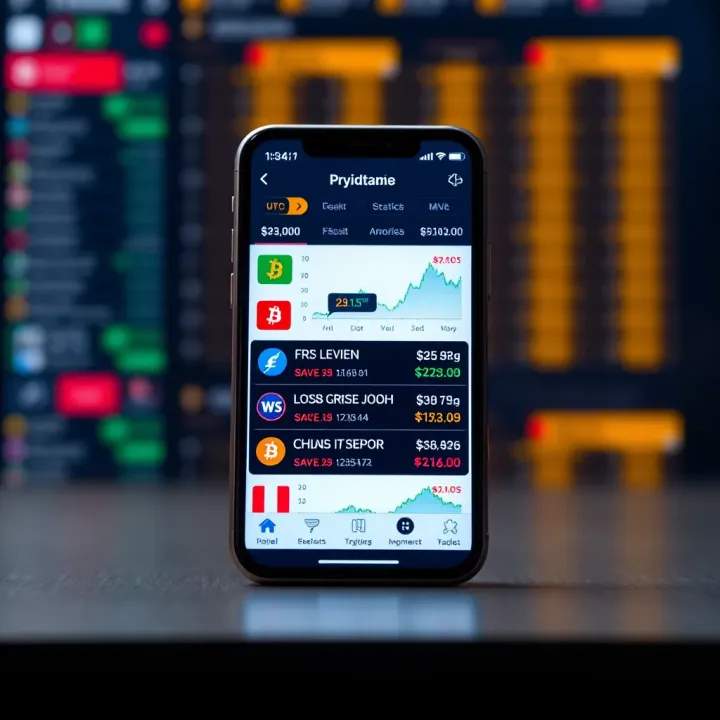
Explore top crypto trading apps in Nigeria 🔍, compare features, security, fees, and user experience to find the perfect fit for your crypto journey 🇳🇬📱
Explore crypto trading in Nigeria 🔍 with easy-to-follow strategies, market insights, risk tips, and guidance on choosing crypto exchanges safely📱.
Based on 5 reviews