
Is Forex Trading Profitable for Nigerians?
📈 Curious about forex trading profits? Discover how currency exchange could boost your ₦earnings, the risks involved, and tips tailored for Nigerian traders looking to succeed.
Edited By
Emma Thompson
Forex trading in Nigeria attracts a large crowd, especially among youths eager to make quick profits. Yet, behind the flashy stories of fast money lies a complex market with real risks and a need for deep understanding. Many jump in without preparing, hoping to turn ₦10,000 into ₦100,000 overnight. Unfortunately, this often leads to losses rather than gains.
At its core, forex trading involves buying and selling currencies, taking advantage of exchange rate fluctuations. But the Nigerian context adds layers of challenges and opportunities. For example, the naira’s frequent volatility due to economic policies or foreign reserve changes creates unpredictable market moves. Traders must keep up with both global economic trends and local developments.
To succeed, you need more than just luck or basic charts. Solid knowledge of how the forex market works, trust-worthy brokers, and sovereign risk management are key. Many Nigerian traders fall prey to scams or unregulated platforms that promise large returns but crash unexpectedly. Always check for brokers regulated by Nigerian authorities or well-established international bodies.
Practical strategies like using stop-loss orders, understanding leverage effects, and diversifying currency pairs can protect your capital from sudden swings. For instance, reckless use of high leverage often wipes out accounts quickly when the market suddenly moves against you. By contrast, measured risk-taking can stretch trading longevity and build real gains over time.
The thing is, forex is not a get-rich-quick scheme. It demands discipline, patience, and constant learning — especially here in Nigeria with its unique market quirks.
Here are some essentials every Nigerian forex trader should keep in mind:
Choose regulated brokers with solid support and client protection.
Develop a clear trading plan that fits your risk tolerance and goals.
Stay updated on global and local economic news impacting currency values.
Avoid impulsive decisions driven by market hype or social media claims.
Manage your funds carefully; never risk more than you can afford to lose.
Understanding these realities helps position Nigerian traders for sustainable success rather than chasing mere illusions. The forex market offers opportunities, but only to those prepared to navigate its complexities with a steady hand and an informed mind.
To navigate forex trading successfully, understanding the fundamental mechanics is essential. Without grasping how currency pairs move, what influences trading hours, or the role of brokers and platforms, traders risk making costly errors. In the Nigerian context, recognising these basics helps tailor strategies to local realities like time zone differences and broker regulations.
Major and minor currency pairs are the backbone of forex trading. Majors involve the most traded currencies globally, such as the US dollar (USD), euro (EUR), British pound (GBP), and Japanese yen (JPY). For instance, EUR/USD and USD/JPY are popular choices because of their liquidity and relatively stable spreads. Minor pairs include currencies like the South African rand (ZAR) or the Norwegian krone (NOK) combined with majors but tend to have wider spreads and lower liquidity. In Nigeria, traders often prefer majors like USD/NGN (US dollar to Nigerian naira) whenever available through platforms, though some brokers restrict direct NGN pairs.
Nigeria operates on West Africa Time (WAT), which is UTC+1. This positioning impacts when local traders can interact with the global forex market. Trading tends to be busiest during overlapping market hours such as the London and New York sessions. For Nigerians, early afternoon to evening corresponds with peak global activity, offering better liquidity and tighter spreads. For example, a Lagos-based trader is most active between 2 pm and 10 pm WAT to catch the best price movements without excessive market noise.
The forex market runs 24 hours a day during weekdays, divided into four main market sessions: Sydney, Tokyo, London, and New York. Each session reflects the opening hours of major financial centres and influences volatility. London and New York sessions typically see the most action, while Sydney’s session marks the start of the trading day from a Nigerian perspective. Understanding these sessions helps traders time their trades for better opportunities and avoid periods of low volume that might trigger slippage or unfavourable spreads.
Choosing a reliable Forex broker in Nigeria is crucial. The broker acts as your gateway to the forex market, executing trades on your behalf. Reliability depends on factors such as regulation by bodies like the Nigerian Securities and Exchange Commission (SEC), transparent fee structures, and swift withdrawal processes. For example, a broker with a history of delayed withdrawals or unclear charges often signals risk, which can lead to losses beyond market exposure.
Popular trading platforms such as MetaTrader 4 (MT4) and MetaTrader 5 (MT5) enjoy widespread use due to user-friendly charts, accessible technical indicators, and automated trading options. These platforms also allow backtesting strategies and managing multiple accounts, essential for disciplined Nigerian traders who want to test before risking real capital.
Regulation and compliance protect your investments. Brokers authorised by Nigeria’s SEC or reputable international bodies ensure your funds and data are relatively secure. Trading without verification often invites scams, especially in Nigeria's growing but sometimes loosely regulated forex space. Always verify a broker's licence and read user reviews before committing funds.
Understanding these basics arms you with practical tools to engage forex trading with more clarity and less guesswork, fitting your trading objectives and Nigeria’s unique market conditions.
Forex trading in Nigeria is often misunderstood, leading many beginners into costly mistakes. Clearing up common misconceptions helps traders make well-informed decisions, avoid unrealistic expectations, and adopt responsible strategies necessary for long-term success.
Reality of profits versus losses
Many who start forex trading expect fast and guaranteed profits. However, the reality is far from that. Trading involves significant risk, and losses often outweigh gains for many beginners. A trader could win a few trades but lose larger amounts on others, wiping out earlier profits. For example, a trader who rushes into the market without proper analysis might lose ₦50,000 quickly, even if they once earned ₦20,000 in a single trade.
Why patience and discipline matter
Successful forex traders in Nigeria know that patience is key. The market is volatile, and jumping into trades impulsively usually leads to losses. Traders must wait for signals based on strategy rather than emotions. Discipline, such as sticking to stop-loss limits and avoiding overtrading, safeguards capital during uncertain market moves. A disciplined trader might hold a position longer when appropriate, capturing steady gains rather than chasing quick wins that rarely materialise.
Impact of unrealistic expectations
Many newcomers imagine they can turn a small sum into millions overnight. This mindset often leads to reckless decisions like excessive leverage use or ignoring economic indicators. Such behaviour can lead to rapid losses, discouraging many traders. Realistic goals, shaped by understanding market behaviour and practising consistently, help traders develop gradual growth and avoid frustration.
How leverage works in Forex
Leverage allows traders to enter positions larger than their actual capital. For instance, with 1:100 leverage, ₦10,000 can control ₦1,000,000 worth of currency. This magnifies profits but also losses. Leverage is attractive because it promises bigger returns compared to trading with one’s funds alone. Nigerian traders should realise that it doesn’t create wealth by itself but amplifies market moves.
Risks involved with high leverage
While high leverage can lead to significant profits, it also exposes traders to swift and substantial losses. The naira's volatility and Nigeria’s economic unpredictability make high leverage especially dangerous. A small adverse market movement can wipe out a trader's entire capital in minutes. Many have lost ₦100,000 or more within hours due to careless use of leverage. Without proper risk management, high leverage is a quick route to losing money.
Managing leverage responsibly
Experienced Nigerian traders use leverage cautiously, keeping it low relative to their account size. Combining leverage with strict stop-loss orders and capital preservation strategies reduces exposure to large losses. For example, instead of maxing out leverage, a trader might use 1:10 to limit risk while still accessing reasonable market exposure. Responsible leverage use protects traders from the naira’s sudden swings and unstable market conditions.
Understanding these misconceptions helps traders avoid common pitfalls. Forex trading demands respect for risk, realistic goals, and disciplined strategies — especially against Nigeria’s unique economic backdrop.
Seasoned traders grasp lessons that often elude beginners, especially the value of discipline and planning. While many novices jump in hoping to hit big wins fast, experienced traders focus on strategies that protect their capital and steady growth. This mindset shift separates hopeful gamblers from those who live by the market's rhythm.
Setting entry and exit points means deciding beforehand at what price to buy and sell a currency pair. For example, a trader might decide to enter the EUR/USD market at 1.2000 and exit at 1.2100. Without clear points, a trader risks making knee-jerk decisions, often selling too early or too late, leading to avoidable losses. When you know your target prices, it’s easier to stick with your plan rather than being swayed by market noise.
Role of stop losses and take profits offers protection by automatically closing trades at predefined levels. A stop loss stops you from losing more than you can afford, say exiting at 1.1950 if you bought at 1.2000. Conversely, a take profit closes your position once a nice gain hits, maybe at 1.2100 as in the previous example. These tools are indispensable for managing risks and locking in gains without constant screen-watching.
Adapting to market changes is another edge experienced traders have. While a plan is vital, markets can be unpredictable due to geopolitical events, economic releases, or sudden naira volatility. Traders seasoned in handling Forex in Nigeria remain flexible, reviewing and adjusting their strategies as needed. For example, a sudden Central Bank policy change might prompt you to tighten your stop losses or delay entries safely.
How emotions affect decision-making is often underestimated. Fear and greed are powerful forces that can wreck a trader's judgement. When naira weakens rapidly, it’s easy to panic sell, or after a few wins, some may get overconfident and overtrade. Both extremes jeopardise capital and cloud strategy.
Techniques to stay disciplined include setting strict rules and following them no matter what. Keeping a trading journal helps reflect on mistakes and successes, improving future decisions. Also, practising with demo accounts before real money ensures emotions don’t overwhelm logic.
Importance of mental resilience can't be overstated. Forex trading is often a rollercoaster with losses and unexpected shifts. Tough traders develop the attitude to recover quickly and avoid letting one bad trade disrupt their overall approach. This resilience is even more essential given Nigeria’s unique economic challenges, like inflation spikes or erratic power supply, which affect trading conditions unpredictably.
Experienced traders succeed not by chance, but by combining solid plans with emotional control and smart adaptability – lessons well worth mastering in the Nigerian Forex scene.
Forex trading is not all smooth sailing in Nigeria; several practical challenges can affect both new and experienced traders. Understanding these hurdles helps traders prepare better and make more informed decisions, particularly given the local economic and infrastructural realities.
Naira volatility and exchange rate issues have a significant impact on forex traders here. The naira often faces sharp swings against major currencies like the US dollar due to fluctuating oil revenues and forex availability. For example, rates on the official CBN window can differ widely from the parallel market rates, complicating trade execution and profit calculations for traders relying on currency pairs involving the naira.
Central Bank of Nigeria (CBN) policies also shape the forex landscape. When the CBN tightens forex access or adjusts monetary policy rates, it influences liquidity and trading conditions drastically. For instance, forex restrictions on certain transactions or changes in interest rates directly affect currency demand and supply, often leading to sudden market moves that traders must anticipate.
Inflation in Nigeria plays a subtle but crucial role in trading decisions. High inflation reduces naira purchasing power, meaning traders must factor in the real value of their gains or losses. When inflation spikes, it often leads to naira weakening, so traders handling naira pairs need to be cautious about timing trades to avoid erosion of profit by local inflation pressures.
Nigeria’s internet reliability and power supply remain inconsistent. Many traders experience frequent outages, which disrupt market monitoring and timely execution of trades. A trader might miss critical entry or exit points because the connection drops or power goes off, especially in states with less stable infrastructure.
The cost of data and devices is another barrier. Quality smartphones or laptops and a steady data plan are costly relative to average incomes. A trader relying on unstable devices or limited data will naturally face challenges in accessing real-time market charts or updating trading platforms, affecting their performance.
Lastly, the trustworthiness of local trading education sometimes raises concerns. Several courses and coaching programmes promise quick riches but lack depth or practical focus. Traders need to carefully vet learning sources and prefer those with proven track records or direct market experience. A poor quality education can mislead traders into risky behaviours without understanding the complexities of forex trading.
Practical realities, from economic shifts to local infrastructure shortcomings, make forex trading in Nigeria uniquely challenging. The more traders understand and prepare for these, the better their chances at real success.
By keeping these factors in mind, traders can build strategies that are both grounded in Nigeria’s realities and adaptable to fast-changing conditions.
Navigating the forex market in Nigeria requires more than just luck; it demands strategy, discipline, and ongoing education. This section offers practical advice to help traders protect their capital and improve their chances of lasting success.
Using demo accounts allows beginners to experiment with real market conditions without risking actual money. This hands-on practice helps in understanding platform features, testing strategies, and building confidence. For example, a trader can try trading popular pairs like USD/NGN or EUR/USD on a MetaTrader demo account before committing real funds.
Capital management is crucial in forex trading. Starting with a small amount — say ₦20,000 or less — means potential losses won’t wipe you out. It also encourages learning through manageable risk. Traders should avoid staking too much on a single trade; instead, using a set percentage of available capital per trade helps control losses and maintain sustainability.
Overtrading is a trap many fall into when chasing profits or trying to recover losses. It leads to poor decision-making and unnecessary exposure to risk. Sticking to a daily or weekly trading plan with defined limits on trade volume helps prevent burnout and keeps emotions in check.
Reliable forex news sources in Nigeria include platforms like Nairametrics for economic updates, the Central Bank of Nigeria (CBN) announcements for policy changes, and international finance news outlets such as Bloomberg or Reuters. Staying informed ensures you react appropriately to market shifts.
Global events — like US Federal Reserve interest rate changes, Brexit developments, or oil price fluctuations — strongly affect currency values. Knowing how these events influence pairs like USD/NGN or GBP/USD guides better trading choices and risk management.
Technical and fundamental analyses are practical tools every trader should master. Technical analysis uses charts, trend lines, and indicators to predict price movements, while fundamental analysis examines economic data and news for long-term trends. Combining these methods offers a clearer market view and helps in planning timely entries and exits.
Starting small, practising regularly, and staying informed are the best starting points for safer forex trading in Nigeria. These habits build a foundation that keeps traders protective of their capital while positioning them for deliberate growth.
By keeping these tips in mind, Nigerian forex traders can avoid common pitfalls and approach the market with clearer judgement and confidence.
📈 Curious about forex trading profits? Discover how currency exchange could boost your ₦earnings, the risks involved, and tips tailored for Nigerian traders looking to succeed.
📉 Interested in forex trading in Nigeria? Learn the key risks, how currency swings affect your ₦ and practical tips to protect your funds in the forex market.
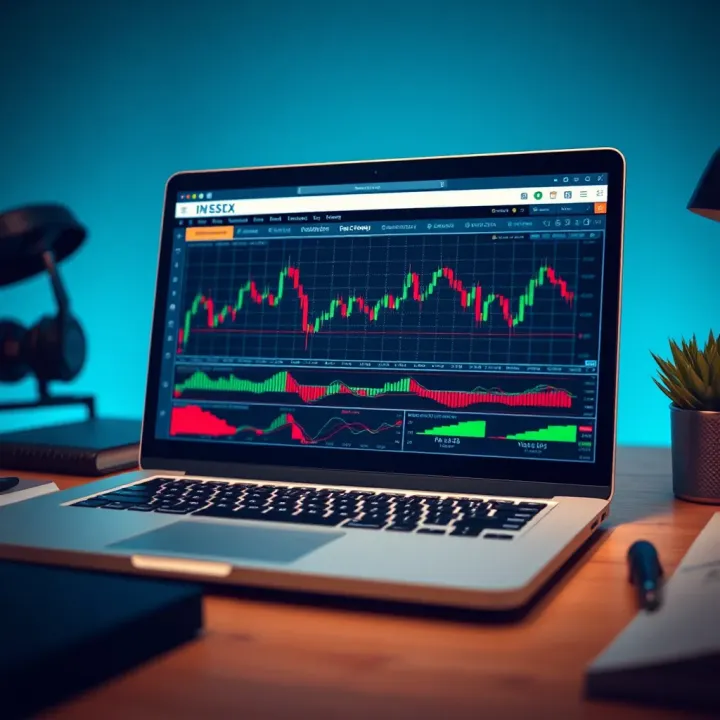
Learn how to start forex trading in Nigeria 🇳🇬 with tips on picking brokers, managing risks, and navigating CBN rules for safer investments in ₦ today!
Discover effective forex trading strategies for Nigerian traders 🇳🇬. Learn risk management, key tools, and approaches to boost your trading success 📈.
Based on 6 reviews