

Benefits of Risk Management for Nigerian Businesses
Discover how effective risk management in Nigeria helps protect businesses from threats, enhances decision-making, controls costs, and supports growth 📊🔒
Edited By
Amelia Scott
Risk management is about spotting and handling threats that could affect a business’s earnings or assets. For Nigerian companies and professionals, this means understanding the local challenges like naira fluctuations, fuel shortages, regulatory changes, and economic instability that can disrupt operations.
Having a solid risk management framework helps businesses not only to protect their capital but also to make informed decisions that support growth even during tough times. It’s no longer enough to react to problems after they occur; Nigerian businesses need to anticipate risks and plan accordingly.
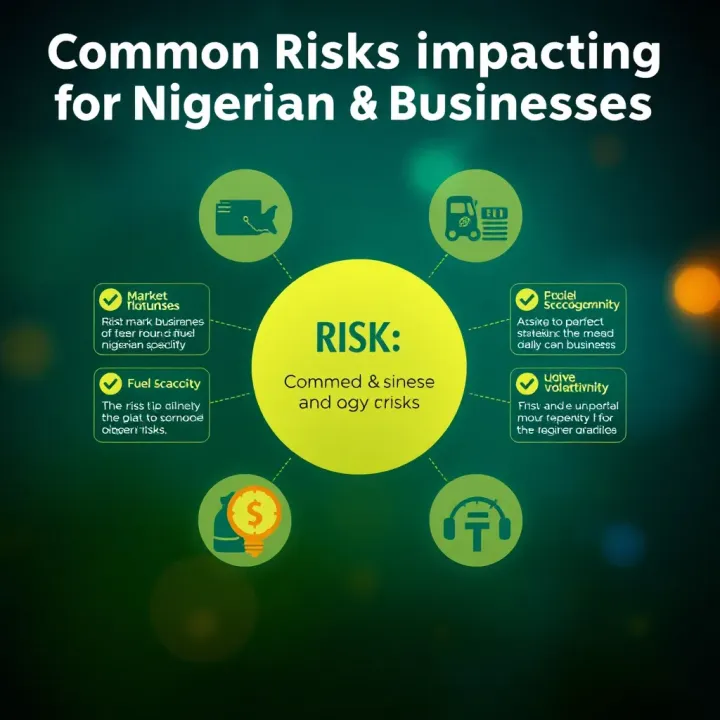
Common risks Nigerian businesses face include:
Market risk: Sudden shifts in consumer demand or competition, often influenced by factors like inflation or government policy.
Operational risk: Interruptions from power outages, fuel scarcity, or supply chain delays.
Financial risk: Currency volatility impacting cost of imported goods or loan repayments.
Regulatory risk: Changes in tax laws, tariffs, or compliance requirements that can increase costs or limit business activities.
To address these, businesses can adopt practical strategies such as:
Conducting regular risk assessments tailored to Nigeria’s dynamic market.
Diversifying suppliers and payment options to reduce operational disruption.
Using hedging tools to manage currency exposure.
Staying updated with legal changes through alliances with local experts.
A proactive approach helps businesses shift from merely surviving challenges to turning uncertainties into opportunities for competitive edge.
Understanding risk management in Nigeria means dealing with both external pressures and internal weaknesses. It requires clear policies, communication channels, and contingency plans ready to activate when problems arise. This groundwork builds resilience and supports sustainable success.
Next, the article will explore detailed risk types and effective Nigerian-specific solutions that help safeguard your business in a fast-changing environment.
Understanding what risk management means is the first step for any Nigerian business wanting to stay afloat amid economic swings and operational challenges. Risk management is about spotting possible problems early, weighing their potential harm, and deciding on ways to reduce or handle them effectively. This process matters because risks come in many forms—from currency fluctuations to power outages—that can drain resources if left unchecked.
In everyday business and life, risk refers to the chance of losing something valuable, whether money, time, or reputation. For example, a small trader in Lagos faces risks like a sudden price increase in fuel, which can push up transport costs and affect profit margins. Similarly, a professional investing in the stock market understands that share prices can fall due to political decisions or market sentiment. Recognising these possibilities helps in preparing practical responses rather than being caught unawares.
It's important to distinguish between risk and uncertainty. Risk involves known probabilities—for instance, a company may know there's a 20% chance of a currency dip affecting their import costs next quarter. Uncertainty means the outcome or its likelihood is unknown, like a sudden regulatory change or an unexpected market crash. Nigerian businesses often face a mix of both, but focusing on identifiable risks allows for better planning, while complete uncertainty calls for flexible and adaptable strategies.
Protecting financial assets and reputation is central to risk management. Losing money or damaging your brand can cripple a business. Take, for example, a food processing company whose product quality slips due to careless sourcing; customer trust is lost alongside sales. By managing risks related to suppliers and production, the company secures both money and reputation.
Ensuring business continuity means keeping operations running despite disruptions. Nigerian companies are familiar with challenges like inconsistent power supply or traffic gridlocks delaying deliveries. A solid risk plan might include backup power systems or diversified suppliers to prevent total shutdowns. This preparedness saves time and keeps customers satisfied even when things go wrong.
Complying with regulatory requirements avoids penalties and improves credibility. Nigerian laws around taxes, labour, and environmental standards frequently change. Businesses that stay updated and integrate compliance within their risk framework sidestep fines and maintain their operating licences. This ongoing effort also builds better relationships with regulators and investors.
Effective risk management is not just about avoiding losses but making a business resilient enough to thrive under changing conditions. For Nigerian businesses and professionals, understanding what risks they face and what objectives to prioritise directs resources where they matter most.
Identify risks before they escalate
Protect your finances and reputation
Maintain smooth operations no matter the disruptions
Keep up with regulatory demands
These clear goals form the foundation of successful risk management that supports growth and sustainability across Nigeria's dynamic business environment.
Nigerian businesses face unique risks shaped by the country's economic, social, and regulatory environment. Understanding these risks helps traders, investors, and consultants design more effective strategies to protect business interests. Identifying and managing such risks can significantly improve business resilience and sustain growth amid Nigeria's challenging conditions.
Currency fluctuations and naira volatility usually top the list for many Nigerian businesses. The naira's value often swings sharply against major currencies like the US dollar, influenced by oil prices, foreign reserves, and monetary policy shifts. For companies relying on imported goods or foreign loans, sudden naira depreciation can erode profits overnight and increase operational costs drastically.
Consider a Lagos-based firm importing raw materials from Europe. If the naira suddenly weakens from ₦400 to ₦500 per dollar, the cost of those imports rises by 25%. Without proper hedging or pricing adjustments, the business might suffer losses or have to raise prices, risking customer loss.
Credit and liquidity issues also present serious challenges. Many Nigerian businesses struggle to maintain cash flow due to delayed payments from clients or limited access to affordable credit. Banks' high interest rates and collateral demands make borrowing difficult, especially for small and medium-sized enterprises (SMEs). This liquidity crunch restricts day-to-day operations and investment capacity.
A trader who sells goods on credit might experience delays in payments, making it hard to restock or cover immediate expenses. Without solid cash reserves or credit lines, such businesses risk defaulting or closing down during tight periods.

Power supply challenges and generator costs remain major headaches for Nigerian businesses outside major cities with more stable electricity. Frequent NEPA/DISCO outages force companies to rely heavily on diesel generators, drastically inflating production costs. Fuel prices fluctuate often, which adds unpredictability to operational budgets.
For example, a manufacturing outfit running generators 12 hours daily could spend upwards of ₦1 million monthly on fuel alone. This expense reduces competitiveness and profit margins, especially in export-oriented sectors.
Supply chain disruptions have become more common with global economic shocks and local transport issues. Road repairs, traffic jams, or insecurity along delivery routes can delay input procurement or product distribution. Nigerian businesses depending on raw materials from the north or neighbouring countries often face such logistical bottlenecks.
A Lagos-based food processing company might find it difficult to get fresh ingredients on time during the rainy season, affecting production schedules and customer satisfaction.
Changes in government policies and taxes can alter the cost structure and legal obligations for businesses swiftly. For instance, sudden increases in VAT or import tariffs can hit profit margins hard. Also, new regulations in sectors like telecommunications or banking often demand expensive compliance measures.
Businesses operating in sectors vulnerable to policy shifts—like fuel retailing or telecommunications—need to keep abreast of legislative changes to avoid penalties and adjust strategies accordingly.
Import and export restrictions affect companies engaged in cross-border trade significantly. Restrictions on certain goods, currency controls, or delayed customs clearance can stall business operations and cause inventory pile-ups.
A textile exporter might face export bans or excessive paperwork, which limit their ability to deliver on contracts promptly, damaging reputation and client relationships.
Physical security threats such as theft, vandalism, or kidnapping remain a real danger for Nigerian businesses, especially those in high-risk areas. This risk affects not just personnel safety but also the protection of physical assets.
A warehouse in Lagos could be targeted by thieves posing as transporters, leading to substantial losses in stock. Firms therefore invest in security personnel and surveillance systems as part of their risk management.
Cybersecurity breaches and data protection are growing concerns with increased digitalisation. Nigerian companies now store sensitive client and financial data electronically, attracting cybercriminals. Without proper firewalls, encryption, and staff training, businesses risk data leaks, ransomware attacks, or reputational damage.
For example, a fintech company handling thousands of transactions daily must constantly update its cybersecurity measures to prevent breaches that could erode customer trust and invite regulatory sanctions.
Understanding these common risks is vital for Nigerian businesses. Proactively managing them reduces losses, maintains stability, and builds investor confidence.
Effective risk management is a vital lifeline for Nigerian businesses navigating the challenges of the local market. The key steps provide a clear roadmap to spot, evaluate, respond to, and monitor risks, helping organisations avoid costly surprises and maintain operations even when the unexpected strikes. Whether you run a small outfit in Lagos managing generator costs or a large firm dealing with naira volatility, these steps sharpen your defence.
Techniques for spotting potential risks include a hands-on review of business activities to catch where things might go wrong. For example, a manufacturer should examine supply chains closely to detect any points vulnerable to disruption by fuel scarcity or port delays. Techniques like brainstorming sessions, SWOT analysis, and reviewing industry reports support this process.
Involving employees and stakeholders is essential because fresh eyes often spot risks managers miss. Staff working on the ground know issues like equipment failures or security vulnerabilities best. Involving them in risk identification builds a culture of shared responsibility and uncovers practical risks, such as theft or operational delays. Stakeholder input, including suppliers and customers, also broadens the view, revealing risks beyond the firm's immediate control.
Evaluating likelihood and impact means scoring risks by how often they might happen and the damage they could cause. A Lagos retailer might rate the risk of a danfo strike high if it affects staff attendance, while foreign exchange fluctuation could be medium risk but with severe financial impact. This evaluation guides businesses on where to focus scarce resources.
Tools for risk assessment include risk matrices and software that organise and visualise risk data. For instance, companies might use simple spreadsheets or more advanced applications tailored for Nigerian SMEs to track risk ratings and trends over time. These tools add clarity and speed to decision-making.
Mitigation strategies focus on reducing the chance or impact of risks. A fintech firm might invest in robust cybersecurity measures to prevent data breaches, while an agric business may diversify suppliers to avoid disruption. Effective mitigation often combines practical changes to operations and investments in technology or training.
Contingency planning prepares businesses for when problems actually occur. Plans might include alternative suppliers, emergency funds, or backup power solutions like solar installations to offset generator outages. This readiness limits downtime and financial losses when risks materialise.
Setting up risk indicators means defining measurable signs that alert when a risk is increasing. For example, a rise in customer complaints may signal product quality issues, or a sharp drop in foreign reserves could warn of naira instability. These indicators help leaders act before small problems become crises.
Regular updates and audits ensure risk management stays relevant as conditions change. A manufacturing company might conduct quarterly risk reviews to include new risks from policy shifts or operational changes. Auditing also checks that risk controls work and are applied properly.
Consistently applying these key steps builds resilience against Nigeria’s unique challenges—from market fluctuations to infrastructural gaps—arming businesses to navigate uncertainties confidently and protect their bottom line.
Managing risks effectively requires practical tools and techniques that suit Nigeria's unique business environment. From insurance policies crafted for local challenges to technology that keeps track of threats and financial methods to cushion currency fluctuations, Nigerian businesses need a toolbox tailored to their reality. These resources not only reduce potential losses but also help in making prompt decisions when risks loom.
In Nigeria, insurance covers stand as a frontline defence against unexpected events. Key types include property insurance for damages caused by fire or theft, business interruption insurance to cover losses when operations halt, and marine insurance especially relevant for importers and exporters navigating port risks. For example, a Lagos-based manufacturer might rely on property insurance to protect against fire outbreaks, which are common due to erratic power supply and poor electrical wiring.
Selecting the right cover means matching policies to your business’s unique risks and budget. It’s wise to assess what losses could hurt you most – whether that's stock, equipment, or income. For small enterprises, bundled packages might offer cost-effective protection. Larger companies, however, should consider specialised policies, possibly combining life, liability, and political risk insurance to handle everything from employee welfare to civil unrest.
Software for risk tracking has become indispensable for Nigerian businesses wanting to remain alert to threats. Tools like Microsoft Power BI or local platforms such as Okra can aggregate data on market trends, financial performance, and supply chain status in real time. This helps risk professionals spot warning signs early, such as sudden price spikes in fuel or changes in foreign exchange rates, which affect operational costs.
Alongside general tracking, cybersecurity tools protect digital assets from growing attack risks. Solutions range from simple antivirus packages up to comprehensive security suites like Symantec or local cybersecurity firms providing threat detection and penetration testing. For instance, a fintech startup handling customers’ financial data must secure its systems to prevent breaches that could harm both clients and the company’s reputation.
Foreign exchange hedging helps Nigerian businesses manage naira volatility and avoid sharp losses in cross-border transactions. Common hedging tools include forward contracts and options that fix exchange rates for future payments. A company importing machinery from Asia, for instance, can lock in rates today to prevent paying more naira tomorrow when the currency weakens.
Credit risk management focuses on preventing losses from customer defaults. Nigerian firms increasingly use credit insurance and factoring to secure cash flow. For example, a wholesaler selling to retailers on credit may purchase credit insurance that covers bad debts, ensuring their operations are not destabilised if clients fail to pay on time.
Employing the right mix of insurance, technology, and financial strategies can make the difference between surviving market shocks or folding under pressure in Nigeria’s complex business landscape.
Building a robust risk management framework needs these tools applied thoughtfully to fit local realities and specific business needs. It’s not just about avoiding losses but about making informed, confident decisions even when uncertainty is the norm.
Creating a risk management culture within a Nigerian business is more than just ticking a regulatory box—it shapes the firm’s ability to anticipate challenges, adapt quickly, and stay afloat amid uncertainties. This culture embeds risk awareness into daily operations, encouraging staff at every level to identify and respond to threats before they escalate. Such an approach not only protects assets but also sharpens strategic decisions.
A strong risk culture improves the quality of decision-making by ensuring managers and teams systematically consider potential threats and opportunities. For example, a Lagos-based agro-processing company that regularly reviews risks related to supply chain disruptions, fuel scarcity, or currency fluctuations can adjust procurement plans and pricing strategies proactively. This foresight empowers leaders to make confident choices, reducing costly surprises.
Additionally, by fostering open communication about risks, businesses avoid blind spots. Staff who are encouraged to report early warning signs—like delays from suppliers or rising operational costs—help build a comprehensive risk picture. This collective input leads to better-informed strategies that balance growth ambitions with caution.
Risk-aware organisations tend to develop contingency plans that keep operations running when crises hit. Take power instability, common in Nigeria, for instance. Companies with a risk culture often invest in reliable generators or alternative power sources ahead of time, mitigating production stops. Similarly, a trader aware of fluctuating foreign exchange rates might lock in forward contracts to stabilise costs.
Such preparation ensures businesses don’t just survive but continue serving customers even in tough times. This resilience strengthens their market position, prevents revenue dips, and helps avoid layoffs that would damage morale. It also reduces dependence on emergency fixes, which tend to be expensive and less effective.
Investors, both local and foreign, gravitate towards companies that demonstrate solid risk management. Nigerian businesses that clearly articulate their risk policies, show evidence of ongoing risk monitoring, and disclose how they mitigate threats present themselves as safer bets. For example, a fintech startup that highlights cybersecurity measures and regulatory compliance reassures investors wary about digital fraud risks.
This confidence translates into easier access to capital and better valuation. Investors understand that firms with strong risk cultures are less likely to suffer unexpected losses or reputational damage, making their stakes more secure.
Regulators in Nigeria are stepping up enforcement, especially in sectors like banking, telecommunications, and manufacturing. Businesses that embed risk management into their processes stay ahead of compliance requirements, avoiding fines or sanctions.
Moreover, a reputation for managing risks effectively builds goodwill among clients, partners, and the public. For instance, a company that prevents data breaches won't just avoid regulatory penalties—it also earns trust, gaining a competitive edge in crowded markets like Lagos or Abuja.
Building a genuine risk management culture is an investment that boosts resilience, attracts investors, and safeguards business reputation, especially in Nigeria’s evolving business environment.
Developing this culture requires commitment but pays back in steady growth and fewer shocks along the way. Nigerian firms should start small—training teams, setting clear risk policies, and using simple tools—to embed risk thinking deeply. This approach assures long-term stability those who want to thrive beyond just surviving.
Discover how effective risk management in Nigeria helps protect businesses from threats, enhances decision-making, controls costs, and supports growth 📊🔒

📱 New to trading in Nigeria? Discover how to pick the best trading app with key features, user tips, and local rules to trade smartly and safely.

🤖 Learn how binary bots work in binary options trading, the risks involved, and key tips for Nigerian traders looking to use automated tools effectively.

Find the best trading app in Nigeria 📱 for smart investing. Learn key features, risks, and tips to maximize earnings with reliable, easy-to-use platforms.
Based on 9 reviews