
Understanding Binary Fission with Examples
Learn how binary fission works with clear examples 🦠. Explore key steps of this asexual reproduction common in bacteria and single-celled organisms.
Edited By
Sophie Williams
Binary fission is the go-to way many prokaryotic organisms, especially bacteria, reproduce. Unlike human reproduction or even plant propagation, binary fission is straightforward: a single cell splits into two identical copies, called daughter cells. For traders, investors, and analysts keeping an eye on biotech, health, or agro-allied sectors in Nigeria, understanding this process is necessary as it impacts industries from pharmaceuticals to food safety.
Take Escherichia coli (E. coli) as an example. This bacterium reproduces through binary fission in about 20 minutes under ideal conditions. Imagine one single bacterium turning into over a million within hours. This explains why food stored improperly at mama put stalls or in markets spoils quickly or causes foodborne illnesses.

Binary fission drives rapid bacterial growth, influencing everything from infection outbreaks to fermentation processes that you see in local breweries or yoghurt production.
The process kicks off with DNA replication. The bacterium’s single circular chromosome copies itself so that each daughter cell gets an exact set of genetic information. Then, the cell elongates and a septum (division wall) forms at the middle. Finally, the septum completes, splitting the original cell into two separate but genetically identical cells.
Some key points relevant to stakeholders:
Speed and scale: The rapid multiplication can lead to sudden increases in bacteria populations, affecting markets where microbial control is critical.
Genetic uniformity: Since the offspring are clones, any resistances or traits spread quickly, a fact biotech investors watch closely regarding antibiotic resistance.
Simplicity: Unlike sexual reproduction, no partner is needed, allowing bacteria to colonise environments swiftly.
Nigeria's environmental conditions and infrastructure gaps often create ideal spots for uncontrolled bacterial growth, influencing public health and economic outcomes. Recognising how binary fission works allows professionals to evaluate risks and potentials in sectors relying on microbial activity or control.
In the next sections, we will explore practical examples beyond E. coli and delve into the biological significance that directly relates to Nigerian industries and daily life.
Binary fission is a key process that explains how many single-celled organisms reproduce and multiply. In biology, it represents a straightforward way for cells—especially bacteria—to make exact copies of themselves quickly. Understanding this process is essential, not just for students or researchers, but also for practical fields like medicine, agriculture, and industry, where controlling or using microorganisms matters.
At the heart of binary fission is the replication of DNA. A single cell starts by copying its genetic material so that two complete sets exist. For example, in Escherichia coli (E. coli), a common bacterium in Nigeria's environment and human guts, the circular DNA doubles before division. This copying ensures that each new cell inherits the exact genetic instructions of the original.
This step is fundamental because any error here could affect the organism’s survival, or for pathogens, determine their success in causing infections. From a practical perspective, understanding DNA replication helps scientists develop antibiotics that disrupt this process, slowing harmful bacteria.
Once DNA replication finishes, the cell divides into two. The cytoplasm pinches inward, forming a septum that separates the cell's contents equally. The result is two daughter cells that are genetically identical to the parent. This uniformity enables fast population growth, which explains the rapid spread of bacteria in food, water, or an infected person.
For Nigeria's agricultural sector, where bacterial crops or livestock diseases can spread fast, knowing about binary fission guides interventions to control outbreaks and protect food security.
Binary fission is a form of asexual reproduction—it does not involve combining genetic material from two parents. This contrasts with sexual reproduction in humans and many animals, where offspring inherit mixed traits. Asexual reproduction like binary fission ensures quick reproduction without the need for a mate but limits genetic diversity.
In practical terms, this means bacterial populations can explode fast when conditions are right but may struggle to adapt in rapidly changing environments compared with sexually reproducing organisms.
While binary fission shares some similarities with mitosis—the process human cells use to divide—there are key differences. Binary fission is simpler and happens mainly in prokaryotes (cells without a nucleus), while mitosis occurs in eukaryotes (cells with nuclei) like plants and animals. Mitosis involves complex chromosome alignment, whereas binary fission is more direct.
Budding, another asexual method seen in yeast and some animals, differs because it forms a new organism as an outgrowth from the parent, not by splitting evenly. This can lead to different sizes between parent and offspring, unlike binary fission’s equal division.
Understanding these distinctions helps researchers or business operators working with microbes to predict growth patterns and choose appropriate control measures.
In sum, grasping what binary fission means in biology gives traders, analysts, and consultants insight into how microorganisms behave and affect markets—especially sectors like health, food, and biotechnology in Nigeria. It’s a small biological step that impacts big economic outcomes.
Understanding the step-by-step process of binary fission is essential because it explains how single cells like bacteria multiply so quickly. This knowledge aids not just biology students but also professionals in health, agriculture, and industry who deal with microbial growth daily. By breaking down the process into clear stages, you can better appreciate the exact moments where interventions, such as antibiotics or fermentation control, might take effect.
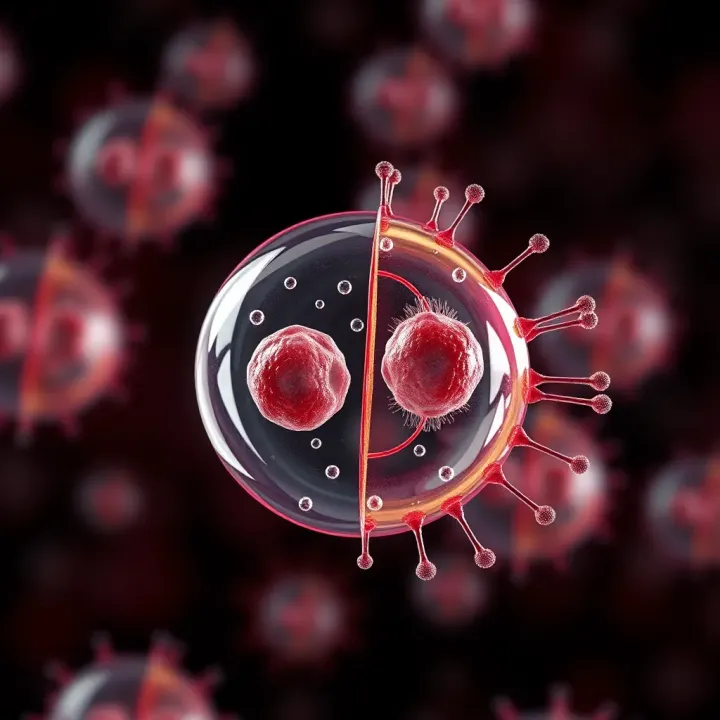
The first major event in binary fission is the replication of DNA. Since the original cell must pass a complete set of genetic instructions to each daughter cell, it copies its single circular chromosome before any division happens. In bacteria like Escherichia coli, this duplication happens fast—sometimes within minutes—allowing populations to grow rapidly under good conditions. For example, in Nigeria’s warm climate, E. coli in food or water sources can multiply quickly, which is why proper food handling is vital.
After copying the DNA, the cell enlarges its cytoplasm and other internal components. This growth phase prepares the cell for splitting by ensuring both new cells have enough materials to function independently. Cytoplasm expansion includes more ribosomes, enzymes, and cell membrane components. For industrial processes like fermentation used in producing yoghurt or enzymes, controlling this stage can affect yield and quality.
Once the DNA is duplicated, the two copies move to opposite poles of the cell. This segregation ensures each future daughter cell will have one complete genome. Failure in this separation can lead to cell defects or death. In biotechnology, engineers sometimes exploit this stage to introduce new genetic materials during bacterial growth for producing medicines or biofuels.
A dividing wall called the septum forms between the two DNA copies. This septum grows inward from the cell membrane and gradually separates the cell in two. In E. coli, the septum formation is tightly regulated by proteins that sense cell size and DNA position. Disrupting septum formation is a target for antibiotics, making this step significant in fighting bacterial infections.
The final step is when the septum fully closes, splitting the original cell into two daughter cells. These cells are genetically identical but capable of independent life. Complete separation also involves the remodelling of the outer layer to seal off each new cell. In Nigeria’s health sector, understanding cell separation helps in monitoring bacterial contamination or treating infectious diseases effectively.
Binary fission's efficiency comes from the tightly coordinated sequence of DNA replication, cell growth, segregation, and division. This stepwise process explains why bacteria can respond rapidly to environmental changes and why controlling any stage can influence microbial populations dramatically.
This detailed grasp of the binary fission process is not just academic but has practical implications across health, agriculture, and biotech industries locally and beyond.
Binary fission is a fundamental method by which many microorganisms replicate, ensuring their survival and proliferation in diverse environments. Recognising specific examples sheds light on how this process shapes ecosystems, impacts health, and drives biotechnological applications. Here, we focus on bacteria, protozoans like amoeba, and other microorganisms such as cyanobacteria and archaea to illustrate the biological significance of binary fission.
Escherichia coli (E. coli) is one of the best-known bacteria that reproduce rapidly through binary fission. Under ideal conditions, E. coli can divide every 20 minutes, enabling explosive population growth. This fast multiplication happens because the cell copies its DNA efficiently and splits into two identical cells, each ready to continue replicating. For the Nigerian context, this explains why E. coli-related infections can spread so quickly, especially in areas with poor sanitation.
The rapid fission of bacteria like E. coli has significant implications for infections and microbiology. When pathogens multiply swiftly, they increase the risk of spread and severity of diseases such as diarrhoea and urinary tract infections. Moreover, this quick reproduction facilitates the emergence of antibiotic resistance, as more offspring mean more chances for mutations. Understanding binary fission in bacteria helps health professionals devise better treatment plans and underscores the importance of public health measures to control bacterial infections.
Amoebas, single-celled eukaryotes, also reproduce via binary fission, but their process is slightly more complex than in bacteria. Their nucleus divides first, followed by the splitting of the cytoplasm. This allows protozoans to maintain genetic consistency while adapting to changing environments. For traders or analysts dealing with aquatic ecosystems, knowing amoeba’s fission process helps in understanding water quality and microorganism population dynamics.
These protozoans adapt to environmental stresses by adjusting their fission rate. When nutrients are plentiful, amoeba speeds up division; when conditions worsen, it slows down or enters dormant stages. This flexibility allows them to survive fluctuations in ecosystems like Nigerian freshwater bodies, influencing aquatic food chains and water health.
Cyanobacteria and some archaea also rely on binary fission to reproduce. Cyanobacteria, often found in ponds and rivers, contribute to oxygen production through photosynthesis while multiplying rapidly via fission. Some archaea thrive in extreme Nigerian environments like hot springs or saline lakes, sustaining unique ecosystems through their replication methods.
The ecological importance of these microorganisms lies in nutrient cycling and environmental balance. Cyanobacteria, for example, fix atmospheric nitrogen, enriching poor soils vital for agriculture. Archaea's presence in harsh environments reflects their role in biodegradation and maintaining ecosystem resilience. For investors and environmental consultants, understanding these microbial roles offers insight into sustainable resource management and potential biotechnological innovations.
Binary fission is not just a biological process; it’s a driver of health challenges, ecological balance, and industrial possibilities. Recognising common examples highlights its vast influence beyond the microscopic world.
E. coli multiplies rapidly, influencing infection spread and treatment responses.
Amoeba shows binary fission as a flexible survival tool in changing environments.
Cyanobacteria and archaea contribute to ecological processes vital for agriculture and ecosystem stability.
Understanding these examples gives traders, investors, and analysts a more grounded view of how binary fission intersects with health, environment, and industry in Nigeria.
Binary fission enables organisms like bacteria to multiply rapidly when conditions are favourable. For example, Escherichia coli can double its population every 20 minutes under optimal temperature and nutrient availability. This explosive growth means a small number of bacteria can become a large colony in just a few hours. Such rapid multiplication is essential for maintaining microbial populations in Nigeria's diverse environments, from soil to water bodies.
Besides growth, binary fission affects nutrient cycling. Bacteria split and multiply to break down organic matter efficiently, recycling nutrients like nitrogen and carbon back into the ecosystem. This process supports soil fertility and agricultural productivity, especially important in Nigeria where subsistence farming is widespread. Without these microorganisms' activity, nutrient cycling would slow, negatively impacting crop yields and food security.
The rapid multiplication of pathogens through binary fission has direct health implications. Bacteria that cause infections can quickly increase their numbers, overwhelming the immune system. For instance, Salmonella and Staphylococcus aureus exploit fast division rates to establish infections within days, posing serious challenges in hospitals and communities.
Furthermore, this quick turnover contributes to antibiotic resistance. When bacteria rapidly reproduce, there is a higher chance for mutations to occur. Some mutations may help bacteria survive antibiotic treatment, and these resistant strains multiply, making infections harder to treat. In Nigeria, where antibiotic misuse is common, this problem is particularly acute, demanding stronger public health measures and awareness.
Bacteria's ability to divide fast is harnessed in industries like fermentation. In Nigeria, fermentation is fundamental in producing traditional foods such as ogi and iru. Industrially, bacteria convert raw materials into valuable products like antibiotics, enzymes, and vitamins efficiently under controlled conditions. Their swift growth lowers production time and costs, benefiting businesses and consumers.
Moreover, genetic engineering relies heavily on bacterial binary fission. Scientists introduce desired genes into bacteria, which then multiply rapidly, producing significant amounts of proteins or compounds. This technique supports the development of medicines, biofuels, and agricultural products. For example, companies in Nigeria engaged in biotechnology use E. coli cultures to manufacture insulin cheaply and locally, making healthcare more accessible.
Binary fission is more than just cell division; it's a cornerstone process affecting health, ecology, and industry. Understanding its roles helps appreciate how microscopic cells influence macroscopic outcomes in everyday Nigerian life.
This section underscores binary fission's relevance beyond laboratory studies, showing practical impacts that traders, investors, analysts, and consultants should grasp when dealing with biotech, pharmaceuticals, agriculture, or public health sectors in Nigeria.
Observing binary fission firsthand allows a deeper understanding of how this fundamental process works. For traders and investors confident in interpreting biology’s role in industries like biotech and pharmaceuticals, seeing binary fission under the microscope makes the concept less abstract and more concrete. It also provides practical insights into bacterial growth dynamics, which could affect markets tied to fermentation, antibiotics, or food safety.
Garden soil samples provide a rich, natural source of bacteria, making them ideal for direct microscopic study without elaborate lab culturing. To prepare, smear a tiny amount of damp soil onto a clean slide and cover with a cover slip. This simple setup can reveal many bacterial forms using a light microscope with 400–1000x magnification.
This approach shows microbes as they exist in typical Nigerian environments, from farmland to urban gardens. It highlights the ubiquitous nature of binary fission as bacteria rapidly multiply and maintain ecosystems. Spotting these bacteria in real soil clarifies their role beyond textbooks — how they support nutrient recycling essential for Nigerian agric.
Once the slide is ready, focus carefully to find small, rod-shaped or spherical bacteria. Dividing cells often appear connected briefly by a thin bridge before splitting fully — the visible stage of binary fission. Timing observations over several minutes can capture this split.
Spotting dividing bacteria reveals how fast populations can rise. This rapid reproduction explains sudden blooms that impact water quality or food spoilage. For investors assessing food processing or water treatment businesses, this knowledge helps anticipate microbial risks and plan mitigation strategies.
Amoeba, a common single-celled eukaryote, divides by binary fission like bacteria but is larger and easier to see without special stains. Preparing a wet mount involves placing a drop of pond water containing amoebae on a slide and gently covering it with a cover slip.
This method keeps the amoeba alive and moving, allowing real-time observation of their shape changes and fission process. For analysts studying protozoan biology or environmental health, wet mounts provide direct insights into how amoeba respond to pollutants or changing conditions.
While wet mounts offer live views, staining with gentle dyes like methylene blue or iodine can highlight internal structures such as the nucleus. This improved contrast helps distinguish the exact moment DNA has replicated and the cytoplasm is dividing in the binary fission process.
Staining is especially useful in educational or research settings where clarity matters. In biotech firms exploring protozoan behaviour or developing diagnostic tools, clear visuals from staining guide understanding of cell cycles and responses to treatments.
Watching binary fission live reveals not just how cells split but why this process underpins rapid growth in nature, health, and industry. These experiments turn abstract concepts into visible, practical knowledge.
By practising these simple observations, traders, investors, and analysts can better appreciate the biological foundations that influence markets tied to health, agriculture, and biotechnology in Nigeria.
Learn how binary fission works with clear examples 🦠. Explore key steps of this asexual reproduction common in bacteria and single-celled organisms.

Explore how binary accounts work, their structure, uses, and tips for managing them effectively in Nigeria’s digital and financial scenes. 💻📊

🔐 Dive into binary login systems: how they work, security tips, and real-world uses in Nigeria's digital landscape for safer online access.

Explore the process of binary fission 🔬, how single-celled organisms reproduce through it, its key steps, benefits, limits, and how it compares to other methods.
Based on 13 reviews