

Understanding Binary Options for Nigerian Investors
Explore how binary options work, key strategies, risks, legal tips 🇳🇬 and protections against scams for Nigerian investors ready to trade smart.
Edited By
Amelia Brooks
Binary options have gained traction worldwide as a simplified form of trading, offering quick decisions and potential profits. For many Nigerians venturing into financial markets, understanding binary options can shed light on an alternative to traditional stock or forex trading.
At its core, a binary option is a contract predicting whether the price of an asset will rise or fall within a set time frame. Unlike regular trading where you own the asset or speculate on price variations continuously, binary options boil trades down to a simple yes/no outcome, often called a ‘digital option’.
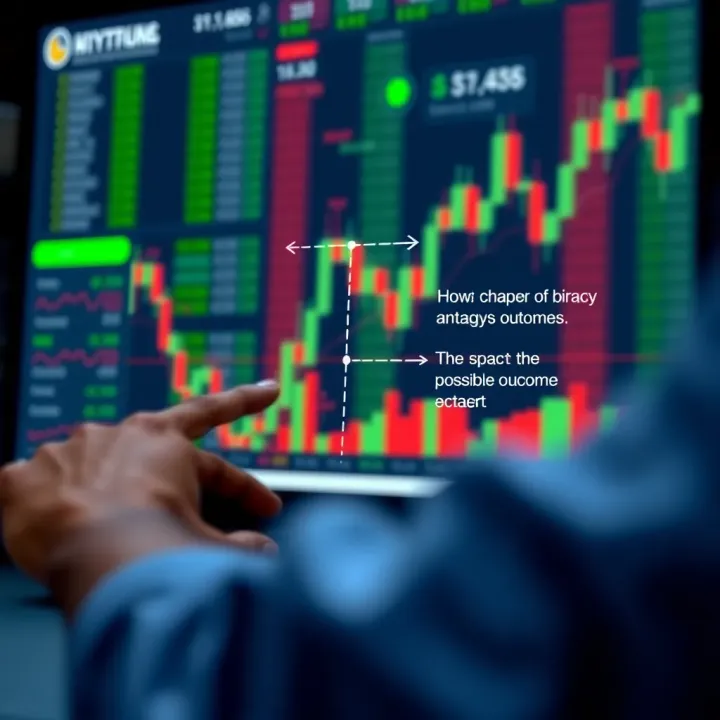
For example, say you believe the price of a barrel of crude oil will be above $70 by 1 pm tomorrow. You buy a binary option contract that pays a fixed amount, say ₦10,000, if your prediction is right. If the price ends up above $70 at expiry, you get the pre-agreed payout; if not, you lose the amount invested.
This all-or-nothing approach makes binary options easy to understand, but also risky. The fixed payout and defined loss mean traders always know potential profits or losses upfront, unlike trading where prices can move unpredictably.
Binary options are attractive for their simplicity, but the clear-cut win/lose nature demands careful strategy and discipline.
Key features include:
Short expiry periods, ranging from minutes to days.
Predefined payout and risk, allowing clear cost-benefit calculations.
Diverse underlying assets such as currencies, stocks, indices, and commodities.
In Nigeria, binary options trading is accessible through online brokers, but the industry faces regulatory scrutiny due to scams and unauthorised operators. Traders should verify platform legitimacy, possibly through the Securities and Exchange Commission (SEC) Nigeria, to avoid pitfalls.
Understanding how binary options work helps traders weigh potential returns against risks. This knowledge is essential before committing funds, particularly in a fast-changing financial scene like Nigeria’s, where careful money management and awareness protect investors from losses.
Next, we will explore the mechanics behind binary options trading and the practical considerations for Nigerian investors.
In financial trading, binary options are a unique form of contract where the outcome boils down to a simple 'yes' or 'no'. Traders predict if an asset’s price will be above or below a certain point at a specific time. This simplicity makes binary options attractive to many because you know your potential profit or loss before placing a trade.
Binary options have gained traction among traders looking for straightforward and fast-paced ways to access markets. For instance, a trader might speculate on whether the price of Brent crude oil will rise above $75 per barrel by 3 pm WAT. If the prediction is right, the trader earns a fixed payout; if wrong, the invested amount is lost. This clear-cut nature offers a practical approach for those who prefer defined risk levels.
Binary options are financial instruments where the payoff is either a fixed amount or nothing at all. Unlike other markets where profits can vary, binary options simplify the trade outcome. Because of this fixed return, traders can easily manage their exposure to risk.
For example, if you trade a binary option on the Nigerian Naira versus the US dollar, you just decide if the Naira will be stronger or weaker at the option's expiry. This makes it easy to grasp without the detailed price fluctuations that traditional trading demands.
The key difference is how returns and risks are structured. Traditional trading involves buying or selling assets like stocks or forex pairs, where your profit depends on the price movement magnitude. If you buy shares in a company, your gains or losses fluctuate as the share price changes.
Binary options, on the other hand, eliminate this variability by providing a fixed payout from the outset. You either make a predetermined profit or lose your initial investment. This setup is particularly relevant for traders who want to limit potential losses without juggling complex market strategies.
A binary option contract involves choosing an asset, a strike price, and an expiry time. The strike price is the level your prediction targets, while the expiry time marks when your option settles. At expiry, the contract checks if your prediction was correct.
For instance, on a trading platform, you might see a call option on Apple shares with a strike price of ₦20,000 and expiry set for 15 minutes later. If Apple's price closes above ₦20,000 within that period, you receive a fixed payout, often around 70-80% of your stake. Otherwise, you lose your invested amount.
The most common types include 'High/Low' and 'One Touch' options. High/Low options ask if the price will be higher or lower than the strike price at expiry, making them straightforward and popular.
One Touch options are a bit trickier—they pay out if the price hits a target level even once before expiry. This can offer bigger rewards but involves more risk. For Nigerian traders, understanding these types helps pick options that fit their risk appetite and trading style.
Binary options offer a clear risk-reward scenario, but it's essential to grasp their straightforward structure and how they contrast with traditional trading to make informed decisions.
To trade binary options effectively, you need to understand their key features and the terminology involved. These elements define how trades are executed, assessed, and settled, which ultimately affects your profits and losses. Without grasping concepts like expiry times, strike prices, payouts, and losses, navigating binary options markets can feel like a shot in the dark.
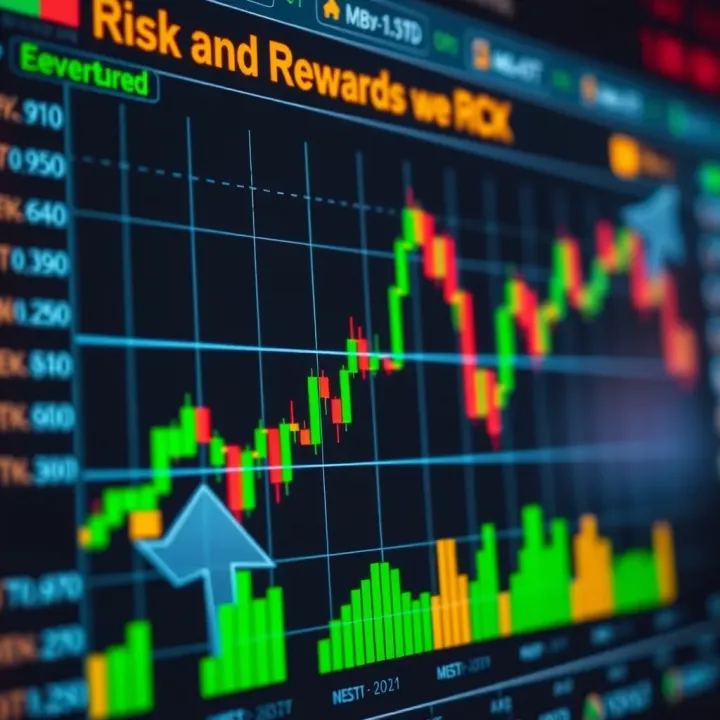
Understanding expiry times is fundamental in binary options trading. The expiry time is the exact moment your trade concludes, determining whether your position is successful. This interval can vary—from as short as 60 seconds to several hours or days. For instance, if you buy a binary option predicting that the price of Brent crude oil will be above $70 at 2 pm today, 2 pm is your expiry time. The shorter your expiry, the quicker your trade resolves, but short times also mean higher volatility and risk.
What strike price means in binary options is equally important. The strike price is the predetermined price level at which you place your bet, essentially the benchmark for success. If you predict the underlying asset’s price will rise above the strike price at expiry, your option is a "call"; if you believe it will stay below, you choose a "put." For example, if the NGX Index closes above 40,000 points at expiry, a call option with a strike price of 40,000 would pay out.
Fixed payout structure is a hallmark of binary options. You typically know your maximum potential gain and loss immediately before entering a trade. For example, you might risk ₦10,000 to gain ₦18,000 if your prediction is correct, reflecting an 80% payout. This fixed reward-risks setup appeals to traders who want clear-cut exposure without hidden variables. It simplifies profit calculation but also means profits are capped regardless of how far the asset moves.
Total loss scenarios occur when your prediction proves wrong at expiry. In these cases, you usually lose your entire stake, much like losing ₦10,000 on a ₦10,000 investment. Some platforms refund a small percentage in losses, but this isn’t guaranteed. This all-or-nothing feature makes binary options riskier than some other derivatives, especially for traders unaware of the volatility in markets such as forex or commodities.
Knowing these key terms and structures lets you make smarter decisions—recognising how much time you have, where the price needs to be, and exactly how much you could win or lose keeps trading grounded in clear numbers.
Understanding this framework helps manage expectations and avoid surprises, making it easier to evaluate binary options alongside other investment opportunities you might have in Nigeria’s growing financial markets.
Regulation and legality are central when considering binary options in Nigeria. Without proper oversight, traders face high risks from unlicensed operators and scams. Knowing the regulatory framework helps you identify legitimate platforms and protects your investments.
The Securities and Exchange Commission (SEC) Nigeria regulates capital market activities, including trading platforms where binary options could be offered. SEC’s role covers licensing brokers, enforcing compliance with market rules, and investigating fraudulent practices. For traders, dealing with SEC-registered platforms reduces the chances of running into dodgy operators.
SEC has repeatedly warned Nigerians about unregulated binary options platforms targeting local investors. For example, it routinely publishes lists of approved brokers and advises caution with platforms claiming unrealistic returns. This regulatory vigilance is vital because binary options platforms often operate online and are not always transparent.
The Central Bank of Nigeria (CBN) focuses on monetary stability and consumer protection in financial services. While the CBN does not directly regulate binary options, it issues warnings against using unlicensed foreign exchange and investment platforms, which often include binary options sites.
CBN advisories aim to protect Nigerians from losing funds to scams and unauthorised operators. For instance, the CBN directs banks and payment service providers to block transactions linked to non-compliant binary options platforms. This measure helps curb access to fraudulent schemes through local banking channels.
Many binary options platforms targeting Nigerian traders operate without local licensing. These unregulated platforms usually lack transparency about fees, payout structures, or terms. This absence of legal oversight increases the risk of unfair trading conditions, delayed withdrawals, or outright theft of funds.
Because there is no local authority to hold these companies accountable, traders have limited recourse if the platform stops responding or disappears. This issue is particularly serious given Nigeria’s growing interest in digital trading amid challenging economic conditions.
Recognising scams early prevents loss of money and stress. Common red flags include platforms promising guaranteed high returns, pressure to invest quickly without clear information, or refusal to allow withdrawals.
Additional warning signs are unprofessional websites with poor grammar or missing contact details, unsolicited calls or messages urging investment, and offers that seem too good to be true. Genuine brokers are generally transparent about risks, regulatory status, and trading conditions.
Always verify if a binary options platform is registered with SEC or recognised by other credible financial authorities before investing.
Being alert to these regulatory aspects and challenges helps traders make safer decisions in Nigeria’s binary options space.
Discussing the advantages and drawbacks of trading binary options is vital for any trader considering this financial instrument. Binary options might seem attractive because of their straightforward nature, but it is equally important to understand the risks involved. This balance helps you make better decisions and avoid common pitfalls.
Simplicity and fixed risk exposure: One of the biggest selling points of binary options is their simplicity. Unlike more complex trading instruments, binary options boil down to a simple yes/no prediction—will the price go up or down by a certain time? Because of this, traders know from the start exactly how much they can win or lose. For example, if you invest ₦10,000 on a binary option with a fixed payout of 70%, you stand to gain ₦7,000 or lose the ₦10,000 invested. This fixed risk exposure means you won't be caught off guard by unexpected losses.
This feature appeals particularly to new traders or those with limited capital. It removes guesswork about how much margin or leverage to use, which can be complicated in other markets like forex or stocks. The predictability of risk and reward makes it easier to plan and control your investments.
Opportunity for quick returns: Binary options often come with very short expiry times—sometimes as quick as 60 seconds up to a few hours. This allows traders to potentially realise profits in a short span compared to traditional investments, which might take weeks or months. For instance, a trader betting on the price movement of a forex pair or a stock index can see returns rapidly, which is helpful when liquidity and speed are priorities.
However, quick returns also mean fast decisions. This can be good for experienced traders who read the market well or who want to take advantage of short-term volatility during significant economic announcements like CBN policy shifts or company earnings releases on the Nigerian Exchange (NGX).
High likelihood of losses: Despite the appeal of quick, fixed returns, the reality is that binary option trading often results in losses for many traders. The simplicity masks a high-risk structure because the binary payoff means you either win a fixed amount or lose your entire stake. Without careful analysis and discipline, traders can drain their funds quickly.
In many cases, the odds are not in the trader's favour, especially when using platforms with high fees or poor payout ratios. Take the example of a trader who consistently bets on the direction of oil prices during unstable markets; sudden unexpected swings can wipe out investment rapidly.
Platform reliability issues: Another crucial risk comes from how trustworthy the trading platform is. In Nigeria and globally, there are numerous unregulated binary options platforms that have been linked to scams or poor customer service. Funds deposited in such platforms can be hard to withdraw, or the platform might manipulate prices and expiry times to reduce traders’ chances of winning.
Because of this, always verify if a platform is licensed by a recognised authority like Nigeria’s Securities and Exchange Commission (SEC) and check reviews from other users. Avoid platforms that promise guaranteed profits or those that use aggressive marketing to pull in novice traders. Using platforms with a solid reputation and transparent terms helps reduce risks related to fraud.
Trading binary options is not a shortcut to quick riches; it demands awareness of its simple appeal and significant risks. Approaching with caution, proper risk management, and due diligence on platforms is essential.
In summary, binary options offer fixed risk and potential for fast returns, making them appealing for some traders. Yet, the high risk of loss and platform concerns mean they are not suitable for everyone. Balancing these factors is key to informed trading decisions.
Trading binary options demands a firm grasp of risk and cautious steps, especially in Nigeria's fast-growing but often unregulated market. Approaching this form of trading responsibly means doing thorough homework, managing your risks, and exploring safer investment paths. This section highlights practical ways to safeguard your funds and make informed decisions.
Before you deposit any money, confirm that the platform holds a valid licence from recognised regulators like the Nigerian Securities and Exchange Commission (SEC). Licensing signals the platform’s commitment to follow rules designed to protect traders. For instance, trading on an unlicensed website exposes you to fraud risks, including sudden account freezes or withdrawal blocks.
Checking licensing also helps you avoid platforms that might disappear overnight. While some foreign binary options providers claim legitimacy, Nigerian authorities often warn against unregistered ones. So, make it a habit to visit SEC Nigeria’s official announcements or consult trusted broker reviews before committing your funds.
Always read the terms and conditions carefully. These documents explain vital details like withdrawal rules, fees, dispute resolution, and contract clauses that affect your money. Many traders miss this step and end up surprised by hidden charges or unfavourable payout formulas.
For example, some binary options platforms may limit your withdrawal amounts or impose waiting periods. Understanding these conditions upfront means no nasty shocks when you want to cash out your profits. Remember, responsible traders treat terms and conditions as a roadmap to navigate their investments safely.
To protect your capital, decide beforehand the maximum amount you’re willing to lose in a day or week. Treat binary options trading like any other financially risky activity where you cannot afford to bet your entire savings at once.
For example, if you start with ₦50,000, you might limit daily trades to ₦5,000 or less. Sticking to such limits prevents impulsive decisions driven by emotions, helping you stay rational even after a few losses. Many successful traders recommend this disciplined approach as a way to maintain long-term engagement without wiping out capital.
Relying only on binary options is risky. Instead, consider spreading your investments across different assets or platforms. For instance, mixing trades on currency pairs with other investments like stocks or micro-savings can reduce overall risk.
In Nigeria, diversifying might mean balancing binary options trading with holding shares on the Nigerian Exchange (NGX) or using fintech savings apps. This way, fluctuations in one asset class don’t completely affect your portfolio. Diversification brings stability and dampens the shocks that come from the volatile binary options market.
For those who want exposure to financial markets but a safer path, investing in stocks listed on the NGX is a practical option. Stocks represent ownership in companies, and while prices move, they usually don’t have the all-or-nothing nature of binary options.
You can start by buying shares in well-known Nigerian firms like Dangote Cement or GTBank. Over time, dividends and capital growth may build steady wealth. Plus, the NGX operates under clear regulation, providing more investor protection compared to many binary options platforms.
Fintech platforms are gaining ground in Nigeria, offering easy access to savings plans, micro-investing, and even fixed-income products. Platforms like Piggyvest and Cowrywise let you grow your money with low risk and no need to predict market moves like trading requires.
These apps often provide user-friendly interfaces and educational content, helping newbies build healthy financial habits. If binary options seem too risky or complex, these fintech alternatives give you practical ways to invest your money while avoiding the pitfalls of high-stakes trading.
Responsible trading starts with being well-informed and cautious. Applying these guidelines can protect your wallet and improve your chances of success in Nigeria’s challenging financial environment.
Explore how binary options work, key strategies, risks, legal tips 🇳🇬 and protections against scams for Nigerian investors ready to trade smart.

Explore how binary accounts work, their structure, uses, and tips for managing them effectively in Nigeria’s digital and financial scenes. 💻📊

🔍 Navigate Nigeria's binary options market confidently! Discover top brokers, key features, secure deposits, and reliable support to trade smartly. 📈🇳🇬

Discover how Nigerian traders can use binary options forums 📈 to gain reliable insights, avoid scams, share strategies, and boost trading skills safely.
Based on 11 reviews