

Understanding Binary Options for Nigerian Investors
Explore how binary options work, key strategies, risks, legal tips 🇳🇬 and protections against scams for Nigerian investors ready to trade smart.
Edited By
Edward Langley
Binary options have gained traction among Nigerian investors seeking simple, fast ways to trade. Unlike traditional investments such as stocks or forex, binary options boil down to a straightforward 'yes' or 'no' bet on an asset's price movement within a set time frame. This simplicity attracts many who want quick returns without juggling complicated market details.
At its core, a binary option means you predict whether the price of an asset—like the Nigerian Stock Exchange (NGX) listed equities, oil, gold, or forex pairs like USD/NGN—will rise or fall by expiry. If your prediction is correct, you receive a fixed payout, often between 70% to 90% of your stake. If wrong, you lose your investment entirely.
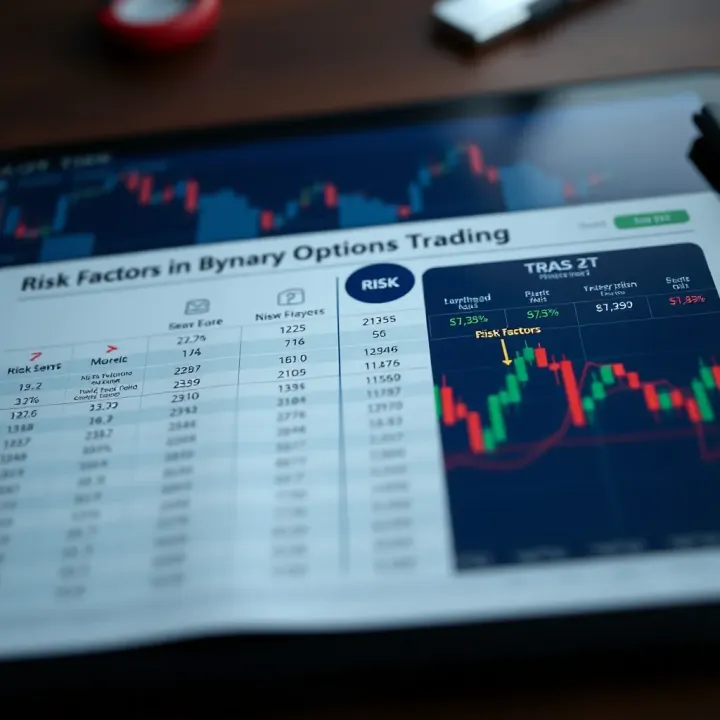
For example, if you place ₦10,000 on oil prices going up in the next hour and the price does increase, you might get back ₦18,000 (your ₦10,000 plus an ₦8,000 profit). But guess the wrong direction, and your ₦10,000 is lost.
Choose an asset to trade (e.g., NGX stock, forex pair, commodity).
Predict the price direction (up or down) within a specified expiry period, which can vary from minutes to months.
Decide the amount to invest.
Wait for the expiry time to see if your prediction holds.
Binary options platforms usually display the potential payout and risk clearly, making it easy to weigh your decisions.
Quick returns suit the daily hustler mindset.
Low capital requirements; you can start with as little as ₦1,000.
Growing internet access and mobile payments ease funding and withdrawal.
Still, that quick money comes with serious risk. The "all or nothing" nature means losses can happen fast, especially without proper strategy.
Only trade with licensed and regulated brokers to avoid scams.
Avoid platforms promising unrealistic payouts or guaranteed profits.
Start small and treat trading like a disciplined business, not gambling.
Understanding these basics helps you judge if binary options fit your investment style or if you should explore more traditional avenues like mutual funds or stocks. This article will go deeper into risks, strategies, and tips relevant to Nigerian traders.
Next, we will discuss the major risks involved and how to manage them effectively.
Binary options offer a straightforward approach for Nigerian investors seeking simple yet potentially rewarding financial tools. Unlike traditional investments where profits vary, binary options are all about predicting price movements within a fixed timeframe. This feature makes them appealing, especially for those who want clear-cut outcomes without the complexities of managing multiple variables.
Understanding how binary options function helps investors avoid pitfalls and make informed decisions, particularly in the often volatile Nigerian market.
At its core, a binary option asks a simple question: will an asset's price be above or below a specified level at a certain time? You place your bet, or "option," predicting either a ‘call’ (price goes up) or a ‘put’ (price goes down). If your prediction is right when the option expires, you earn a fixed payout; if wrong, you lose your stake. Unlike regular stock trading, you don’t own the asset but simply trade on the direction of its price.
For example, say you believe the price of Nigerian oil futures will rise over the next hour. You acquire a call binary option on oil prices. If, after the hour, the price is indeed higher, you get a set return, typically between 70%-85%. If not, your investment in that option is lost.
Binary options work on an all-or-nothing basis, differing significantly from common Nigerian investment avenues like the NSE (Nigerian Stock Exchange) equities or real estate. Traditional investments often require deeper analysis of fundamentals and much longer holding periods. With binary options, focus is on short-term moves and market timing.
Unlike forex trading, which demands understanding of currency pair fluctuations, spreads, and sometimes overnight fees, binary options simplify the interface by setting fixed risk and reward upfront. This transparency appeals to traders who want to limit potential losses.
Still, the simplicity comes with risks — placing frequent bets without solid strategy can lead to quick losses. Hence, it’s vital to understand the mechanics before diving in.
Binary options platforms usually offer diverse assets familiar to Nigerian traders:
Forex pairs: Like USD/NGN or EUR/USD — popular due to Nigeria’s active forex interest.
Commodities: Crude oil and gold are common due to their direct impact on Nigeria’s economy.
Indices: Such as the NGX All-Share Index or the US Dow Jones, providing exposure to broader markets.
Stocks: Shares of major listed companies like Dangote Cement or MTN Nigeria.
This variety allows investors to diversify strategies, aligning with Nigeria’s dynamic financial environment.

In summary, binary options attract Nigerian investors because they offer clear, time-bound bets, a range of accessible assets, and upfront risk-reward knowledge. Though simpler than many traditional investments, they need cautious handling to avoid losses.
Binary options trading demands more than just luck; it requires a good grasp of strategies to make informed predictions. In the Nigerian market, where financial literacy is growing but often meets limited resources, understanding popular trading strategies can help investors manage their stakes wisely and avoid heavy losses.
At the heart of binary options trading lie call and put options. A call option is a bet that an asset’s price will rise above a certain level within a set timeframe. For example, if you believe the price of oil, trading on international markets, will increase today, you buy a call. On the flip side, a put option is the opposite—you predict the price will fall. Suppose you expect the Nigerian Stock Exchange (NGX) index to decline, then buying a put may be your route. These simple choices offer a straightforward way to engage with fast-paced markets without buying the asset outright.
Successful binary trading often depends on how well you can anticipate market movements. Several approaches can help:
Technical analysis: Using charts and past market data to spot trends or patterns. Nigerians often tap into price charts for local stocks or commodities like cocoa and crude oil.
Fundamental analysis: Observing news that affects asset prices, such as CBN policy changes, election results, or global economic shifts impacting oil prices.
Sentiment analysis: Gauging the overall mood of the market, which includes following expert opinions, social media trends, or broker updates.
By blending these methods, traders increase their chances of making winning predictions rather than guessing blindly.
Risk management is essential, especially given the all-or-nothing nature of binary options. Unlike traditional trading, where losses might be gradual, binary options can wipe out your stake on a single mistaken call. Here are some practical tips:
Set a strict budget for how much you can afford to lose without affecting daily life.
Use the "limit order" equivalent by selecting expiry times suited to your analysis—don’t rush into quick trades without conviction.
Diversify your trades across different assets instead of betting everything on one commodity or stock.
Keep emotions in check; never chase losses as this leads to poor decisions.
Careful risk management protects you from low probability bets and ensures your capital lasts longer in this high-risk market.
Employing these strategies significantly improves a Nigerian trader’s ability to navigate the binary options landscape with greater confidence and control. As the market evolves, staying informed and disciplined remains key to turning these straightforward tools into viable investment opportunities.
Trading binary options carries significant risks in Nigeria, and understanding these challenges is vital for investors. Many Nigerians are drawn to binary options because of their simplicity and potential quick returns. However, these come with pitfalls that can wipe out investments quickly if unchecked. Knowing these risks helps traders protect their funds and avoid costly mistakes.
Binary options attract fraudsters due to their ease of access and promise of fast money. Many scams involve fake brokers who lure traders with unrealistic profits, only to disappear with deposits. For example, some platforms may refuse withdrawal requests or manipulate prices to cause losses. Nigerians face extra risk because some fraudulent sites target the local market without oversight from Nigerian authorities. Always verify a broker's legitimacy, looking for proper licenses and reading reviews from credible sources to avoid falling victim.
The Nigerian financial market currently has limited specific regulation on binary options. The Securities and Exchange Commission (SEC Nigeria) mainly oversees traditional securities but has yet to fully regulate binary options trading. This regulatory gap creates uncertainty and exposes traders to unregulated operators. Unlike forex trading, which has clearer guidelines, binary options lack government-approved platforms in Nigeria, meaning protective measures are weak. Traders should tread carefully and prefer brokers regulated by recognised international bodies like the Financial Conduct Authority (FCA) of the UK to reduce risk.
Beyond scams and regulation, binary options face the natural challenges of financial markets—high volatility and unpredictability. Asset prices can swing sharply within minutes, impacting the outcome of trades. Unlike long-term investing, binary options require precise timing; a slight miscalculation can cause total loss. For example, crude oil prices or cedi/dollar rates may jump unexpectedly due to geopolitical events or Central Bank policy changes, unlike steady investments like Nigerian government bonds. Hence, traders must understand market dynamics and avoid chasing quick wins without adequate analysis.
Traders must balance their eagerness with caution in binary options, especially in Nigeria where scams and regulatory uncertainty persist.
Taking these risks seriously allows Nigerian investors to approach binary options not as a quick jackpot but as a high-risk tool demanding discipline, research, and vigilance.
Starting binary options trading safely in Nigeria is essential to protect your investments from common pitfalls like scams and unreliable platforms. Given how the market operates with many unregulated brokers, Nigerian investors must be cautious, practical, and well-informed before committing funds. This section guides you through selecting trustworthy platforms, opening accounts properly, and managing your investment limits effectively.
Finding a reputable trading platform is the first step to safe binary options trading. Look for brokers with clear regulation from recognised bodies such as the International Financial Services Commission (IFSC) or those acknowledged by Nigeria's Securities and Exchange Commission (SEC). For instance, platforms with transparent user reviews, responsive customer support, and easy access to funds reduce risk significantly.
Platforms like Pocket Option and Olymp Trade have gained recognition among Nigerian traders because they offer simple interfaces and accept naira funding, often through local payment methods like Paystack or Flutterwave. Avoid platforms that promise unrealistic returns with little information on their operations — these often turn out to be scams.
Always test the platform with a demo account first to understand how trading works without risking your money.
Once you select a trusted platform, opening an account involves straightforward steps:
Complete the registration form with accurate personal details.
Submit verification documents such as your National Identification Number (NIN) or International Passport.
Choose your preferred funding method; popular Nigerian-friendly options include bank transfers (GTBank, Access Bank), USSD codes, or payment wallets like OPay and PalmPay.
Deposit funds with amounts you’re comfortable risking, starting from as low as ₦5,000 on some platforms.
Ensure your KYC (Know Your Customer) process is fully complete to avoid withdrawals being delayed or frozen.
Managing your money wisely means setting clear investment limits and real goals. Don’t plunge your entire savings into binary options. Instead, decide on a budget you’re willing to risk, such as ₦20,000 per month, and stick to it strictly.
Educate yourself on what you hope to achieve — be it learning market movements or making small supplementary income. This approach keeps expectations realistic and protects you from emotional decisions.
Some traders even set daily loss limits; for example, stop trading once you lose ₦2,000 in a day. This habit prevents chasing losses, which can quickly deplete your capital.
Starting smart with the right platform, clear account setup, and disciplined money management helps Nigerian investors trade binary options safely and sustainably.
When assessing investment choices, Nigerian investors benefit from knowing how binary options stack up against other popular options like stock market trading and forex. This comparison helps highlight key differences in risk, accessibility, and potential returns, allowing investors to make choices suited to their financial goals, experience, and risk appetite.
Trading binary options differs sharply from investing in the Nigerian Stock Exchange (NGX). With binary options, you bet on the direction of an asset's price within a short timeframe, often minutes or hours, which offers quick gains or losses. In contrast, NGX stock investments usually involve holding shares in companies with the potential for dividends and capital growth over months or years.
For example, a trader might predict the price of Dangote Cement shares will rise within the next hour using binary options, aiming for a fixed payout if correct. Meanwhile, a traditional NGX investor buys Dangote shares expecting long-term value appreciation plus occasional dividend income. While the stock market demands careful analysis of company fundamentals and economic factors, binary trading leans heavily on short-term technical and market sentiment indicators.
NGX investing is generally less risky if held long-term, but it requires more capital and patience. Binary options can offer faster returns with smaller amounts but come with higher risks and often less regulation.
Forex trading involves buying and selling currency pairs, like the US dollar against the naira, based on exchange rate movements. It can be done on platforms that offer margin trading, giving traders significant leverage but also heightening risk.
Binary options in forex are simplified bets on whether a currency pair’s rate will be above or below a level at expiry. Forex traders often use detailed analysis, chart patterns, and economic news to make informed trades. Binary options reduce forex trading to a yes/no question, making it easier but potentially less strategic.
For instance, a forex trader might buy US$/NGN expecting naira weakness over weeks, while a binary options trader might speculate on the pair rising within the next hour. Forex positions can be adjusted or closed anytime, whereas binary options have fixed expiry times.
Nigerian investors interested in forex benefit from longer-term trading plans and learning market drivers. Binary options appeal more to those wanting quick speculation but should be approached cautiously considering the risks.
Binary options fit investors who prefer straightforward, quick decisions and can handle total loss of capital with minimal harm. They suit experienced day traders seeking short-term speculation or those with limited starting capital wanting fast trade cycles.
Meanwhile, conservative investors aiming for steady wealth accumulation usually find safer avenues like NGX stocks, mutual funds, or fixed-income investments more suitable. Young professionals with disposable income might combine long-term stock investments with occasional binary option trades.
To summarize:
Aggressive, risk-tolerant traders: Might use binary options for rapid returns but need strong risk controls.
Long-term wealth builders: Better served with NGX stocks or mutual funds.
Casual investors: Should carefully evaluate binary options' risks before engaging.
Knowing how binary options compare to Nigeria's other investments helps you pick strategies aligned with your resources and goals. Never invest money you can't afford to lose, especially in high-risk tools like binary options.
By understanding these distinctions, Nigerian investors can choose their preferred pathways with eyes wide open, stacking the odds in their favour rather than chasing quick wins recklessly.
Explore how binary options work, key strategies, risks, legal tips 🇳🇬 and protections against scams for Nigerian investors ready to trade smart.

Explore how binary accounts work, their structure, uses, and tips for managing them effectively in Nigeria’s digital and financial scenes. 💻📊

🔍 Navigate Nigeria's binary options market confidently! Discover top brokers, key features, secure deposits, and reliable support to trade smartly. 📈🇳🇬

Discover how Nigerian traders can use binary options forums 📈 to gain reliable insights, avoid scams, share strategies, and boost trading skills safely.
Based on 9 reviews