
Understanding Binary Accounts in Nigeria
Explore how binary accounts work, their structure, uses, and tips for managing them effectively in Nigeria’s digital and financial scenes. 💻📊
Edited By
Henry Dawson
Binary trading has drawn a lot of attention from investors here in Nigeria, but there's still a good deal of confusion about what it really means and how it operates. Simply put, binary trading involves predicting whether an asset’s price will rise or fall within a certain timeframe. Unlike traditional trading where profits depend on how much the price moves, binary options offer fixed returns — you either win a set amount or lose your stake.
This form of trading is quite popular because it seems straightforward. You’re choosing between two outcomes, much like placing a bet in a football match — either the team wins or it doesn't. However, the simplicity masks risks that beginner traders in Nigeria often overlook.
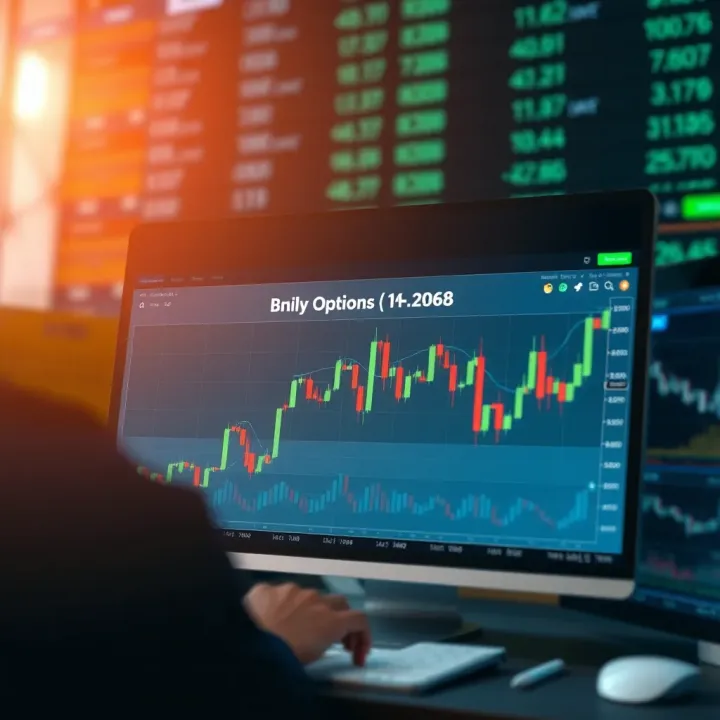
Choose an asset: This might be a currency pair like USD/NGN, a stock listed on the Nigerian Stock Exchange (NGX), or even commodities like oil or gold.
Decide the expiry time: This could range from 30 seconds to several hours, depending on the platform.
Place a trade: Predict whether the asset price will be above or below a specific value when the option expires.
Wait for results: If your prediction is correct, you earn a fixed return (often between 70-90% of your investment). If wrong, you lose your stake.
Many Nigerian investors are attracted to the high potential returns, but it’s crucial to understand the risks involved. Binary options are often fast-paced and highly speculative. The odds don’t always favour the trader, particularly on unregulated platforms.
Knowing how these trades function is the first step for any serious trader or investor planning to explore binary options. The market's volatility, combined with uncertain regulations, means you must approach with caution. Later sections will explore strategies, risks, and ways Nigerians can protect themselves while navigating this space.
Binary trading offers Nigerian investors a simple, yet high-stakes way to engage with the financial markets. Unlike traditional trading where profits grow gradually, binary trading hinges on straightforward 'yes' or 'no' decisions about price movements within a set timeframe. This makes it accessible for investors who may not have deep expertise but seek exposure to various assets like foreign exchange pairs, commodities, or stock indices.
For Nigerians, binary trading presents an opportunity to diversify investment portfolios beyond conventional avenues such as fixed deposits or government bonds. However, the nature of binary options demands careful understanding and consideration due to its all-or-nothing payoff structure. The importance of grasping how this works cannot be overstated, especially in a market influenced by factors like naira volatility and limited local regulation.
Binary options are financial contracts where the payoff is either a fixed amount or nothing at all, based on a simple yes/no proposition. For example, an investor might predict whether the price of the Nigerian Naira against the US dollar will rise above a certain point within one hour. If correct, they receive a predetermined return; if wrong, the entire stake is lost. This clear-cut outcome distinguishes binary options from other derivative products, serving as a straightforward entry point for many Nigerian investors.
Trades in binary options revolve around predicting the direction of an asset's price at a future time. Before placing a trade, the investor decides the asset, the expiry time (which can range from minutes to days), and the stake amount. The broker then offers a payout percentage if the prediction is correct. For instance, a ₦10,000 trade with an 80% payout means the investor earns ₦18,000 if the trade expires positively (₦10,000 stake + ₦8,000 profit).
Several types exist, each with distinct mechanics. The most common is the 'high/low' option, where the trader bets on whether the price will be above or below a set level at expiry. Others include 'one-touch' options, which pay out if the price hits a specific target during the trade period, and 'range options', where the price must stay within a defined range. Knowing these types helps Nigerian investors choose strategies suited to their risk appetite and market outlook.
Binary trading appeals due to its capacity for fast gains. Trades can last from 30 seconds to a few hours, enabling investors to make money swiftly if they get the prediction right. For example, a Lagos-based trader could quickly execute multiple trades during market hours. This quick turnover contrasts with typical Nigerian investment options that often lock funds for months or years.
Despite its attraction, there are misconceptions that binary trading is an easy route to wealth or akin to gambling. While risk is high, successful traders employ strategies grounded in analysis and discipline. Treating binary trading as mere chance leads many Nigerians to lose money, especially on unregulated platforms promising unrealistic returns.
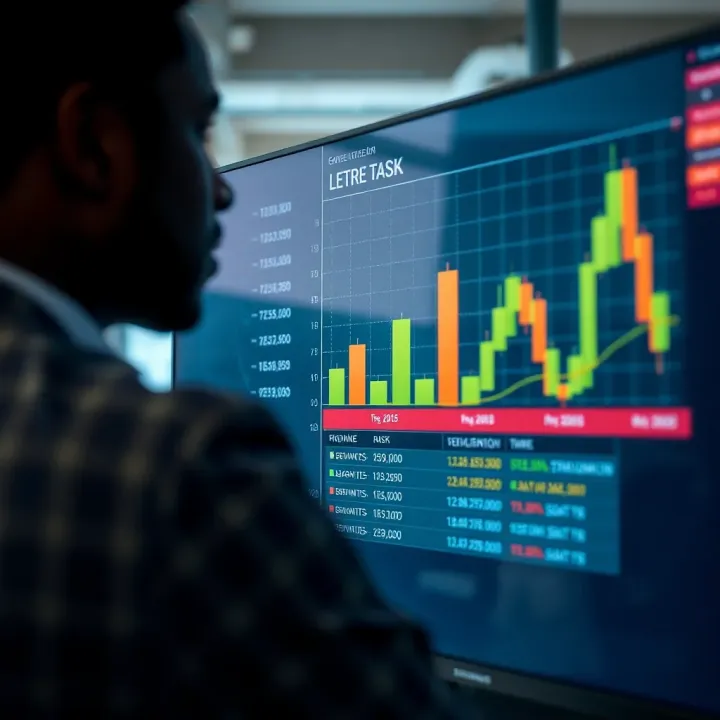
Naira's frequent fluctuations affect binary trading outcomes, particularly in forex-related options. Volatility can increase both opportunity and risk, sometimes creating sudden price swings that either boost profits or wipe out stakes rapidly. Importers, exporters, or anyone linked to dollar/naira movements need to grasp currency trends thoroughly before engaging in binary trades tied to these pairs.
Binary trading isn’t a quick fix but a tool; understanding its mechanics and environment is essential to avoid pitfalls while exploring its benefits.
Binary trading demands more than luck; it requires smart strategies that can help investors navigate the volatility of financial markets. Nigerian traders often rely on a blend of fundamental and technical analysis alongside disciplined risk management to make informed moves. These strategies help reduce guesswork and improve the chances of profit even in fluctuating market conditions.
Using market indicators is a key tool for binary traders. These indicators—such as moving averages, Relative Strength Index (RSI), and Bollinger Bands—offer clues about market momentum and potential price reversals. For instance, if the RSI shows an asset is overbought, a trader might expect a price drop and place a corresponding trade. Ignoring these signals can leave traders vulnerable to sudden market swings, especially in Nigeria where external factors like CBN policy changes can move markets quickly.
Interpreting charts and trends is equally critical. Traders examine price movements over time via candlestick charts or line graphs to identify patterns such as head and shoulders or double bottoms, which suggest upcoming shifts. Recognising a rising trend in a currency pair like USD/NGN could signal a good time to predict upward movement. This visual analysis provides a practical edge, turning raw numbers into actionable trade decisions.
The relation to Nigerian economic data cannot be overemphasised. Local economic indicators like inflation rates, petrol subsidies, and naira exchange rates directly affect asset prices. For example, news of a fuel subsidy removal often triggers naira volatility, influencing forex and commodity prices. Traders who monitor reports from the Nigerian Bureau of Statistics or Central Bank of Nigeria (CBN) can adapt their strategies accordingly, avoiding blind trades based on global trends alone.
Setting trade limits helps traders cap how much of their capital is exposed per trade. A practical rule is risking no more than 2-5% of total investment capital on a single trade to avoid significant damage from a loss. For example, with ₦100,000 available for trading, a binary trader might place a maximum of ₦2,000 to ₦5,000 per trade. This approach preserves funds for future opportunities and prevents emotional decisions driven by desperation.
Managing losses is about knowing when to stop. Binary trading’s fast pace can encourage chasing losses, but seasoned traders accept some losses as part of the game. They use stop-loss orders or exit plans to minimise damage and avoid spiralling into heavier losses. For Nigerian investors, where naira fluctuations already heighten risk, this cautious stance proves especially useful.
The importance of discipline ties all strategies together. Sticking to analysis, trade limits, and avoiding impulsive choices requires mental control. A disciplined trader doesn't allow FOMO (fear of missing out) or hype around market rumours to dictate trades. For example, during ember months when markets tend to be unpredictable, a patient, measured approach often outperforms rash decision-making.
Sound strategy paired with strict risk management can protect your capital and improve your chances of consistent returns in Nigeria’s dynamic trading environment.
Employing these core strategies thoughtfully helps Nigerian binary traders avoid common pitfalls and trade with confidence. While no strategy guarantees success outright, mixing analysis with practical risk controls gives traders a strong foundation to operate from.
Binary trading might look like a quick way to earn from the market, but it carries significant risks Nigerian investors must understand. The sector is riddled with scams and unregulated brokers, and the legal framework is not fully transparent. These factors make it necessary to be careful before committing funds, especially as naira fluctuations and Nigeria's peculiar economic environment add complexity to trading outcomes.
Red flags for unreliable brokers include promises of guaranteed high returns with little risk, aggressive marketing approaches, unclear or missing contact information, and pressure to deposit large sums quickly. For example, some platforms operating in Nigeria advertise 100% returns within hours, which should raise suspicion. A reputable broker will be transparent about risks, fees, and withdrawal processes.
Equally important is the importance of using regulated platforms. Brokers authorised by Nigerian regulators like the Securities and Exchange Commission (SEC) or registered with international regulatory bodies tend to adhere to rules that protect investors. Using such platforms reduces the chance of being defrauded and improves access to legal recourse if issues arise. Nigerian traders using unregulated platforms risk losing their investments with little chance of recovery.
There are reports from Nigerian regulators warning investors about dubious binary options sites. The SEC often issues public advisories naming unregistered platforms operating in Nigeria, helping investors avoid common traps. These alerts also highlight patterns of fraud specific to binary trading, like withdrawal refusals and fake account statements. Heeding regulator warnings can save investors from severe losses.
The Central Bank of Nigeria's (CBN) stance on binary trading is cautious. While CBN oversees currency and financial stability, it has not formally licensed any binary trading platforms. The bank advises Nigerians to exercise caution, as many such operations lack proper safeguards against fraud, and some may violate foreign exchange rules.
Meanwhile, SEC Nigeria regulations provide the primary legal framework relating to investment products and intermediaries. SEC requires investment firms to obtain licences and comply with operational standards. Unfortunately, many binary platforms do not hold SEC registration, putting users outside regulatory protection. SEC's role includes monitoring, sanctioning illegal operators, and educating the public on investment risks.
Steps to verify platform legitimacy include checking official SEC listings or CBN publications for registered brokers. Investors should also review user feedback on trusted forums and social media groups dedicated to Nigerian traders. Practical verification involves confirming physical office addresses and regulatory licences rather than trusting flashy websites or unsolicited emails. This due diligence reduces the risk of falling victim to scams.
Nigerian investors should prioritise platforms with clear licensing and regulatory compliance. The combination of verifying registration, reading regulator alerts, and scrutinising broker behaviour forms the best defence against losses in binary trading.
Navigating binary trading without awareness of these risks can lead to serious financial harm. Taking time to understand the regulatory backdrop and spotting fraud indicators equips investors with the tools to make safer choices in Nigeria’s dynamic financial market.
Binary trading carries both opportunities and risks, especially for Nigerian investors navigating volatile markets and regulatory grey areas. Approaching binary trading safely means minimizing exposure to fraud, managing your funds wisely, and choosing platforms that protect your interests. This section lays out practical tips and checkpoints to help Nigerian investors trade confidently and reduce avoidable losses.
A credible binary options broker typically offers transparent terms and clear fee structures. They provide a well-designed platform that is easy to navigate and supports multiple payment options including Naira funding through local banks or fintech services like Paystack and Flutterwave. Trustworthy brokers also have responsive customer support and provide educational resources to help you understand trading risks. For instance, a broker that regularly updates traders with market insights demonstrated commitment beyond just taking clients’ money.
In Nigeria, binary trading platforms should ideally be registered with the Securities and Exchange Commission (SEC). Though the Central Bank of Nigeria (CBN) traditionally views binary options with caution, platforms with SEC approval provide some reassurance of regulatory oversight. Always verify a platform’s licensing status on the SEC Nigeria official listings before committing funds. This step helps avoid unregulated sites that often disappear overnight after scamming investors.
Before picking a broker, spend time reading user reviews on forums, social media, or trusted Nigerian financial blogs. Investors sharing real experiences—both positive and negative—can be invaluable. Watch out for repeated complaints about delayed withdrawals or sudden account freezes. Remember, no platform is perfect, but patterns of poor treatment or lack of transparency are significant red flags that you should not ignore.
Always begin trading with small amounts. Allocating a tiny part of your investable capital to binary options helps reduce the chances of a huge loss while you learn the ropes. For example, starting with ₦10,000 rather than jumping straight to ₦100,000 allows you to test the platform and your strategy without risking your entire margin.
Many credible binary brokers offer demo accounts where you trade without real money. Using these accounts allows you to understand how trades work and get comfortable with decision-making without financial risk. It’s an excellent way for a beginner to familiarise with market movements, binary options expiry times, and the nuances of payout structures.
Staying updated on relevant market news is essential when trading binaries, as sudden economic reports or geopolitical events affect asset prices. Nigerian investors should follow local economic indicators like CBN’s interest rate decisions and international developments impacting forex or commodities. Leveraging trusted news outlets and financial portals ensures your trades are informed and less prone to surprises.
Trading safe is more than just picking a platform; it's about staying vigilant, using smart strategies, and respecting your risk limits. With careful steps, binary trading can add a thoughtful dimension to your investment portfolio.
Explore how binary accounts work, their structure, uses, and tips for managing them effectively in Nigeria’s digital and financial scenes. 💻📊
🔐 Dive into binary login systems: how they work, security tips, and real-world uses in Nigeria's digital landscape for safer online access.

Explore how Nigerian female binary forex traders on Instagram share tips, tackle challenges, and balance life, boosting community knowledge 📈👩🏽💻📱
Explore how binary numbers work 🔢, their role in math and computing 🖥️, plus easy methods for conversions and binary arithmetic explained clearly.
Based on 12 reviews