
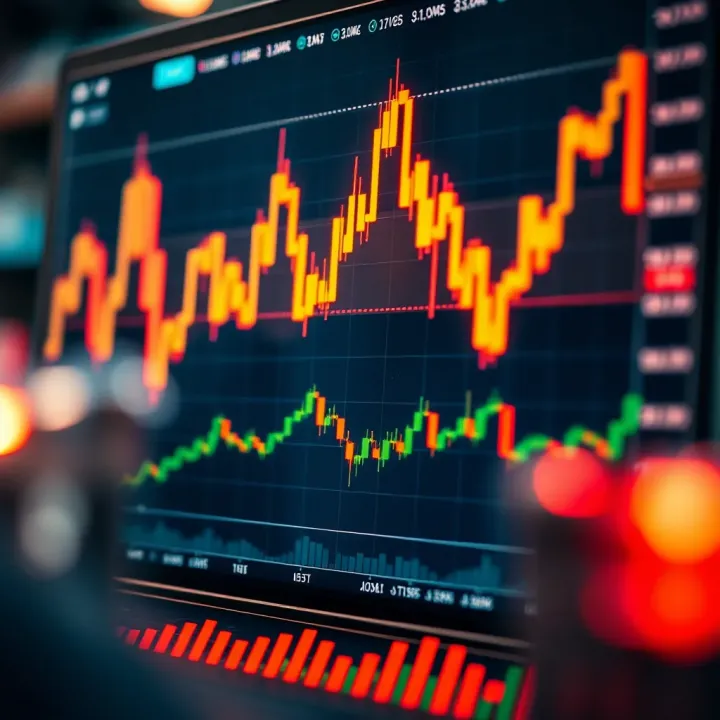
Top Forex Trading Strategies for Nigerian Traders
Discover effective forex trading strategies for Nigerian traders 🇳🇬. Learn risk management, key tools, and approaches to boost your trading success 📈.
Edited By
Oliver Mills
Forex trading, often called foreign exchange trading, means buying and selling currencies to make profits from changes in exchange rates. In Nigeria, this market is especially dynamic because the naira’s value shifts frequently against global currencies like the US dollar, euro, and pound sterling.
Trading forex involves pairs—think of USD/NGN or EUR/USD—where you simultaneously buy one currency and sell the other. For example, if you believe the dollar will strengthen against the naira, you buy USD/NGN. When the exchange rate rises, you sell to make a profit.
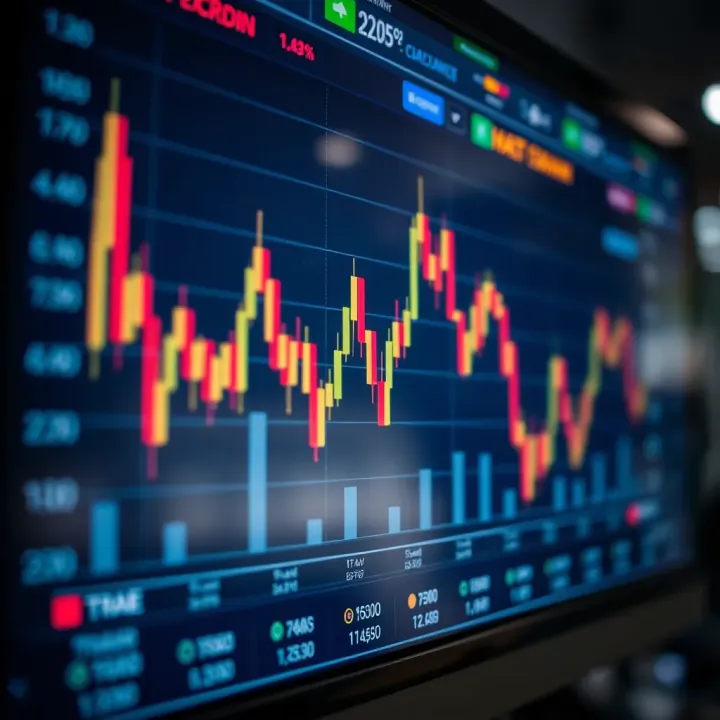
Understanding the factors behind these rate movements is key. They include:
Economic indicators such as inflation rates, unemployment figures, and GDP growth.
Central bank policies led by the Central Bank of Nigeria (CBN), which influence interest rates and liquidity.
Political events and regulatory changes.
Global commodity prices, especially oil, since Nigeria depends heavily on oil exports.
The naira can fluctuate sharply during embers months or when there is uncertainty around fuel subsidy, making forex trading both an opportunity and a risk.
Risk in forex trading is real. High leverage sometimes offered by brokers can magnify gains, but also losses. Beginners should avoid overtrading and use stop-loss orders to limit risk exposure.
To trade safely in Nigeria, it’s essential to choose regulated platforms. The CBN oversees authorised dealers and forex brokers to protect investors. Popular platforms like OANDA, FXTM, and local brokers with CBN approval offer reliable access.
For Nigerian investors, starting with a demo account helps build skill without risking real money. Learning to interpret charts, use technical analysis tools, and stay updated on local and global news improves chances of success.
In short, forex trading offers a practical way to diversify investments and possibly profit from currency swings if done carefully and informed by local realities such as naira fluctuations, generator costs, and economic policies.
Understanding what forex trading means is key for any Nigerian investor looking to navigate the currency market successfully. At its core, forex trading involves exchanging one currency for another with the goal of making a profit from currency price changes. This activity is not just for big banks or international traders; even everyday investors in Nigeria can engage in forex trading to diversify their portfolios or hedge against naira volatility.
Forex trading revolves around currency exchange — the buying of one currency while simultaneously selling another. Imagine you hold US dollars ($) but expect the euro (€) to strengthen soon. You sell your dollars to buy euros, aiming to sell those euros later at a higher price. This simple exchange process is influenced by factors like supply and demand, interest rates, and economic conditions both within and beyond Nigeria.
In practical terms, currency exchange is what businesses do when they import goods; they need to convert naira to dollars or euros to pay suppliers abroad. For traders, this constant currency movement creates numerous opportunities to profit.
The primary purpose of forex trading is profit-making from shifts in currency values. Investors speculate whether a currency’s value will rise or fall and position themselves accordingly. Beyond speculation, forex trading enables companies and financial institutions to hedge their transactions, reducing currency risk. For example, a Nigerian exporter paid in dollars might sell those dollars immediately to secure a fixed naira amount, protecting against sudden naira depreciation.
For individual Nigerian investors, forex trading offers a chance to earn from global market activity, provided they understand the risks and use reliable platforms.
Forex trading always involves currency pairs, such as USD/NGN (United States dollar against Nigerian naira) or EUR/USD (euro versus the dollar). The first currency is the base, and the second is the quote. The price indicates how much one unit of the base currency costs in the quote currency. For instance, if USD/NGN is 800, it means one US dollar buys 800 naira.
This pairing system helps traders instantly understand exchange rates and decide whether to buy or sell. In Nigerian markets, attention on pairs like USD/NGN is high because of the naira’s fluctuation against the dollar.
The forex market includes various players: central banks like the Central Bank of Nigeria (CBN), commercial banks, corporations, hedge funds, retail traders, and brokers. Each has different motives—central banks intervene to stabilise their currency, corporations exchange money for business payments, while retail traders aim to profit from price movements.
For Nigerian investors, knowing these roles helps understand market liquidity and timing. For example, when the CBN adjusts policy rates, it often creates opportunities or risks for forex traders.
Success in forex trading depends on grasping how currencies interact through pairs and recognising the diverse market players driving currency flows.
Understanding what moves currency values is essential for anyone investing in forex markets. Exchange rates do not simply fluctuate at random; they respond to tangible factors in economies, politics, and global events. For Nigerian investors, grasping these drivers helps in making informed trades and anticipating market shifts.
Interest rates and inflation play a direct role in a country's currency valuation. When Nigeria’s Central Bank raises interest rates, it attracts foreign capital looking for higher returns, causing the naira to strengthen. Conversely, high inflation erodes purchasing power, making the currency less attractive. For example, if Nigerian inflation spikes beyond target levels, traders might sell off naira, expecting its value to drop.
Trade balances and GDP also influence currency strength. A trade surplus means Nigeria exports more than it imports, boosting demand for naira as foreign buyers convert their currency to pay for Nigerian goods. On the other hand, a trade deficit weakens the currency. GDP growth signals healthy economic activity, encouraging investment inflows. The country’s growing tech and agricultural sectors have improved GDP recently, supporting naira stability. In contrast, a stagnant or shrinking GDP often leads to concerns about the naira’s prospects.
Political stability and policy changes significantly affect forex markets. Stable governance and clear economic policies create confidence among investors. For instance, during election periods in Nigeria, uncertainty may lead to more volatile naira movements as traders react to possible policy shifts. Moreover, changes in import restrictions or foreign exchange regulations by the Central Bank can alter currency demand instantly.
Impact of international crises can ripple across currencies worldwide, and Nigeria’s naira is no exception. Global events such as oil price shocks—crucial for Nigeria’s oil-dependent economy—shift forex dynamics as export revenues fluctuate. Additionally, crises like geopolitical conflicts or pandemics cause risk aversion; investors often flock to perceived safe-haven currencies like the US dollar, weakening emerging market currencies including the naira.
Nigeria’s forex investors watch these economic and political factors closely to time trades and mitigate risks effectively.
By following key economic indicators and staying alert to political developments and global events, traders can better predict currency movements and strengthen their trading strategies in Nigeria’s unique forex environment.
Forex trading offers lucrative opportunities, but it comes with significant risks Nigerian investors must understand before diving in. Awareness of these challenges helps traders manage their investing better and avoid costly mistakes. This section breaks down common risks, focusing on market volatility, leverage impact, emotional traps, and scams.
Currency prices in the forex market move constantly due to factors like economic data releases, geopolitical events, and central bank policies. These fluctuations can be sharp and unpredictable. For example, during political unrest or an unexpected policy announcement by the Central Bank of Nigeria (CBN), the naira’s exchange rate against major currencies like the US dollar can change rapidly, often within minutes. This volatility creates opportunities but also exposes traders to sudden losses.
Leverage amplifies both potential profits and losses, making it a double-edged sword for Nigerian traders. Many brokers allow traders to control large positions with a small margin deposit, sometimes up to 1:100 or more. While this magnifies earning potential, it also means a slight adverse move in price can wipe out your capital quickly. For instance, if you invest ₦50,000 with 50:1 leverage, your position size is effectively ₦2,500,000. A 2% drop would mean a ₦50,000 loss, wiping out your entire margin. Traders should be mindful of their leverage levels and avoid overexposure, especially during volatile market conditions.
Overtrading and letting emotions guide decisions are widespread problems for beginners. Taking trades too frequently or chasing losses after a bad day often leads to rapid depletion of funds. It helps to set a clear trading plan and stick to it, including limits on how many trades to open daily and fixed loss thresholds. Nigerian investors must resist the temptation to trade just because the market moves or because "it looks like an opportunity" — discipline is the key.
Beware of scams and unreliable forex brokers, which pose a huge risk in Nigeria’s growing forex scene. Some fraudulent platforms promise guaranteed returns with little risk or fail to allow withdrawals. Always trade with brokers licensed by the Securities and Exchange Commission (SEC) Nigeria or regulated internationally. Check for transparent fee structures, good customer support, and reviews from known traders. Taking time to research brokers safeguards your investment from being trapped in shady schemes.
Tip: To minimise risks, Nigerian forex traders should combine solid knowledge with practical risk management tools and rely on trustworthy platforms.
By understanding these risks and pitfalls clearly, Nigerian investors can navigate the forex market more confidently and protect their hard-earned money.
Starting forex trading in Nigeria requires more than just opening an account and making trades. You need a solid understanding of the local trading environment, a reliable broker, and practical tools to navigate currency markets effectively. This section sheds light on these essentials to help Nigerian investors make informed decisions and avoid common pitfalls.
Licensing and regulation in Nigeria
The Central Bank of Nigeria (CBN) plays a key role in regulating forex activities in Nigeria, aiming to protect investors from fraud and volatility. Only brokers licensed by the CBN, or those registered with other credible international bodies recognised locally, should be considered. For example, a broker without proper Nigerian authorisation might offer attractive leverage but expose you to higher risks of fund losses.
Choosing a regulated broker gives you access to legal recourse if disputes arise. Furthermore, local regulation ensures brokers comply with currency controls and anti-money laundering rules relevant in Nigeria, which impact how you deposit and withdraw ₦.
Comparing fees and platforms
Not all brokers operate the same way, even if they claim to offer forex trading. Some charge commissions per trade, others build fees into wider spreads. For instance, a broker may advertise zero commissions but widen spreads from the usual 2 pips to 5 pips, increasing your overall trading cost.
Besides fees, the trading platform should suit your style and device. Platforms like MetaTrader 4, MetaTrader 5, or proprietary apps from local brokers such as Luno or Binance Nigeria provide varied features. Ease of use, chart tools, execution speed, and mobile compatibility all matter. Testing demo accounts can help you find the right fit before investing real money.
Understanding charts and indicators
Charts reveal how currency pairs move over time and indicate potential trends. For example, Nigerian traders might watch the USD/NGN pair to predict naira fluctuations. Common indicators include Moving Averages or the Relative Strength Index (RSI), which help identify if a currency is overbought or oversold.
Learning to read these tools helps prevent rash decisions driven by emotion. Instead of guessing market direction, you use data to spot entry and exit points. While it takes practice, many Nigerian trading courses and online tutorials focus on practical chart reading and indicator use.
Risk management techniques
Risk management is what sets successful traders apart. This could mean setting stop-loss orders to limit how much you can lose on a trade or only risking a small percentage of your capital per trade—say 1 or 2 percent.
In Nigeria, where currency volatility and liquidity vary, strict risk controls become even more critical. For instance, if you invest ₦100,000 in forex but place no stop loss, a sudden naira devaluation can wipe out your gains or squeeze margins heavily. Using risk management tools ensures you don’t lose your whole investment on one bad trade.
Starting forex trading without the right broker, tools, and risk controls is like driving a danfo without brakes — risky and unpredictable. But with careful planning, you can navigate successfully.
Building good habits early will help Nigerian investors handle market swings better and make forex trading a more practical addition to their investment options.
Understanding the regulatory landscape is essential for forex traders in Nigeria. Regulations shape how you can operate legally, protect you from fraud, and ensure transparency in your dealings. Without due regard for legal considerations, traders risk facing penalties or losing their investments to unscrupulous operators.
The Central Bank of Nigeria (CBN) acts as the main authority regulating forex trading within the country. It sets out guidelines that brokers must follow to ensure fair trading practices and protect Nigerian investors. For example, the CBN requires forex brokers to be licensed and to adhere to anti-money laundering laws as well as proper reporting standards. This framework ensures that trading platforms operate transparently and that Nigerian traders deal with credible entities.
Among practical benefits, the CBN’s regulations help curtail the activities of unregistered brokers who often lure Nigerians with promises of quick money but disappear with clients' funds. Traders operating on CBN-approved platforms have recourse if things go wrong, unlike those dealing with offshore or unregulated brokers.
Nigeria has certain currency controls in place that affect forex trading directly. The CBN regulates access to foreign exchange, especially US dollars, to manage the country’s foreign reserves and stabilize the naira. These controls sometimes limit the volume of forex trades and can impact the liquidity available on Nigerian-based platforms.
One key restriction is that forex trades involving actual foreign currency settlements typically have to go through authorised dealers or banks. This means Nigerian traders should be wary of platforms promising unlimited or instant forex withdrawals in foreign currency without proper CBN approval, as such practices may break the law or leave traders exposed.
Forex scams remain a real threat in Nigeria, ranging from fake brokers to Ponzi schemes disguised as trading programmes. To avoid falling victim, always check if the broker is registered with the CBN or a Nigerian regulatory body like the Securities and Exchange Commission (SEC). Beware of platforms that offer unrealistic returns or pressure you to deposit large sums quickly.
Also, watch out for brokers that do not provide transparent trading conditions—such as clear fees, leverage details, or withdrawal processes. Many scams rely on confusing terms or delayed payouts to trap traders. Remember that genuine brokers allow you to test their platforms first with demo accounts.
Before committing your funds, conduct thorough due diligence on the broker, platform, and offered products. This involves verifying licenses, reading user reviews, and confirming the company’s physical presence or contact information. Nigerian traders are advised to visit official websites like the CBN and SEC regularly for updates on blacklisted or sanctioned brokers.
Due diligence also means understanding the terms and conditions and ensuring you can withdraw profits without undue delay. For example, some brokers have hidden clauses restricting withdrawals to certain payment methods or imposing unreasonable charges.
Staying informed and cautious about regulations and broker legitimacy can save you from huge losses and legal troubles. It’s better to invest some time upfront than to regret poor choices later.
Regulatory compliance is not just about obeying the law; it’s a layer of protection for your investments and peace of mind.
Discover effective forex trading strategies for Nigerian traders 🇳🇬. Learn risk management, key tools, and approaches to boost your trading success 📈.
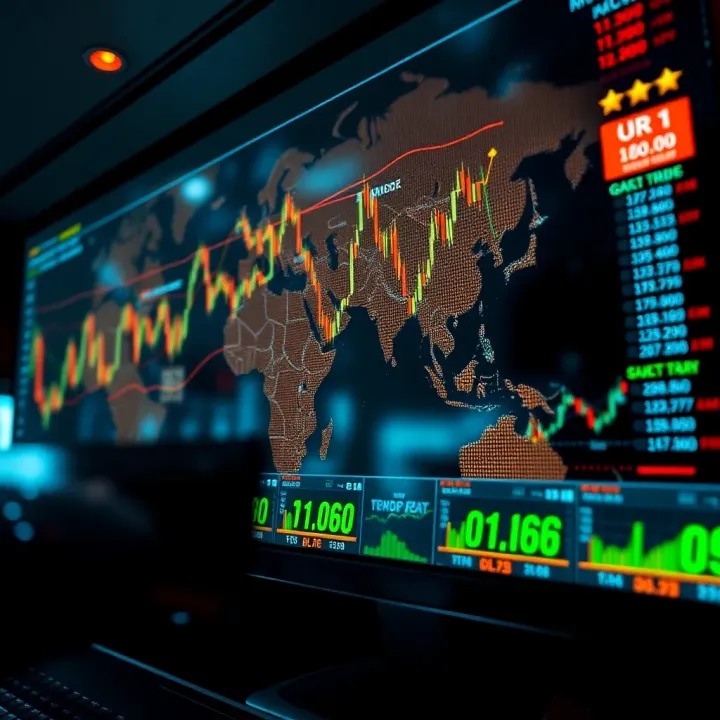
📈 Discover the best times for forex trading in Nigeria by understanding global sessions, key currency pair activities, and strategies to manage risks effectively.
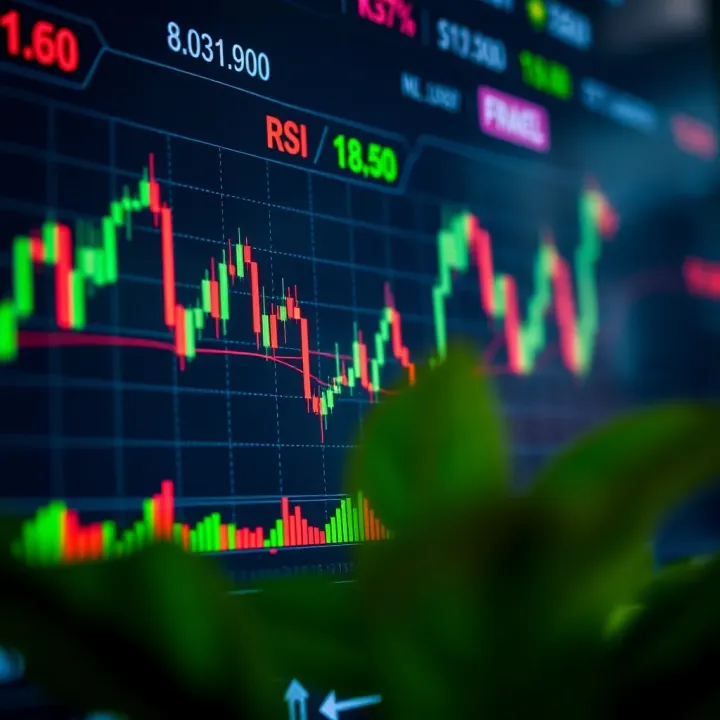
Discover top forex trading indicators 📊 tailored for Nigerian traders 🇳🇬. Learn how to combine tools for smarter, more accurate trading decisions!

📈 Discover practical forex trading insights and proven strategies tailored for Nigerian traders. Master risk, choose brokers wisely, and thrive in local markets.
Based on 14 reviews