
Top Forex Trading Strategies for Nigerian Traders
Discover effective forex trading strategies for Nigerian traders 🇳🇬. Learn risk management, key tools, and approaches to boost your trading success 📈.
Edited By
Edward Langley
Forex trading software is the backbone of modern currency trading, especially for Nigerian traders navigating the fast-moving foreign exchange (forex) market. These tools provide platforms through which traders can buy and sell currencies, analyse market trends, and place trades quickly and securely. Without reliable software, staying competitive or making informed decisions in forex becomes nearly impossible.
Understanding the essentials of forex trading software helps you pick the right one for your trading style and goals. Many Nigerian traders have turned to platforms like MetaTrader 4 (MT4), MetaTrader 5 (MT5), or local options linked to fintech services such as Paystack-integrated brokers. These platforms offer charting tools, real-time price feeds, and automated trading features that ease the trading processes.
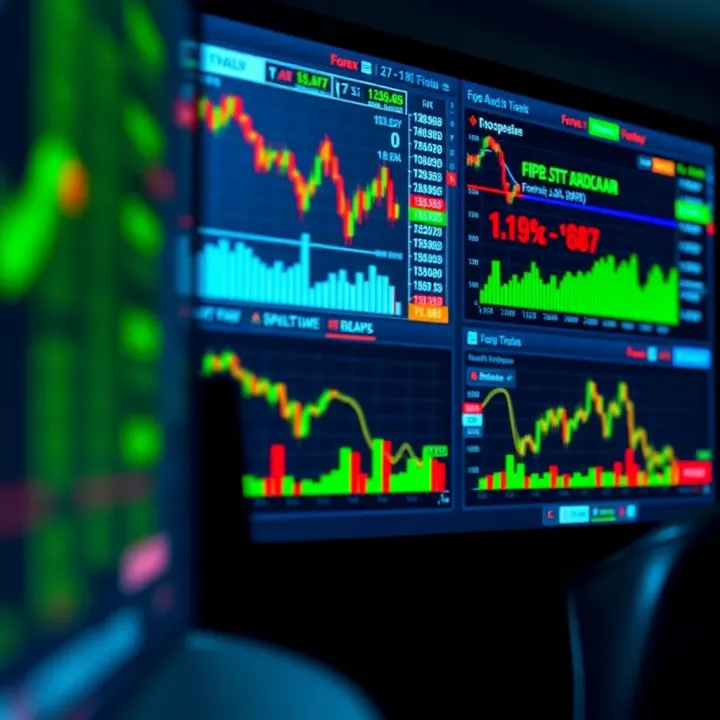
Real-time Market Data: Timely information is everything in forex. Your software should provide updated price quotes for currency pairs with minimal delay.
Advanced Charting Tools: The ability to analyse historical data visually reveals patterns and potential trade opportunities. Common chart types include line charts, candlesticks, and bar charts.
Order Management: Software must allow fast execution, modifications, or cancellations of trades as market conditions change.
Risk Management Features: Stop loss and take profit orders are essential to protect your capital in volatile sessions often seen on the NGN/USD or NGN/EUR pairs.
Automated Trading: Some platforms enable rules-based bots or scripts to execute trades, reducing emotional decision-making.
Choose software designed with clear usability to avoid missing trade chances in Nigeria’s fluctuating forex environment.
Selecting the right forex trading software involves matching these features with your ambition level, whether you’re day trading, scalping, or holding longer positions. For beginners, ease of use and good customer support matter most. Experienced traders may prioritise sophisticated indicators and algorithmic options.
Getting comfortable with your platform, learning how to read signals, and understanding market behaviour go hand in hand with using the right software. This knowledge will guide you in making sound ₦ investment decisions and managing forex market risks effectively.
In the next sections, we will break down different categories of forex trading software and share practical tips tailored for Nigerian traders to help make the right choice.
Forex trading software forms the backbone of modern currency trading. Its purpose is to equip traders with tools that enhance analysis, improve trade execution, and simplify overall management of forex activities. For Nigerian traders, this software is especially vital, given the fast-moving nature of the forex market and the need to navigate local challenges such as inconsistent power supply and varying internet quality.
Market analysis and charting tools are central features of forex trading software. They provide detailed visual representations of currency price movements through charts that can be customised with indicators like moving averages and Bollinger Bands. This helps traders spot patterns and trends. For example, a Nigerian trader following the ₦/US$ pair can use candlestick charts to predict short-term price swings and make timely decisions based on market behaviour.
Order execution and trade management involve placing buy or sell orders with speed and precision. Reliable forex software ensures trades are executed at desired prices without delay, which can be critical when currencies fluctuate rapidly. Additionally, trade management tools allow traders to set stop-loss or take-profit levels, helping to control risk. For instance, a Lagos-based trader might set automatic stop-loss orders to minimise losses during sudden naira depreciation.
Automated trading features enable the software to carry out trades based on pre-set strategies without manual intervention. Using algorithms or Expert Advisors (EAs), traders can capitalise on market opportunities 24/7. This is particularly useful for Nigerian traders who may have limited time due to other commitments but want to keep their trading active overnight or during busy periods.
Increased speed and accuracy in executing trades can make a huge difference in profitability. Forex software cuts down manual errors and executes orders instantly, which helps prevent slippage and missed opportunities. In a volatile market peppered by unexpected events affecting the naira, every second counts.
Access to real-time market data is another benefit. The software continuously streams live price updates, news alerts, and economic indicators. For Nigerian traders trying to navigate the unpredictable forex market, having up-to-the-minute data ensures they aren’t blindsided by sudden changes. This can help respond quickly to CBN policy announcements or global economic shifts affecting currency values.
Improved decision-making capacity follows from comprehensive analysis tools and timely data. Forex software equips traders with insights that traditional methods can’t match, enabling well-informed strategies. By blending chart patterns, risk management settings, and news feeds, Nigerian traders can balance caution and opportunity more effectively, boosting their chances of consistent gains.
In short, forex trading software acts like a reliable co-pilot—guiding you through complex markets, removing guesswork, and helping you stay one step ahead, even amid Nigeria’s trading hurdles.
This practical combination of functionality and tailored benefits makes forex trading software indispensable for Nigeria’s growing community of currency traders.
Forex trading software comes in different forms to suit varied needs and circumstances among Nigerian traders. Choosing the right type can affect how swiftly you access the market, manage trades, and react to shifting currency rates. This section breaks down the main software types traders use: desktop platforms, mobile apps, and web-based systems, detailing their features and practical advantages.
Desktop platforms remain popular for traders who need detailed analysis and fast executions. Software like MetaTrader 4 (MT4), MetaTrader 5 (MT5), and cTrader offers extensive charting tools, technical indicators, and the ability to run automated trading strategies. These platforms suit traders who prefer working from a fixed location with a reliable power supply and stable internet.
For Nigerian users, system requirements usually involve a Windows or Mac OS computer with at least 4GB RAM and stable internet connection, but stronger specs improve performance especially for running multiple charts or complex Expert Advisors. Given the frequent power outages in many areas, pairing these platforms with an uninterruptible power supply (UPS) can prevent losses during trade execution.
Mobile trading apps have gained momentum in Nigeria due to their flexibility and convenience. With many people relying on mobile phones—often in locations with fluctuating power and network quality—these apps let traders keep tabs on markets and place trades on the go. They are also crucial during busy days when being tied to a laptop is impractical.
Examples such as MT4 Mobile, IG Trading app, and OANDA’s mobile app offer features like one-tap trades, live price updates, and push notifications for market news. They integrate smoothly with Nigerian mobile networks like MTN and Airtel, allowing traders to use data-friendly versions without excessive costs. These apps also incorporate biometric logins for added security, which is handy for quick access amid Nigeria’s fast-paced lifestyle.
Web platforms eliminate the need to download software. Traders access them through browsers, which makes switching between different devices—such as office desktops and home laptops—effortless. Platforms like TradingView and MetaTrader Web offer solid charting and trading features straight through a web browser.
However, the challenge lies in internet stability. Nigerian traders facing intermittent connectivity or slow speeds might find web platforms challenging during peak hours. Still, some platforms have optimised versions for low-bandwidth environments, minimising lag. This accessibility helps widen market participation, especially for traders in regions with poorer internet infrastructure.
Selecting the right type of forex trading software depends on your daily routine, internet reliability, and trading goals. Desktop platforms excel in comprehensive analysis, mobile apps deliver flexibility, while web platforms offer easy access without installation hassles. Each trader in Nigeria should weigh these against local realities like power supply and network coverage to make the best call.
When choosing forex trading software, Nigerian traders must weigh several key features that directly affect trading efficiency, security, and overall experience. These features not only simplify navigating the volatile forex market but also ensure traders protect their funds and have support close at hand. Focusing on aspects like user interface, security, cost, and local support helps traders avoid pitfalls and make smarter choices aligned with their needs.
The user interface plays a crucial role in a trader’s daily use of forex software. A clear, uncluttered layout reduces confusion, especially for newcomers still learning to read charts or manage orders. Platforms such as MetaTrader 4 and MetaTrader 5 offer customisable dashboards where traders can arrange charts, indicators, and trading tools according to their preference. This level of personalisation makes trading faster and more intuitive, key when quick decisions can mean the difference between profit and loss.
Customization matters beyond appearance. For example, Nigerian traders often need to tweak alert notifications to reflect volatile periods like Central Bank of Nigeria (CBN) policy announcements or other economic reports affecting the naira. Without flexible options, you risk missing critical market moves.
Data protection measures: Secure handling of your personal and financial information is non-negotiable in forex trading. Top-tier software encrypts data using standards like SSL (Secure Socket Layer), making it nearly impossible for hackers to intercept sensitive details. For Nigerian users, where cybercrime can be a concern, prioritising platforms with strong data protection helps prevent identity theft or unauthorized access to your accounts.
Moreover, multi-factor authentication (MFA) adds an extra safety layer, ensuring only you can log in, even if your password leaks. Always opt for platforms that offer these features.
Uptime and responsiveness: Reliable software should have near-constant uptime. Downtime during market hours can result in missed trades or inability to close positions, leading to losses. For Lagos-based traders, stable access is particularly important given Nigeria’s erratic power supply and occasional internet disruptions.
Look for software providers with robust server networks and responsive customer support that ensure fast problem resolution. For instance, platforms hosted on global cloud services with local servers nearby tend to perform better for Nigerian users.
Subscription plans versus free software: Some forex platforms operate on monthly or yearly subscription plans, often providing advanced features like enhanced charting tools or algorithmic trading options. Free software might seem attractive but usually comes with limitations, such as fewer tools or limited customer support.
If you are serious about trading, investing in a paid plan like Pepperstone’s cTrader service could be worthwhile for access to faster trade execution and superior analytics. On the other hand, beginners might find free platforms like MetaTrader adequate for testing and initial learning.
Extra charges and hidden fees: Beware of additional costs beyond the basic licence fee. Some software providers charge for real-time data feeds, market news, or premium indicators. Nigerian traders should also watch out for foreign transaction fees or currency conversion charges related to subscription payments.
Carefully review the fee structure before committing. Transparent providers highlight these costs upfront, preventing nasty surprises that eat into your trading capital.
Customer service options in Nigeria: Quick access to knowledgeable customer support is essential. While global platforms offer 24/7 support, having a dedicated local team or hotlines that work within Nigerian business hours makes resolving issues smoother. It also respects local contexts such as public holidays and regional specifics.
Providers with physical offices or official representatives in Nigeria can help with installation problems, software updates, or technical queries, reducing downtime.
Educational material specific to Nigerian market conditions: Forex trading isn’t just about software but understanding how to use it effectively in your environment. Platforms offering tutorials, webinars, or guides customised for Nigerian traders add significant value.
This content often covers how local regulations impact trading, how events in Nigeria affect currency pairs like USD/NGN, and tips for navigating our sometimes unstable internet and power supply. When a platform supports localised learning, traders gain confidence and improve their chances of success.
Choosing forex software wisely is as important as strategy itself. By focusing on user-friendly design, strong security, fair pricing, and local support, Nigerian traders can build a solid foundation for their trading activities.
Forex trading can be a lucrative venture, but Nigerian traders face unique hurdles tied to software performance and local conditions. Understanding these challenges is key to picking the right platform and managing risks effectively.
Reliable internet and consistent power supply form the backbone of smooth forex trading software operation. Unfortunately, many parts of Nigeria experience frequent power outages and unstable internet connections, especially in rural or less urbanised areas. This instability can lead to slow data updates, failed order executions, or even unexpected disconnections during crucial trades.
For example, a trader using a desktop platform in Lagos might suddenly lose power during peak trading hours, missing a timely buy or sell opportunity. Those in smaller towns face even greater risk. To cope, many traders use mobile data hotspots or invest in inverters and generators, but these solutions raise costs and are not always reliable enough to guarantee uninterrupted trading.
How to spot fake software: The rise in forex’s popularity in Nigeria has unfortunately brought a surge in scam software, often designed to dupe inexperienced traders. Warning signs include promises of guaranteed profits, unrealistic claims, or software that demands upfront payments before use. Some fake platforms mimic the appearance of popular forex software but avoid executing real trades, simply stealing personal data or money instead.
It’s crucial to look for verified user reviews and confirm that the software asks for no unnecessary permissions. Authentic platforms generally provide demo accounts and transparent trading records. Nigerian traders should stay cautious when approached with unsolicited offers or software suggesting insider tips for quick gains.
Safe sources for downloading software: Always obtain forex trading software directly from the official websites or recognized app stores like Google Play or Apple’s App Store. Reputable brokerage firms operating in Nigeria, such as FXTM or HotForex, provide legitimate downloadable platforms linked to their trading accounts.
Avoid downloading software from social media links or unknown third-party sites. These often host tampered or virus-infected applications, putting your device and funds at risk. Confirming software origins and verifying licenses helps protect traders from common traps.
Understanding NAFEX and CBN guidelines: In Nigeria, the Central Bank of Nigeria (CBN) regulates foreign exchange activities, and the Nigeria Autonomous Foreign Exchange Fixing (NAFEX) rate guides forex trading. Traders must align with these frameworks to avoid breaching national forex policies. Using software that transacts outside approved channels can lead to blocked accounts or legal consequences.
Platforms authorised to operate in Nigeria: It’s best to use platforms authorised by the CBN or registered with the Securities and Exchange Commission (SEC) Nigeria. These platforms comply with local regulations including Anti-Money Laundering (AML) rules and KYC (Know Your Customer) policies, ensuring your funds are safer.
For instance, brokers like Alpari and AvaTrade are well known for meeting Nigerian regulatory standards. Using authorised platforms not only legitimises your trading activities but also provides access to customer service and local dispute resolution options.
Nigerian traders should weigh software choices carefully, prioritising reliability, authenticity, and regulatory compliance. This approach minimises risks and boosts chances for steady profits in a challenging market environment.
Leveraging forex trading software effectively can make a big difference for Nigerian traders aiming to boost their chances of profit. However, success doesn't just happen by installing software and clicking around. You need to be strategic, adapt to market changes, and treat your software like an important tool that demands constant care. This section outlines key tips to help you get the most from your forex trading software in a Nigerian setting.
Before risking real money, testing software on demo accounts is a must. Demo accounts simulate the live market environment without any financial risk, giving you room to explore features, place virtual trades, and understand how the software operates. For instance, if you're new to MetaTrader 4 (MT4) or a local platform like Kuda's forex tool, practising on demo accounts lets you familiarise yourself with charting tools, indicators, and order types.
Dummy trading also helps you gauge your trading strategy's effectiveness under different market conditions, which is especially helpful given Nigeria’s market volatility and fluctuating naira exchange rate. Skipping this step can lead to costly errors once real money is on the line.
Forex trading software developers often release updates to fix bugs, improve security, or add fresh features. Keeping your software up to date ensures you benefit from these fixes and avoid vulnerabilities that could compromise data security or disrupt trading.
Consider how frequent power outages or unstable internet in Nigeria might cause interruptions; updated software often has better recovery and reconnection protocols. For example, Oanda and IG Markets send notifications within their apps or emails about updates you should download. Neglecting updates may slow you down or expose you to hacking risks.
Staying current with forex market trends sharpens your trading decisions. The currency market responds to global events, Nigeria’s economic policies, CBN guidelines, and changes in commodity prices like crude oil. Traders who track such developments use software tools like economic calendars and news feeds embedded in platforms to time their entries and exits better.
For example, a sudden upward shift in naira value following a CBN policy announcement might prompt you to adjust your strategy quickly. If your software has integrated news alerts or third-party plugins, you can act instantly without missing opportunities.
Forex platforms regularly roll out new features aimed at enhancing user experience and trading performance. Exploring and mastering these features can give Nigerian traders an edge. This might include automated trading strategies, risk management tools, or AI-powered market predictions.
For instance, a recent update on MetaTrader introduced improved copy-trading capabilities, allowing beginners to follow experienced traders—a valuable feature for those looking to learn passively. By actively discovering and using these tools, you avoid falling behind as the forex market evolves.
Always treat your forex trading software as a dynamic instrument that demands constant attention, learning, and cautious use. Your success depends on how well you blend software capabilities with market knowledge and disciplined trading habits.
Discover effective forex trading strategies for Nigerian traders 🇳🇬. Learn risk management, key tools, and approaches to boost your trading success 📈.
📈 Discover the best times for forex trading in Nigeria by understanding global sessions, key currency pair activities, and strategies to manage risks effectively.
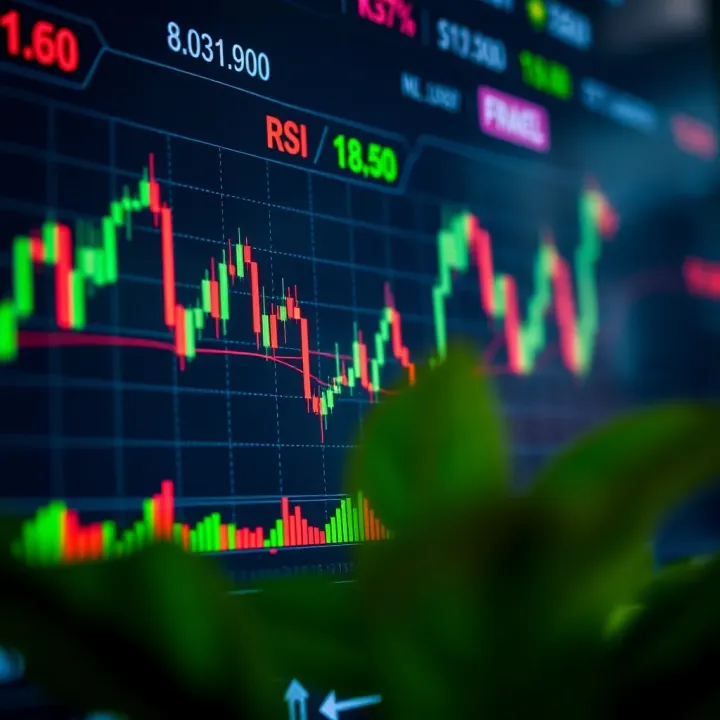
Discover top forex trading indicators 📊 tailored for Nigerian traders 🇳🇬. Learn how to combine tools for smarter, more accurate trading decisions!

📈 Discover practical forex trading insights and proven strategies tailored for Nigerian traders. Master risk, choose brokers wisely, and thrive in local markets.
Based on 5 reviews