

Understanding Binary Accounts in Nigeria
Explore how binary accounts work, their structure, uses, and tips for managing them effectively in Nigeria’s digital and financial scenes. 💻📊
Edited By
Michael Reid
Non-binary gender refers to identities that do not fit strictly into the categories of male or female. Unlike Nigeria’s traditional understanding of gender, which often follows clear-cut male and female roles, non-binary identities challenge this binary framework. People who identify as non-binary may see themselves as both, neither, or somewhere in between these categories.
In Nigeria, gender has historically been linked to cultural expectations and roles within the family and society. For example, men are often expected to be breadwinners, head of the household, or protectors, while women are seen as caregivers, homemakers, or nurturers. These established roles rarely account for variations in gender identity beyond male and female. As a result, non-binary individuals face difficulties being understood or accepted in many Nigerian communities.
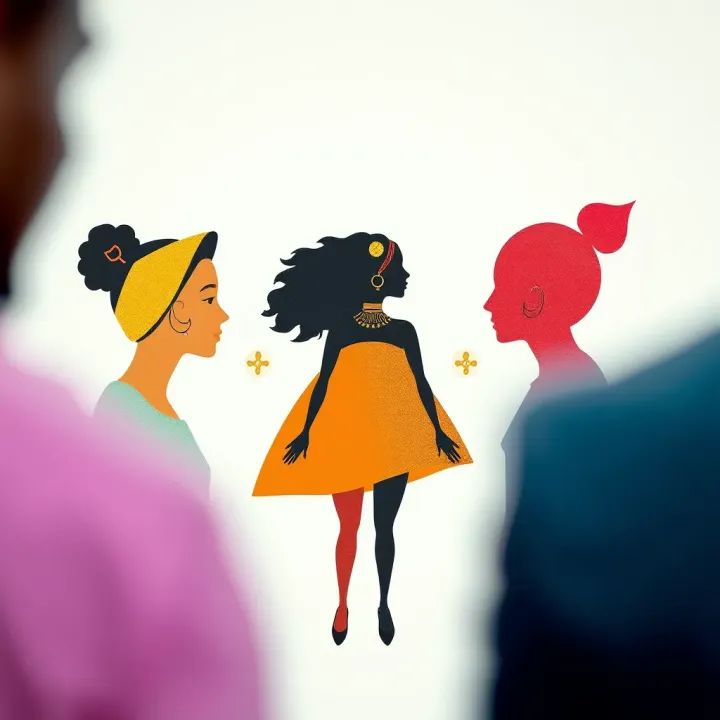
Non-binary identities are not about confusion or indecision; they represent authentic self-understanding beyond imposed categories.
Non-binary identities in Nigeria intersect with complex cultural, religious, and social values. Unlike Western discourse where non-binary is gaining recognition, Nigeria’s largely conservative environment means social acceptance remains limited. Family expectations and community scrutiny can lead to discrimination, isolation, or forced conformity.
In areas like human resources, marketing, and customer engagement, recognising non-binary identities can improve inclusivity and brand reputation. For example, introducing gender-neutral options in forms or workplaces can demonstrate respect and professionalism. Additionally, investors engaging with diverse communities or startups in Nigeria’s fintech or entertainment sectors should understand these evolving social narratives to assess market dynamics and risks better.
Varied expressions: Non-binary individuals may use different pronouns (they/them, ze/hir), names, or styles.
Distinction from transgender: Not all non-binary people identify as transgender; some do, others do not.
Legal invisibility: Nigeria currently lacks explicit laws recognising non-binary gender, complicating legal statuses such as IDs or employment rights.
Understanding these concepts helps businesses, policymakers, and social groups navigate Nigeria’s shifting gender landscape more thoughtfully and effectively.
Understanding what non-binary gender means sets the foundation for appreciating its relevance in Nigeria today. Non-binary refers to gender identities that don’t fit neatly into the traditional male or female categories. For many Nigerians, recognising non-binary gender challenges commonly held notions about identity, social roles, and expectations. It helps policymakers, businesses, and communities consider more inclusive approaches that reflect this diversity.
Binary gender assumes individuals are exclusively male or female, corresponding closely with their sex assigned at birth. This system shapes many aspects of life in Nigeria—from school uniforms to legal documents. In contrast, non-binary gender exists outside or between these categories. It recognises a spectrum where people may identify as both, neither, or something beyond male and female. This matters practically because many official processes and social interactions still expect strict binary identification.
Several non-binary terms have gained traction globally and among Nigerian queer communities. These include genderfluid (shifting gender identity over time), agender (absence of gender), bigender (identifying with two genders), and genderqueer, which broadly challenges fixed gender binaries. Knowing these terms enables better dialogue and support. For example, a Nigerian employee who identifies as genderfluid may require flexible dress codes or pronoun recognition at work to feel accepted.
Non-binary identities question the strict male/female divide that shapes Nigerian cultural norms. Roles such as who “should” provide financially, dress styles, or certain mannerisms become less rigid when non-binary existence is acknowledged. This shift allows room for more authentic self-expression, reducing the pressure to conform or hide one's true gender. Practically, this also invites workplaces and social institutions to rethink binary-only policies.
Globally, some countries have introduced legal recognition for non-binary genders—like the 'X' gender marker on passports in Canada and Australia. Nigeria, however, remains predominantly rigid in legal gender recognition, usually limited to male and female. Still, pockets of Nigerian urban centres such as Lagos and Abuja witness growing awareness and community organisations supporting non-binary Nigerians. These groups focus on advocacy, education, and safe spaces, highlighting the slow but steady rise of non-binary visibility despite cultural resistance.
Recognising non-binary gender is not just about labels—it impacts real lives, from healthcare and legal rights to day-to-day interactions in Nigerian society.
By grasping what non-binary gender means and how it challenges traditional categories, traders, investors, and consultants can better understand emerging social dynamics and respond with sensitivity and inclusivity in business and policy decisions.
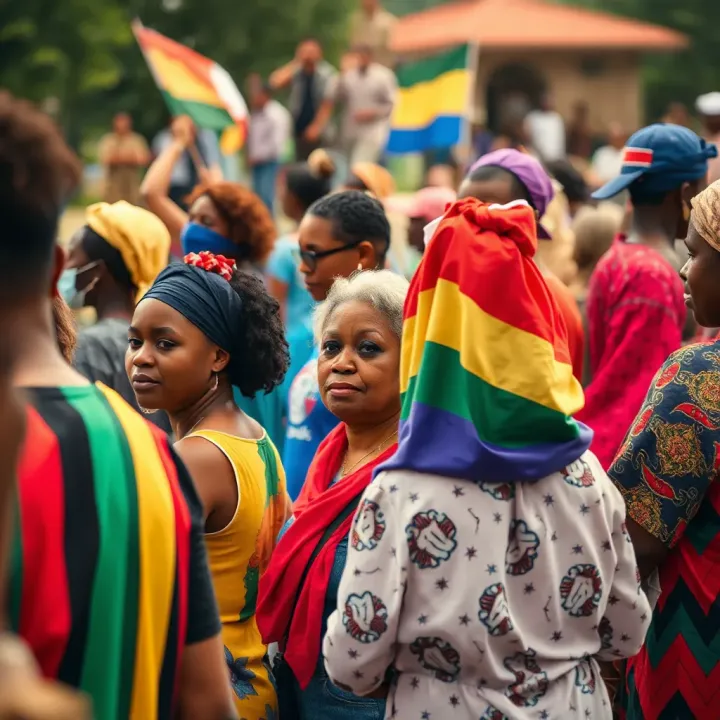
Understanding Nigeria's historical and cultural perspective on gender is vital to grasp how non-binary gender identities fit within the society’s broader framework. These views reflect the roots of gender expectations and offer insight into how traditional norms continue to shape today’s conversations on gender diversity. For investors, traders, or analysts focusing on social trends, this background informs how gender identities may impact market behaviours, workplace dynamics, and consumer preferences.
In many Nigerian ethnic groups, gender roles have traditionally been clearly defined. For instance, among the Yoruba, men have often held positions related to leadership, farming, and trade, while women focused on child-rearing, managing households, and market trading. Similarly, the Hausa-Fulani have distinct gender divisions with men taking public roles such as community leadership and religious duties, whereas women managed domestic responsibilities and artisan crafts like weaving.
These roles are practical because they shaped daily survival and social order for generations. However, these expectations often limit flexibility in how individuals express themselves and their capabilities today. For business professionals navigating Nigeria’s dynamic market environment, recognising these enduring expectations helps in tailoring inclusive workplace policies or consumer engagement strategies that respect cultural values without alienating emerging gender identities.
Community expectations are tightly linked to religious teachings and local traditions across Nigeria. Christianity and Islam, the two dominant religions, both influence gender norms strongly. For example, communities influenced by Islam often expect men to lead religious rituals and women to dress modestly, affecting how gender expression is publicly accepted. Christianity also shapes norms around family structures and moral behaviour, frequently reinforcing binary gender ideals.
These religious influences play a practical role in social cohesion and community identity. However, they can also create resistance to recognising gender variance. Understanding this resistance is crucial for consultants or policymakers working within Nigeria to develop culturally sensitive approaches that foster inclusion without triggering backlash in conservative areas.
Historically, some Nigerian cultures have acknowledged gender variance beyond the male-female divide. The Igbo, for instance, at times recognised individuals who performed roles traditionally assigned to the opposite gender, especially in ritual contexts or as spiritual intermediaries. The existence of “female husbands” in some communities, where a woman assumes the social status and responsibilities of a man, illustrates fluidity in gender roles embedded in cultural practices.
These examples show that Nigerian societies have had a more nuanced understanding of gender than often assumed. This context is valuable today because it challenges the misconception that non-binary identities are completely foreign to Nigerian culture. For analysts, this knowledge can refine understanding of consumer segments or workforce diversity initiatives by recognising the legitimacy of diverse gender expressions.
However, these indigenous perspectives have evolved, sometimes narrowing due to colonial influence and modern religious conservatism. The enforcement of strict binary gender categories during colonial rule and the subsequent Westernisation of laws shifted many communities towards less flexible gender norms.
Awareness of this historical trajectory is crucial for anyone involved in legal reform, advocacy, or social projects targeting gender inclusivity. It highlights the possibility of reviving culturally grounded yet progressive attitudes that allow non-binary individuals to gain acceptance in Nigeria’s complex social fabric.
Nigeria's deep-rooted cultural history provides a foundation for recognising sex and gender diversity, even if modern structures have often obscured this reality. Revisiting these traditions can support more inclusive policies and business environments that reflect Nigeria's rich social tapestry.
Indigenous gender variance includes roles such as ritual intermediaries and female husbands
Religious and community norms strongly influence gender expression
Colonial and religious history narrowed gender roles to a binary framework
Recognising cultural roots of gender diversity aids inclusive social and business strategies
Understanding the challenges non-binary Nigerians face is essential for investors, analysts, and consultants who want to grasp the socio-economic dynamics shaping inclusion and human capital development in Nigeria. These challenges affect not only individual lives but also workplace environments, market participation, and social stability.
In many Nigerian communities, the expectation to conform to clearly defined male or female roles runs deep. Non-binary individuals often confront rejection from relatives who see their identities as unfamiliar or threatening to traditional norms. For instance, a young person identifying outside the gender binary might be pressured to marry or dress according to societal expectations. This family and community pressure can lead to exclusion from communal activities or even loss of financial support.
The social stigma attached to being non-binary can seriously affect mental well-being. Many face anxiety, depression, or isolation due to constant misunderstanding and discrimination. Daily tasks like attending school, going to work, or using public services become stressful when individuals worry about harassment or misgendering. For example, a non-binary employee in Lagos might avoid using the company restroom for fear of backlash, affecting productivity and morale.
Nigeria's legal system currently recognises only male or female genders on official documents. There is no provision for non-binary identification, which results in a lack of state acknowledgment of their existence. This gap means non-binary Nigerians cannot change or choose gender markers on passports, driver's licences, or voter cards. The absence of legal recognition hinders access to rights and protections offered based on gender.
Without accurate legal identification matching their gender identity, non-binary individuals face practical difficulties. For example, opening a bank account, registering a business, or applying for loans often require documents that clearly state gender. If an individual’s gender expression conflicts with documentation, institutions may reject applications or subject applicants to invasive questioning. Healthcare services also pose challenges when forms or personnel don’t recognise non-binary identities, leading to inappropriate or insensitive treatment.
Addressing these barriers requires multi-sector collaboration, including policy reforms and inclusive practices within institutions. Markets and workplaces that embrace gender diversity can tap into untapped human resources while driving social progress. For traders and investors, understanding these societal factors helps identify risks and opportunities connected to diversity and inclusion in Nigeria’s evolving economy.
In Nigeria, inclusion and support for non-binary individuals remain limited by social, cultural, and legal obstacles. Forging clear paths towards acceptance matters not just for the dignity of non-binary Nigerians but also for the broader goals of social cohesion and equal opportunity. Through advocacy, legal reforms, and dedicated resources, society can start addressing these challenges head-on.
Nigerian NGOs and online platforms have played a pivotal role in amplifying non-binary voices. Organisations such as the Initiative for Equal Rights (TIERs) have steadily brought non-binary issues into public dialogue, even though the environment tends to be conservative. Social media platforms give non-binary Nigerians a space to share experiences, educate others, and challenge misconceptions. This digital activism encourages empathy and counters stereotypes that otherwise fuel exclusion.
Education efforts in schools and communities remain essential. Introducing awareness programs that discuss gender diversity can reduce ignorance and bigotry from an early age. Some Nigerian youth clubs and university groups have begun facilitating workshops on gender identity, creating environments where young people can ask questions without fear. When communities understand non-binary identities better, they can offer more acceptance and reduce the social alienation that many non-binary people experience.
Currently, Nigerian laws recognise gender strictly as male or female, leaving non-binary Nigerians without official recognition or documentation options that reflect their identity. Legal reform to include non-binary gender markers on national IDs and birth certificates would be a decisive step forward. Such recognition would ease access to healthcare, education, and employment, reducing systemic discrimination.
Looking at countries such as Canada and Germany provides practical examples. Canada, for instance, allows citizens to select 'X' as a gender marker on passports, acknowledging non-binary identities openly. Germany legalised a third gender option called “diverse” on official documents. These examples show that with political will and social advocacy, Nigeria could customise its legal framework to respect gender diversity.
Support groups and counselling services specifically tailored for non-binary Nigerians provide essential emotional assistance and social connection. In cities like Lagos and Abuja, informal groups meet to share stories and advice, while some therapists now offer gender-affirming counselling. These safe spaces help combat isolation and mental health challenges caused by stigma.
Healthcare remains a critical gap, as many providers lack training on non-binary needs. Access to hormone therapy or gender-affirming care is rare and expensive. Expanding healthcare sensitivity—training practitioners and including non-binary considerations in policies—would improve service quality and inclusivity. Organisations like the Nigerian Sexual Health and Rights Initiative (NSHRI) have begun pushing for such changes, though more extensive nationwide adoption is required.
Supporting non-binary Nigerians through advocacy, law, and safe spaces does not only affirm individual identities but also builds a more just and inclusive society for all.
Grasping how non-binary gender fits into daily Nigerian life helps bridge understanding between traditional expectations and evolving personal identities. Non-binary Nigerians face tangible challenges, from family dynamics to social interactions, that require practical appreciation. Recognising these realities benefits communities and businesses aiming for inclusivity, particularly in sectors like human resources, social services, and legal frameworks.
Communication with relatives and friends often involves delicate conversations. Non-binary individuals may need to explain their gender identity to family members steeped in conventional gender roles. For example, a young person from a Yoruba household might struggle to persuade elder relatives that their identity goes beyond male or female categories. Successful dialogue usually depends on patience and providing clear language to reduce misunderstandings.
Friends also play an important role in support networks. Many non-binary Nigerians confide in trusted friends before telling others. This gradual process helps build confidence as they navigate a society where binary gender remains dominant. Open discussions within social circles can foster empathy and reduce stigma, which is vital given how community opinions influence personal and professional opportunities.
Balancing cultural expectations and personal identity is another complex task. Nigerian culture often places strong emphasis on traditional gender roles, like men being providers and women caretakers. Non-binary individuals challenge these norms by living authentically, which sometimes causes friction at home, especially during events like weddings, naming ceremonies, or religious gatherings.
That said, many also find ways to honour their heritage while embracing their gender identity. For instance, some may choose clothing or roles that reflect both personal truth and cultural respect. This balancing act not only affects familial acceptance but impacts mental health, making it essential for relatives and society to offer understanding rather than pressure.
How non-binary Nigerians present themselves socially can vary widely. Some opt for clothing that blends traditionally masculine and feminine styles—like pairing a tailored Ankara jacket with trousers or choosing gender-neutral colours. Others may prefer straightforward styles that avoid gender labels altogether. Such choices serve as daily affirmations of identity and help non-binary persons feel comfortable in public.
Managing pronoun use within Nigerian languages, which mostly reflect gender binaries, presents additional practical challenges. English, widely spoken in Nigeria, uses gendered pronouns like "he" and "she," but some non-binary individuals may prefer 'they/them' or neutral terms—though these are less commonly understood. In Yoruba or Igbo, pronoun distinctions are subtler or non-gendered, which sometimes eases communication. However, popular Nigerian Pidgin often employs 'he' or 'she' without strict gender focus, offering some flexibility in informal contexts.
The way non-binary people express themselves—through language or appearance—matters significantly. It affects everyday interactions, mental wellbeing, and how they are recognised legally and socially.
Ultimately, understanding these facets in everyday Nigerian contexts promotes respect and inclusion, key for a society that is diverse yet deeply rooted in cultural identity.
Explore how binary accounts work, their structure, uses, and tips for managing them effectively in Nigeria’s digital and financial scenes. 💻📊

🔐 Dive into binary login systems: how they work, security tips, and real-world uses in Nigeria's digital landscape for safer online access.

Explore the roots and impact of binary gender 🧬, its societal and psychological aspects, critiques, and what gender diversity means for Nigeria 🇳🇬.
Explore how binary numbers work 🔢, their role in math and computing 🖥️, plus easy methods for conversions and binary arithmetic explained clearly.
Based on 13 reviews