

Benefits of Risk Management for Nigerian Businesses
Discover how effective risk management in Nigeria helps protect businesses from threats, enhances decision-making, controls costs, and supports growth 📊🔒
Edited By
James Mitchell
Risk management is the backbone of any serious business, especially in Nigeria where economic fluctuations and operational hurdles are common. It’s about spotting potential problems before they become crises and taking steps to minimise their impact. Traders, investors, analysts, brokers, and consultants all rely on solid risk management to protect their capital and optimise returns.
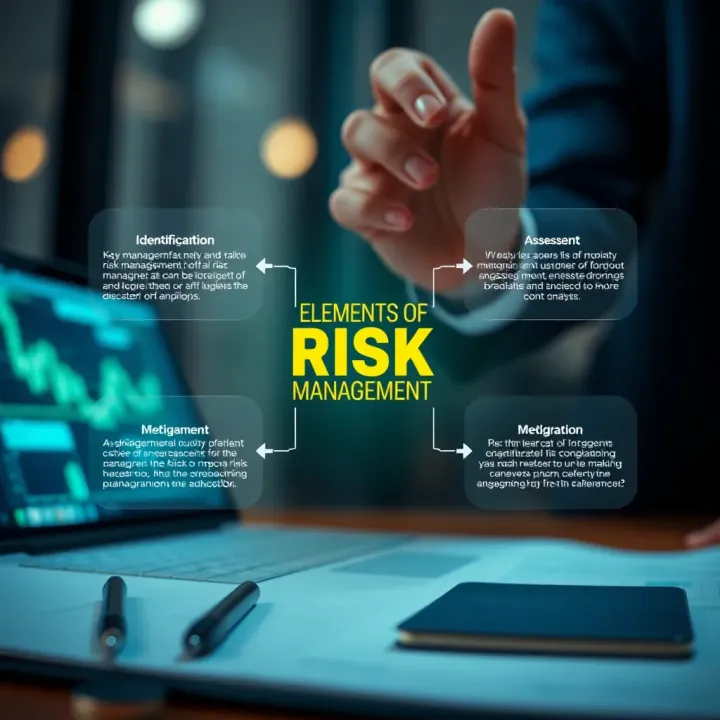
At its core, risk management involves several clear steps: identifying risks, evaluating their likelihood and potential damage, and implementing strategies to control or eliminate them. For instance, a Lagos-based trader might face currency risk due to naira volatility, supply chain disruptions from local infrastructure challenges, or regulatory risk from sudden policy changes. Recognising these threats early allows for better preparation, be it through hedging currency exposure or diversifying suppliers.
Consider this practical scenario: an investment firm holding Nigerian government bonds must account for interest rate adjustments by the Central Bank of Nigeria (CBN). If rates rise unexpectedly, bond prices fall, causing losses. A good risk management framework anticipates this, using tools like duration matching or interest rate swaps to shield portfolios.
Effective risk management not only safeguards assets but also provides confidence to seize growth opportunities amidst uncertainty.
Market Risk: Fluctuations in prices, exchange rates, or interest rates affecting investments.
Credit Risk: The chance that counterparties or customers will default on obligations.
Operational Risk: Failures in processes, systems, or human error, including power outages common in Nigerian businesses.
Compliance Risk: Non-adherence to regulations, which may attract fines or sanctions.
Businesses in Nigeria must tailor their risk management to local realities. For example, power supply remains inconsistent despite improvements; many firms rely on generators, adding to costs and operational hazards. Incorporating these factors into risk assessments prevents surprises during ember months when energy demand spikes.
In short, risk management is a continuous process, not a one-time checklist. It calls for staying alert to changes in the business environment and adjusting controls accordingly. Embracing this approach helps preserve capital, protect reputations, and sustain long-term growth — a must for anyone involved in Nigeria’s dynamic financial markets.
Understanding what risk management entails is fundamental for traders, investors, analysts, brokers, and consultants who navigate the complex business environment in Nigeria. Clear definitions and concepts give you the tools to identify potential threats and turn uncertainties into manageable challenges. In Nigeria’s often volatile markets, knowing these basics helps businesses safeguard their assets and make informed decisions.
The concept of risk centres on the possibility that an unforeseen event may affect your business goals. Risks could come in many forms — for example, the sudden naira depreciation affecting importers or the disruption of supply chains caused by road closures. Recognising that risks are inherent helps businesses to avoid being blindsided when problems arise.
What constitutes risk management is the process of identifying, analysing, and responding to these risks to minimise negative impact. For instance, a trading company might use hedging strategies to manage currency risk or diversify suppliers to reduce reliance on a single source. It’s about taking calculated steps rather than hoping for the best.
Key objectives of risk management include protecting business value, ensuring compliance with regulations, and maintaining operational continuity. For example, a fintech company handling customer data must manage cyber risks meticulously to uphold trust and meet regulatory demands by the Nigerian Communications Commission (NCC).
Risk identification involves spotting potential sources of risk before they escalate. Nigerian traders might face risks such as fuel scarcity or power outages; recognising these early through tools like SWOT analysis or checklists is crucial. Proper identification sets the foundation for all other steps.
Risk assessment means evaluating the likelihood and potential impact of identified risks. This often uses qualitative methods like expert judgement or quantitative tools such as risk scoring. For example, a logistics company could assess how likely a danfo strike is and its possible delay costs on deliveries.
Risk control refers to the strategies employed to mitigate or eliminate risks. These range from avoiding high-risk transactions to transferring risk through insurance or outsourcing. A small business may decide to insure against fire hazards common in densely populated areas with numerous mama puts.
Risk monitoring is the continual process of tracking existing risks and watching for new ones. It ensures your controls remain effective. Nigerian banks, for instance, continuously monitor fraud risks through transaction analytics and customer behaviour patterns.
Risk appetite and tolerance define the level of risk an organisation is willing to accept. A stockbroker might accept high market volatility (high risk appetite) but have low tolerance for operational errors due to regulatory penalties. Setting these boundaries helps maintain a balanced approach between growth and security.
In practice, mastering these concepts keeps you proactive in the face of risk rather than reactive, which is vital given Nigeria’s dynamic business climate.
This section establishes the foundation, ensuring you grasp what risk means and the terms frequently used. From here, you can explore specific risks and learn how to manage them effectively to protect your investments and business interests.
Every organisation, whether in Lagos, Kano, or Port Harcourt, faces an array of risks that can disrupt operations, drain resources, or damage reputation. Understanding the types of risks helps business leaders tailor their management strategies to specific threats. These risks span operational hiccups, financial fluctuations, and shifts in strategic and regulatory landscapes. For traders and investors, recognising these categories is essential to navigate Nigeria's often volatile business climate effectively.
Examples and impact: Operational risks arise from internal failures or external events affecting day-to-day activities. For instance, a manufacturing firm may suffer downtime due to machine breakdowns or frequent power outages, common in many Nigerian regions. Similarly, a logistics company could face delays caused by road blockages or security concerns in certain states. Such risks can escalate quickly, resulting in lost sales, increased costs, or unhappy customers.

Handling operational risks: Organisations must build resilience through preventive maintenance, staff training, and robust contingency plans. For instance, having backup generators to counter frequent NEPA/DISCO power outages or partnering with local security outfits to minimise disruptions on key routes are practical ways to manage these risks. Regular process audits and embracing automation can reduce human errors, enhancing reliability in service delivery.
Currency and credit risks in Nigeria: The naira's volatility poses a significant currency risk. Businesses dealing with imports or export earnings must watch exchange rate fluctuations closely. For example, an importer of raw materials priced in dollars might suddenly face higher costs if the naira weakens sharply. Credit risks occur when clients delay payments or default, which is common in sectors like trade or construction. Nigerian banks and fintech platforms increasingly use credit scoring and Bank Verification Number (BVN)-linked data to manage this.
Market and liquidity risks: Market risks involve shifts in demand, prices, or competitor actions. A food producer, for example, may struggle when cheaper imported products flood the market, affecting sales. Liquidity risks arise when firms can’t meet short-term financial obligations due to cash shortages. This is frequent among small businesses during ember months, when expenses spike but sales slow, requiring careful cashflow management to avoid running dry.
Governance and regulatory risks: Poor governance can lead to weak controls and increased exposure to fraud or corruption. Additionally, Nigeria’s regulatory environment changes often, affecting taxes, environmental standards, or sector-specific licenses. For example, a fintech firm must stay updated with the Securities and Exchange Commission (SEC) and Central Bank of Nigeria (CBN) policies to avoid penalties and ensure consumer protection.
Adapting to market changes: Businesses must remain flexible to survive shifts in consumer behaviour or technological advances. In Nigeria’s retail sector, the rise of e-commerce platforms like Jumia and Konga forces traditional shops to re-examine their models. Failure to innovate can lead to loss of market share. Strategic risk management involves scenario planning and swift adjustments to evolving trends, ensuring longevity in competitive markets.
Recognising these risk categories helps organisations focus resources wisely, preventing costly surprises and building stronger, more resilient businesses across Nigeria’s diverse economy.
Managing risks effectively keeps a business ahead of challenges that could disrupt operations or cause losses, especially in Nigeria’s dynamic market. This process is a series of deliberate steps that allow organisations to identify, assess, handle, and monitor risks systematically.
Nigerian businesses face risks from various sources. For example, power outages remain a significant operational risk that affects production and service delivery. Political changes or sudden economic policy adjustments, such as fuel subsidy removals or exchange rate fluctuations, introduce strategic and financial risks. Moreover, security concerns like theft or cybercrime add layers of risk. Recognising these risk sources allows leaders to focus on real threats, not just theoretical ones.
To spot risks early, companies employ several tools and techniques. Brainstorming sessions with employees across departments help gather diverse insights about potential threats. SWOT analysis (strengths, weaknesses, opportunities, threats) offers a structured way to evaluate internal and external factors. Some firms also use risk registers — simple databases listing identified risks, their causes, and possible impacts. These practical methods ensure no major risk is overlooked.
Once identified, risks need careful analysis. Qualitative methods involve expert judgement to categorise risk severity—low, medium, or high. For instance, a small kiosk near a busy road may rate theft risk as medium but operational risk as high due to irregular power supply. Quantitative methods use numbers and statistics; a manufacturing firm might calculate probable financial losses from a machinery breakdown using historical data.
Prioritising risks comes next. Not all risks demand equal attention; a risk capable of shutting down operations deserves priority over minor supply delays. Businesses often rank risks by their potential impact and likelihood of occurrence. This approach channels resources to tackle the most threatening risks first, reducing waste on less consequential issues.
Risk response strategies fall under four broad categories: avoidance, reduction, sharing, and acceptance. A company may avoid a risky venture altogether or adopt measures to cut risks, such as installing backup generators to reduce power outage effects. Sharing risks means transferring them—maybe through insurance or partnerships. Sometimes, the business accepts low-level risks where mitigation costs outweigh benefits.
Cost-benefit considerations shape these choices. For example, replacing an old delivery van might cost ₦2 million, but if the breakdown risks cause bigger losses, the expenditure is justified. The idea is to find a balance where the risk response is economically sensible, keeping the company safe without overspending.
Risk management isn’t a one-time event. Continuous monitoring tracks existing risks and watches for new ones. A bank, for example, regularly checks loan portfolios to spot signs of default risk, adjusting lending practices accordingly. Without monitoring, risk responses can become outdated or ineffective.
Businesses must also adjust their strategies over time. Nigeria’s market conditions evolve—what was a minor risk a year ago can escalate quickly, like inflation impacting input costs. Regular reviews ensure the business stays agile, updating its risk management plan to reflect current realities.
Effective risk management is a cycle: identify, analyse, respond, and monitor. Following these steps regularly helps Nigerian businesses stay resilient in the face of uncertainty.
Effective risk management is vital for Nigerian businesses to survive and thrive amid economic uncertainty, regulatory changes, and security challenges. It helps organisations anticipate potential threats and reduce losses that could derail operations. Nigerian firms often face risks from currency fluctuations, infrastructural gaps like unstable power supply, and unpredictable political developments. Taking proactive steps to manage these risks protects investments and builds stakeholder confidence.
Common financial risks in Nigeria include currency volatility, inflationary pressures, and credit defaults. For example, an importer might lose significant sums due to sudden naira devaluation, while a lender could face default when clients fail to repay loans amid economic downturns. Additionally, informal sectors suffer from poor record-keeping, increasing exposure to untracked financial leaks.
Fraud remains a major concern for Nigerian businesses, with scams ranging from false invoicing to cyber attacks on payment systems. Companies need strong fraud prevention strategies such as robust internal controls, staff training on suspicious activities, and leveraging digital security tools like encryption and two-factor authentication. Organisations such as banks employ transaction monitoring software to flag unusual patterns, reducing exposure to fraud losses.
Non-compliance with Nigeria's regulatory requirements can lead to hefty fines, legal battles, or licence suspension. For instance, failure to meet tax filing deadlines with the Federal Inland Revenue Service (FIRS) can trigger penalties that strain cash flow. Moreover, regulatory breaches may erode customer trust and damage a brand’s reputation, which is often difficult to rebuild.
Navigating Nigeria’s complex regulatory landscape requires firms to stay updated on policies from agencies like the Securities and Exchange Commission (SEC) or the Nigerian Communications Commission (NCC). Employing compliance officers or consultants familiar with sector-specific rules can help organisations avoid costly infractions and smoothly handle audits or inspections.
Integrating risk management into strategic planning allows executives to make informed decisions. By understanding potential risks and their impact, leaders can weigh options better, allocate resources efficiently, and choose growth paths with lower vulnerability. For instance, a manufacturing firm evaluating expansion might consider the risk of frequent power outages affecting production before committing.
Long-term stability hinges on a business’s ability to absorb shocks and adapt to changing conditions. Risk management instils this resilience by encouraging contingency planning, diversifying supply chains, and setting aside reserves. In Nigeria, where market and security risks can intensify suddenly, companies that embed these practices stand a better chance of surviving tough ember months or political transitions.
Practising effective risk management is not just about avoiding losses but also about seizing opportunities confidently in Nigeria's dynamic business environment.
This pragmatic approach to risk equips Nigerian businesses to protect their financial health, comply with regulations, and grow sustainably even amid challenges.
Risk management is more than just a checklist; it requires active and practical approaches tailored to the Nigerian business environment. Applying effective tips helps organisations reduce losses, comply with regulations, and build resilience against the country's unique challenges like currency volatility, power fluctuations, and shifting regulatory policies.
Training and communication are pivotal in cultivating a workplace where everyone understands the risks and their role in managing them. Continuous training sessions that focus on real-life scenarios—such as fraud attempts or market swings—equip staff with the knowledge to spot threats early. For example, a bank may run quarterly workshops to sharpen employees’ skills in detecting suspicious transactions, directly reducing financial exposure.
Clear communication channels ensure that risk concerns flow smoothly between all levels of the organisation. Regular updates via emails or town hall meetings reinforce awareness and encourage open discussion. When people feel informed and involved, they become active participants in protecting the business.
Leadership commitment sets the tone for the entire enterprise. When top executives visibly support risk management, it signals its importance to all employees. This might mean allocating budgets for risk management software or personally endorsing compliance efforts.
In Nigerian firms, leadership’s stance often shapes how seriously risk is taken amid everyday pressures. For instance, if management insists on strict adherence to regulatory guidelines despite cost implications, staff are more likely to follow suit, safeguarding the company’s licence to operate. Without strong leadership buy-in, risk initiatives risk becoming mere formalities.
Software and data analytics play a major role in identifying patterns that humans may miss. Risk management tools can monitor transactions 24/7, flagging anomalies such as unusual cash flows or unauthorised system access. Analytics help quantify risks more precisely, allowing firms to prioritise efforts where losses could hurt the most.
In Nigeria, technology also helps overcome infrastructural challenges. Cloud-based platforms mean companies can maintain risk monitoring even during local power outages or unreliable internet connections. This continuous oversight minimises blind spots.
Examples relevant to Nigerian firms include platforms like Paystack and Flutterwave, which run fraud detection algorithms that sift through thousands of transactions daily. Similarly, large banks leverage software like SAS Risk Management to assess credit and market risks. These tools integrate with local realities, for instance by incorporating FX rate fluctuations affecting importers and exporters.
Scheduling and frequency of risk assessments ensure that no significant threat goes unnoticed for long. Depending on the industry, quarterly or biannual reviews might be standard. Nigerian companies must consider factors like the ember months when risk exposure tends to rise due to increased spending and market activity.
By sticking to a consistent assessment calendar, businesses stay ahead of emerging risks—be it regulatory changes or supply chain disruptions. It also helps in adjusting strategies quickly rather than reacting too late.
Clear accountability ensures every aspect of risk management has an owner. Assigning specific teams or individuals to monitor and report on risks makes actions traceable and follow-ups easier. For example, a manufacturing firm might designate a compliance officer responsible for safety risks while the finance team handles credit risks.
Clear roles and reporting lines also build trust with stakeholders, showing that the organisation takes risk seriously and has systems to manage it properly.
Effective risk management in Nigeria demands a practical blend of culture, technology, and routine review. Getting these right can turn risk from a threat into a managed challenge, securing business growth even in uncertain times.
Discover how effective risk management in Nigeria helps protect businesses from threats, enhances decision-making, controls costs, and supports growth 📊🔒

Explore how binary accounts work, their structure, uses, and tips for managing them effectively in Nigeria’s digital and financial scenes. 💻📊

🔐 Dive into binary login systems: how they work, security tips, and real-world uses in Nigeria's digital landscape for safer online access.

Explore how binary numbers work 🔢, their role in math and computing 🖥️, plus easy methods for conversions and binary arithmetic explained clearly.
Based on 12 reviews