

Benefits of Risk Management for Nigerian Businesses
Discover how effective risk management in Nigeria helps protect businesses from threats, enhances decision-making, controls costs, and supports growth 📊🔒
Edited By
Mia Harrington
Risk management is more than just a business buzzword; it’s a practical approach to identifying, assessing, and controlling risks that could affect an organisation’s assets and stability. In Nigeria, where market fluctuations, political changes, and operational challenges are common, understanding risk management is vital for traders, investors, and business leaders.
At its core, risk management helps you prepare for the unexpected, reducing losses and improving decision-making. For example, a Lagos-based manufacturing company might face risks like power outages, supply chain delays, or currency depreciation. Knowing how to identify these risks and plan accordingly keeps the business afloat even when challenges arise.
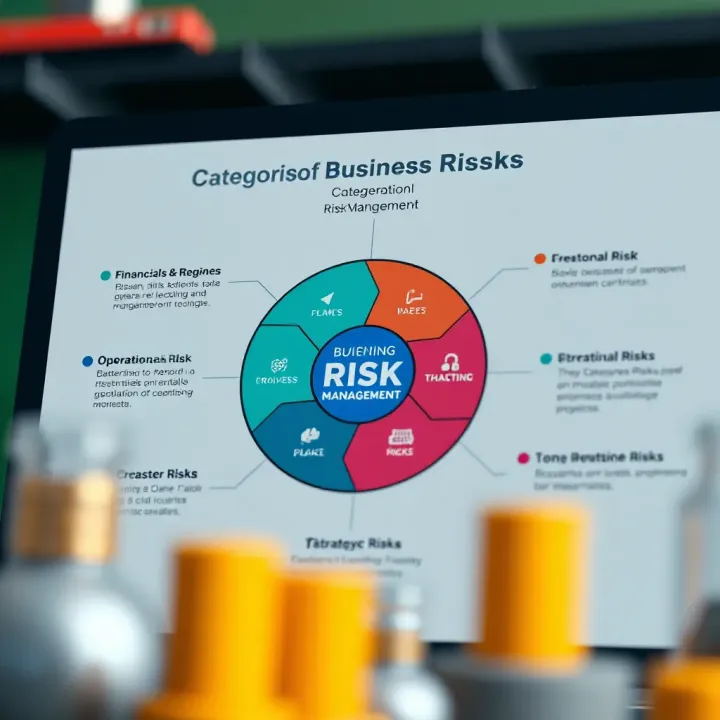
Protects assets: Safeguards physical property, financial resources, and reputation from damage.
Ensures continuity: Helps businesses operate smoothly despite disruptions like labour strikes or fluctuating fuel prices.
Boosts investor confidence: Transparent risk controls attract capital and support from stakeholders.
Financial risks: Exchange rate instability, inflation, or interest rate spikes affecting investment returns.
Operational risks: Unpredictable power supply, equipment failure, or logistics bottlenecks.
Compliance risks: Changes in regulations imposed by bodies like the Securities and Exchange Commission (SEC) or tax authorities (FIRS).
Market risks: Consumer behaviour shifts, competition, or supply-demand imbalances.
Identify risks: Map out internal and external factors that might impact your business.
Evaluate impact: Determine which risks could cause the most harm and how likely they are.
Develop controls: Put policies, training, or insurance in place to reduce dangers.
Monitor regularly: Keep track of risk levels and update plans when necessary.
A business that ignores risk is like an okada rider navigating busy Lagos roads without brakes – sooner or later, trouble will catch up.
This article will guide you through practical tools—often available in easy-to-use PDF formats—that make implementing risk management straightforward. It also explores how Nigerian firms apply these concepts to stay competitive and secure amidst local challenges.
Understanding these basics sets the stage for using risk management as a shield and compass for your trading, investing, or consulting activities in Nigeria’s dynamic economy.
Risk management involves identifying, assessing, and dealing with potential threats that could affect a business. For traders, investors, analysts, brokers, and consultants in Nigeria, understanding risk management helps protect capital, maintain operations, and seize opportunities in an uncertain environment. It is not just about avoiding risks but also about anticipating problems before they snowball.
Risk management covers all activities aimed at reducing the adverse effects of risks on a business. It touches every aspect, from finance to operations and compliance. For example, a Lagos-based firm importing goods may manage risks related to foreign exchange volatility and port delays. Rather than waiting for surprises, it continuously monitors these risks and prepares fallback plans.
Managing risk also means balancing risk-taking against reward. Investors buying shares on the Nigerian Exchange Group (NGX) will consider the company’s stability and market conditions to decide acceptable risk levels.
Risk describes situations where the likelihood of outcomes is known or can be estimated. For instance, currency fluctuation rates can be studied historically, helping to predict future changes and plan accordingly. Uncertainty, on the other hand, involves unknown variables with no reliable probability. Nigerian businesses dealing with unforeseen political events or sudden policy changes face uncertainty.
Practically, risk allows for measured decisions using data and models. Uncertainty requires flexibility and contingency plans since you cannot precisely calculate what might happen next. This distinction shapes how firms approach their risk management strategies.
Effective risk management safeguards physical and financial assets from avoidable harm. For example, a trader handling import-export transactions will use forward contracts to hedge against naira depreciation. This prevents losses that could wipe out profit margins.
Businesses that neglect risk exposure often suffer heavy blows—like sudden power outages or uncollected debts. Protecting investments through sound risk strategies causes steadier growth and better returns.
Risk management aims to keep the business running smoothly despite difficulties. For instance, companies relying on power supply in Nigeria face regular disruptions. Installing alternative energy sources like solar or generators and budgeting for fuel costs minimises downtime.
Business continuity is critical, especially for firms in fintech or brokerage services, where every transaction counts. Being prepared for disruptions means clients keep trust and operations do not stall because of avoidable issues.
By identifying risks early, companies can act to prevent or reduce the impact of negative events. An agricultural export business, for example, might invest in better storage facilities to avoid losses from spoilage during transport delays.
Minimising disruptions helps maintain reputation and operational efficiency. Investors and partners view such precautions as signs of professionalism and resilience.
Businesses in Nigeria, whether new or established, benefit when they see risk management as an ongoing, active process—not a one-time checklist. It prepares them for the rough spots ahead and keeps their ventures on solid ground.
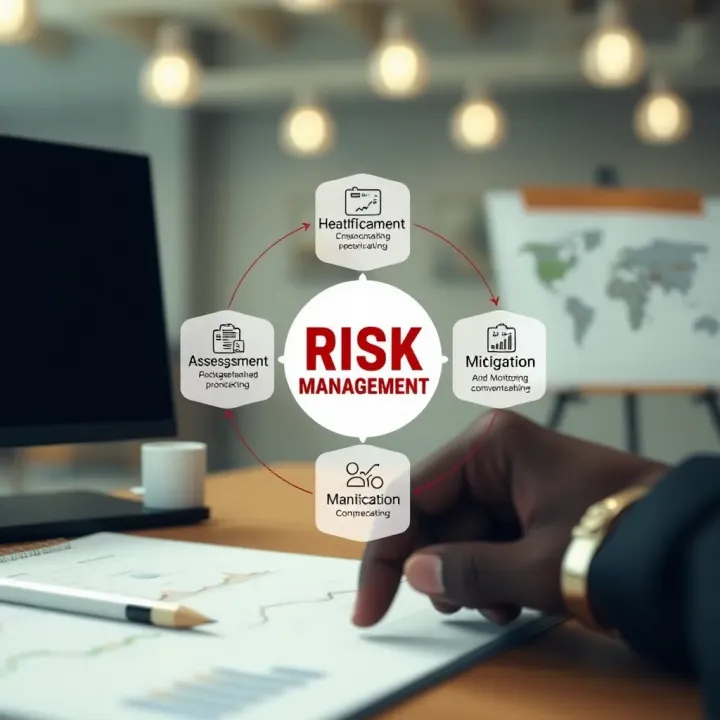
Understanding the common types of risk is essential, especially if you're managing assets or investments in Nigeria’s dynamic market. The types of risk businesses face here directly influence decision-making, planning, and profit margins. It’s not just about spotting risks but recognising how each one could affect operations and financial health.
Naira’s value tends to fluctuate frequently due to forex market pressures, CBN policy shifts, and external economic factors. For exporters or importers, a sudden depreciation could mean paying more for imported raw materials or earning less from exports. For example, a manufacturing company relying on tokunbo machinery may find costs shooting up unexpectedly, affecting production budgets.
Managing this risk involves hedging strategies or keeping some reserves in foreign currency accounts to cushion sudden shocks. Traders and investors who track the naira-dollar rate closely can adjust their portfolios to minimise losses during depreciations.
Credit risk arises when clients or borrowers fail to meet repayment obligations. In Nigeria, this risk is common due to economic pressures and fluctuating business fortunes. Banks and microfinance institutions frequently face significant defaults, especially from SMEs affected by rising operating costs like fuel and electricity.
To tackle this, lenders typically perform thorough credit assessments and require guarantees or collateral. For businesses extending credit to customers, regular monitoring of payment behaviours and strict credit terms help mitigate losses.
Power issues remain a significant operational challenge in Nigeria. Frequent blackouts force businesses to rely heavily on generators, driving up operational costs through diesel consumption and maintenance.
For example, a small-scale textile firm in Lagos could spend more than ₦500,000 monthly on generator diesel alone, which eats into profit margins. Effective risk management here might include investing in alternative energy sources like solar systems or negotiating better fuel supply contracts.
Nigeria’s road networks and traffic congestion, especially in cities like Lagos and Abuja, cause delays and increased transport costs. Port delays and customs bottlenecks further complicate supply chains, impacting timely delivery and inventory management.
For businesses relying on just-in-time inventory, these delays can halt production or sales. To manage this risk, companies often diversify suppliers, maintain buffer stocks, or use logistics firms experienced in navigating local challenges.
The Federal Inland Revenue Service (FIRS) requires accurate and timely tax filings. Non-compliance leads to fines, penalties, or legal issues. Since tax regulations sometimes change with government policies, staying updated is vital.
Businesses often engage tax professionals or use digital platforms to ensure correct VAT returns and income tax filings. Being proactive avoids surprise audits and preserves corporate reputation.
The Central Bank of Nigeria (CBN) enforces policies affecting foreign exchange, lending rates, and banking operations. Sudden policy changes—such as restrictions on forex access or new capital requirements—can disrupt business plans.
Financial institutions and businesses in regulated sectors must monitor CBN directives carefully and adjust strategies swiftly to maintain compliance and liquidity.
Properly identifying and managing these common risks lets Nigerian businesses thrive amid uncertainties, ensuring smoother operations and stronger financial positions.
Risk management is not just a theoretical exercise; it's about putting practical steps in place to shield your business or investments from unexpected shocks. In Nigeria's complex business environment — where currency fluctuations, power shortages, and shifting regulations happen without much warning — knowing these key steps helps you stay ahead and secure your assets.
To manage risks effectively, you must first spot them. Tools like SWOT analysis (looking at Strengths, Weaknesses, Opportunities, and Threats) and PESTEL (examining Political, Economic, Social, Technological, Environmental, and Legal factors) are useful for businesses to map potential troubles. For example, a manufacturing firm might identify power outages as a major threat affecting production lines.
Beyond formal tools, engaging your team, suppliers, and customers provides frontline insights you might miss alone. When an agribusiness consults local farmers and supply chain partners, it gains a clearer picture of risks like seasonal weather impacts or pest outbreaks, enhancing early detection.
Once risks are noted, evaluating their likelihood and possible impact ensures you don’t treat all risks the same. A sudden spike in fuel prices might be likely and costly for a logistics company, whereas a rare regulatory change may have less immediate effect. This evaluation helps focus efforts where they matter most.
Risk matrices offer a clear way to visualise priorities by plotting risks on a grid based on severity and probability. Nigerian businesses use such matrices to decide which issues deserve urgent budget and attention — from generator fuel shortages to foreign exchange risks — so they don’t spread resources too thin.
After prioritising, firms choose how to handle each risk: avoid it when possible (e.g., dropping a risky foreign supplier), reduce it (like investing in solar power to lessen generator use), share it through insurance or partnerships, or accept it when costs outweigh benefits.
For instance, a Lagos-based fintech might buy cyber insurance to share risk, while a cocoa exporter could diversify markets to avoid overdependence on one economy. Practical risk responses are all about balancing cost, control, and impact.
Risk environments don’t stay put. Regular checks, such as quarterly risk audits or monthly dashboard reviews, help companies know when new hazards emerge or old ones fade. Nigerian businesses often tie these checks to financial reporting periods or post-ember months when spending and risk profiles shift.
Adapting to environmental changes, including unexpected policy shifts by the Central Bank of Nigeria or fuel scarcity during festive seasons, requires agility. A retailer may adjust stock orders or payment terms based on new trends, maintaining resilience despite rough patches.
Effective risk management demands constant attention and action. By identifying, assessing, strategising, and reviewing risks, Nigerian businesses can safeguard operations, improve investor confidence, and thrive even in uncertain times.
Risk management in Nigerian businesses often gains clarity and structure from well-prepared PDF documents. These resources act as practical guides that organise complex information into straightforward formats, making risk strategies easier to implement and follow. Whether you are handling financial risks like naira volatility or operational challenges such as power outages, having ready-made PDFs helps streamline processes.
Accessibility for teams and businesses
PDFs are widely accessible and can be easily shared across departments and with partners, even when internet connectivity is patchy—a common situation in many parts of Nigeria. For example, a logistics firm facing supply chain hiccups can distribute risk assessment PDFs to every branch without worrying about compatibility or file corruption. This format maintains its layout and content integrity, which is crucial for consistent understanding.
Templates and checklists
Risk management templates and checklists simplify complex tasks. Instead of building risk evaluation tools from scratch, busy SMEs and larger corporations can adapt these PDFs for frequent use. Imagine a small fintech startup using a checklist to review compliance with CBN regulations every quarter; it ensures no requirement slips through unnoticed and saves time.
Risk assessment forms
Risk assessment PDFs guide businesses through systematically analysing potential threats. These forms prompt users to identify, judge, and document risks with clear sections for likelihood and impact. For instance, an investor analysing currency risk might fill out such a form to decide whether to hedge exposures or adjust portfolios.
Risk register templates
A risk register is a live document where identified risks are logged and tracked. Having this in a PDF format means it can be shared easily and filled offline, then updated regularly. A manufacturing company could use this template to monitor issues like equipment failure or fuel supply shortages, updating the register as conditions change.
Guides and best practice documents
PDF guides offer step-by-step advice tailored to Nigerian regulatory and market realities. They often include case studies, legal frameworks, and standard procedures—helping businesses align with compliance while protecting assets. For example, a guide from an industry association may explain how to prepare for tax audits by FIRS or manage foreign exchange exposure.
CBN and government agency publications
The Central Bank of Nigeria (CBN) regularly publishes risk management frameworks and regulatory updates in PDF format. These official documents are reliable sources for firms seeking to comply with monetary policies and safeguard against financial risk. Similarly, agencies like FIRS and the Nigerian Communications Commission release protocol documents crucial for compliance.
Industry association resources
Associations such as the Nigerian Stock Exchange (NGX) and the Manufacturers Association of Nigeria provide sector-specific risk management templates and guides. These materials often reflect local challenges and best approaches, making them invaluable for businesses keen on maintaining investor confidence and operational stability.
Using PDFs for risk management isn't just about convenience; it's about ensuring every team member works with the same clear, practical information amid Nigeria's evolving business environment.
In summary, well-chosen PDFs act as anchors in the uncertain tides of risk. They simplify communication, standardise practices, and offer ready tools that save time and reduce costly oversights in risk management.
Risk management holds a special place in Nigerian business realities due to the country’s unique economic and infrastructural challenges. Unlike more stable markets, Nigerian firms must contend with factors such as currency volatility and inconsistent power supply, which can severely disrupt operations and increase costs. Effectively managing these risks is not optional—it’s a necessary part of staying afloat and competitive.
Currency instability has been a headache for many Nigerian companies, especially those relying on imports or dealing in foreign currencies. The naira often faces sharp fluctuations against the US dollar and other major currencies. For example, a manufacturer that imports raw materials may wake up to a 10% worse exchange rate, suddenly inflating costs by millions of naira. This unpredictability affects budgeting, pricing, and profit margins. For businesses without a solid strategy to handle these swings, losses pile up quickly, sometimes forcing price hikes or delays in payment.
Power shortages also present a huge challenge. With DISCOs (distribution companies) unable to provide uninterrupted electricity, many businesses depend largely on generators. This adds materially to operating costs—fuel prices have been rising, and constant generator use wears out equipment faster. Picture a Lagos-based retailer whose refrigeration units shut down frequently during outages. Aside from lost goods, the retailer faces unhappy customers and increased expenses on fuel. Power instability affects everything from production lines to office productivity, making risk management more than just paperwork.
Reducing downtime and costs is one practical benefit of strong risk management. Companies that plan ahead—such as investing in stabilised power solutions or arranging currency hedges—cut down on unexpected disruptions. A construction firm, for example, might schedule procurement ahead of anticipated naira depreciation periods or set up fuel contracts to lock in prices. These actions reduce interruptions on sites and limit cost overruns. Effective risk planning also allows quicker recovery when issues arise, saving both time and money.
Improving investor confidence is another critical benefit. Nigerian investors, whether local or foreign, tend to avoid businesses perceived as risky or poorly managed. Firms that show they have sound risk management frameworks inspire greater trust. Consider a fintech startup that carefully balances foreign exchange exposure and complies meticulously with CBN regulations—such diligence can attract venture capital and partnerships. Transparency in managing risks signals professionalism and long-term viability, which can lead to better funding terms and market reputation.
In Nigeria's unpredictable business climate, managing risks isn't just good practice—it’s a lifeline. Organisations that understand and address these realities stand a better chance of thriving amid challenges.
In short, risk management in Nigerian contexts demands awareness of local hurdles and proactive strategies. For traders, investors, and consultants, appreciating these dynamics is key to navigating and seizing opportunities in Nigeria’s vibrant economy.
Discover how effective risk management in Nigeria helps protect businesses from threats, enhances decision-making, controls costs, and supports growth 📊🔒

🤖 Learn how binary bots work in binary options trading, the risks involved, and key tips for Nigerian traders looking to use automated tools effectively.

Explore how binary numbers work 🔢, their role in math and computing 🖥️, plus easy methods for conversions and binary arithmetic explained clearly.

Explore how binary works in maths and tech 🧮💻, its history, number representation, and why it matters in computing today across Nigeria and beyond.
Based on 13 reviews