
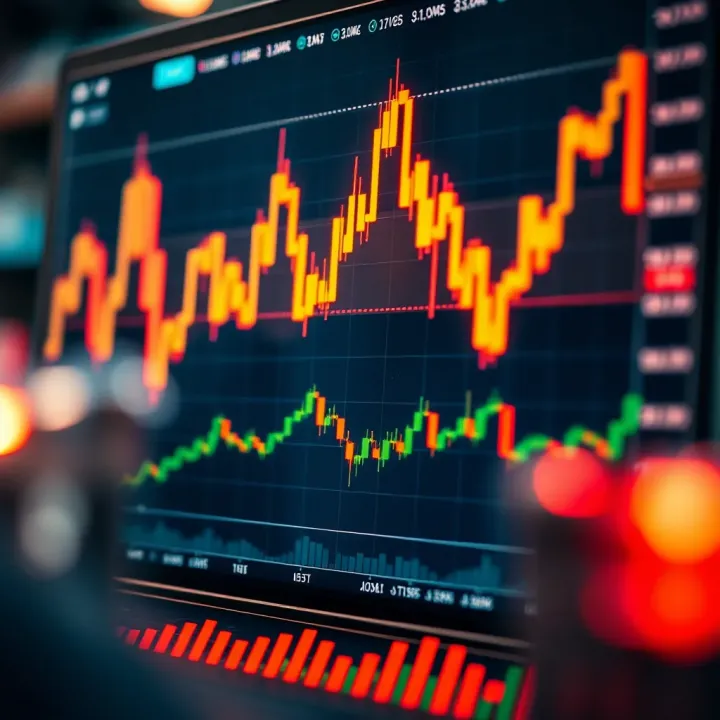
Top Forex Trading Strategies for Nigerian Traders
Discover effective forex trading strategies for Nigerian traders 🇳🇬. Learn risk management, key tools, and approaches to boost your trading success 📈.
Edited By
Harry Mitchell
Forex trading signals help traders make timely decisions about when to buy or sell currencies, increasing the chances to profit in volatile markets. These signals provide advice based on technical or fundamental analysis, offering guidance without requiring traders to perform complex calculations themselves.
In Nigeria, where forex trading is growing fast, signals have become popular tools among both newbies and experienced traders. They serve as practical indicators flagged by professionals or automated systems, showing potential entry or exit points backed by data.
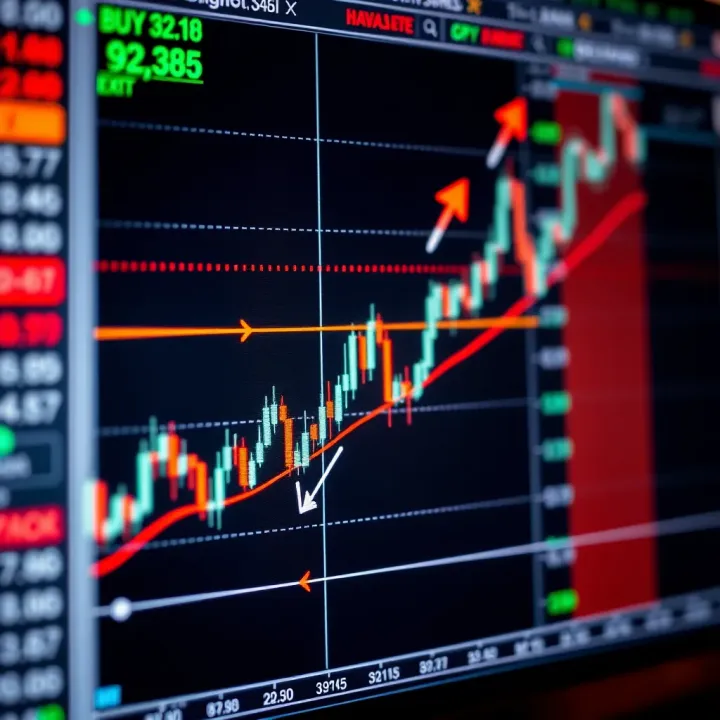
Using trading signals effectively means more than just following them blindly. You must understand their origins, evaluate their reliability, and apply them within your own trading plan.
There are several types of forex signals:
Manual signals, generated by expert analysts after reviewing charts and market news.
Automated signals, created by algorithms that detect specific price patterns or trends.
Copy trading signals, where traders replicate the actions of successful peers on platforms.
A Nigerian trader receiving a sell signal on USD/NGN from a trusted source can act quickly, especially when combined with local market insight such as central bank policy changes or economic indicators.
Despite their usefulness, signals carry risks:
Not all sources are reliable; some signal providers may have poor track records or conflict of interest.
Market conditions can shift abruptly, making past signal performance irrelevant.
For anyone using signals, these tips help improve effectiveness:
Choose trusted providers with clear performance records and transparency.
Use signals as a guide, not as the sole basis for trading.
Combine signals with your own research and risk management.
In summary, forex trading signals can help Nigerian traders sharpen their timing and decision-making. Understanding what the signals represent and applying them wisely will support better results without falling into common traps.
Mastering forex trading signals is essential for any trader who wants to make informed decisions in the currency market. These signals act like road signs, showing when to enter or exit a trade based on analysis. For Nigerian traders facing volatile market conditions and naira fluctuations, understanding these signals can reduce guesswork and increase the chances of profitable trades.
Forex signals are alerts or recommendations generated by analysts or trading software, indicating potential opportunities to buy or sell currency pairs. They distill complex market data into clear actionable advice, helping traders avoid sifting through endless charts alone. For example, a signal might suggest buying the USD/NGN pair at a specific price with defined stop loss and take profit levels.
Signals provide timely cues on market movements, allowing traders to act quickly. If a signal suggests a strong uptrend for EUR/USD, a trader can enter a buy position confidently instead of relying on guesswork. Moreover, signals often include risk control measures like stop loss, curbing losses when the market moves against the trade.
These come from experienced traders or market analysts who monitor forex markets and share trade recommendations based on their expertise. They consider macroeconomic factors, news, and price action. For instance, a seasoned analyst might suggest selling GBP/USD after a Central Bank announcement. Nigerian traders often subscribe to such services for expert guidance tailored to current market trends.
Automated signals rely on algorithms programmed to spot patterns using technical indicators like moving averages or RSI. Robots scan multiple currency pairs simultaneously and generate alerts without human bias or delay. While automatic signals can cover more ground, they require close supervision to avoid blind reliance, especially during unexpected market events.
Fundamental signals arise from economic events, such as interest rate changes or inflation data. For example, if Nigeria’s CBN raises the Monetary Policy Rate, this could trigger buy signals for the naira. Technical signals, on the other hand, focus solely on price charts and pattern recognition, like detecting support and resistance levels. Savvy traders often blend both types to get a fuller market picture.
Understanding the differences between manual and automated signals, as well as fundamental and technical approaches, arms traders with the right tools to select and apply signals that suit their strategy.
By grasping these basics, traders can use forex signals as a practical tool to sharpen their trading edge in Nigeria’s fast-moving forex scene.
Using forex signals effectively means understanding the key elements each signal carries. They provide traders with specific instructions on when and how to enter or exit trades. But it’s not enough to blindly follow these signals; you need to understand what they mean and how to act on them. This section breaks down the essential parts of a trading signal and how you can read and apply them effectively.

Every forex signal centres on a currency pair, such as USD/NGN or EUR/USD. This tells you which two currencies you’re trading. Focus here is crucial because different pairs behave differently depending on economic events and market conditions. For example, the naira-dollar pair (USD/NGN) tends to be highly sensitive to changes in oil prices and CBN policies. Understanding the dynamics of your chosen pair helps you gauge the risk and potential rewards of a trade.
The entry price is the specific rate at which the signal suggests you buy or sell the currency pair. Acting close to this price increases your chances for the predicted outcome. If the signal indicates the USD/NGN pair at an entry price of ₦460/$1, entering at or just below this rate matters. Enter too far away, and your risk rises, potentially impacting profits.
These levels are vital safeguards. A stop loss sets the maximum loss you’re willing to accept by automatically closing a trade if the market moves against you. Conversely, take profit locks in your gains by closing the trade once your target price is hit. For instance, if you enter at ₦460 and set a stop loss at ₦458, you limit downside risk. Similarly, setting take profit at ₦465 means the trade will close automatically once profits reach that level. These tools protect you from big losses and help plan exit strategies.
Trading signals come with different time frames — from minutes to days. Scalpers might focus on 5-minute signals for quick gains, while swing traders prefer signals spanning days or weeks. Knowing your trading style and the signal’s time frame prevents mismatched expectations. For example, a signal valid for a one-hour trade isn’t suitable if you plan to hold positions for weeks.
Not all signals carry equal weight. Reliable signals often come from providers with a proven track record and transparent methods. Look for signals backed by technical indicators (like RSI or moving averages) and fundamental analysis (such as economic announcements from Nigeria or the US). You should also consider if the signal aligns with broader market trends. Be wary of overly optimistic signals promising huge returns without clear reasoning.
Acting on a forex signal quickly is important, but so is patience. Sometimes waiting a few minutes (or even hours) for the market to align with the signal’s suggested entry leads to better outcomes. Jumping in late, or delaying too long, can affect profitability. It's smart to monitor price action around the signal’s entry price before committing. For example, if a signal suggests buying EUR/USD at 1.1000 but the price briefly dips to 1.0995 before rising, waiting for confirmation can be wiser than rushing in.
Forex signals serve as valuable guides, but your success depends on understanding their details and timing your moves carefully.
Mastering these practical aspects will help you use forex signals more effectively and increase your chances for consistent gains in Nigerian and global forex markets.
Forex traders in Nigeria have access to various sources for trading signals. Knowing where to find reliable signals can make a big difference in your trading outcomes. Since the Nigerian market is vibrant but volatile, picking dependable sources helps you avoid costly mistakes and boost your chances of success.
Subscription services for forex signals come from both local and international companies. Local providers often understand Nigerian market specifics, currency pairs like USD/NGN, and practical challenges such as internet reliability and local economic news. For instance, some Nigerian fintech startups include forex signal features tailored to local traders. Meanwhile, international providers often have advanced algorithms, broader currency coverage, and sophisticated analytics. They might offer signals for pairs like EUR/USD or GBP/USD, which Nigerian traders also actively follow.
Local services might be more accessible and personalised but less technologically advanced. International providers tend to have better data and resources but can be pricier and sometimes less tuned to Nigerian realities. Deciding between the two depends on your strategy, budget, and the currency pairs you focus on.
Subscription fees for forex signals vary widely. Some Nigerian providers charge as low as ₦5,000 monthly, targeting beginner traders. International platforms might charge upwards of ₦20,000 monthly or offer tiered pricing based on frequency and type of signals. It's best to weigh the cost against expected benefits; high fees don’t always mean better signals.
Before subscribing, check if the provider offers trial periods or sample signals. This helps avoid wasteful spending, especially since forex trading requires careful money management. Avoid providers that promise unrealistic profits for steep fees — these often turn out to be scams or poor-quality services.
Many traders in Nigeria turn to free forex signals shared on platforms like WhatsApp, Telegram, or trading forums. While it’s tempting to save money here, free signals carry risks. They may lack verification, be outdated, or come from unqualified sources. Traders relying solely on such signals often face losses because the advice might be generic or even misleading.
Besides accuracy, many free signal providers have no accountability. If a trade goes south following their tip, you can’t ask for refunds or support. This can be particularly dangerous during volatile periods in the naira-dollar market.
To avoid falling for bad advice, always verify the credibility of free signal providers. Check their track record by asking for past performance data or reviews from experienced traders. Look for transparency — credible sources usually share details like win rates and risk management strategies.
Also, cross-check signals from free providers with your own analysis or other trusted sources. Participating in reputable Nigerian trading communities where traders discuss experiences can help identify genuine signal sharers. Remember, no signal should replace your independent judgment and risk controls.
Forex trading signals can offer useful insights, but knowing where to find reliable ones and how to assess their value is what separates profitable traders from the rest. In Nigeria’s unique market, careful selection matters a lot.
Using forex signals wisely is no small matter if you want to avoid losses and grow your trading portfolio steadily. Signals can be a helpful tool, but they come with risks that require caution and good judgement. If you treat signals as hints rather than strict orders and combine them with your own market reading, you stand a better chance of making profitable trades.
Signal scams and unreliable providers are a real hazard in the forex space. Some signal providers promise quick profits but deliver poor or no results, tricking traders into wasting time and money. Others may sell outdated or generic signals that don't reflect live market conditions. For example, a signal claiming a sharp price rise that actually happens hours earlier renders the info useless. To avoid this, always check for verified track records and reviews from trusted sources before subscribing.
Equally dangerous is overreliance on signals without personal analysis. Some traders blindly follow signals without understanding underlying market factors or developing their own strategy. This approach often backfires when markets turn volatile, as signals are not foolproof. Consider a Nigerian trader who blindly follows every buy signal, ending up with several losing trades in a row during unstable economic news. To succeed, signals should guide — not replace — your own market research and decision-making.
Combining signals with your own research is vital. Use signals as one input, then check related news, charts, and market trends independently. If a signal suggests buying USD/NGN, look out for Central Bank of Nigeria policy changes or economic reports supporting currency movement. This way, you filter weak signals and trade with confidence.
Practising good money management is crucial regardless of signal quality. Limit the amount risked on each trade to avoid wiping your account during losing runs. For instance, risk only 1-2% of your capital per trade, so even several consecutive losses won’t hurt your overall portfolio drastically. Set clear stop-loss levels as indicated by signals and never move them arbitrarily.
Starting with demo accounts helps you test signals without risking real money. Many brokers in Nigeria offer demo platforms where you can simulate trades using actual signals. This builds your skill and confidence, revealing which signals work well for your style. Once comfortable, transition gradually to live trading with small stakes.
Using forex signals safely means balancing trust with caution. Remember, signals cannot guarantee profits, but combining them with sensible research and money management improves your chances of success in Nigeria's dynamic forex market.
Choosing the right forex signal service is essential for traders who want to make informed decisions and reduce risks. A reliable service can offer timely, actionable signals that align with your trading strategy, while a poor one may lead to losses or bad habits. For Nigerian traders especially, navigating between local providers and international platforms demands a sharp eye for quality, transparency, and consistency.
Before committing to a signal provider, check their historical performance thoroughly. Look for verified track records showing consistent profits over months or years rather than quick, one-time wins. Many services highlight their success rates, but it's wise to scrape through user reviews on platforms like Forex Peace Army or Trustpilot to see varied trader experiences. For example, a signal service boasting 80% success on a few trades but no long-term records might be less trustworthy than one with steady returns of 60% over a year.
Realistic past performance gives you a clue about how signals react to fluctuating market conditions, which is crucial in the volatile currency environment. Nigerian traders should also check if the service’s performance aligns with their preferred currency pairs, such as USD/NGN or EUR/USD.
A credible provider must openly share how signals are generated and what risks come with them. Whether signals come from experienced analysts or automated algorithms, detailed explanations help build trust. Transparency means clear information about entry points, stop loss, take profit levels, and the reasoning behind each trade.
For instance, some services send signals directly with no context, leaving traders guessing. Others provide charts or explanatory notes, which help users understand the market picture. This transparency allows traders to learn and verify signals against personal analysis, reducing blind dependency.
Forex markets move fast, and delays in signal delivery can cost money. Choose providers known for timely alerts, ideally through instant messages or dedicated apps. This speed lets you act promptly before market shifts undo potential gains.
Frequency matters too. You want enough signals to trade regularly but not so many that quality dips or you feel overwhelmed. For example, a service sending two or three signals daily with clear entry and exit points helps maintain focus. Excessive signals with vague details often indicate low quality.
The best services stand out with good client support and materials to help traders improve. Look for providers who offer guidance on interpreting signals, managing risks, and understanding market trends. This support could be in the form of webinars, tutorials, or responsive customer service.
In Nigeria, where many traders juggle forex alongside other jobs or studies, clear educational content is a big help. It equips you to combine signals with personal research and sharpens your skills over time, reducing the chance of costly mistakes.
Always remember: a forex signal service is not a magic wand. It's a tool that, when chosen wisely, can greatly improve your trading but still demands your active engagement and prudence.
By focusing on these elements, you not only reduce risks but set yourself up for more profitable and sustainable forex trading.
Discover effective forex trading strategies for Nigerian traders 🇳🇬. Learn risk management, key tools, and approaches to boost your trading success 📈.
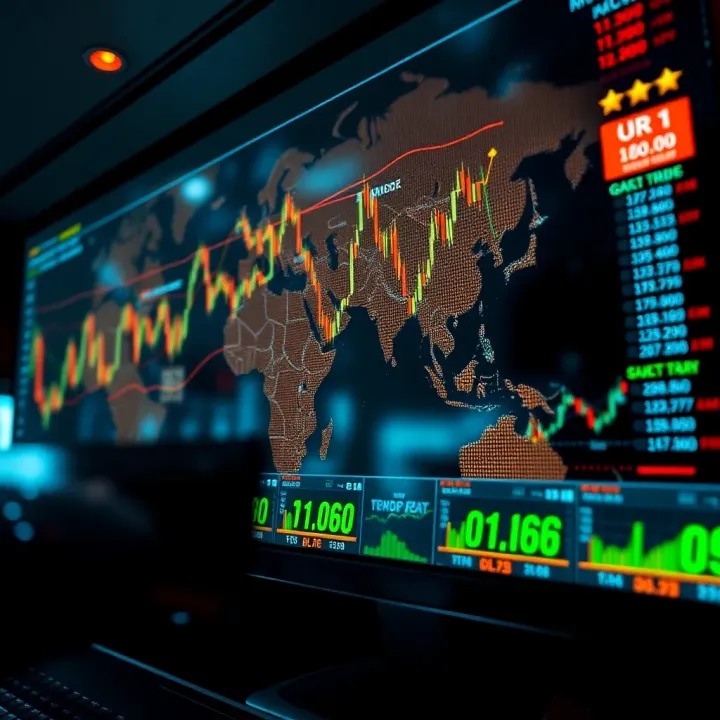
📈 Discover the best times for forex trading in Nigeria by understanding global sessions, key currency pair activities, and strategies to manage risks effectively.
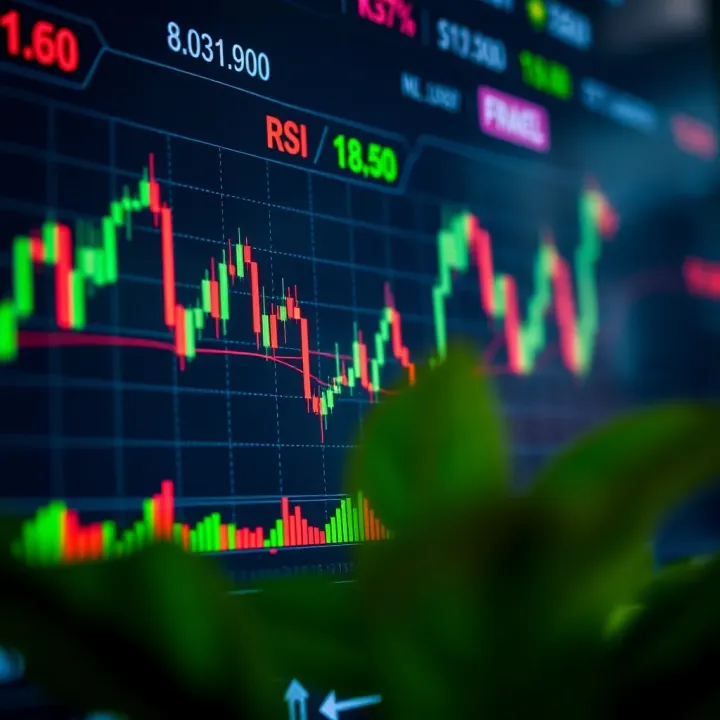
Discover top forex trading indicators 📊 tailored for Nigerian traders 🇳🇬. Learn how to combine tools for smarter, more accurate trading decisions!

📈 Discover practical forex trading insights and proven strategies tailored for Nigerian traders. Master risk, choose brokers wisely, and thrive in local markets.
Based on 11 reviews