
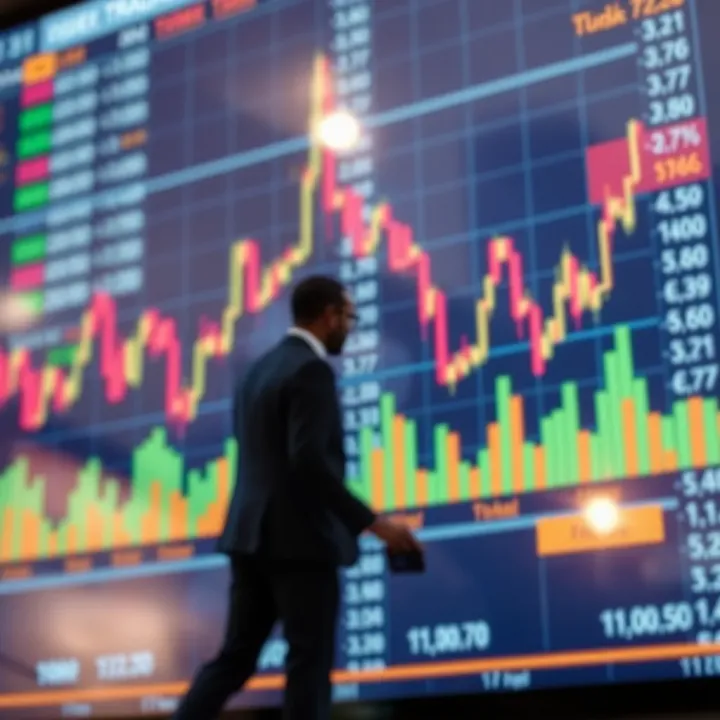
Benefits of Forex Trading in Nigeria
Explore how Nigerians can benefit from forex trading 🌍 Flexible hours, easy access, profit potential, and smart risk management tools to trade confidently 📈💼
Edited By
William Foster
Forex trading in Nigeria has grown steadily, becoming a notable avenue for those seeking to diversify investments beyond traditional assets like stocks or real estate. Unlike fixed deposit accounts or long-term savings plans, forex trading offers flexibility and immediacy that suits the fast-moving financial landscape Nigerians face today.
One major draw is the high liquidity of the forex market, which means Nigerian traders can buy and sell currencies quickly without waiting for long periods or encountering significant price drops. This immediate access to trade opens doors to capitalize on market fluctuations that happen within minutes or hours.
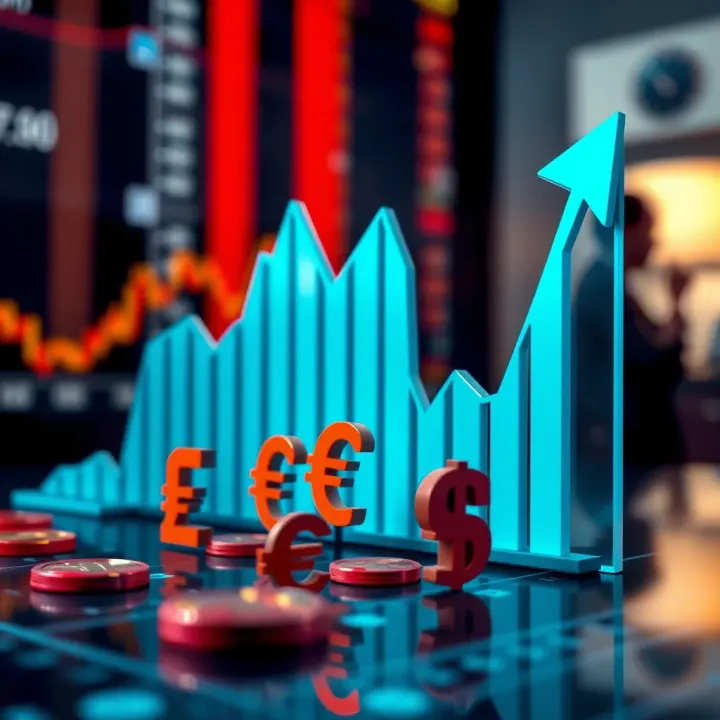
Another benefit is the ease of entry with relatively modest capital. Many brokers operating in Nigeria allow starting trades with amounts as low as ₦10,000, making forex trading accessible even to young investors or those without large savings. This contrasts sharply with other investments requiring tens or hundreds of millions of naira upfront.
Operating through online platforms also provides convenience and flexibility. Traders can engage from anywhere—be it their home, an office, or a flexible workspace—relying on stable internet to track exchange rates and manage positions. This is especially important in Nigerian cities like Lagos or Abuja, where daily life already demands adaptability due to traffic and power supply issues.
Moreover, forex trading offers a way to leverage the global economy’s interconnectedness. Understanding currency pairs allows traders to speculate on events such as changes in oil prices, Central Bank of Nigeria (CBN) policies, or geopolitical developments, which directly affect the naira's value.
While not without risks, forex trading presents Nigerians with a chance to expand financial opportunities beyond conventional means, balancing risk through informed decisions and disciplined strategies.
Key points to remember:
Forex trading offers liquidity unmatched by many local markets.
Entry cost is generally affordable, accommodating a wide range of investors.
Online platforms provide flexibility, fitting trading into busy Nigerian lifestyles.
Traders can engage directly with global economic factors, gaining exposure beyond Nigeria’s borders.
Understanding these benefits helps Nigerian traders and investors make informed choices about including forex trading in their portfolios or financial plans.
Forex trading, or foreign exchange trading, involves buying and selling currencies based on their price changes in the global market. This system is the largest financial market worldwide, moving trillions of dollars every day. For Nigerians, understanding these basics is essential to grasp the opportunities and risks involved.
At its core, forex trading means exchanging one currency for another with the aim of making a profit from fluctuations in exchange rates. For example, a trader in Lagos might buy the US dollar (USD) when it’s relatively cheap and sell it once the naira weakens against the dollar. Unlike the stock market, forex operates 24 hours during weekdays, allowing traders to take advantage of global trends across different time zones.
The market runs on supply and demand. Events like changes in Nigeria’s oil revenue, Central Bank of Nigeria (CBN) policies, or political tensions can influence the naira’s strength. Forex trading platforms like MetaTrader 4 and 5 are widely used in Nigeria, providing access to currency pairs such as USD/NGN or EUR/USD.
Nigerians are drawn to forex trading for several practical reasons. Firstly, the ease of entry is significant. Many brokers allow Nigerians to start trading with as little as ₦20,000, which fits well with the average investor’s budget.
Secondly, forex trading offers flexibility uncommon in traditional investments like stocks or real estate. You can trade anytime from your phone or PC, making it attractive for people balancing other commitments or avoiding Lagos traffic jams to reach offices.
Thirdly, the volatility of the naira makes forex appealing for hedging purposes. Nigerians worried about inflation or sudden naira depreciation see forex trading as a way to protect their savings by holding stronger currencies.
Lastly, there’s the potential for high returns if trades are well-managed, especially using leverage. However, it is vital to understand both profit and risk clearly, as losses can be severe without proper knowledge.
In a nutshell, forex trading offers Nigerians a practical, accessible window into global finance, with chances to grow capital while managing everyday economic challenges.
By focusing on these basics — how forex works and why it attracts local traders — you build a strong foundation for more detailed discussions on liquidity, profit potential, and trading tools in later sections.

Liquidity and market accessibility are two factors that greatly influence the success and appeal of forex trading, especially for Nigerian traders. High liquidity ensures traders can enter and exit positions without much delay or price distortion. Meanwhile, market accessibility means traders in Nigeria can participate anytime, unaffected by traditional market hours.
Forex is often called the most liquid financial market worldwide. This means there is a high volume of trades happening every second, involving currencies from all over the globe. For Nigerian traders, this high liquidity comes with tangible benefits. For instance, when you try to buy or sell US dollars against the naira or other currencies like the euro or pound sterling, the market's depth means trades are filled quickly at expected prices. This reduces the risk of slippage, where you might get a worse price than anticipated.
Unlike trading stocks on the Nigerian Stock Exchange (NGX), where lower volume can cause price swings and delays, forex markets operate with continuous buy-sell interest. This helps traders react swiftly to global events—say, a CBN policy announcement or international trade news—without waiting hours or days to execute their trades. Traders profit from this by moving in and out of positions flexibly as the market changes.
Forex markets run 24 hours a day from Sunday evening to Friday evening (WAT), covering markets in Sydney, Tokyo, London, and New York sequentially. This round-the-clock nature fits well with Nigerians who might be juggling jobs, businesses, or family responsibilities during the day.
Imagine an investor working a nine-to-five job in Lagos; with forex trading, they can monitor and place trades in the evening or during breaks. It also means they can react to international news even if it occurs outside Nigerian business hours. For example, if the Federal Reserve in the US makes an unexpected change in interest rates at night Nigerian time, traders can act before markets reopen Monday morning.
Accessibility is also supported by online platforms like MetaTrader and mobile apps from brokers such as FXTM and Alpari, which Nigerians can use with just internet access. This lowers barriers that traditional investments might have,
Offering liquidity and nonstop access, forex trading allows Nigerian investors to manage their portfolios actively and flexibly, matching their unique schedules and financial goals.
In summary, forex market liquidity provides efficient trade execution while 24-hour access affords Nigerian traders the flexibility needed to seize opportunities as they arise, any time of the day.
Currency price movements form the backbone of opportunities in forex trading. For traders in Nigeria, understanding how these fluctuations work can unlock ways to turn timely decisions into profitable outcomes. Because exchange rates between currencies like the US dollar, British pound, or euro and the Nigerian naira fluctuate constantly, traders can buy low and sell high—or vice versa—to gain from these shifts.
Currency prices fluctuate due to multiple factors such as economic reports, interest rate changes by central banks, geopolitical events, and market sentiment. For example, if the Central Bank of Nigeria (CBN) raises interest rates, it might strengthen the naira as investors seek higher returns locally. A forex trader noticing this early could buy naira pairs before the increase and sell at a profit as the currency appreciates.
Another common scenario is during global uncertainties—like oil price shocks or political developments—where forex markets usually see sharp moves. Traders who follow the news and understand these impacts can capitalise by entering positions ahead of the market's adjustment. This dynamic aspect means forex trading in Nigeria offers more frequent profit chances compared with typical stock investments, especially given the nation's exposure to external economic forces.
It’s worth noting that not all price movements are predictable, but a disciplined approach rooted in analysis can tilt outcomes favourably.
Leverage allows Nigerian traders to control larger amounts of currency than their actual capital by borrowing from brokers. While leverage magnifies potential profits, it also increases risks. For instance, with 100:1 leverage, ₦10,000 can trade ₦1,000,000 of currency. A 1% favourable move could generate ₦10,000 profit, doubling the initial capital if managed carefully.
However, careless use of leverage can wipe out funds quickly. Therefore, risk management practices, such as setting stop-loss orders to limit downside and trading small fractions of capital, are vital. Some Nigerian platforms offer flexible leverage ratios tailored to user experience and risk appetite, ensuring traders do not overexpose themselves.
Effective leverage use is about balancing ambition with caution; it's a tool that rewards prudence as much as boldness.
In summary, currency fluctuations in the forex market offer Nigerian traders tangible profit opportunities when combined with smart leverage and risk control. Staying informed on economic events and practising disciplined trade management are essential for turning these potential gains into actual returns.
Forex trading in Nigeria attracts many because of its flexible trading conditions and low barriers to entry. Unlike conventional investments that often require large sums, forex lets traders start small and grow steadily without being bogged down by heavy upfront capital.
One standout advantage of forex trading is that Nigerians can start trading with as little as ₦20,000 or even less, compared to other investment forms like real estate or stocks which demand significantly higher initial funds. This flexibility allows young professionals or traders from smaller towns to participate. For example, some brokers operating in Nigeria permit opening micro accounts, enabling trades with small lot sizes. This means you can manage risk better, as you don't have to risk a large chunk of your savings at once.
Starting with minimal capital also encourages learning on the job. New forex traders can practice strategies without heavy losses early on. Unlike buying a tokunbo car or opening a small mamaput business that demands upfront costs with no easy reversibility, forex trading platforms offer demo accounts. These allow Nigerians to familiarise themselves with market moves and tools before risking real money.
Accessibility goes beyond low capital; it also extends to technology. Nigerian traders enjoy access to a variety of trading platforms like MetaTrader 4 (MT4), MetaTrader 5 (MT5), and more localised options from brokers licensed to operate within Nigeria. These platforms provide interactive charts, real-time news, technical indicators, and automated trading capabilities.
Most trading platforms support smartphones, making it possible to trade from anywhere in Nigeria, whether Lagos traffic jams or peace of mind at home in Enugu. This mobile access means you don't have to be tied to a desktop or attend physical training sessions. Also, many brokers integrate with Nigerian payment gateways such as Paystack or Flutterwave, enabling easy deposits and withdrawals in naira without complex FX conversions.
By combining low starting amounts with user-friendly platforms, forex trading removes many common hurdles. This opens opportunities for diverse Nigerians—from university graduates looking to supplement income to seasoned business people who want to diversify investments.
Flexible trading conditions and low entry barriers democratise forex trading, offering practical entry points for Nigerians regardless of economic background.
In summary, the ability to start small and access professional-grade trading tools explains why forex trading is fast becoming a favourite investment avenue across Nigeria. It helps overcome financial limitations while providing the convenience of modern technology tailored for the Nigerian market.
Diversifying an investment portfolio helps spread risk and improve returns, especially in a market as volatile as Nigeria's. Forex trading offers a unique asset class that doesn't move in sync with equities, real estate, or government bonds commonly held by Nigerian investors. Including forex alongside traditional assets helps cushion against sharp drops in any single market.
Forex trading provides exposure to global currencies, which most Nigerian portfolios lack. While stocks on the Nigerian Exchange (NGX) and real estate remain localised investments, forex allows Nigerians to tap into international markets like the U.S. dollar, euro, and pound sterling. This exposure balances risks linked to domestic economic challenges like inflation or regulatory changes.
Consider a Nigerian investor focusing largely on Lagos real estate. If the property market slows due to policy shifts or fuel scarcity that reduces demand, holding foreign currencies through forex trading could provide liquidity and growth elsewhere. Forex markets often behave independently of Nigerian financial assets, so gains in currency trading can offset losses from traditional holdings.
The naira's occasional sharp depreciation has disrupted Nigerian investments and savings repeatedly. Forex trading offers practical tools to hedge against this currency risk. By buying strong currencies such as the US dollar or euro on forex platforms, Nigerians can protect their funds from local devaluation over time.
Additionally, instruments like currency futures and options—though less common among retail traders—serve to lock in exchange rates for future transactions. This protects businesses or individuals who expect to make payments in foreign currencies, stabilising cash flow amid naira fluctuations.
For many Nigerian investors, forex trading is more than a profit-making tool; it is a strategic shield against the naira’s instability, allowing better financial planning in uncertain economic conditions.
In practice, traders use straightforward forex transactions to convert ₦ into dollars or euros as insurance during periods of naira weakness. This approach links directly to their broader investment decisions, balancing growth and security.
Overall, integrating forex trading into your portfolio creates a wider range of opportunities and protections. It sharpens your capacity to respond to Nigeria’s unique economic challenges while tapping into global currency trends. For investors serious about resilience and steady growth, forex offers a valuable addition beyond the usual stocks and real estate holdings.
Explore how Nigerians can benefit from forex trading 🌍 Flexible hours, easy access, profit potential, and smart risk management tools to trade confidently 📈💼
📉 Explore the real risks and smart strategies of forex trading in Nigeria. Learn how market mechanics and local factors can make or break your ₦ success.
📈 Curious about forex trading profits? Discover how currency exchange could boost your ₦earnings, the risks involved, and tips tailored for Nigerian traders looking to succeed.
📉 Interested in forex trading in Nigeria? Learn the key risks, how currency swings affect your ₦ and practical tips to protect your funds in the forex market.
Based on 7 reviews