
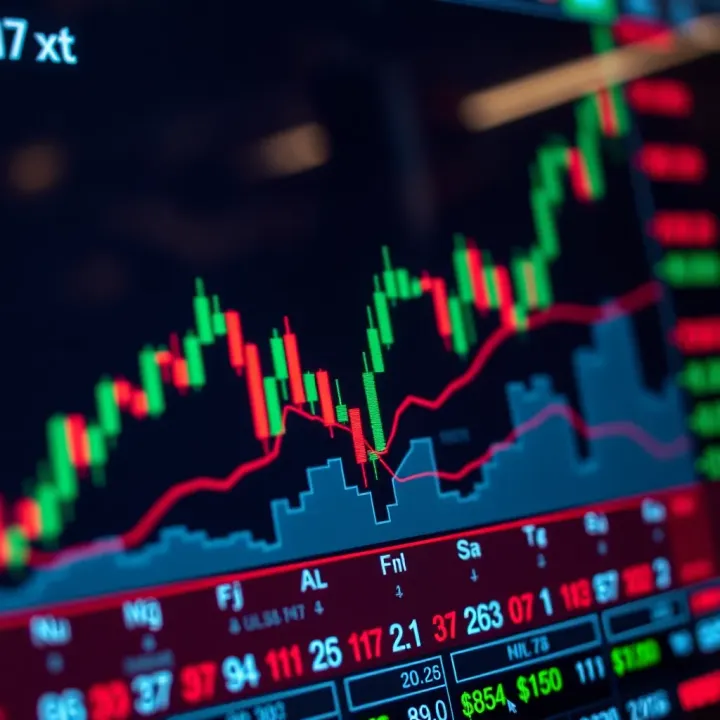
Forex Trading Guide for Nigerian Traders
🌍 Explore forex trading in Nigeria with tips on markets, strategies, brokers, leverage, risk management, and overcoming common challenges. 📈💡
Edited By
Charlotte Bennett
Forex trading offers a real chance for Nigerian traders to tap into global markets and earn in foreign currencies like the US dollar or Euro. Unlike traditional stock markets, forex operates 24 hours across time zones, including major centres like London, New York, and Tokyo. This nonstop nature means you can trade anytime, fitting well into Nigeria’s active lifestyle even with Lagos traffic or ember months distractions.
Trading forex involves buying one currency and simultaneously selling another. For example, if you believe the US dollar will strengthen against the Nigerian naira, you might buy USD/NGN pairs to profit as it rises. Familiarity with key terms like "pip" (the smallest price move), "lot size" (units of currency traded), and "leverage" (borrowing to increase position size) is essential before placing real funds.
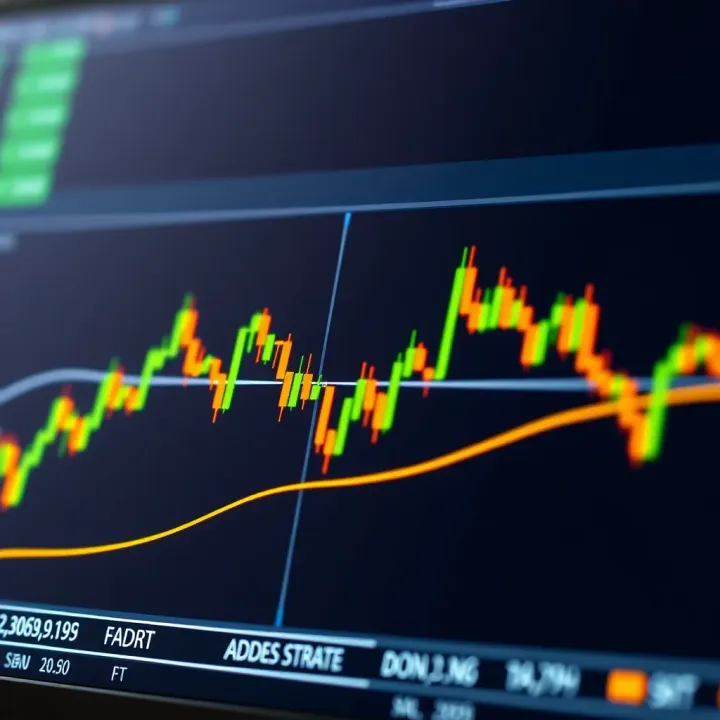
This guide speaks directly to Nigerian traders keen on mastering forex by decoding the market’s mechanics and highlighting local considerations. Forex trading here faces unique challenges: naira volatility, power outages that can disrupt internet, and regulatory factors from bodies like the Central Bank of Nigeria (CBN). Keeping abreast of these helps you avoid unnecessary losses.
Understanding risk management is non-negotiable: it means setting stop-loss orders to limit damage and never risking more than 1-2% of your capital per trade. Many Nigerian traders fall into the trap of chasing big profits without shielding their investment.
By using downloadable PDF resources tailored for Nigerian forex traders, you can have handy references offline for study or quick review during busy days. These PDFs compile practical strategies, charts, and examples focused on Nigerian currency pairs and local trading platforms.
Whether you are a beginner or sharpening your skills, this article breaks down forex trading clearly, covering:
Market basics and terminology
Entry and exit strategies
Leveraging trading platforms popular in Nigeria, such as MetaTrader 4/5 and locally supported brokers
Managing risk amid naira’s swings
Tools and PDFs to guide your trading journey
Embracing forex trading requires discipline and continuous learning. This guide aims to offer you clear steps and resources without unnecessary fluff. The goal is to help you trade smarter, avoid common beginner pitfalls, and make mindful decisions in Nigeria's dynamic forex space.
Grasping the fundamentals of forex trading is the first step for anyone serious about tapping into the global currency market. This knowledge lays the groundwork for informed decisions, reducing costly mistakes often seen with beginners. For Nigerian traders, understanding the basics helps navigate the nuances of forex influenced by local economic conditions and currency volatility.
Forex trading, or foreign exchange trading, involves buying and selling currencies to profit from changes in their exchange rates. Unlike stocks that represent company ownership, the forex market is about exchanging one currency for another, such as the US dollar for the euro. It’s the largest financial market worldwide, operating 24 hours from Monday to Friday, which ensures continuous opportunities.
For example, a Nigerian trader might buy the US dollar against the naira, hoping the dollar strengthens due to economic shifts, allowing for gains when exchanging back. The forex market’s size and liquidity make it attractive but also challenging because prices can move fast.
Major currency pairs dominate trading volumes and include combinations like EUR/USD (euro/US dollar), USD/JPY (US dollar/Japanese yen), and GBP/USD (British pound/US dollar). These pairs are preferred because they have tight spreads and high liquidity, meaning it’s easier to enter or exit trades without major price changes.
Nigerian traders should focus on pairs involving the US dollar since the naira often moves in relation to the dollar due to trade and oil prices. For instance, USD/NGN isn't traded on global forex but appears on local platforms. Understanding major pairs helps in picking instruments that offer predictable volatility and better trading conditions.
The forex market runs in cycles aligned with global financial centres – London, New York, Tokyo, and Sydney. Each session overlaps with another at times, creating peak liquidity moments when traders find it easier to buy and sell without big price jumps. For example, the London-New York overlap is usually the most active period.
For Nigerian traders, timing trades during these overlaps can reduce slippage (unexpected price changes) and spread costs. Since Nigeria shares some hours with London, it’s convenient to trade during those sessions.
Forex brokers act as intermediaries, giving traders access to the market through trading platforms like MetaTrader 4 or 5. These platforms provide tools for analysis, executing trades, and monitoring positions. Brokers differ in fees, regulation, and reliability, so Nigerians must pick reputable ones to avoid scams.
Take a broker like FXTM or HotForex, well-known among Nigerian traders for offering local payment options and efficient customer service. The platform’s ease of use and execution speed directly affect trading success, so familiarising oneself early is key.
A pip is the smallest price movement in a currency pair, often 0.0001 for most pairs, used to measure gains and losses. Lots define trade size, with a standard lot equaling 100,000 units of the base currency. Smaller lot sizes allow traders to manage risk according to their capital.

Leverage lets traders control larger positions with a smaller amount of their own money – for example, 1:100 means controlling ₦100,000 with ₦1,000. While leverage can increase profits, it also amplifies losses. Margin is the required deposit to open such leveraged trades, acting as collateral. Hence, understanding these terms helps in managing risk sensibly.
The spread is the difference between the buying (ask) and selling (bid) price. Narrow spreads reduce trading costs, so choosing brokers with low spreads is beneficial, especially for scalpers or day traders.
Slippage happens when an order executes at a different price than expected, common in fast-moving markets or low liquidity. For example, during Nigerian market hours with less activity, slippage might be higher. Knowing how these affect trade outcomes allows traders to strategise entry and exit points carefully.
Mastery of these basics sets the stage for successful forex trading and helps you avoid pitfalls common to new traders. Knowing when to trade, picking the right pairs, and handling your risk like a pro will serve you well on this path.
Setting up your forex trading account is the bridge between understanding market basics and actually participating in the forex market. This step matters because it turns theory into practice. Without a properly configured account, you cannot place trades, manage funds, or access real-time market data. For Nigerian traders, effective account setup means choosing brokers with strong reputations, accessible platforms, and convenient funding options suitable to our local realities.
Picking the right broker is essential to safeguard your investment and ensure smooth trading. Important criteria include regulation by recognised authorities, transparent fee structures, quick trade execution, and good customer support. Additionally, consider brokers with straightforward withdrawal procedures, which is a common bottleneck for Nigerian traders dealing with foreign platforms.
Popular brokers serving Nigerian traders often have localised payment solutions and provide MetaTrader platforms. Examples include FXTM, HotForex, and Alpari, which have gained traction for their reliability and Nigerian customer service. Selecting brokers familiar with the Nigerian context reduces risks of delays or unexpected charges.
Nigerian brokers and international firms alike require documentary verification, usually including a valid NIN, proof of address, and a government-issued ID such as a driver’s licence or international passport. This KYC (Know Your Customer) process helps deter fraud and aligns with global regulations.
Funding your account is next and must be convenient and cost-effective. Nigerian traders often prefer deposit methods like bank transfers via local bank branches, USSD payments, or e-wallets such as OPay and Flutterwave. These methods minimise the delays and fees linked to international wire transfers, ensuring funds clear rapidly for timely trading decisions.
MetaTrader 4 (MT4) and MetaTrader 5 (MT5) are the most common platforms you'll encounter. They allow traders to analyse charts, place orders, and run automated trading bots. Many Nigerian brokers offer these platforms alongside mobile apps, making trading doable anytime, anywhere—even during Lagos traffic jams or power outages.
On these platforms, you’ll learn to place common order types: market orders (buy or sell immediately at current price), limit orders (execute at a specified price or better), and stop-loss orders (to cap potential losses). Understanding these basic functions helps you react faster when market conditions change, protecting your capital and maximising opportunities.
Choosing the right broker, verifying your account, funding it through reliable local methods, and mastering trading platforms are foundational steps. Without these, your forex trading journey will face unnecessary hurdles that can cost both time and money.
Setting up your forex trading account properly is the practical first gear for profitable and sustainable trading in Nigeria's unique market environment.
Effective trading strategies form the backbone of success in forex markets, especially for Nigerian traders navigating volatile market conditions. These strategies help you make informed decisions rather than rely on guesswork. By understanding and applying proven technical and fundamental tools, you improve your chances of profitability while managing risk.
Using charts and indicators: Technical analysis relies on charts to visualise price movements over time. Nigerian traders often use platforms like MetaTrader 4/5 to access candlestick, line, and bar charts. Indicators such as the Moving Average (MA), Relative Strength Index (RSI), and Bollinger Bands help identify trends and potential reversal points. For example, a rising MA can signal an uptrend, guiding when to enter a buy position.
Charts and indicators provide readable signals by transforming raw price data into understandable patterns. A trader spotting a descending RSI below 30 might anticipate a currency pair is oversold and due for a bounce. This approach gives you concrete clues rather than mere speculation.
Common patterns and signals: Candlestick patterns like ‘doji’, ‘hammer’, and ‘engulfing’ reveal shifts in market sentiment. For example, a hammer pattern at a market low often hints at a reversal upwards. Nigerian traders can watch for patterns emerging alongside volume spikes, which lend strength to the forecast.
Additionally, chart formations such as head and shoulders or double tops/bottoms indicate likely trend changes or continuations. These signals let traders set entry and exit points more precisely, helping avoid rash decisions amid Nigeria’s frequent market swings.
Impact of economic indicators: Economic data like Nigeria’s inflation rate, GDP growth, and trade balance influence currency values heavily. A higher inflation rate might weaken the naira because it erodes purchasing power. Meanwhile, a positive GDP report signals economic strength, potentially lifting the naira.
Traders watching releases of figures from the National Bureau of Statistics (NBS) or the Central Bank of Nigeria (CBN) can anticipate forex movements. For instance, unexpected changes in CBN’s monetary policy rate often cause sharp currency fluctuations, providing short-term trading opportunities.
Nigeria-specific factors affecting currencies: Political stability, oil prices, and foreign investment flows directly impact the naira’s strength. Given Nigeria’s dependence on crude oil exports, the naira often moves in sync with global oil price shifts. For example, a sudden drop in oil prices can cause a swift depreciation, affecting forex pairs involving the naira.
Besides, factors like fuel subsidy reforms or election cycle uncertainties add layers of complexity. A trader familiar with these domestic realities is better positioned to anticipate market reactions and adjust strategies accordingly.
Day trading and swing trading: Day trading involves opening and closing positions within the same market day. This suits Nigerian traders who want to capitalise on short-term volatility and avoid overnight risk. Swing trading, on the other hand, holds positions from a few days up to several weeks, looking to profit from broader trends.
Each style requires different skills and time commitments. Day traders often monitor news and live charts closely, while swing traders rely more on technical and fundamental analysis for medium-term market moves.
Using demo accounts for practice: Before risking real naira, practising on demo accounts is wise. Most brokers, including those popular in Nigeria, offer demo platforms with virtual funds. This environment lets traders try strategies, understand platform functions, and learn to react to market conditions without financial exposure.
Using demo accounts severally helps build confidence and reduces costly beginner mistakes. Once traders grow comfortable, they can transition to live trading with a clearer grasp of risks and rewards.
Consistently applying well-researched strategies and adapting to market cues is what separates successful Nigerian forex traders from the crowd. Whether through charts, news analysis or practical practice, focus and discipline remain your best tools for consistent gains.
Managing risk and maintaining a strong trading psychology are key in forex trading, especially when you’re dealing with the fast-moving currency markets. These elements help traders protect their capital and stay rational despite market swings. Without proper risk controls and mental discipline, even the best strategies can fail. For Nigerian traders, who often face market volatility and external pressures like naira fluctuations, understanding these concepts is crucial.
Setting stop-loss and take-profit points is one of the simplest yet most effective risk management tools. A stop-loss order automatically closes your trade once the price hits a certain loss level, preventing further damage to your capital. For example, if you buy USD/NGN at ₦470 and set a stop-loss at ₦460, your position will close if the price drops to ₦460, limiting your loss to ₦10 per dollar. On the flip side, a take-profit point locks in gains by closing the trade when your target price is reached. This helps you secure profits without waiting indefinitely in hopes of higher returns.
Position sizing and leverage control go hand in hand in keeping your trading sustainable. Position sizing means deciding how much of your trading capital to risk on a single trade—commonly between 1–3% to avoid wiping out your account on one bad move. Leverage multiplies your buying power but also increases risk. For example, trading with 1:100 leverage means a ₦10,000 deposit controls ₦1,000,000 in the market. While this can amplify profits, it equally magnifies losses. Nigerian traders often get tempted by high leverage, but maintaining moderate levels (like 1:10 or 1:20) is safer and better for the long haul.
Many traders struggle with psychological challenges like fear, greed, and overtrading. Fear may stop you from entering a promising trade, while greed makes you hold onto winning positions too long, risking reversal. Overtrading often happens when frustration leads to chasing losses. For example, a trader who loses ₦50,000 might impulsively open larger trades trying to recover quickly, risking even greater losses. Recognising these pitfalls is vital to avoid emotional decisions that hurt trading performance.
Tips for staying focused and calm include setting clear trading plans and sticking to them. Using checklists before entering trades ensures you follow rules rather than emotions. Taking breaks between trades also help clear the mind; forex’s 24-hour nature can easily lead to burnout. Nigerian traders should also avoid mixing trading with stressful life events—like ember months spending or fuel scarcity—which can disrupt concentration. Lastly, journaling your trades and emotions can help identify patterns and improve self-control over time.
Proper risk management and strong trading psychology act as your shield and compass in forex. They protect your money and keep your mind sharp amidst the ups and downs of the market.
Forex trading PDF guides remain one of the most useful tools for traders, especially in Nigeria where access to high-speed internet isn't always guaranteed. These guides condense complex strategies, market insights, and trading processes into clear, accessible formats, allowing you to study at your own pace without being tied to online sessions. Having a digital manual on hand simplifies reviewing key concepts like leverage, risk management, or technical indicators whenever you need a quick refresher.
Accessibility and portability make PDFs a top choice. Once downloaded, these files can be viewed offline across multiple devices, including smartphones, tablets, or laptops. This flexibility proves invaluable during power outages or when traveling — common challenges in many Nigerian cities. For example, while on duty away from home during your NYSC year, you can still use your phone or tablet to go over trading tactics without relying on a strong network.
Another advantage is the step-by-step procedural examples often included in these guides. They break down trading processes into bite-sized parts, making it easier to follow for beginners and even intermediate traders. Detailed walkthroughs, such as setting stop-loss orders or reading candlestick charts, allow you to visualise each action clearly. This practical approach reduces confusion and builds confidence before you put real money on the line.
You should seek trusted Nigerian and international sources for downloading forex PDFs. Reputable local platforms like reputable Nigerian banks’ educational portals, or licensed brokers serving the region, often provide tailored material reflecting local market conditions. International sources such as ForexFactory or BabyPips offer comprehensive, well-structured guides widely respected across the trading community.
It’s essential to know how to verify the quality of guides before depending on them. Look out for materials endorsed by recognised bodies such as SEC Nigeria or content authored by seasoned traders with verifiable track records. Also, check if the PDFs are regularly updated to reflect current market trends and regulatory changes. Poor-quality or outdated documents can mislead and cause costly errors.
Practical exercises and note-taking are key when learning from PDFs. Jot down specific points or highlight techniques you find useful. For instance, practice calculating pip values or test a demonstrated strategy on a demo account. Building notes this way turns passive reading into active learning, making concepts stick.
Finally, integrating PDFs with live trading is crucial for real-world understanding. Use your guide as a companion, referring to it while monitoring live market data on platforms like MetaTrader 4 or Trust Wallet. This contextual usage connects theory to practice, sharpens decision-making skills, and helps identify mistakes early.
Keep your forex PDF guides updated and refer to them regularly to stay sharp. Combining offline study with live application sets a strong foundation for successful trading in Nigeria’s dynamic market.
🌍 Explore forex trading in Nigeria with tips on markets, strategies, brokers, leverage, risk management, and overcoming common challenges. 📈💡
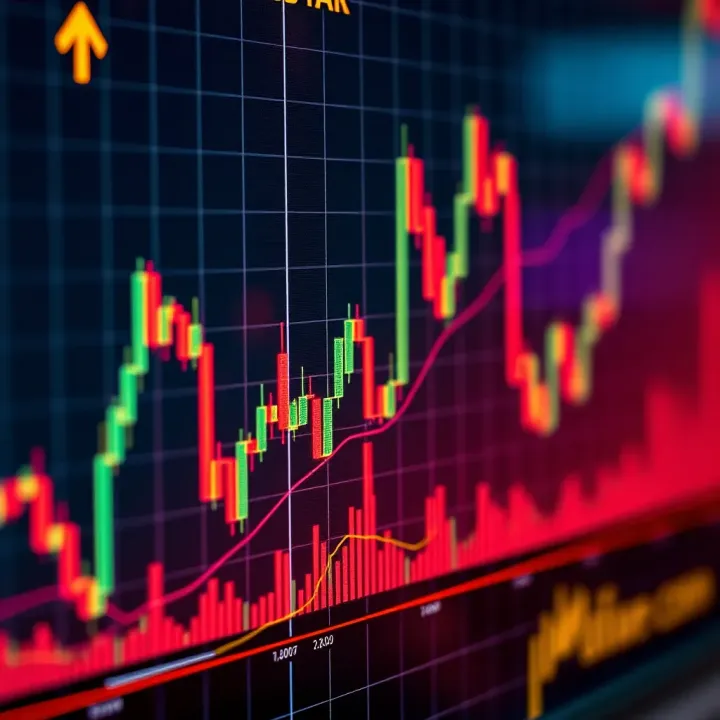
Explore practical tips and essential forex trading strategies for Nigerian traders 🌍. Learn key market factors, risk management, and regulation insights to trade confidently 📈.

📊 Understand the forex trading certificate, its benefits, recognised Nigerian institutions, and how to boost your trading skills and credibility in Nigeria's fast-growing forex market.
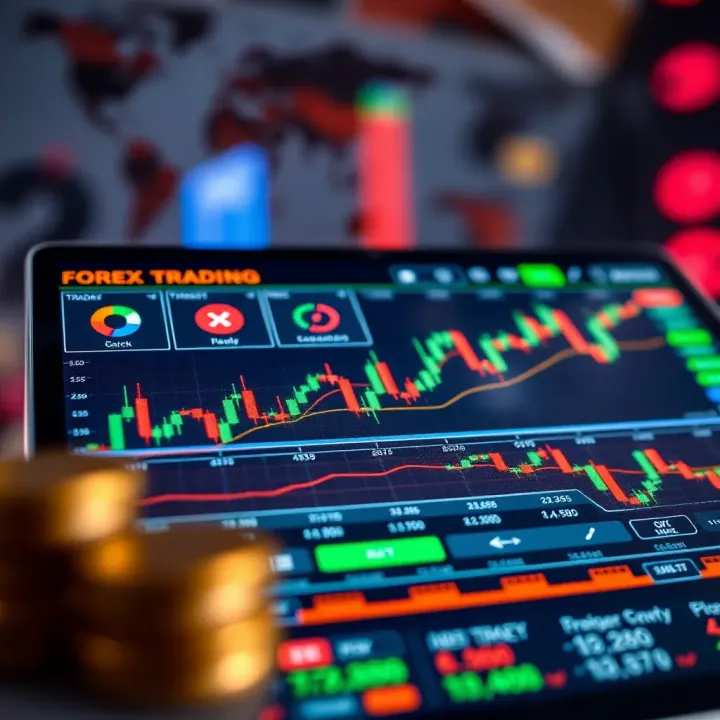
📊 Master forex trading in Nigeria with practical tips on strategies, risk checks, legal matters & tools. Start smart, invest wisely, and grow your ₦ safely!
Based on 9 reviews