
Realities of Forex Trading in Nigeria
📉 Explore the real risks and smart strategies of forex trading in Nigeria. Learn how market mechanics and local factors can make or break your ₦ success.
Edited By
Edward Langley
Forex trading, simply put, means buying one currency and selling another to make a profit from changes in exchange rates. For traders in Nigeria and beyond, understanding the different ways to trade forex is essential for making smart decisions and managing risks.
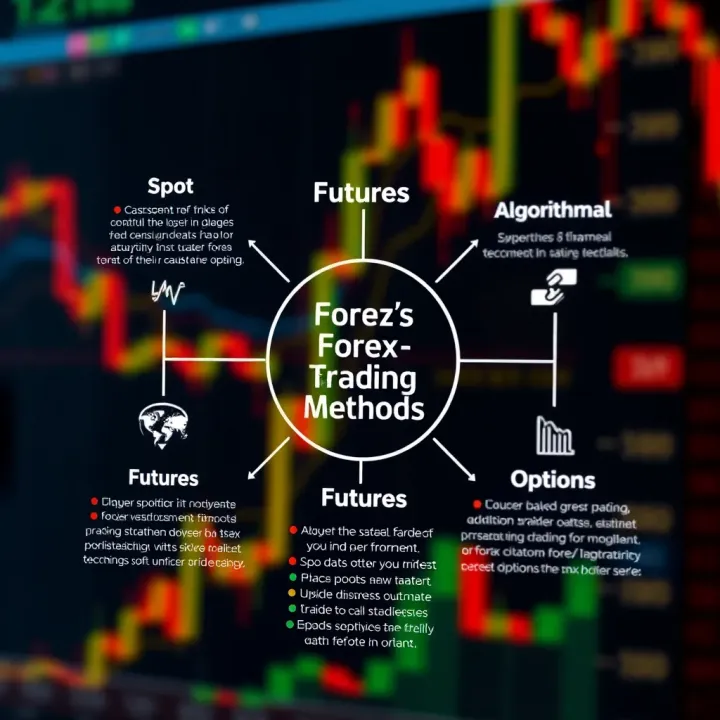
There are several types of forex trading, each with unique features and uses. These include spot trading, forwards, futures, options, and algorithmic trading. Each method suits different trading goals, strategies, and levels of risk tolerance.
Spot trading is the most straightforward form. It involves immediate buying and selling at current market prices, settling within two business days. For example, a trader in Lagos might buy US dollars against the naira when the exchange rate looks favourable, hoping to sell later at a higher rate. Spot trading suits those who prefer simplicity and quick transactions.
Forwards are contracts agreed upon today to buy or sell currencies at a specified rate on a future date. This is popular with exporters and importers in Nigeria who want to lock in exchange rates to avoid losses from naira volatility. However, forwards require trust between parties, as they’re often over-the-counter (OTC) deals.
Futures contracts are similar to forwards but standardized and traded on exchanges, offering better liquidity and less counterparty risk. Nigerian investors looking for more regulated trading might use futures to hedge currency exposure or speculate on price movements.
Options give the right, but not the obligation, to buy or sell currency at a set price before expiry. This flexibility helps traders limit losses while benefiting if rates move favourably. For example, a trader could buy a call option on dollars if anticipating naira depreciation.
Algorithmic trading uses computer programs to execute forex trades based on predefined criteria like price movements or technical indicators. This type appeals to tech-savvy Nigerian traders wanting faster execution and ability to monitor multiple currency pairs simultaneously.
Different forex trading types allow traders to tailor strategies to their needs, balancing potential rewards against risks. Understanding each method’s mechanics helps you pick the one that fits your style and market outlook.
As you explore further, you will see how these trading types apply specifically to the Nigerian context, reflecting local market realities and opportunities.
Understanding the basics of forex trading is vital before diving into the different trading types. Forex trading involves exchanging one currency for another, mainly to profit from exchange rate trends. This overview sets the foundation, ensuring you grasp essential elements like currency pairs, market traders, and trading timelines. These points help you make informed choices about the methods that suit your goals.
Forex trading always involves currency pairs, such as USD/NGN or EUR/USD. One currency in the pair is bought, while the other is sold simultaneously. For example, if you believe the euro will strengthen against the naira, you might buy EUR/NGN. The price movement of the pair reflects changes in demand and supply for those currencies, influencing potential profits or losses directly.
Knowing how currency pairs work helps traders identify opportunities. Major pairs like USD/JPY or GBP/USD generally have high liquidity, while exotic pairs involving the naira tend to be more volatile, affecting trading strategies and risk management.
The forex market consists of different types of players ranging from central banks, commercial banks, hedge funds, to retail traders like individual Nigerians using platforms such as OPay or GTBank’s online portals. Central banks might intervene to stabilise their currencies, while retail traders aim to profit from short-term shifts.
Each participant plays a role in creating liquidity and influencing price movements. For instance, multinational companies engaging in cross-border trade impact currency flows differently compared to speculative traders. Understanding this helps you anticipate possible market behaviour in response to global events.
The forex market operates 24 hours from Sunday evening to Friday night, divided into sessions: Asian, European, and North American. Liquidity peaks when sessions overlap, such as when both London and New York markets are active, making it easier to enter or exit trades at favourable prices.
For Nigerian traders, knowing these hours matters because major economic releases, like US Non-Farm Payroll or CBN policies, happen during these times. Trading when liquidity is high reduces spreads and slippage, which can otherwise erode potential profits.
Forex trading comes with several approaches—spot trading, options, futures, algorithmic trading, etc.—each with unique features. Spot trading involves immediate currency exchange, while futures and options offer contracts to trade currencies at future dates. Algorithmic trading uses pre-set rules and technology to automate trades.
Choosing an approach depends on your trading style, knowledge, and resources. For example, beginners in Nigeria may find spot trading on platforms like Kuda or Paystack more accessible, while institutional investors might use futures for hedging.
Each type carries different risks and profit potential. Spot trading offers direct exposure and flexibility but can be volatile. Futures and options can limit losses through contracts but require understanding complex mechanisms and margin requirements.
For example, a Nigerian trader using forex options might pay a premium to protect against naira depreciation, trading off upfront cost for risk control. Therefore, traders must weigh how much risk they are willing to accept against expected returns.
Your trading objectives—whether capital growth, hedging, or income—should guide your chosen method. If you want quick access and simpler transactions, spot trading remains ideal. But if you handle large business transactions needing currency risk management, forwards or futures contracts suit better.
Additionally, your experience level and access to capital influence your choice. Automated or social trading platforms might appeal to newer traders wanting to learn with less manual effort, while seasoned traders may prefer options strategies for nuanced speculation.
Forex trading is not one-size-fits-all. The diversity in trading types offers pathways for every trader to align activities with their goals, resources, and risk tolerance.
Spot forex trading stands as the foundation of the currency market. For many traders, especially those in Nigeria trying to make sense of the exchange rate swings between the naira and other currencies like the US dollar or euro, spot trading offers direct and straightforward access to buying and selling. It represents the actual exchange of currencies at the current market price, making it essential to grasp if you want to understand how forex trading fundamentally works.
Immediate settlement refers to the fact that spot forex transactions settle 'on the spot' or within two business days, depending on the currency pair. Unlike futures or options contracts, where you agree to exchange currencies at a future date, spot trading deals with instant exchange, providing immediate ownership of the currencies traded. For example, if you buy US dollars against the naira today, the transaction settles quickly, allowing you to use or transfer the dollars right away. This prompt settlement makes spot trading popular for those who want to react swiftly to market changes.
Price determination in spot forex relies on supply and demand in the global currency market. Prices you see quoted, like ₦460 to the dollar, reflect real-time negotiations between many traders, banks, and financial institutions. This continuous price discovery means the spot market is highly responsive to news, economic reports, and geopolitical events. For instance, if Nigeria’s Central Bank adjusts its monetary policy, the spot rate for the naira could shift immediately, affecting how much naira you need to buy one dollar.
Typical market conditions in spot trading are marked by high liquidity and fast-moving prices. The forex market operates 24 hours during weekdays, reacting to events from Asia to the Americas. This availability allows Nigerian traders to enter or exit positions almost anytime. However, market conditions can change based on time zones or announcements, with peak activity often seen during the London and New York sessions. Knowing these conditions helps traders pick the right moment to trade spot forex.
High liquidity is one of the biggest draws of spot forex trading. The sheer volume of trades means there’s always a buyer and seller for major currency pairs. This liquidity reduces costs such as the bid-ask spread and enables smooth execution of large orders without significant price disruption. For example, when selling US dollars for naira, you’ll typically face narrower spreads during market hours, making your trades more cost-effective.
Direct exposure to currency moves means that spot trading lets you benefit—or suffer—from immediate changes in exchange rates. It’s straightforward: if the naira weakens rapidly against the dollar, your position reflects that loss or gain without delay. This direct link to currency movement suits traders who want to seize short-term opportunities or hedge exposures quickly.
Lack of fixed contracts can be both a strength and a weakness. Spot trades do not bind you to a future settlement or price, offering flexibility to close positions any time. However, this also means there's no guaranteed price protection, unlike forwards or futures contracts. Without fixed terms, traders bear greater risk from sudden market swings. For instance, a sharp naira depreciation can turn profitable positions into losses instantly if not managed carefully.
Spot forex trading is the heartbeat of currency markets, combining immediacy and flexibility. Understanding its features helps Nigerian traders navigate the often volatile swings in exchange rates with more confidence.
By appreciating the core aspects of spot trading, you get a strong foundation for exploring other forex methods like forwards, futures, and options. These complementary approaches add layers of strategy but build upon the straightforward principle of trading currencies 'on the spot.'
Grasping the differences and uses of forward and futures contracts is vital for forex traders aiming to manage risk and lock in prices in volatile currency markets. These contracts let you agree on currency exchange rates today for transactions at a future date, which can be a practical tool in Nigeria where naira exchange rate fluctuations can impact importers, exporters, and investors.
Customised agreements are the hallmark of forward contracts. Unlike standard market deals, forwards are tailor-made between two parties, allowing them to specify the amount of currency, exchange rate, and settlement date to suit their needs. For example, a Nigerian company importing machinery from Europe might use a forward contract to lock in the euro-to-naira rate six months ahead, protecting itself against naira depreciation.
Hedging currency risk is a key reason many businesses use forward contracts. When you know you must pay or receive a foreign currency in the future, forwards help fix costs and revenues, avoiding surprises from exchange rate swings. For instance, a Nigerian exporter expecting dollar payments for goods delivered in three months can secure the naira value now, ensuring steady cash flow despite naira volatility.
The settlement process of forwards involves exchanging currencies at the agreed rate on the contract’s maturity date. As these agreements are private, settlement is directly between counterparties, which means the risk of default is higher compared to regulated exchanges. Hence, trust and creditworthiness between the parties are crucial. In Nigerian context, banks and reputable forex dealers often provide forward contract services, adding a layer of security.
Standardisation and exchange trading distinguish futures contracts from forwards. Futures are traded on organised exchanges with predefined contract sizes, expiry dates, and terms. This standardisation boosts liquidity and transparency. For example, a forex trader in Lagos can buy futures contracts on the Chicago Mercantile Exchange (CME) to speculate on the USD/NGN rate indirectly, benefiting from regulated market oversight.
Margin requirements are another significant aspect. Traders deposit an initial margin — a fraction of the contract value — as a good-faith pledge. This system allows them to control large positions with relatively small capital, but also exposes them to margin calls if the market moves against them. A Nigerian investor dabbling in futures must carefully monitor margin levels to avoid sudden liquidation.
The main split in futures usage lies between speculation versus hedging. Speculators aim to profit from price changes by buying low and selling high, without intending to actually exchange currencies. Hedgers, such as importers and exporters, use futures to protect against unfavourable moves in exchange rates. For instance, a Nigerian firm expecting euro payments could sell euro futures to lock in the current rate, reducing risk of naira depreciation.
Forward and futures contracts serve complementary roles: while forwards offer customised, private hedging tools, futures provide standardised, exchange-traded instruments accessible to a wider range of participants. Choosing between them depends on your trading goals, risk appetite, and operating environment.
Understanding these contracts is critical given the naira’s occasional volatility and Nigeria’s exposure to global trade. Using forwards and futures wisely can help traders and businesses in Nigeria make smarter decisions and manage forex risks more effectively.
Forex options trading is a versatile tool in the currency markets, offering traders and investors additional layers of flexibility compared to spot or futures trading. It allows users to control the right, but not the obligation, to buy or sell currency pairs at a predetermined price within a set period. This flexibility is particularly useful in managing currency risk in Nigeria's often volatile forex environment.
Call and put options represent the two main types of forex options. A call option gives the trader the right to buy a currency pair at a specified strike price before the option expires. Conversely, a put option grants the right to sell the currency pair at the strike price within the contract period. For example, if a Nigerian exporter expects the naira to weaken against the dollar, buying a call option on USD/NGN would lock in a favourable exchange rate, limiting downside risk.
Flexibility of exercising options is one of their key advantages. Options can be American-style, allowing exercise at any time before expiry, or European-style, which only permits exercise at maturity. This choice affects trading strategy depending on market conditions. A Nigerian investor might prefer American-style options to respond quickly to unexpected naira fluctuations during periods of economic uncertainty.
When it comes to premiums and costs, option buyers pay a premium upfront, which is the maximum loss if the market moves against them. Sellers, on the other hand, collect the premium but face potential unlimited risk. Premium prices vary based on factors like volatility, time to expiry, and strike price. Traders in Nigeria need to consider these costs carefully, as premiums can be significantly affected by local market volatility and liquidity.
Protecting investments with forex options is common among businesses and investors exposed to currency risk. For instance, a Nigerian company expecting payment in euros might buy a put option on EUR/NGN to hedge against a naira appreciation that would reduce revenue when converted. This safety net helps stabilise cash flow without locking into inflexible contracts.
Speculating on market direction is another widespread use. Traders anticipating a shift in currency value can buy call or put options accordingly, enjoying the benefit of leveraged exposure with limited risk. For example, if a speculator believes the Central Bank of Nigeria's monetary policy will weaken the naira, purchasing call options on USD/NGN allows them to profit without owning the actual currency.
Managing complex strategies involves combining options to tailor risk and reward profiles. Nigerian traders use option spreads, straddles, or collars to benefit from various market scenarios or to reduce costs. Advanced strategies require solid understanding but can enhance returns or defence in a noisy, unpredictable forex market.
Forex options present practical ways to balance risk and opportunity, making them highly relevant for traders and investors seeking control in Nigeria's dynamic currency scene.
Modern forex trading heavily relies on automated systems and technology to improve efficiency and precision. These techniques are now essential for many traders, especially in fast-moving markets like forex. With growing internet penetration and tech adoption in Nigeria, automated trading allows both local and international traders to keep pace with global market rhythms without being glued to their screens all day.
Algorithmic trading uses computer programmes to execute trades based on predetermined criteria like price, volume, or timing. These algorithms follow strict rules without emotional bias, allowing trades to happen instantly as market conditions meet the set parameters. For Nigerian traders, this means they can set strategies beforehand—for example, automatically buying dollars when the naira hits a certain exchange rate—without manual intervention.
High-frequency trading (HFT) takes automation further by executing trades within milliseconds, much faster than any human can react. This speed allows traders to capitalise on very small price changes multiple times a second, which accumulates significant profits. While HFT firms operate mostly in major financial centres, Nigerian brokerages are gradually incorporating faster technology to reduce delays, ensuring traders don’t miss fleeting market opportunities.
Automated trading carries risks like technical glitches, algorithm errors, or unexpected market events leading to rapid losses. Regulators worldwide, including Nigeria's Securities and Exchange Commission (SEC), have monitoring rules to curb market abuses linked to algorithmic trading. For Nigerian investors, it’s vital to work with brokers who comply with regulations to avoid falling victim to unfair practices or platform failures.
Copy trading platforms let traders automatically mimic the positions of seasoned currency traders. This offers a practical shortcut for Nigerians who may lack time or experience to analyse markets deeply. For instance, a Lagos-based investor can copy a European trader known for steady growth, sharing in their success without constantly monitoring charts.
These platforms often include social tools—messaging, forums, and live updates—that help traders exchange ideas and strategies. This sense of community boosts learning and confidence, creating a support system for both new and experienced forex participants across Nigeria’s diverse trading hubs.
Copy trading is especially useful for beginners who want exposure to forex without deep technical knowledge. By observing real-time decisions of experts, novices can learn market behaviour firsthand. However, it’s crucial to assess the trader’s history and risk tolerance before copying, as forex markets remain volatile, even with smart leaders.
Automated and social trading have reshaped forex markets by blending technology with human insight, making trading more accessible and responsive to Nigeria’s growing appetite for forex investment.
Overall, understanding these modern methods helps traders make smarter choices on timing, risk management, and platform selection, ultimately increasing chances of consistent gains in Nigeria’s vibrant forex scene.
📉 Explore the real risks and smart strategies of forex trading in Nigeria. Learn how market mechanics and local factors can make or break your ₦ success.
📈 Curious about forex trading profits? Discover how currency exchange could boost your ₦earnings, the risks involved, and tips tailored for Nigerian traders looking to succeed.
📉 Interested in forex trading in Nigeria? Learn the key risks, how currency swings affect your ₦ and practical tips to protect your funds in the forex market.
Learn how to start forex trading in Nigeria 🇳🇬 with tips on picking brokers, managing risks, and navigating CBN rules for safer investments in ₦ today!
Based on 10 reviews