
How to Start Forex Trading in Nigeria: Practical Steps
Learn how to start forex trading in Nigeria 🇳🇬 with tips on picking brokers, managing risks, and navigating CBN rules for safer investments in ₦ today!
Edited By
James Cartwright
Starting forex trading in Nigeria offers a practical way to tap into the global financial markets straight from your home. Forex, or foreign exchange trading, involves buying and selling currencies to profit from their fluctuating values. While the idea promises quick returns, it demands proper knowledge, discipline, and patience.
Many beginners dive into forex hoping to make fast money but end up losing because they skip the groundwork. This guide lays out clear steps to avoid such pitfalls. You will learn how to understand forex basics, select trustworthy brokers, open and fund your account securely, and execute trades with confidence.
Trading forex in Nigeria also means awareness of local realities—like naira volatility, restrictions on foreign exchange, and digital payment options. Using platforms that support NGN deposits like OPay or Paystack can ease account funding without costly conversion fees.
Before you commit any funds, it's crucial to grasp how currency pairs work, for example, USD/NGN or EUR/USD, and how global events affect their value. This foundation helps you interpret charts and news, which form the basis for sound trading decisions.
Forex trading isn’t a get-rich-quick scheme. Instead, it’s a skill that grows through learning, practice, and risk management.
Here’s a quick overview of what successful beginner traders should focus on:
Understand the forex market and currency pairs
Choose a broker regulated by respected authorities with clear fee structures
Open a trading account and use NGN-friendly funding methods
Learn technical and fundamental analysis tailored to global and Nigerian contexts
Develop a trading plan including stop-loss orders to protect your capital
With this clarity and preparation, you stand a better chance of turning forex trading into a viable side hustle or income source. Next sections will break down each step to help you trade like a pro from Lagos to Kano and beyond.
Before diving into forex trading, it’s vital to grasp the fundamentals. Knowing how the market operates helps you make informed decisions, especially in a place like Nigeria where economic fluctuations affect currency values sharply. Beginners who understand forex basics avoid common pitfalls and build a solid foundation for more advanced strategies.
Forex trading involves buying one currency while simultaneously selling another. This happens in pairs—like the US Dollar against the Nigerian Naira (USD/NGN) or Euro against the British Pound (EUR/GBP). Traders aim to profit from price changes by speculating whether one currency will strengthen or weaken compared to the other. For instance, if you expect the USD to rise against the NGN due to economic policies in the United States, you might buy USD/NGN.
Certain forex pairs attract the most trading volumes because they’re stable and widely used globally. These include:
EUR/USD: Euro vs US Dollar, the most traded pair worldwide.
USD/JPY: US Dollar vs Japanese Yen, popular in Asia.
GBP/USD: British Pound vs US Dollar.
USD/NGN: US Dollar vs Nigerian Naira, crucial for Nigerian traders.
Knowing these pairs helps you focus on markets with better liquidity and tighter spreads, which reduces trading costs and slippage.
Forex operates 24 hours a day, five days a week, with no central exchange. Instead, it runs through a global network of banks, brokers, and electronic platforms. Trading sessions generally follow major financial hubs: Asia, Europe, and North America. For Nigerian traders, the London and New York sessions often offer the highest activity and best opportunities.
Forex price movements respond to economic news, geopolitical events, interest rate changes, and sometimes market sentiment. For example, a surprise change in Nigeria’s monetary policy can cause the Naira to fluctuate, affecting USD/NGN trading.
Understanding market mechanics allows traders to pick better entry and exit points and develop timing strategies aligned with market volatility.
In summary, mastering forex basics isn’t just theory — it’s about real-world application that shapes your trading success. Nigerian traders who focus on currency pairs relevant to their economy and understand the market’s global operation stand a better chance of navigating forex profitably.
Selecting the right forex broker is a fundamental step for anyone eager to trade on the foreign exchange market from Nigeria. Your broker acts as the bridge between you and the global forex marketplace, so their reliability directly impacts your trading experience and potential success. A dependable broker ensures smooth execution of trades, transparency, and security of your funds. Given Nigeria’s unique market conditions, including currency fluctuations and regulatory landscape, picking a broker that understands these local nuances is vital.
When scouting for a broker, pay attention to features that affect your day-to-day trading. First, check the spreads they offer—tighter spreads save you money on each trade. Look for platforms supporting the Nigerian Naira (₦) to avoid conversion fees and provide ease in funding your account. Additionally, a user-friendly interface, fast execution speeds, and availability on mobile devices matter significantly, as many traders in Nigeria rely on smartphones due to connectivity issues.
Consider leverage options carefully. While brokers might advertise high leverage, it increases risk and demands sound risk management on your part. Customer support availability during Nigerian market hours, preferably with local language options, can prevent unnecessary delays when technical or account issues arise. Lastly, verify if the broker offers educational resources; many Nigerians are new to forex and stand to benefit from dedicated training tools.
Forex trading thrives on trust, making regulation a non-negotiable criterion. Always choose brokers regulated by recognised authorities such as the Financial Conduct Authority (FCA) in the UK or the Cyprus Securities and Exchange Commission (CySEC). While Nigeria’s Securities and Exchange Commission (SEC) does not directly regulate forex brokers, brokers licensed by reputable agencies guarantee compliance with standards that protect you from fraud or malpractice.
Security of funds should top your list. Brokers should segregate client funds from company money to avoid using your capital for operational expenses. Additionally, features like two-factor authentication, encryption protocols, and regular audits enhance safety. Beware of brokers promising unrealistic returns or pressuring you to deposit hefty sums upfront; such red flags often lead to scams.
Note, the Central Bank of Nigeria (CBN) has warned Nigerians to trade only with brokers authorised and compliant with recognised global regulations to avoid falling victim to fraud.
Several brokers have gained traction among Nigerian traders by offering good service, reliable platforms, and localised support. "IG Group" and "Exness" are notable for their user-friendly platforms and robust regulation. "XM" provides access to a wide range of currency pairs and commodities, appealing to diverse investing styles. Locally, platforms like "Kuda Markets" have integrated fintech solutions tailored for Nigerian users, simplifying funding and withdrawals with popular payment channels like Paystack and Flutterwave.
When deciding on a broker, research reviews from Nigerian users to confirm consistency and responsiveness. This firsthand feedback helps spot brokers that adapt well to Nigeria’s fast-changing economic environment, traffic jams, power outages, and other typical challenges.
In essence, choosing a reliable forex broker involves balancing costs, security, and accessibility. Prioritising these factors will give you a strong foundation to navigate forex trading confidently within Nigeria's specific context.
Setting up your trading account is the first practical step after you decide to enter forex trading. Without this, you cannot begin trading, so it's essential to proceed carefully. Opening and funding your account correctly ensures you start on a solid footing and avoid common pitfalls like delays or unexpected fees.
Most forex brokers offer demo accounts. This lets you trade with virtual money under real market conditions. Using a demo account helps you understand how trading platforms work, try out strategies, and familiarise yourself with order types without risking actual funds. For instance, a beginner could open a demo account with brokers like FXTM or OctaFX to get hands-on experience. Practising on the demo account also minimises the chances of mistakes when you eventually switch to a live account.
Once confident from demo trading, you can move to a live account. This process typically involves submitting identification documents such as your National Identification Number (NIN) and utility bills for address verification — a requirement due to anti-money laundering laws. Nigerian brokers or international platforms serving Nigerians usually provide step-by-step guides for this. Start with an amount you can afford to lose, like ₦10,000 to ₦20,000, rather than rushing to deposit large sums. Remember, live trading involves real risk, so it's crucial to keep emotions in check.
Funding your account in Nigeria has become more accessible with several options available:
Bank Transfers: You can fund your forex account via direct bank transfers; this method is secure but may take a few hours to process.
Online Payment Platforms: Services like Paystack, Flutterwave, or Opay often support deposits to various brokers, sometimes instantly.
USSD Codes: Some brokers accept funding via USSD codes, which is handy when internet access is spotty.
A vital factor is knowing which currency your broker uses. While some trade in US dollars (USD), others accept Nigerian Naira (₦). Given the naira's volatility, funding in USD might protect your trading capital better, but it also means considering the exchange rate and transaction fees. For example, if depositing ₦50,000, confirm if the broker converts it automatically or if you need to handle the conversion separately. Moving money across borders can attract fees, so always check these costs before funding.
Always verify your broker’s payment terms carefully and keep records of all transactions to avoid any complications.
Getting through these account setup and funding steps smoothly will empower you to focus on trading strategies rather than administrative headaches. In the next stage, you can concentrate on analysing the market effectively.
Before placing any trade, understanding how to analyse the forex market gives you a real edge. Analysis helps you grasp why currency prices move and when to act. Without it, trading is like driving blind through Lagos traffic—you might get somewhere, but it’s mostly luck. There are two main ways traders study the forex market: technical and fundamental analysis. Both play their role in reading market behaviour and making informed decisions.
Technical analysis involves studying price charts and patterns to predict future moves. It relies on historical data, assuming past price movements often repeat themselves due to market psychology. Understanding tools like support and resistance levels, moving averages, and candlestick patterns can help you spot entry and exit points.
For example, if you notice the USD/NGN pair struggling to rise above ₦600 and repeatedly bouncing back, that ₦600 mark acts as a resistance. A break above it with high volume could signal a buying opportunity. Nigerian traders often use MetaTrader 4 or 5 to access these charting tools. Practising technical analysis on your demo account with these charts before trading live can sharpen your skills.
Fundamental analysis looks at economic data and events to understand currency value. For Nigerian traders, keeping an eye on news like CBN interest rate decisions, inflation rates, or crude oil prices is vital. Nigeria’s economy depends heavily on oil, so when crude prices drop, the naira often weakens.
Look out for reports such as the Gross Domestic Product (GDP), unemployment figures, and trade balances from major economies like the US or Eurozone—their impact ripples through currency pairs. For instance, a strong US jobs report might strengthen the dollar against the naira. Staying updated with reliable financial news sources and economic calendars helps you anticipate such changes better.
Forex platforms package both analysis methods into user-friendly tools. Established platforms like MetaTrader or cTrader offer indicators, drawing tools, and news feeds all in one place. Nigerian brokers often integrate local payment options into these platforms, making fund management smoother.
Additionally, mobile apps from brokers like OPay and Kuda allow you to monitor charts and place trades anywhere, even during long Lagos traffic jams. Always explore demo features to practise using these tools. Setting alerts for price levels or economic events can reduce the need to stare at your screen all day.
Mastering market analysis is not about crystal-ball guessing but understanding patterns and realities. The more you study, the less you rely on luck and more on skill to grow your forex account steadily.
By combining technical charts, fundamental news, and reliable platforms, you equip yourself to trade forex in Nigeria with confidence and better chances of profit.
Executing trades accurately and managing risk effectively form the backbone of successful forex trading, especially in Nigeria's dynamic market environment. Getting your orders right can mean the difference between profit and loss, while risk management safeguards your capital from unexpected swings. This section delves into how to place trades properly, control risk, and maintain discipline throughout your trading journey.
When you decide to enter the forex market, you must understand the types of orders available to execute trades. The most common is the market order, which buys or sells a currency pair immediately at the current price. For example, if you want to buy EUR/USD at the going rate, a market order guarantees swift execution.
On the other hand, limit orders let you specify a price at which to buy or sell. Suppose EUR/USD is trading at 1.2000, but you believe the price will rise only after dropping to 1.1950. You can place a buy limit order at 1.1950, so your trade executes only if that price is reached. This helps control entry points without constant monitoring.
Other types include stop orders that trigger trades once a price moves beyond a certain point, crucial for limiting losses or securing profits. Knowing when to use these order types allows you to navigate the market strategically, avoiding emotional decisions and missed opportunities.
Protecting your trading capital is essential. Many novice traders in Nigeria dive in without a clear risk plan and soon find losses piling up. Here are a few solid strategies:
Use stop-loss orders to cap losses on every trade. For instance, if you buy USD/NGN at ₦460 and set a stop-loss at ₦455, your trade will automatically close if the price drops to ₦455, limiting your loss.
Never risk more than 1-2% of your capital on a single trade. If your account balance is ₦100,000, your maximum loss per trade should be ₦1,000-₂,₀₀₀.
Diversify trades across different currency pairs to avoid exposure to a single market event.
Adjust position sizes according to volatility and available capital.
Implementing these safeguards ensures you stay in trading for the long run and prevents one bad trade from wiping out your account.
Emotions can wreck trading plans fast, especially when the naira fluctuates wildly or news hits unexpectedly. Fear and greed often lead beginners to chase losses or enter trades impulsively.
Discipline means sticking to your trading strategy regardless of market noise or sudden movements. Before placing any trade, ask yourself if it fits your plan and risk limits.
Keeping a trading journal helps monitor your behaviour and decisions, highlighting patterns like revenge trading or premature exits. Over time, cultivating patience and emotional control builds consistency and confidence.
Remember, trading is a marathon, not a sprint. Emotional discipline guards your capital the same way risk management does.
In essence, executing trades with clear order types, managing risks wisely, and maintaining emotional discipline are the pillars that can turn a beginner into a professional forex trader in Nigeria.
Learn how to start forex trading in Nigeria 🇳🇬 with tips on picking brokers, managing risks, and navigating CBN rules for safer investments in ₦ today!
📊 New to forex trading in Nigeria? Discover how to pick the perfect beginner-friendly platform with tips on features, common mistakes, and top options.
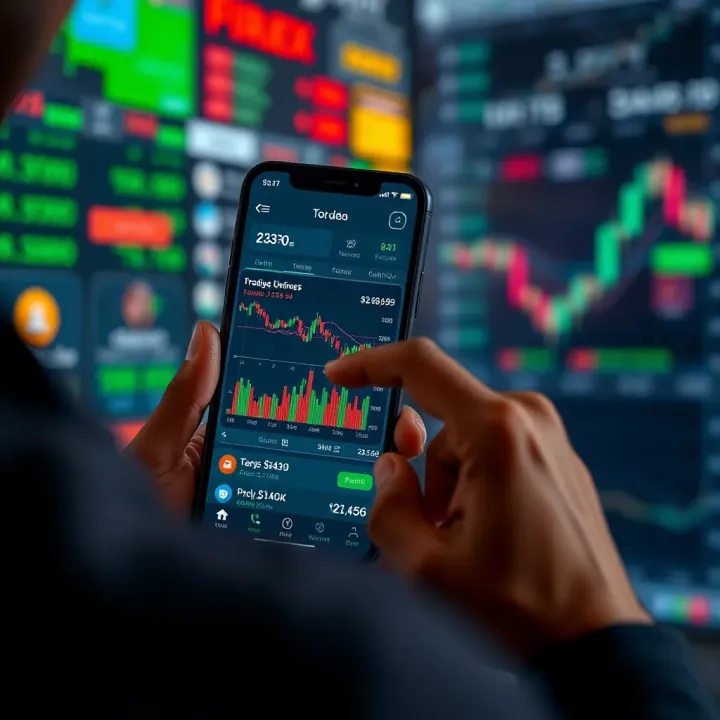
Looking to start forex trading in Nigeria? Discover how to choose the best app with tips on features, security, and user-friendliness for beginners 📱💹
📉 Explore the real risks and smart strategies of forex trading in Nigeria. Learn how market mechanics and local factors can make or break your ₦ success.
Based on 14 reviews