
Realities of Forex Trading in Nigeria
📉 Explore the real risks and smart strategies of forex trading in Nigeria. Learn how market mechanics and local factors can make or break your ₦ success.
Edited By
William Foster
Forex trading has gained traction across Nigeria as a viable way to build income streams. Many Nigerians look beyond traditional investments, turning to currency trading to capitalise on global and local market movements. However, succeeding demands more than luck; it requires understanding how forex markets operate, selecting trusted brokers, and managing risks carefully.
Starting with forex trading involves grasping the basics: currencies are bought and sold in pairs, with prices influenced by economic events, policy changes, and market sentiment. For Nigerians, the naira's frequent fluctuations bring both opportunities and challenges—for example, trading USD/NGN pairs requires awareness of Central Bank of Nigeria (CBN) policies and foreign exchange regulations.
Choose your broker wisely. Many platforms claim to cater to Nigerian traders, but not all are regulated or reliable. Opt for brokers registered with credible authorities like the Securities and Exchange Commission (SEC) Nigeria or with strong international licences. This lowers exposure to scams, which are common in the local environment.
Risk management is critical. Nigerian traders often fall prey to overleveraging or ignoring market volatility. Use stop-loss orders, set sensible trade sizes, and avoid chasing losses. Practical techniques such as the 2% rule—risking only 2% of your total capital per trade—help protect your funds.
Forex trading isn’t a get-rich-quick scheme; disciplined strategy and constant learning are key to steady profits.
Develop a trading plan detailing your objectives, strategy, and criteria for entering or exiting trades. Technical analysis tools and indicators can inform your decisions but don’t rely solely on them—stay updated on relevant economic news affecting the naira and global currencies.
To grow in this sector, consider testing strategies on demo accounts before committing real money. Keep track of your trades to learn from mistakes and successes alike.
In summary, Nigerian forex traders succeed by understanding market basics, choosing regulated brokers, managing risks smartly, and adapting to local realities like currency controls and naira instability. With patience and due diligence, forex trading can become a reliable income source in Nigeria’s complex financial landscape.
Grasping the basics of forex trading and recognising its potential in Nigeria is critical for anyone looking to make money from the market. Forex trading offers an opportunity to earn from currency price movements, a chance particularly relevant in Nigeria given the naira’s frequent volatility and the increasing adoption of digital trading platforms. Understanding how forex works equips traders to manage risks effectively and identify profitable trades.
Forex trading involves buying one currency while simultaneously selling another. It is the largest financial market globally, with daily transactions exceeding US$6 trillion. In practical terms, if you believe the euro will strengthen against the US dollar, you buy the EUR/USD currency pair. If the euro rises, you gain from that movement. For Nigerian traders, this means the ability to speculate or hedge on currency fluctuations affecting the naira through global currency pairs.
Currencies are always quoted in pairs, such as USD/NGN or GBP/USD. The first currency in a pair is called the base currency, while the second is the quote currency. The price represents how much of the quote currency you need to buy one unit of the base currency. For example, if the USD/NGN pair is quoted at 750, it means ₦750 buys US$1. Understanding this helps traders make informed decisions, especially when trading pairs involving the naira or major currencies like the dollar and pound.
The forex market operates 24 hours from Monday to Friday, starting with the Asian session, then European, and finally the American session. For Nigerian traders (GMT+1), peak activity often aligns with the European (8 am to 5 pm WAT) and early American sessions (1 pm to 9 pm WAT). Knowing these times is important because liquidity and volatility—key factors for profit—vary throughout the day. Trading during active hours helps ensure better price execution and more trading opportunities.
Thanks to smartphone penetration and internet growth, online forex trading platforms like MetaTrader, Oanda, and local apps like Opay have made forex highly accessible in Nigeria. One does not need large capital or physical presence at banks or brokers to trade. Traders can open accounts with as little as ₦20,000 and execute trades from home or on the move. This convenience broadens participation beyond financial experts to everyday Nigerians seeking alternative income streams.
Naira’s history of frequent depreciation against major currencies creates rich grounds for forex profit. When the naira weakens, trading USD/NGN or EUR/USD pairs can yield significant returns if well timed. For instance, traders who bought US dollars at ₦365 in 2020 and sold close to ₦460 a year later made profit purely on currency movement. Such volatility might deter some but for informed traders, it opens doors to substantial gains.
Forex trading is not restricted by fixed office hours, making it ideal for Nigerians juggling jobs or businesses. A part-time trader can focus on high volatility windows in the evening after work, while full-time traders can devote hours during all active sessions. This flexibility helps many Nigerians diversify income sources without quitting their day jobs, lowering overall financial risk.
Mastering the essentials of forex trading and recognising its suitability to Nigerian conditions is the first step to profiting steadily in this market. Deliberate learning and practical application can turn volatility and accessibility into cash flow.
Selecting a reliable forex broker is a vital step for anyone aiming to succeed in forex trading in Nigeria. The broker acts as your gateway to the forex market, and a trustworthy broker ensures your funds are safe, your trades execute smoothly, and you have access to robust trading tools. Nigerians face unique challenges, including currency exchange constraints and fluctuating naira values, which make choosing the right broker even more critical.
One of the first things to check is whether the broker is regulated by a credible authority. Regulation offers a layer of protection by ensuring the broker adheres to standards designed to safeguard traders. For Nigerian traders, brokers regulated by international bodies like the Financial Conduct Authority (FCA) in the UK, the Australian Securities and Investments Commission (ASIC), or the Cyprus Securities and Exchange Commission (CySEC) are preferable. Additionally, brokers registered with Nigerian authorities, such as the Securities and Exchange Commission (SEC) Nigeria, provide extra confidence regarding compliance with local laws. Using an unregulated broker increases the risk of fraud or unfair trading practices, which could lead to significant losses.
The trading platform is your main tool, so it must be user-friendly, stable, and feature-rich. Look for platforms that support real-time charting, technical indicators, and quick order execution. MetaTrader 4 (MT4) and MetaTrader 5 (MT5) are popular globally and often supported by brokers available in Nigeria. Mobile compatibility is especially important given Nigeria’s widespread use of smartphones and sometimes unstable internet. A solid platform should offer risk management tools like stop-loss and take-profit orders to help manage your trades effectively.
Handling money smoothly is a decisive factor for Nigerian traders. Brokers offering deposit and withdrawal options directly in naira save you from extra FX charges and bank delays. Payment methods like local bank transfers with GTBank, Zenith Bank, or First Bank, as well as Nigerian payment services like Quickteller or Flutterwave, make transactions simpler. Avoid brokers who force you to convert funds through multiple intermediaries, as this eats into your trading capital or profits.
Nigerian traders can choose between local brokers with a Nigerian presence and large international brokers. Local brokers might offer customer service in Nigerian English, faster naira transactions, and a better understanding of the naira’s behaviour. However, international brokers often provide access to a wider range of currency pairs, competitive spreads, and more advanced trading features. For example, FXTM (ForexTime) and HotForex are international but have strong Nigerian client support, whereas local options like Kuda FX focus on naira convenience.
Good customer support can’t be overstated. A broker with a local office or Nigerian-based support team can resolve issues faster and help you navigate deposits, withdrawals, and technical problems with less hassle. Brokers offering live chat, phone, and email support during Nigerian business hours improve your trading experience.
Different traders have different needs, so brokers offering varied account types help cater to these. Beginners should look for accounts with low minimum deposits and access to educational tools. Experienced traders benefit from accounts with higher leverage, lower spreads, or ECN (Electronic Communication Network) options for tighter pricing. Brokers like XM and Exness feature multiple account types tailored to Nigerian traders’ risk appetites and capital sizes.
Choosing the right broker is not just about picking one with a shiny website; it’s about ensuring trust, smooth operations, and local convenience to build a solid foundation for successful forex trading in Nigeria.
Adopting the right trading strategies is vital for consistent success in Nigeria's forex market. Random trades rarely yield steady profits. Instead, a clear plan helps traders navigate market swings and spot good entry and exit points. This section breaks down key strategies and analysis tools Nigerian forex traders rely on, making it practical to apply these approaches within local market dynamics.
Fundamental analysis centres on economic data affecting currency values. For Nigerian traders, monitoring indicators like Nigeria's inflation rate, the Central Bank of Nigeria (CBN) monetary policy decisions, or global oil prices is crucial. For example, a rise in Nigeria’s inflation or changes in the oil sector often prompt naira fluctuations, which directly impact trading pairs involving the NGN or related currencies.
Keeping tabs on reports such as GDP growth rates, trade balances, and interest rate changes helps predict currency strength or weakness. Traders use this information to decide when to buy or sell, rather than relying solely on price movement.
Technical analysis involves studying price charts to identify patterns and trends. Nigerian traders often use tools like candlestick charts, moving averages, and Relative Strength Index (RSI) to spot when a currency pair is overbought or oversold. For instance, a sustained uptrend in USD/NGN might reveal a buying opportunity, while a sharp reversal signals caution.
Charts summarise market psychology and can pinpoint support and resistance levels, helping traders time their moves. Learning to read charts prevents trading based purely on gut feelings—an easy trap especially in volatile markets like Nigeria’s.
Practical traders mix fundamental and technical analysis for better accuracy. For example, a trader might notice the CBN plans to tighten monetary policy (fundamental) while technical charts show the naira weakening past a support level. This combination signals a strong case for a sell trade.
Using both approaches balances long-term economic factors and short-term market behaviour, which is essential for timely and informed decisions in forex trading.
Day trading involves opening and closing positions within the same trading day to capture small price movements. Scalping is an even faster strategy where trades last minutes or seconds. Nigerian traders favour these strategies to avoid overnight risks and capitalise on local market volatility.
For example, during peak London and New York sessions, liquidity spikes provide good scalping chances. However, this approach demands focus, quick decisions, and access to reliable internet to avoid losing opportunities.
Swing trading holds positions from days to weeks, aiming to profit from expected market swings. Nigerian traders use this during periods of relative calm or clear trends, allowing time to react to fundamental events like CBN announcements or global economic shifts.
Swing trading suits those balancing forex with other commitments since it needs less intensive screen time than day trading but still benefits from technical signals like moving average crossovers.
Effective money management employs stop-loss and take-profit orders to automate trade exits, limiting losses and securing gains. For instance, a trader buying EUR/USD might set a stop-loss 50 pips below entry to avoid major losses if the market moves against them, while a take-profit at 100 pips ensures profits are locked in when the price hits a target.
These orders protect traders from emotional decisions and sudden market reversals, which are common due to unexpected news or high naira volatility.
Successful traders combine sound analysis with disciplined risk control. Formulating and sticking to strategies help navigate Nigeria’s unique forex environment profitably.
By mastering these strategies, Nigerian traders can sharpen their edge, gradually building consistent income from forex trading.
Forex trading in Nigeria comes with unique challenges, especially around currency volatility and regulatory changes. Managing risks while aiming for good returns is not just smart; it’s necessary for sustained success. Focusing on risk management techniques and understanding naira fluctuations help traders protect their capital and improve the chances of profit.
Proper trade sizing controls potential losses. For instance, a trader with ₦100,000 in their account might risk 2-3% per trade, meaning a maximum loss of ₦2,000–₦3,000. This cautious approach prevents wiping out accounts in a single bad trade. By avoiding oversized positions, traders withstand the inevitable market swings without panic selling.
Leverage magnifies both profits and losses. Using too much leverage, say 100:1 on a small account, can wipe your funds after a few losing trades. Nigerian brokers often offer leverage between 50:1 to 200:1, but prudent traders keep it low—around 10:1—to limit exposure. Overleveraging is especially risky given Nigeria’s unpredictable economic news and naira depreciation, which can cause sharp market moves.
Diversification lowers risk by spreading exposure across various currency pairs rather than betting everything on one. For example, a trader might split their trades among USD/NGN, EUR/USD, and GBP/USD. This strategy balances risks because while the naira pair might be volatile due to local policies, other pairs react differently to global economic events. Diversifying helps cushion losses when one market sector underperforms.
The Central Bank of Nigeria (CBN) often adjusts forex rules, affecting access to US dollars and exchange rates. When the CBN tightens foreign currency supply, the naira weakens on the parallel market, causing price gaps between official and unofficial rates. Traders should watch these changes closely since sudden policy shifts can impact forex positions, especially for those holding naira pairs.
Naira depreciation erodes purchasing power, especially for importers or those with foreign expenses. Forex trading offers a chance to hedge this risk. For instance, by holding positions in stronger currencies like the US dollar, traders offset losses from naira devaluation. Some Nigerians diversify savings by converting naira profits into dollars through regulated channels, protecting their wealth against inflation.
Converting forex profits back into naira involves navigating local restrictions and transaction costs. Traders should plan conversions during favourable exchange rates and leverage brokers offering low fees and fast withdrawals in naira. Additionally, repatriation of funds earned from forex trading abroad requires compliant documentation to avoid issues with Nigerian banks and regulators. Using reputable brokers with local presence helps ease this process.
Managing risk and understanding naira's quirks help Nigerian forex traders stay afloat and steadily grow capital in a market full of uncertainties.
With careful risk management and awareness of local currency risks, traders improve their chances to maximise returns amidst Nigeria’s dynamic forex environment.
Central Bank of Nigeria (CBN) regulations significantly shape forex trading activities in the country. For instance, CBN restricts direct access to the official forex market for individuals, meaning many traders must rely on authorised brokers and platforms. This adds a layer of complexity as traders need to choose brokers that comply with CBN’s frameworks to avoid issues like freezing of funds or delayed withdrawals.
Legal compliance is not just about avoiding penalties; it also ensures smoother operations. Nigerian law mandates certain disclosures and operational standards for forex brokers, including KYC (Know Your Customer) and anti-money laundering practices. Traders should verify that their chosen brokers follow these rules to protect their investments and avoid scams that have unfortunately tarnished parts of Nigeria’s forex scene.
The Securities and Exchange Commission (SEC) Nigeria also plays a vital role by registering and regulating capital market operators, which include forex brokers. A broker’s registration with the SEC serves as an assurance of legitimacy. Traders benefit from this because it increases the chances that their funds are secure and trading practices fair. Nigerian traders should confirm SEC registration before opening accounts, as brokers without this can operate outside legal boundaries.
Reliable internet access remains a challenge that directly impacts forex trading success. Many parts of Nigeria suffer from inconsistent connectivity, which can cause delayed order execution or disconnections during critical trades. Rural traders, in particular, may find it difficult to sustain active trading without stable internet, affecting their ability to seize market opportunities.
Mobile trading apps have become increasingly popular among Nigerian traders due to their convenience and adaptability to local conditions. Platforms like MetaTrader 4 and 5, plus Nigerian-focused apps such as OANDA and XM, provide interfaces optimised for smartphones, enabling traders to monitor and execute trades on the go. These apps support multiple payment options and real-time market data, crucial for timely decisions.
Payment systems and withdrawal processes pose another practical challenge. Some brokers struggle to facilitate quick Naira deposits or withdrawals, causing delays that frustrate traders. Additionally, fluctuating exchange rates and CBN foreign exchange policies can make currency conversion costly or complex. Traders should prioritise brokers that offer flexible payment gateways—such as local bank transfers and recognised payment platforms—to minimise delays and manage their funds effectively.
Choosing a broker who understands Nigeria’s unique regulatory landscape and infrastructure challenges gives traders a significant edge. Being aware of these local conditions helps avoid unexpected setbacks and unlocks opportunities to profit from the forex market more confidently.
📉 Explore the real risks and smart strategies of forex trading in Nigeria. Learn how market mechanics and local factors can make or break your ₦ success.
📈 Curious about forex trading profits? Discover how currency exchange could boost your ₦earnings, the risks involved, and tips tailored for Nigerian traders looking to succeed.
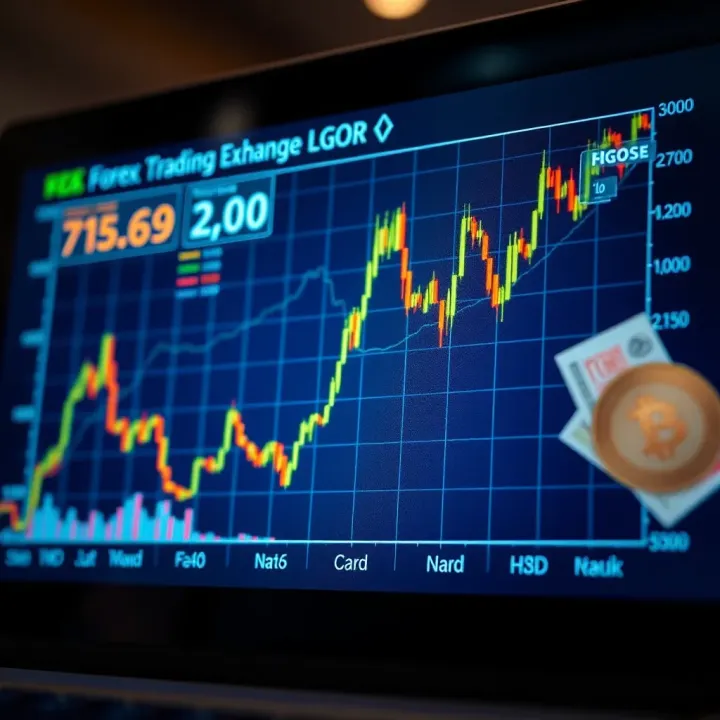
📉 Interested in forex trading in Nigeria? Learn the key risks, how currency swings affect your ₦ and practical tips to protect your funds in the forex market.
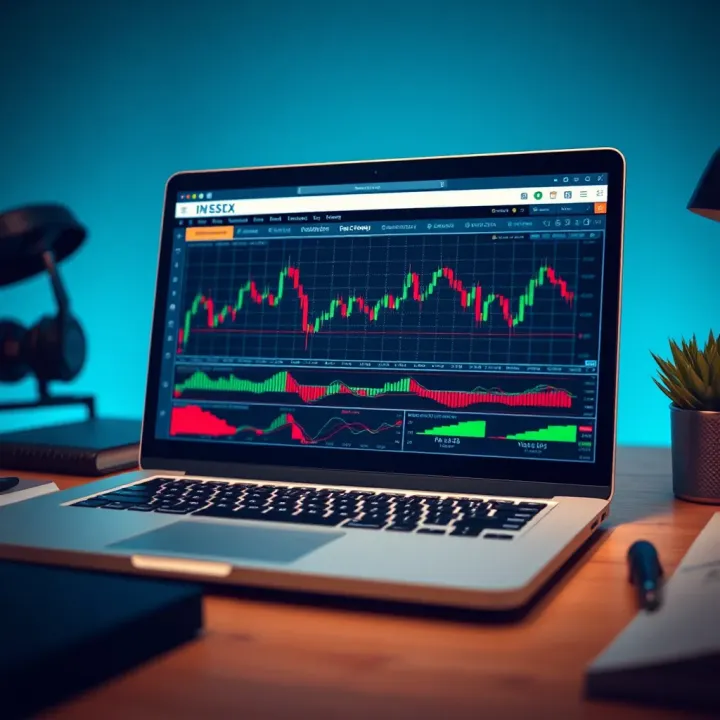
Learn how to start forex trading in Nigeria 🇳🇬 with tips on picking brokers, managing risks, and navigating CBN rules for safer investments in ₦ today!
Based on 6 reviews