
Realities of Forex Trading in Nigeria
📉 Explore the real risks and smart strategies of forex trading in Nigeria. Learn how market mechanics and local factors can make or break your ₦ success.
Edited By
James Mitchell
Forex trading, simply put, means buying and selling currencies to make profits or manage risks. It traces back way before computers or banks existed, rooted in the age-old practice of exchanging goods and services. In early societies, people used barter, swapping items like yams for cloth or cattle for tools, but this had limits, especially when dealing with distant communities.
As trade expanded beyond local markets, currencies started to emerge, making transactions more standardised. Ancient civilisations like the Mesopotamians and Romans first used coins — a simple form of currency — which paved the way for more complex trading systems.

The modern journey of forex trading began in earnest after World War II, mainly with the Bretton Woods Agreement of 1944. At Bretton Woods, countries agreed to fix their currencies against the US dollar, which in turn was linked to gold. This created a more predictable environment for international trade and investment for decades.
When the Bretton Woods system collapsed in the early 1970s, currencies began to float freely, allowing supply and demand to determine exchange rates. This marked the true birth of the foreign exchange market as we know it today.
Since then, technology has reshaped forex trading. The introduction of computers and electronic platforms in the 1980s allowed traders to access real-time information and execute deals faster than ever. Today, digital brokers, online platforms, and mobile apps enable individuals and institutions to trade currencies 24/7 worldwide.
In Nigeria, the forex market is a vital part of financial life. The Central Bank of Nigeria (CBN) regulates forex activities to maintain naira stability and support economic growth. Local banks, fintech companies like OPay and PalmPay, and bureaux de change operate within this ecosystem, helping businesses and individuals deal in dollars, pounds, euros, and other currencies.
Key milestones in forex history include:
The shift from barter to coin-based trade in ancient times
The establishment and collapse of the Bretton Woods fixed exchange system
The rise of electronic trading platforms from the 1980s onwards
Nigeria’s growing participation in the global market, driven by oil exports and fintech innovation
Understanding this timeline helps traders and investors appreciate why forex works the way it does now and how global politics, economics, and technology influence currency values. For analysts and consultants, these historical insights inform risk management and trading strategies relevant to both international and Nigerian markets.
Understanding the origins of currency exchange offers valuable insight into how modern forex trading evolved. It helps traders and analysts grasp the foundations of currency value, trade mechanisms, and the reasons behind currency fluctuations today. The earliest methods of trade set the stage for complex financial systems that operate globally, affecting investment decisions and risk management.
Before currencies existed, communities exchanged goods and services directly through barter. A farmer with surplus yams might trade with a fisherman for fresh fish. However, barter had limitations when the two parties didn't want what the other offered, restricting trade scope. To ease this, people began using commodity money—items valued by everyone, such as cowrie shells, salt, or cattle. These commodities acted as a medium of exchange, allowing more flexibility in transactions.
Commodity money was practical, but it wasn’t durable or easily divisble, which hindered long-term, large-scale trading. Still, it laid the groundwork for the concept of widely accepted value, a key principle in today's forex market where currencies represent standardised value units.
The invention of coined money around 600 BCE by the Lydians (in modern-day Turkey) marked a pivotal moment. Coins made trade simpler and faster because their weight, metal content, and value were standardized by the issuing authority. This innovation spread through ancient civilizations like Egypt, Greece, and Persia, smoothing intercity and international trade.
These coins eased price comparisons and reduced fraud, essential functions that relate directly to today's forex dealings where trust in currency valuation and regulation underpins market stability. The move from barter and commodity to coined money reflects the historical shift towards more efficient trade systems.
As trade routes expanded, especially along the Silk Road connecting Asia, Europe, and Africa, merchants encountered diverse currencies with varying values. This spurred the need for currency exchange mechanisms to convert one form of money to another. Traders began operating informal foreign exchange systems to facilitate commerce without the confusion of differing currencies.
The practical importance was clear: without exchange, trade could stall. These early currency exchanges were the precursors to formal forex markets, teaching lessons about exchange rates and market demands that remain relevant in today's global currency markets.
In prominent trade hubs like Milan, Venice, and Cairo during the medieval period, money changers played crucial roles. These specialists would assess the value of foreign coins and provide reliable exchange services to merchants. Acting like early bankers, they earned trust through their skill and knowledge.
Money changers helped reduce transaction risks and sped up trade settlement processes. Their role highlights the ongoing necessity for transparent currency valuation—a principle central to current forex trading, where brokers provide real-time currency rates and safeguards.
Trade centres in Europe and the Islamic world facilitated advanced currency exchange networks, driven in part by religious and commercial requirements. Islamic trade hubs, such as Baghdad and Cairo, developed sophisticated systems for converting currencies to support wide-ranging trade across continents.
Meanwhile, European merchants in cities like Antwerp and London started using bills of exchange—early financial instruments that simplified cross-border payments. These practices contributed directly to the formation of modern financial instruments, helping traders manage currency risk effectively. Understanding these historical mechanics can sharpen one’s perspective on how forex markets manage liquidity and credit today.
Early currency exchange systems served a vital function: enabling wider, faster trade while setting standards for trust and valuation that underpin forex markets today.
Barter relied on direct goods exchange but was limited by the "double coincidence of wants"
Commodity money offered a basic medium but lacked durability and standardisation
Coined money standardised value and was a breakthrough for trade efficiency
Currency exchange evolved out of practical necessity along expanding trade routes
Money changers added expertise and trust within medieval trade hubs
Financial tools like bills of exchange emerged to streamline cross-border trading
These historical developments form the backbone of modern forex trading, where clear valuation and exchange processes are critical to global commerce.
The transition from traditional currency trading to what we now call the modern foreign exchange (forex) market marked a big shift in how currencies were valued, traded, and regulated worldwide. Understanding this birth is vital for traders and investors because it explains the foundations of today’s forex dynamics, including fixed and floating exchange rates. It also sheds light on how past monetary policies affect current market conditions.
The gold standard was a system where a country’s currency value was directly linked to a specific amount of gold. This meant currencies had fixed values in relation to one another based on gold reserves. For example, if ₦1 was fixed against a certain number of grams of gold, it made international trade and investment more predictable by reducing exchange rate fluctuations.
This fixed nature helped stabilise trade after the 19th century’s rapid globalisation. Businesses and governments could plan more securely because currency risk was minimal. However, this system depended heavily on countries holding enough gold reserves to back their currencies.
Yet, the gold standard had glaring limitations. It restricted governments' ability to adjust monetary policy freely, especially during economic downturns. When nations faced recessions or financial crises, they couldn’t just print more money or lower interest rates without risking depleting their gold stocks. This rigidity often worsened economic problems.
The gold standard’s inflexibility, combined with the economic shocks of World War I and the Great Depression, led to its collapse. Nations abandoned gold to regain control over their economies, paving the way for new systems better suited to modern complexities.
After World War II, there was a pressing need to rebuild global economies and avoid the chaos of uncontrolled currency fluctuations. The Bretton Woods Agreement in 1944 established fixed exchange rates where currencies were pegged to the US dollar, which itself was convertible to gold at ₦35 per ounce.
This system anchored global finance and encouraged international trade by providing stability without the strict confines of the gold standard. Countries could still maintain fixed rates but had more flexibility to manage local economic policies.
A key outcome was the rise of the US dollar as the world's primary reserve currency. Nations held dollars as reserves for international transactions and to back their own currencies. This boosted the dollar's global influence and helped the US finance its post-war economy.
However, by the late 1960s and early 1970s, the system strained under pressures like US inflation and growing trade deficits. Countries began to question their dollar holdings's value because the US could not redeem all dollars for gold on demand.
Finally, in 1971, the Bretton Woods system collapsed as the US suspended gold convertibility, leading to currency floatation. Exchange rates started to fluctuate based on market forces rather than fixed pegs, which introduced greater flexibility but also new risks and volatility.
The shift from fixed rates under Bretton Woods to floating exchange rates remains the cornerstone of today’s forex market, affecting how traders and analysts approach currency risk.
Understanding these changes helps contemporary forex market participants appreciate why currencies move and how global financial policymaking influences those movements. The transition also paved way for technological innovation and broader participation in currency trading, aspects vital in post-colonial economies including Nigeria's evolving forex market.
The forex market has experienced rapid expansion over recent decades, reshaping how currencies are traded globally. This growth owes largely to the shift towards floating exchange rates, advances in technology, and increasing participation by retail traders. Together, these factors have turned forex from a niche activity shared by banks and corporations into a diverse and accessible market that moves trillions of dollars daily.
Floating exchange rates offer greater flexibility compared to fixed regimes. When currency values adjust according to supply and demand, markets can react quickly to economic changes. This flexibility allows prices to reflect real-time information, improving price discovery for traders and investors. For example, if Nigeria’s naira weakens due to a drop in oil prices, its value will adjust to reflect that, helping businesses and policymakers respond faster than under a fixed rate.
This system also influences monetary policy directly. Central banks can use interest rates and other tools to manage inflation and growth without worrying about defending a fixed exchange rate. The Central Bank of Nigeria (CBN) uses this freedom to navigate currency pressures while addressing inflation. Still, floating rates can bring volatility, as sudden shifts in global markets or capital flows affect currency values more rapidly.
Electronic trading platforms revolutionised forex in the 1990s by replacing traditional voice trading with digital systems. Platforms like MetaTrader and cTrader offer real-time charts, automated strategies, and quick execution. This shift made the market more efficient and transparent.
Internet access and smartphones have taken this further. Traders in remote Nigerian towns can now participate at any time using apps from brokers like OANDA or local fintechs such as Chaka. The rise of mobile trading means forex activities fit into daily lives, whether in Lagos or smaller cities like Enugu.
Retail traders form a growing part of the market thanks to these technologies. They can start trading with modest sums and access educational tools online. The availability of leverage and diverse currency pairs means more Nigerians and others globally can speculate or hedge currency risks directly, broadening market reach.
The forex market is the largest financial market worldwide, with daily turnover exceeding US$6 trillion. This massive liquidity ensures tight spreads and smooth trade execution even for large transactions. For Nigerian traders, high liquidity means they rarely face problems entering or exiting positions, especially in popular pairs.
Major currency pairs, such as USD/EUR, USD/JPY, and GBP/USD, dominate trading volumes, but emerging market currencies, including the Nigerian Naira (NGN), have gained prominence. The availability of diverse currency pairs allows traders to pursue various strategies—whether speculating on global trends or managing local currency exposure in business operations.
The expansion of forex trading in recent decades illustrates the shift towards a more connected and accessible market, with meaningful implications for traders and policy makers alike.
This growth continues to reshape the global financial scene by incorporating more participants and adapting to technological progress, making forex trading a truly global business accessible to all.
Nigeria plays a significant role in the global forex market due to its large economy, active diaspora, and expanding fintech sector. The country’s unique challenges and opportunities shape how forex trading develops locally, influencing both individual traders and broader financial markets. Understanding Nigeria’s position helps grasp how local conditions impact forex strategies and regulatory approaches, especially for traders looking to navigate naira fluctuations and exchange controls.
Forex trading in Nigeria has evolved from informal street currency exchanges to a more structured market influenced by the Central Bank of Nigeria (CBN) policies. Initially, traders relied heavily on parallel market rates — the black market — to convert naira against major currencies like the US dollar and euro. With digital platforms emerging in the last decade, access to global forex markets became easier, allowing more Nigerians to participate actively.
The influx of remittances from the Nigerian diaspora also boosted demand for foreign exchange, encouraging growth in both formal and informal channels. Today, Nigerians trade forex not only for speculation but also for hedging business risks and managing import-export costs.
The CBN has introduced several rules to regulate forex trading, aiming to curb excessive naira volatility and preserve foreign reserves. Measures such as mandatory repatriation of export proceeds and limits on currency sales to individuals have shaped market dynamics. Recently, tighter exchange controls in response to naira depreciation affected how traders access forex, pushing many towards authorised dealers and licensed brokers.
Despite these controls, regulatory bodies like the Securities and Exchange Commission (SEC) have worked to license forex brokers and improve market transparency. This regulatory framework helps protect traders from fraud but also demands that market participants stay informed about changing rules.
Major global forex brokers like FXTM, AvaTrade, and local fintech firms now serve Nigerian traders, offering English-language platforms and Nigerian Naira accounts. These brokers provide access to currency pairs suited to Nigerian traders, including USD/NGN and EUR/USD. Fintech solutions such as Paystack and Flutterwave facilitate smooth deposits and withdrawals, improving liquidity and ease of trading.
The rise of local platforms tailored to Nigerian users also enhances accessibility. For instance, Opay and PalmPay integrate forex trading features, providing seamless user experiences within familiar payment ecosystems.
Mobile technology is critical to Nigeria’s forex trading boom. Smartphones enable traders in Lagos, Abuja, and smaller cities to execute trades, follow real-time charts, and manage accounts without desktop computers. Apps from brokers come with educational content, market news, and technical analysis tools that empower users.
Payment services linked to mobile banking and USSD codes let traders fund accounts and withdraw earnings quickly despite intermittent power or internet challenges. This mobile-first approach opens the door for many Nigerian youths and urban professionals to enter forex markets with relatively low capital.
The naira remains volatile due to factors like fluctuating oil prices, import dependence, and inflation. This unpredictability complicates forex trading, as sudden policy shifts by the CBN can impose exchange controls limiting dollar access. Traders have to adjust strategies quickly, balancing risk while seeking profit.
Such restrictions sometimes push traders to the parallel market, where rates differ significantly from official prices. However, using parallel markets exposes traders to legal risks and potential losses.
Despite government efforts to regulate forex trading, scams and fraud still threaten Nigerian traders. Unlicensed brokers promise quick profits but vanish with client funds. Phishing attacks target unsuspecting traders with fake websites and apps.
Regulators continuously warn about these risks, urging traders to verify broker licences with the SEC and CBN. Awareness campaigns and the growth of trusted platforms help reduce fraud, but Nigerian forex traders must stay vigilant and educate themselves to avoid losing funds.
Nigerian forex trading is a growing but complex market. Navigating it successfully depends on understanding local regulations, leveraging trusted platforms, and managing risks linked to naira volatility and fraud.
The Forex market is evolving rapidly, driven by technological innovation and shifting global economic patterns. Understanding future trends helps traders, brokers, and analysts anticipate changes, improve strategies, and stay competitive. These trends offer practical benefits such as increased efficiency, better risk management, and expanded market access. For instance, Nigerian traders now have opportunities unimaginable a decade ago, thanks to digital advances.
Algorithmic trading uses computer programmes to execute orders automatically based on pre-set criteria like price, volume, or timing. This method removes human emotion from trading decisions and allows rapid execution. In practice, algorithms can monitor multiple currency pairs simultaneously, spotting chances faster than any trader could. For example, an algorithm might place buy orders for the naira against the dollar when certain technical signals emerge, executing trades within milliseconds.
AI-driven market analysis goes beyond basic algorithms by processing enormous data sets to predict market movements. Using machine learning, these systems interpret news, economic reports, and social media sentiment to generate actionable insights. This helps traders in Nigeria access real-time, data-backed forecasts without spending hours on research. It’s particularly useful for forex brokers who offer advisory services or for sophisticated retail traders aiming to spot patterns and avoid pitfalls.
The rise of cryptocurrencies has introduced new dynamics to currency trading. Digital assets like Bitcoin and stablecoins are increasingly integrated into forex trading platforms, providing alternative currency pairs and hedging options. Nigerian traders can now cross-trade between fiat currencies and cryptos, expanding portfolio diversity. This integration also reduces reliance on traditional banking channels, which can be slow or costly in Nigeria.
Potential regulatory changes pose both challenges and opportunities. As governments around the world enhance crypto regulations, Nigerian authorities are also reviewing policies to protect consumers while fostering innovation. Upcoming rules may impose stricter oversight on crypto-forex brokers or define clearer tax guidelines. Staying informed about these shifts is vital for traders and fintech companies operating locally, ensuring compliance and avoiding penalties.
Nigeria’s fintech ecosystem is growing fast, with platforms like Paystack, Flutterwave, and OPay supporting forex payments and trading. This growth reduces barriers to entry, such as high transaction fees or inadequate banking infrastructure, enabling more Nigerians to participate in forex trading securely and conveniently. The increasing availability of mobile trading apps means traders can operate anytime, anywhere.
Education and awareness are improving through workshops, online courses, and social media communities focused on forex trading and investment. These resources equip Nigerian traders with knowledge on risk management, strategy development, and market analysis. As more people become financially literate, the local market becomes more vibrant and less vulnerable to scams or misinformation.
Staying ahead of future trends in forex trading is no longer optional—it's necessary for anyone serious about success, especially for Nigerian traders navigating a complex and fast-changing global market.
Each of these trends shapes how forex trading will look tomorrow, making it critical for participants in Nigeria and beyond to adapt quickly and thoughtfully.
📉 Explore the real risks and smart strategies of forex trading in Nigeria. Learn how market mechanics and local factors can make or break your ₦ success.
📈 Curious about forex trading profits? Discover how currency exchange could boost your ₦earnings, the risks involved, and tips tailored for Nigerian traders looking to succeed.
📉 Interested in forex trading in Nigeria? Learn the key risks, how currency swings affect your ₦ and practical tips to protect your funds in the forex market.
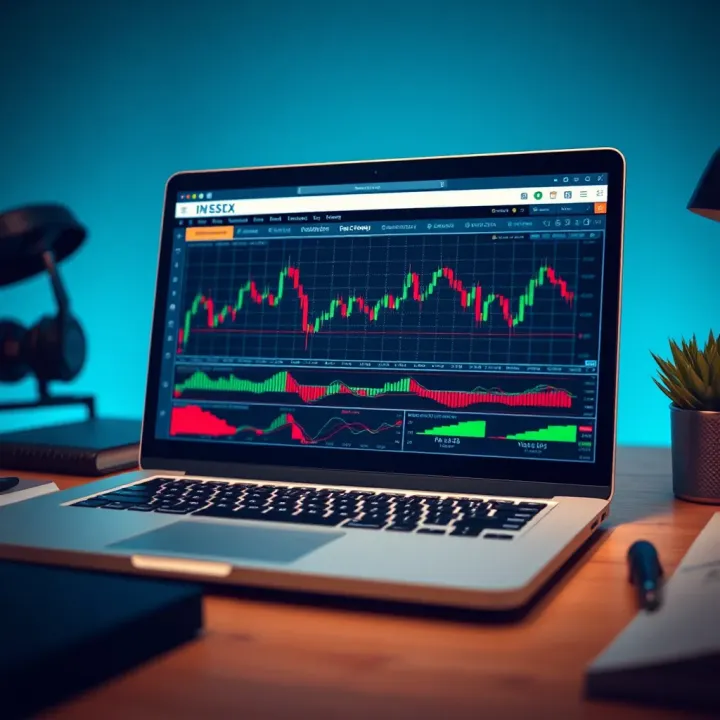
Learn how to start forex trading in Nigeria 🇳🇬 with tips on picking brokers, managing risks, and navigating CBN rules for safer investments in ₦ today!
Based on 10 reviews