

Understanding Binary Fission: How Single-Celled Organisms Reproduce
Explore the process of binary fission 🔬, how single-celled organisms reproduce through it, its key steps, benefits, limits, and how it compares to other methods.
Edited By
Charlotte Evans
Binary fission is a straight-to-the-point method of reproduction mainly used by single-celled organisms like bacteria. Unlike sexual reproduction, it doesn’t need a partner or complex processes. The cell simply splits into two, forming offspring that are genetically identical. This method allows rapid population growth, which is often why bacteria can multiply so fast—in hours or even minutes under the right conditions.
This process is not just biology textbook stuff; it has real-world significance for activities like food safety, healthcare, and even biotechnology. For example, understanding bacterial binary fission helps in managing infections, by knowing how quickly bacteria multiply and resist treatment. It also underpins many lab techniques involving microbes.
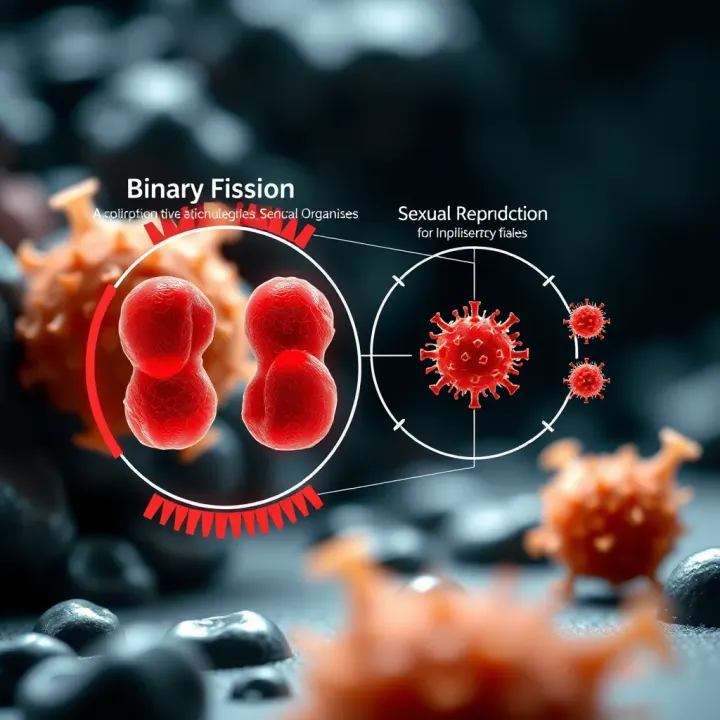
Binary fission enables certain organisms to reproduce efficiently without the need for gametes or fertilisation, which is critical for survival in diverse environments.
Here’s a breakdown of how binary fission actually happens:
DNA Replication: The bacterial chromosome copies itself so both new cells will have identical genetic material.
Cell Elongation: The cell increases in size, preparing to divide.
Segregation: Replicated DNA strands move to opposite ends of the cell.
Division: The cell membrane pinches inward at the centre, eventually splitting the parent cell into two daughter cells.
This simplicity allows binary fission to be faster than most other reproduction forms. Yet, the downside is less genetic diversity, which means populations may struggle to adapt quickly to sudden threats like antibiotics or environmental changes.
In investing or consultancy around biotech or healthcare sectors, knowing the basics of binary fission informs risk assessment and innovation strategies. For instance, companies developing antibiotics or probiotics base their work on bacterial growth rates powered by binary fission.
Understanding this process gives you an edge when analysing trends or technologies influenced by microbial growth, from disease control to fermentation industries.
In the next sections, we’ll look deeper into the biological importance and limitations of this process, and how it stacks up against other reproduction methods.
Binary fission is a simple yet essential biological process, explaining how many single-celled organisms reproduce quickly and efficiently. It matters because it drives the rapid population growth of bacteria and some other microorganisms, influencing everything from human health to industrial fermentation processes. Understanding this process helps analysts and investors in biotech and healthcare sectors predict microbial behaviour, vital for developing antibiotics or probiotics.
Binary fission is an asexual reproduction method where one cell divides into two identical daughter cells. Unlike sexual reproduction, it does not involve the exchange or recombination of genetic material. In simple terms, the parent cell duplicates its DNA and splits into two new cells, each carrying the exact genetic information. Think of it like a tokunbo phone copied exactly, sold to two customers without any changes. This method ensures fast replication, helping bacteria colonise environments swiftly, which investors in pharmaceutical firms often monitor for new antibiotic developments.
Primarily, prokaryotic cells reproduce through binary fission. This includes bacteria, such as Escherichia coli found in the human gut, and archaea that thrive in extreme environments like hot springs or saline lakes. Some single-celled eukaryotes like amoebae also reproduce this way, although mitosis is more common in eukaryotic cells. Knowing which organisms rely on binary fission is crucial for biotechnology companies focusing on waste management or fermentation, where microbial activity must be optimised.
Binary fission’s rapid cell division power is a key factor in both the spread of infections and the production of useful microbial products.
This process's efficiency means bacteria can double every 20 minutes under ideal conditions, a fact often used to model infection rates or fermentation yields. For traders in pharmaceutical stocks, recognising the impact of binary fission on bacterial growth cycles can inform on product demand and research focus.
In summary, binary fission is the backbone of rapid bacterial reproduction and a significant biological mechanism with real-world impacts on health, industry, and the environment. A firm grasp of this process aids strategic decisions in multiple sectors tied to microbiology.
Binary fission is a straightforward yet efficient method through which single-celled organisms replicate. Understanding this process is key to grasping how bacteria multiply rapidly and sustain their populations. The process unfolds in clear stages that ensure the genetic material is accurately copied and evenly distributed, enabling the survival of daughter cells.
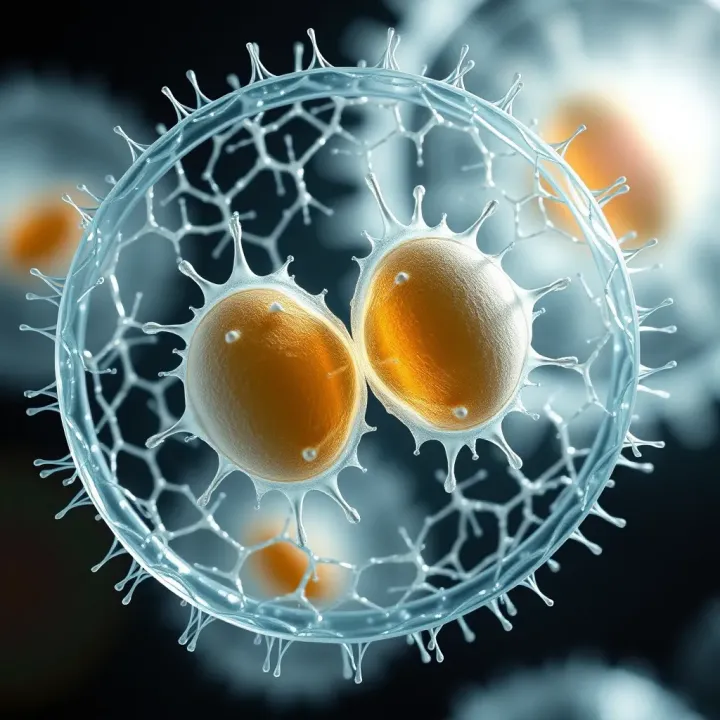
The first stage involves the replication of the organism’s DNA. This means the genetic blueprint is duplicated, ensuring each new cell inherits an identical copy. For example, in Escherichia coli, a well-studied bacterium in Nigeria’s local environment, the chromosome is copied starting at a specific point known as the origin of replication. This stage is critical because any errors in copying can affect the functionality of the daughter cells.
After the DNA replicates, the two copies move to opposite ends of the cell. This segregation ensures that when the cell splits, each daughter cell receives a complete set of chromosomes. The cell architecture, including proteins that act like a scaffold, helps guide the chromosomes into place. Defects in this step can lead to cells with missing or uneven genetic material, which is usually non-viable.
The final stage sees the division of the cytoplasm, where the cell membrane pinches inward to create two separate cells. This step, often called cytokinesis, physically separates the two new cells. In organisms like Bacillus subtilis, which can survive in soil in various Nigerian regions, this cleavage is essential for completing the reproduction cycle. The result is two genetically identical cells, ready to function independently.
Binary fission is not a random process; it requires favourable conditions such as adequate nutrients, optimal temperature, and proper pH. For instance, Vibrio cholerae in Lagos’ water systems will only reproduce quickly in warm and nutrient-rich environments. Under these ideal conditions, some bacteria can double in number every 20 minutes, explaining the rapid spread of infections in certain situations.
Understanding the timing and conditions of binary fission helps in designing control strategies for bacterial populations, especially in contexts like public health, agriculture, and food safety.
Environmental stresses, such as prolonged drought or lack of nutrients, slow down the process significantly. This knowledge is crucial for analysts and researchers tracking bacterial growth patterns or when working on antimicrobial measures.
In summary, recognising the specific steps and conditions of binary fission not only deepens biological insight but also aids practical applications in sectors impacted by microbial activity.
Binary fission is a vital process that drives the rapid multiplication of many single-celled organisms, especially bacteria. Its ability to support quick population growth makes it fundamental not only for the survival of these microorganisms but also for their ecological and economic impact. Understanding its biological importance helps in sectors ranging from healthcare to agriculture.
Binary fission allows organisms such as Escherichia coli and Bacillus subtilis to multiply very quickly under suitable conditions. For example, E. coli can divide every 20 minutes in optimal temperatures and nutrient-rich environments. This rapid reproduction means bacterial populations can explode in a very short time, crucial for colonising new environments or responding to resource availability.
In practical terms, this rapid growth explains how infections can spread swiftly, necessitating timely medical intervention. In agriculture, understanding this process helps manage soil microbes that promote crop health or identify harmful pathogens. The sheer speed of binary fission also underpins fermentation industries, where bacterial cultures generate products like yoghurt or industrial enzymes efficiently.
While binary fission is a form of asexual reproduction, it surprisingly maintains quite a stable genetic makeup across generations. Since the process involves direct copying of the organism’s DNA, offspring are genetically identical to the parent cell unless mutations occur. This stability is advantageous in stable environments where the parent organism is already well adapted.
However, the occasional genetic mutations during DNA replication can introduce diversity slowly, providing a small pool for natural selection without the risks and energy costs associated with sexual reproduction. In this way, binary fission supports a balance: preserving advantageous traits while allowing incremental genetic changes crucial for long-term survival.
In summary, binary fission is central to population expansion and maintains genetic integrity for many single-celled creatures. It explains the persistence and adaptability of bacteria across different environments and has direct implications in healthcare, agriculture, and biotechnology sectors in Nigeria and beyond.
Comparing binary fission with other reproduction methods is essential for understanding how different organisms replicate and maintain their populations. Each form of reproduction has unique features that affect speed, genetic diversity, and adaptation in various environments. By examining these differences, investors and analysts in biotech or healthcare sectors can better appreciate the biological foundations impacting microbial growth or development of treatments.
Binary fission and mitosis are both forms of asexual reproduction, yet they differ significantly. Binary fission mainly occurs in prokaryotes such as bacteria, where the cell duplicates its DNA and splits into two identical daughter cells without forming a mitotic spindle. Mitosis, on the other hand, is typical in eukaryotic cells and is more complex, involving phases like prophase, metaphase, anaphase, and telophase, which ensure accurate chromosome segregation.
For example, Escherichia coli reproduces every 20 minutes via binary fission under ideal conditions, enabling rapid population growth that can greatly affect industries such as food production or pharmaceuticals. In contrast, mitosis supports growth and repair in multicellular organisms like humans but proceeds at a slower pace with more checkpoints to avoid errors.
The key takeaway here is that binary fission allows for faster replication but less regulatory control compared to mitosis. This understanding helps in assessing risks linked to bacterial infections or mutation rates relevant to antibiotic resistance.
Sexual reproduction is fundamentally different from binary fission. It involves combining genetic material from two parents, producing offspring with genetic variations that enhance adaptability. Binary fission, in contrast, produces clones with almost identical DNA, which limits genetic diversity.
From a practical standpoint, organisms like humans or plants rely on sexual reproduction to evolve and respond to environmental changes, while many bacteria rely on binary fission for quick multiplication, especially during outbreaks or contamination events. For instance, sexually reproducing crops often show greater resilience to pests and climate changes than bacteria multiplying by binary fission alone.
Understanding these contrasts is vital in fields like agriculture, where breeding strategies counter pests, or in medicine, where controlling fast-spreading bacteria depends on knowing their reproductive efficiency.
In summary, analysing binary fission alongside mitosis and sexual reproduction highlights differences in speed, complexity, and genetic outcomes. These insights inform strategies in epidemiology, drug development, and even investment in biotech firms whose products hinge on microbial or cellular behaviour.
Binary fission offers several clear advantages for single-celled organisms, especially bacteria. The process is fast, straightforward, and energy-efficient, allowing organisms to multiply rapidly under favourable conditions. For example, Escherichia coli in the human gut can double every 20 minutes, enabling quick population growth that helps it establish dominance in its environment. This rapid reproduction is vital in ecosystems where immediate resource utilisation is necessary.
Additionally, binary fission is a simple form of asexual reproduction that does not require a mate, which eliminates the need for complex behaviours or structures to find partners, unlike sexual reproduction. This makes it ideal for organisms living in isolated or extreme environments, like deep-sea vents or contaminated soil, where encounters with others of their species might be rare.
Another benefit is the high genetic stability during replication. The parent’s DNA is copied precisely, meaning successful genetic traits pass on intact. This consistency allows populations to maintain their specialised functions without dilution by varied gene combinations.
While binary fission supports quick population growth, it also has notable challenges, chiefly the lack of genetic diversity among offspring. Since offspring are essentially clones, any detrimental mutation can spread quickly across the whole population, increasing vulnerability to diseases or changing environments.
Unlike sexual reproduction or processes like mitosis with crossing-over, binary fission does not provide a mechanism for genetic recombination. For instance, if a bacterial strain is exposed to antibiotics but lacks genetic variation, the entire colony may be wiped out. This limitation impacts adaptability, making populations less resilient to environmental shifts such as temperature changes, nutrient fluctuations, or new toxins.
Moreover, the accumulation of harmful mutations over many generations—known as Muller's ratchet—can reduce the overall fitness of the population. Without a way to mix genes, harmful mutations cannot be easily eliminated.
Despite its efficiency, the simplicity of binary fission means single-celled organisms face a trade-off between fast reproduction and evolutionary flexibility through genetic diversity.
In summary, binary fission suits organisms that need rapid, reliable reproduction without mating. Still, its lack of genetic variation can be a significant drawback where adaptability is crucial. Researchers and investors analysing microbial growth patterns or biotechnology applications must consider these factors when assessing bacterial populations or developing treatment strategies.
Explore the process of binary fission 🔬, how single-celled organisms reproduce through it, its key steps, benefits, limits, and how it compares to other methods.
Learn how binary fission works with clear examples 🦠. Explore key steps of this asexual reproduction common in bacteria and single-celled organisms.

🔢 Understand binary charts with this hands-on guide explaining binary numbers, their use in tech & data, and how to read them for computing insights.
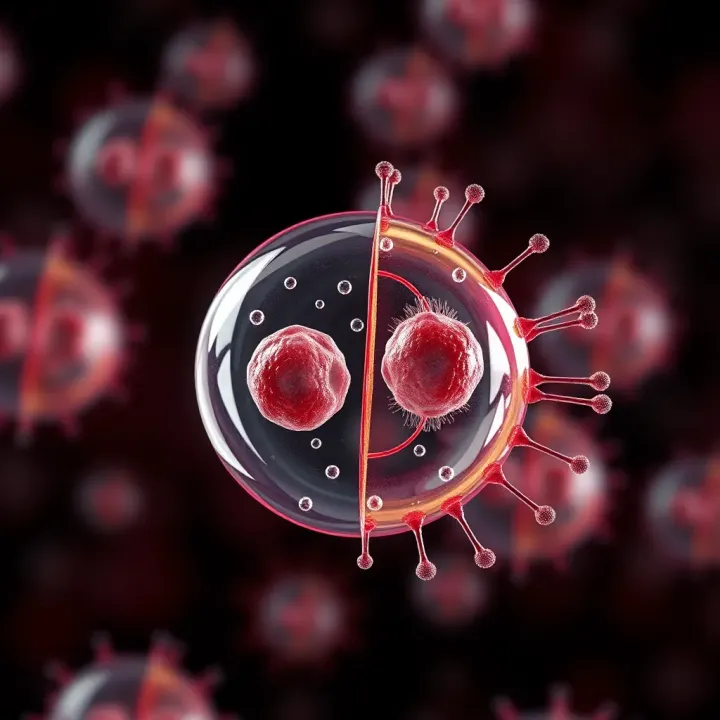
Explore how binary fission helps bacteria like E. coli double quickly, impacting health and industries in Nigeria 🇳🇬. Learn key biological roles and examples.
Based on 6 reviews