

Binary Options Trading Guide for Nigerian Investors
📈 Curious about binary options trading in Nigeria? Learn how to trade smart, spot risks, and protect your ₦, with tips that beginner investors should know today.
Edited By
Henry Mitchell
Binary trading is quickly becoming a notable avenue for financial growth in Nigeria. Traditionally seen as a male-dominated space, the recent surge of Nigerian women entering binary trading shows a shift in the landscape. Many women are embracing this financial tool to create new income streams and achieve independence. Yet, the field comes with its own set of unique challenges and opportunities.
Women traders in Nigeria often stand out because they must navigate social expectations alongside market risks. For example, balancing family responsibilities with the demands of a volatile trading schedule can be daunting. Despite this, there is growing evidence that Nigerian women are developing innovative strategies to manage these pressures while staying competitive.
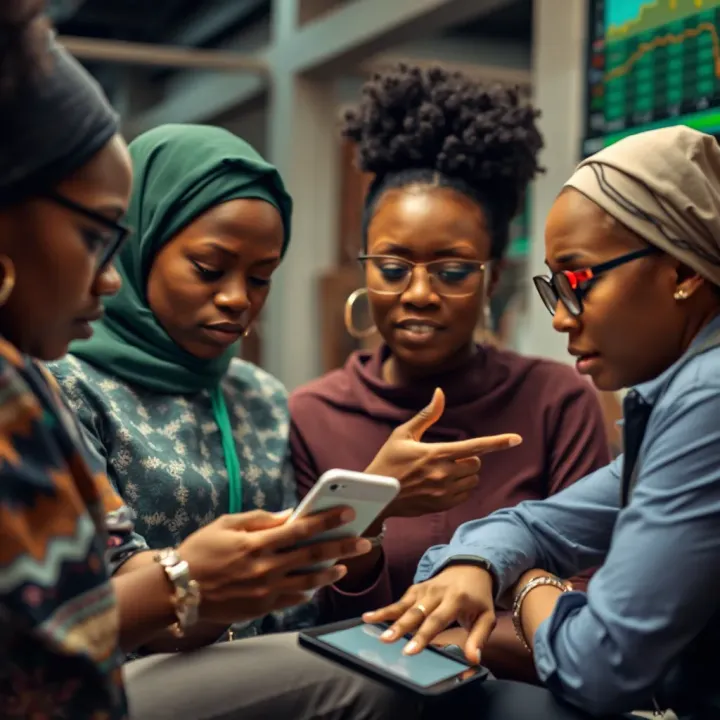
On the opportunity side, technology has played a big role. Mobile platforms like Kuda, OPay, and Flutterwave make it easier for women across states—from Lagos to Kano—to participate without needing expensive equipment or physical attendance at trading centres. This tech access lowers entry barriers and offers flexibility not convenient in traditional markets.
Education is another key factor boosting women’s success. Unlike before, more training programmes, webinars, and online tutorials specifically designed for women traders empower them to understand binary trading’s technicalities and risks. For instance, seasoned female traders in Abuja run workshops to teach novices about smart risk management and market analysis.
Risk management remains essential. Binary trading involves speculating on asset price movements within short periods, so losses are a real risk. Female traders are learning to implement disciplined approaches—setting stop-loss limits and diversifying trades—to prevent severe financial setbacks. This practical awareness is shifting the narrative from risky bets to calculated decisions.
Nigerian women’s growing footprint in binary trading represents a blend of resilience, adaptability, and forward-thinking. Their example underscores that with access to the right tools and knowledge, women can thrive in financial sectors once thought exclusive to men.
In summary, this introduction sets the stage for deeper exploration of the hurdles female traders face, the technologies enabling their rise, and the outlook for sustainable growth. By focusing on real experiences and local contexts, one gains valuable insight into this evolving sector in Nigeria.
Understanding the basics of binary trading is essential for anyone looking to enter this fast-moving financial space. For women in Nigeria, knowing what binary trading involves helps make informed decisions, reduce risks, and capitalise on available opportunities. This section breaks down the key elements of binary trading and explains why it is becoming a popular choice among Nigerian women.
Binary trading is a simplified form of financial speculation where traders predict the direction of an asset’s price within a set timeframe. Instead of buying the asset itself, you essentially bet on whether its value will rise or fall. If your prediction is correct, you earn a fixed payout; if wrong, you lose the initial stake. This straightforward yes/no proposition makes binary trading easy to understand and execute, which appeals to beginners and experienced traders alike.
The assets traded in binary options often include currencies (forex pairs such as USD/NGN or EUR/USD), commodities (like crude oil or gold), stock indices, and shares of popular companies. For Nigerian traders, familiar assets like the NGX All-Share Index or oil prices can be particularly relevant due to their impact on the local economy. These diverse options allow women to choose assets they understand well or want to track closely.
Profits in binary trading are predetermined. For example, if you invest ₦10,000 and correctly predict the price movement, the platform may pay out ₦17,000, giving a profit of ₦7,000. However, if your prediction misses the mark, you lose the ₦10,000 stake. This fixed-risk and fixed-reward structure helps traders manage their capital since losses are limited to the initial investment per trade.
Binary trading suits the busy lifestyle of many Nigerian women by offering flexible trading hours and easy access through smartphones. Whether a businesswoman, trader or stay-at-home mum, women can start or pause trading activities as their schedules allow. The opportunity to trade from home or any location with internet access removes geographical and time constraints common in traditional investment avenues.
Financial independence drives significant numbers of Nigerian women into binary trading. With unemployment and underemployment affecting many, binary trading provides a chance to increase personal income streams without relying on traditional jobs or support systems. Women traders often see this as a way to build savings, start businesses, or fund education without waiting for monthly salaries.
Fintech firms like Paystack, Flutterwave, and local trading platforms have expanded the reach of binary trading. Integration with Nigerian payment systems—allowing easy deposits and withdrawals in Naira—makes trading more convenient. Also, some platforms now offer educational materials tailored to Nigerian users, boosting confidence and lowering entry barriers. This combination of technology and localised support encourages more women to get involved and succeed in binary trading.
Understanding these core aspects can empower more Nigerian women to navigate the binary trading space effectively, balancing risks with opportunity in an environment tailored for today’s digital economy.
Female binary traders in Nigeria navigate a tough path shaped by societal expectations, financial risks, and a sometimes shaky regulatory environment. These challenges affect their ability to fully benefit from the opportunities binary trading offers and require attention to create a more inclusive trading landscape.

Stereotypes still linger that trading and finance are chiefly male domains. Women venturing into binary trading often face scepticism, sometimes even from peers or family. For example, a female trader may be seen as less knowledgeable or serious compared to her male counterpart, making it harder to build trust or access informal mentorship networks. This bias limits women's confidence and their willingness to take calculated risks, which are essential for success in trading.
Most Nigerian women balance multiple family roles, and support for trading as a viable income source is not always forthcoming. Families sometimes view trading as risky or non-traditional, discouraging women from committing time and resources. In many cases, when a woman prioritises trading over household duties, it stirs tension, reducing her emotional and practical support. This dynamic can ultimately hinder the trader's perseverance during difficult market fluctuations.
Aside from family pressure, women often juggle employment, childcare, and other duties alongside trading. Unlike trading done by those with full-time focus, Nigerian women frequently operate in narrow time windows, sometimes following market movements at odd hours after home chores. This time constraint makes it difficult to continuously monitor trades or deepen learning, putting them at a disadvantage compared to traders with more flexible schedules.
Binary trading is inherently risky, with price swings often fast and unpredictable. For Nigerian female traders—many starting with limited capital—this can mean severe financial losses quickly. Without thorough understanding and proper risk management, traders may lose their savings, causing distrust in trading as a reliable income stream. This risk demands disciplined education and caution that is not always accessible or emphasised.
Regulatory oversight over binary options in Nigeria remains limited, leaving traders exposed to unfair practices. Unlike conventional securities regulated by the Securities and Exchange Commission (SEC), many binary trading platforms operate in grey areas without full licenses. This gap means there is often no recourse for Nigerian female traders who experience disputes or platform issues, increasing their vulnerability.
Unfortunately, the binary trading space attracts fraudulent platforms promising guaranteed returns. Many female traders fall prey due to limited awareness or desperation. For instance, some are lured into platforms that make it difficult to withdraw funds or manipulate trades. This issue underlines the importance of vigilance, verified platform selection, and awareness campaigns targeting women to reduce victimisation.
Female binary traders in Nigeria face interlinked challenges—from cultural pressures to financial risks and weak regulation—that require concerted efforts. Addressing these barriers will help create safer, more supportive environments where women can thrive in binary trading.
Education to counter stereotypes and empower women with strong trading knowledge
Support networks to balance family expectations and offer emotional backing
Clear guidance on risk management and platform verification
Advocacy for stronger regulatory frameworks protecting retail traders
By tackling these obstacles head-on, Nigerian women can turn binary trading into a more fruitful avenue for financial independence and growth.
In the world of binary trading, especially within Nigeria, building the right skills and knowledge is not just helpful—it is essential for success. The volatility of markets combined with emerging fintech platforms means traders must continuously update their understanding and approach. Without solid education and personal discipline, many risk losing money or falling prey to scams that have unfortunately proliferated.
Online courses and webinars offer traders a flexible way to learn at their own pace. Platforms like Coursera, Udemy, and local fintech startups regularly host sessions tailored to beginners and advanced traders alike. These courses typically cover how binary trading works, strategies to adopt, and the technology behind the platforms. Given the widespread internet access in cities like Lagos and Abuja, many women find this mode convenient, allowing them to fit learning around family and work commitments.
Community groups and mentorship play a vital role by offering support that goes beyond theory. Joining trading communities on WhatsApp or Telegram allows traders to share tips, discuss market trends, and warn against dubious platforms. Experienced mentors, either local or from the diaspora, can guide newcomers on best practices and ethical trading disciplines. For example, Nigerian women-led groups like "Women Traders Collective" provide a platform for peer learning and encouragement which is invaluable in a male-dominated sector.
Learning directly from local and international experts brings real-world insights necessary for improving decisions. Experts often share market analyses, updated regulatory news from the Central Bank of Nigeria (CBN), and global trading patterns that impact assets commonly traded in binary options. Many Nigerian fintech conferences feature speakers who provide both fundamental and technical analysis, linking global events to local trading outcomes, which helps traders sharpen their edge.
Setting trading limits is a crucial habit for controlling potential losses. Traders should decide beforehand how much capital they are willing to risk daily or weekly. This limit protects them from chasing losses or making rash decisions under pressure. For instance, a trader could commit only ₦10,000 per day to trading activities, ensuring they don’t jeopardise essential funds.
Using demo accounts to practise allows traders to build confidence without risking real money. Most reputable binary trading platforms provide demo accounts mimicking live market conditions. This safe environment lets beginners trial different strategies and understand market behaviours without financial consequences. Demo practice sharpens decision-making and helps develop timing skills needed for profitable trades.
Emotional control during trading is often overlooked but can make or break a trader’s success. Binary trading’s fast pace may provoke anxiety, over-excitement, or fear, leading to poor choices. Women balancing multiple roles at home and work especially benefit from learning patience and composure. Techniques such as setting fixed trade times and taking regular breaks help maintain a clear head and prevent impulsive trading based on emotions.
Successful binary trading in Nigeria depends heavily on continuous education, practical experience, and strong discipline. Women who invest time in mastering these aspects are better positioned to navigate challenges and grow their trading portfolios sustainably.
The right mix of knowledge and self-control transforms binary trading from mere speculation into a viable income stream. For Nigerian women eager to carve out financial independence, sharpening these skills is a must.
Technology plays a central part in widening access to binary trading for Nigerian women. It reduces entry barriers by making trading platforms available on devices many already own, and by simplifying payment methods tailored to local realities. Nigerian-made and international platforms alike have adapted to the country's specific needs, offering clearer paths for women eager to explore financial markets. This section highlights how mobile and internet growth, plus platform choices, shape women’s participation.
Smartphone penetration has seen a remarkable rise across Nigeria, not just in cities but increasingly in rural areas. Affordable Android smartphones now serve as a key gateway for many Nigerian women to engage in binary trading. For example, women in suburbs of Lagos can access trading apps just as easily as those in smaller towns like Ado-Ekiti. This broad reach means more women can trade at their convenience without investing in costly equipment.
On top of that, internet connectivity is far more stable and affordable today compared to a few years ago. Providers like MTN and Glo have extended 4G coverage to many underserved areas, making it easier for traders to keep up with real-time market movements. Data bundles tailored to lower-income users allow women traders to remain online for longer without excessive cost, which is crucial for executing timely trades in a fast-moving market.
Platforms such as Pocket Option and Binary.com have gained popularity among Nigerian female traders because of their user-friendly interfaces and relatively low minimum deposit requirements. These platforms support various assets that appeal to local traders, including currency pairs involving the naira and commodities like oil. Their clear charts and risk management tools equip women with practical features to trade confidently.
Integration with Nigerian payment systems is another vital factor. Platforms that work smoothly with USSD codes, Nigerian debit cards, and even fintech wallets like Paga or PalmPay make deposits and withdrawals straightforward. A woman in Enugu, for instance, can fund her Pocket Option account directly from her bank app without needing international card services. This seamless payment integration reduces friction and helps sustain active trading.
Security concerns remain top of mind for new traders. Reliable platforms now deploy two-factor authentication and secure sockets layer (SSL) encryption to protect users' data and funds. Equally important is user experience—platforms designed with mobile-first approaches and local language options improve accessibility and reduce the learning curve for women just starting.
Access to the right technology and trusted platforms means Nigerian women can trade binary options with more confidence and fewer hurdles, expanding their financial independence opportunities.
With the rapid growth in technology adoption and platform optimisation for Nigerian conditions, more women stand to benefit from binary trading than ever before. The key lies in continuous improvement of infrastructure and platform responsiveness to the diverse needs of women traders across the country.
Looking ahead, the potential for Nigerian women in binary trading is expanding, driven by several tangible factors that can reshape financial participation. Encouraging more women to engage in this space not only diversifies the market but also supports broader economic empowerment and inclusion. This section highlights key growth trends and practical steps to nurture female traders effectively.
Increasing female participation in fintech has gained momentum in Nigeria as more women embrace digital financial services both as users and innovators. Women-led fintech startups are emerging, offering tailored solutions that address female traders’ specific needs, such as flexible learning tools, fraud awareness, and easy access to credit. This shift means more women are not just trading but influencing fintech offerings, creating a virtuous cycle that draws in fresh participants eager to learn and trade.
Meanwhile, greater smartphone penetration and improved internet coverage continue to lower barriers. Urban women traders in Lagos and Abuja benefit from stable connections, while rural users increasingly access platforms through affordable devices. This growing accessibility makes binary trading a practical income source for women across different socio-economic backgrounds.
New regulatory developments from the CBN and SEC signal a maturing market that could offer better safeguards for binary traders. The Central Bank of Nigeria's enhanced guidelines on digital financial services aim to reduce fraud, promote transparency, and protect investors. Similarly, the Securities and Exchange Commission (SEC) has shown interest in regulating online trading activities more closely, which may soon bring clearer rules for platforms and traders alike.
Such regulations can give women greater confidence to trade, knowing there are standards and recourse mechanisms in place. However, effective enforcement remains a challenge, requiring continued vigilance and advocacy.
Peer networks and women-led trading communities are growing as Nigerian female traders seek solidarity and shared learning. Groups on social media and messaging apps create spaces for experience sharing, strategy discussions, and emotional support. These communities often host virtual meetups, workshops, and even offline gatherings, helping new traders avoid common pitfalls and build confidence.
A notable example is the rise of women’s binary trading WhatsApp groups in Lagos, where members exchange timely market insights and mentor newbies. Such networks extend beyond binary trading into broader financial literacy, serving as grassroots drivers of female empowerment.
Policy recommendations for better protection focus on implementing clear consumer rights and platform accountability. Policymakers should prioritise licensing requirements to ensure only credible platforms operate, set transparent fee disclosures, and define dispute resolution procedures accessible to women traders.
Practical enforcement, such as timely investigation of fraud reports and public awareness campaigns, would enhance trust. In parallel, collaboration with fintech associations can foster compliance culture and share best practices.
Financial literacy campaigns targeting women remain vital, especially those that address the unique challenges women face in financial markets. NGOs, fintech companies, and regulators can co-create tailored educational content in local languages, focusing on risk management, identifying scams, and basic trading principles.
Such campaigns could be rolled out during women’s events or via broadcast media channels popular among Nigerian women. Empowering women with knowledge equips them to make sound decisions rather than gamble blindly.
Creating mentorship and support groups offers practical, peer-driven learning opportunities. Establishing formal mentorship programmes with experienced traders willing to guide beginners can reduce the steep learning curve associated with binary trading.
Support groups provide emotional resilience support since trading can be stressful. Organisations could partner with fintech hubs or women’s entrepreneurship centres to host sessions that foster both skills and confidence.
Peer support and informed guidance are key pillars that can sustain women traders, helping them navigate challenges while seizing opportunities in Nigeria’s growing binary trading market.
In all, the path forward requires coordinated efforts by regulators, the private sector, and community leaders to unlock the full potential of Nigerian women in binary trading. This will foster not only individual growth but strengthen the wider financial ecosystem.
📈 Curious about binary options trading in Nigeria? Learn how to trade smart, spot risks, and protect your ₦, with tips that beginner investors should know today.
🇳🇬 Learn how binary options trading works in Nigeria, its legal status, risks, and practical tips to trade safely and smartly in the local market. 📈
📊 Explore practical tips on binary option trading in Nigeria. Understand how it works, spot risks, navigate regulations, and choose reliable platforms wisely.
Discover practical strategies for effective binary options trading in Nigeria. Learn how to manage risks, analyze markets, and boost your trading success 📈💡
Based on 8 reviews