
Forex Trading Guide for Nigerian Traders
🌍 Explore forex trading in Nigeria with tips on markets, strategies, brokers, leverage, risk management, and overcoming common challenges. 📈💡
Edited By
Henry Dawson
In Nigeria's fast-moving foreign exchange market, a forex trading ID card plays a key role for traders who want to operate legally and avoid regulatory trouble. Issued under the supervision of the Central Bank of Nigeria (CBN), this ID card certifies that a trader is recognised and authorised to participate in forex activities within the country.
The forex market here isn't just about swapping currencies; it involves strict rules to curb illegal trading and protect traders from scams. The forex ID card acts as a formal identity and license rolled into one, helping traders prove they follow CBN's framework.

For example, if a forex trader wants to use Nigerian Naira for buying or selling foreign currency through licensed platforms or brokers like OPay or Flutterwave, having this ID card assures banks and authorities of the trader's legitimacy. Without it, many financial institutions won’t process transactions, causing avoidable delays or outright refusal.
The process to obtain the forex trading ID card involves registering with a CBN-approved forex bureau or authorised dealer. Traders provide necessary documents including valid means of identification (like a National Identification Number - NIN), proof of address, and sometimes bank verification number (BVN). After verification, the card is issued, typically valid for a fixed period before renewal.
The forex trading ID card ensures compliance with CBN guidelines, reducing risks of money laundering, fraud, and unauthorized currency dealings.
Provides legal proof of participation in Nigeria's forex market
Enables smoother transactions with banks and authorised forex dealers
Protects traders against penalties and potential blacklisting from market activities
Contributes to tracking forex flow, helpful in stabilising the Nigerian naira
Navigating Nigeria’s forex scene can be tricky without proper documentation. The forex trading ID card bridges that gap and instills confidence, especially in a market where informal trading and scams are not uncommon. Many forex traders in Lagos, Abuja, or Port Harcourt now prioritise securing this card to operate with peace of mind.
Understanding its role also helps brokers and consultants guide clients better, ensuring everyone stays on the right side of regulatory requirements while maximising market opportunities.
A Forex Trading ID Card is a formal identification issued to individuals engaged in foreign exchange trading within Nigeria. This card verifies a trader's status and compliance with regulatory standards set by the Central Bank of Nigeria (CBN). It boasts practical significance, especially as forex trading continues to expand among Nigerians eager to access global currency markets.
Essentially, a Forex Trading ID Card acts like a permit that authenticates a trader's identity and authorisation to participate legitimately in the forex market. Its main purpose is to ensure that traders operate within the legal framework established by Nigerian authorities. For instance, Nigerian traders registered with the Association of Bureaux de Change Operators of Nigeria (ABCON) or licensed brokerage firms often require this card to prove their credibility.
This mechanism aids in controlling illicit activities such as money laundering or unauthorised currency dealings. A trader without this card risks sanctions or even blacklisting, which can hinder their ability to open forex accounts or carry out transactions on recognised trading platforms. Ultimately, the card serves as a safeguard, encouraging transparency and accountability.
The Forex Trading ID Card helps traders navigate the forex environment by offering several benefits. First, it provides access to regulated forex brokers and platforms vetted by the CBN. This reduces exposure to fraudulent schemes common in unregulated segments of the market. For example, traders with the ID card find it easier to comply with Know Your Customer (KYC) requirements when opening accounts with trusted brokers like FXTM or Hotforex.
Second, the card acts as a passport for participating in centralised forex interventions by the CBN or licensed bureaux de change. It streamlines reporting processes and facilitates smooth fund transfers, which are vital given Nigeria's strict foreign exchange controls. A practical case could be a trader who holds the card and is thus able to convert naira to dollars through authorised channels rather than relying on the parallel market.
Having a Forex Trading ID Card ensures you trade confidently, knowing you're recognised and protected under Nigeria’s forex regulatory framework.
In summary, this card is more than a mere document; it enables responsible trading, promotes market integrity, and builds trust between traders and regulators. For anyone seriously involved in forex trading within Nigeria, securing this ID card is a practical step to safeguard their investments and improve operational ease.
The Forex Trading ID Card in Nigeria is not for everyone dabbling in foreign exchange but targets specific groups of traders and investors who engage officially with the FX market. Knowing who requires this identification is vital because it helps conform to regulations and protects one from penalties.
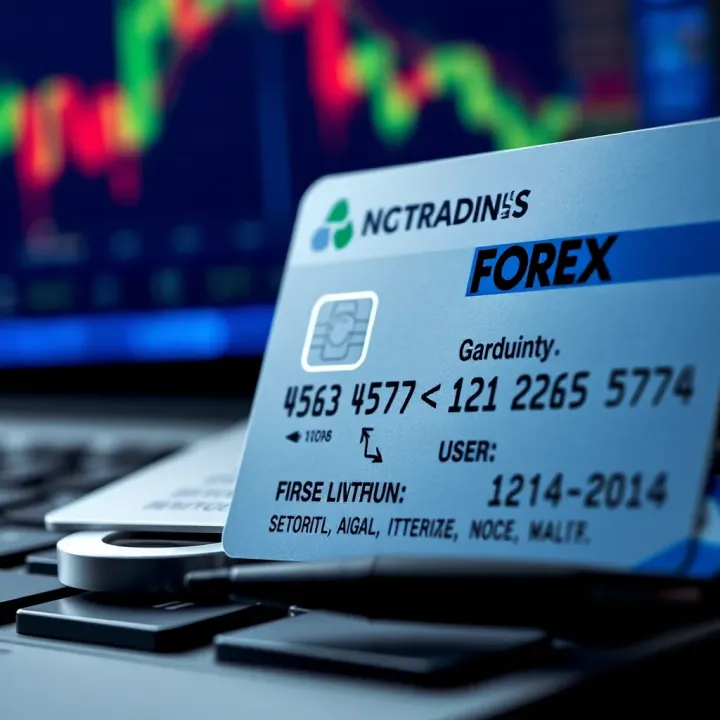
Typically, forex brokers, individual traders, and institutional investors must have a forex trading ID card. For instance, a forex broker operating an online platform offering currency trading services must register and obtain this ID to ensure transparency and compliance with the Central Bank of Nigeria (CBN). Similarly, Nigerians trading forex for profit, whether on local or international platforms, need this card to verify their legitimacy and trading status.
Also, investment firms managing foreign exchange portfolios on behalf of clients fall in this category. Even small-scale traders enjoying side income through forex trades should apply, especially if their transactions surpass the CBN's set thresholds.
It is worth noting that casual currency exchange activities—like converting Naira to Dollars for travel or business—don't require this ID card. The card is strictly for those whose transactions indicate active participation in forex trading.
The CBN introduced the forex trading ID card to monitor and regulate forex operations effectively. This move closes loopholes that previously allowed unregulated trading and potential capital flight.
The regulation mandates that:
All forex traders operating within Nigeria's jurisdiction must present their trading ID before opening accounts or executing significant transactions.
Banks and authorised dealers are required to verify this ID when facilitating forex trades.
Absence of this card may lead to blocked transactions or penalties.
The CBN enforces this scheme to protect the local economy and ensure forex activities are legal and traceable.
This legal framework also helps curb fraudulent activities. For example, unverifiable accounts without the ID card are red-flagged for suspicion or blocked mode of access, reducing scammers' space.
In practice, the forex trading ID supports better risk management by the regulators and grants traders peace of mind knowing their activities are within legal boundaries. For Nigerian forex market participants, securing this ID card is not just compliance but a way to demonstrate professionalism and trustworthiness to brokers, investors, and regulatory bodies alike.
Understanding the scope of who needs this card helps avoid unnecessary hassle and ensures smooth forex trading in line with Nigerian laws and CBN rules.
Securing a Forex Trading ID Card is an essential step for any serious trader or investor in Nigeria's forex market. This card not only acts as proof of your compliance with the Central Bank of Nigeria (CBN) regulations but also helps streamline your trading and minimise the risk of legal complications. Understanding the application and verification process is key to accessing a valid ID card smoothly.
The documentation required to obtain a forex trading ID card serves to authenticate your identity, trading credentials, and financial background. Typically, applicants must provide a valid means of identification such as a National Identification Number (NIN), international passport, or driver's licence. Additionally, proof of address, such as a recent utility bill or tenancy agreement, is necessary to verify residential details.
Traders also need to submit documents showing they are registered with a recognised forex brokerage or trading platform, which must be duly licensed by Nigerian authorities. A Bank Verification Number (BVN) linked to the account used for forex transactions is often required to ensure transparency and traceability of funds. The verification process involves cross-checking these documents with the relevant government and financial institutions to guarantee authenticity.
To get started with the application, visit the official forex regulatory body or an authorised financial service centre in your area. In Lagos, for instance, many traders visit authorised Forex Bureau De Change outlets or offices of the Nigerian Forex Bureau Association (NAFBA) to submit their applications.
The process usually involves filling out an application form detailing your personal and trading information. After submitting the necessary documents, applicants may be required to attend an interview or training session to understand the regulatory expectations and trading guidelines.
Once your application is processed and approved, you will receive your forex trading ID card, which must be carried when conducting trading transactions or registering new forex accounts. This card is typically valid for one year and must be renewed by repeating the verification steps to maintain compliance.
Traders should ensure all submitted documents are current and authentic to avoid delays. Using brokers registered with the Securities and Exchange Commission (SEC) or CBN-approved platforms also prevents complications during the application.
In summary, obtaining a forex trading ID card in Nigeria involves preparing the right documents, submitting applications at recognised centres, and passing through a verification step led by regulatory authorities. Having this card aids traders in maintaining credibility and operating within the law, which is vital for long-term success in Nigeria's forex market.
Forex trading in Nigeria operates under strict guidelines set by the Central Bank of Nigeria (CBN) to maintain market integrity and protect investors. The forex trading ID card plays a vital role in ensuring traders comply with these regulations. Without it, traders risk exposing themselves to legal troubles or even losing access to legitimate trading opportunities.
Adhering to forex regulations helps maintain transparency and smooth operations within Nigeria’s forex market. The CBN introduced mandatory ID cards for forex traders to curb illegal activities such as money laundering and fraud. These cards serve as proof that a trader has met the necessary requirements, including proper documentation and verification.
For example, a trader using a forex ID card can work confidently with authorised brokers and platforms like GTBank’s online forex services or First Bank’s forex trading desks, knowing they comply with legal standards. This compliance protects the trader from involvement in suspicious transactions and enables regulatory bodies to monitor market activities effectively.
Also, by following these rules, traders contribute to stabilising the naira’s value by discouraging illicit forex dealings that typically create excessive volatility. This stability benefits individuals and businesses depending on a steady exchange rate for imports, exports, and investment planning.
Failure to possess or properly use a forex trading ID card can lead to serious consequences under Nigerian law. CBN enforcement teams have the power to suspend or revoke a trader’s licence, which effectively bars them from participating in the official forex market.
Penalties may include:
Fines: Monetary penalties ranging from ₦500,000 to several million naira depending on the severity of the offence.
Account freezes: Banks may freeze accounts linked to unverified or unregistered forex trading activity.
Legal prosecution: Traders found engaging in illegal forex trading face criminal charges, which can lead to imprisonment or heavier fines.
An example is when the CBN recently cracked down on unofficial forex bureaux that operated without proper registration or ID verification, resulting in the closure of several such outfits and hefty sanctions for the operators.
Ignoring forex trading regulations not only risks your money but also your freedom. Staying compliant safeguards your trading activities and builds trust with brokers and regulators.
In summary, the legal framework tied to the forex trading ID card is designed to protect traders and the market at large. As a forex trader in Nigeria, respecting these rules means smoother operations, fewer risks, and a more stable trading environment.
Obtaining and using a forex trading ID card in Nigeria is not always straightforward for many traders. This section highlights the real issues traders face and offers practical advice to manage these challenges effectively.
Access to the forex trading ID card often hits roadblocks due to bureaucratic delays. Traders have reported that the documentation and verification process can be frustratingly slow, sometimes taking weeks or even months. For instance, traders based outside Lagos or Abuja may struggle more due to limited registered centres equipped to process these applications.
Another common hiccup is lack of clarity on the requirements. Some applicants submit incomplete or incorrect documents, leading to rejection or repeated visits. A trader once recounted how failing to provide a valid bank verification number (BVN) with their application led to unnecessary back-and-forth with the issuing body.
Additionally, technology glitches occasionally disrupt online application systems. Unstable internet connectivity, especially in rural areas, further complicates timely access to the ID card. Even after receiving the card, some traders find limited acceptance among brokers or platforms, posing practical usage issues.
To overcome these obstacles, traders should first ensure all documentation is accurate and complete before submission. Double-check your BVN, National Identification Number (NIN), and other essentials to avoid unnecessary delays.
Applying through recognised centres or official channels reduces the risk of fraud and processing errors. For traders far from major cities, utilising mobile or online application portals, when stable, can save time and travel costs.
Maintaining up-to-date records and promptly responding to any verification queries expedites the process. Traders should also stay informed about CBN updates or changes in application procedures by following trusted sources.
Finally, building a good relationship with licensed forex brokers familiar with the local regulatory environment can simplify card usage in trading activities. Brokers often assist traders in navigating compliance hurdles and provide insight into best practices for using the forex trading ID card effectively.
Traders who plan and prepare their applications carefully, while engaging with legit brokers and registering through official paths, stand a better chance of smooth compliance and uninterrupted trading activities.
Addressing these challenges head-on ensures forex traders in Nigeria can focus more on the market and less on bureaucratic hassles.
🌍 Explore forex trading in Nigeria with tips on markets, strategies, brokers, leverage, risk management, and overcoming common challenges. 📈💡
Explore practical tips and essential forex trading strategies for Nigerian traders 🌍. Learn key market factors, risk management, and regulation insights to trade confidently 📈.
📘 Master forex trading in Nigeria with this complete guide! Learn market basics, strategies, risk management, and download handy PDFs to boost your ₦ trading skills.

📈 Explore how Forex trading robots simplify market moves for Nigerian traders, their pitfalls, and tips on picking the right bot to boost your ₦ gains wisely!
Based on 13 reviews