
Forex Trading Guide for Nigerian Traders
🌍 Explore forex trading in Nigeria with tips on markets, strategies, brokers, leverage, risk management, and overcoming common challenges. 📈💡
Edited By
Oliver Mills
Forex trading robots are software programmes designed to automate Forex market activities. For Nigerian traders juggling busy lifestyles or facing the challenges of volatile naira exchange rates, these robots offer a way to trade without constant manual input. They analyse market data, execute trade orders, and manage positions based on pre-set rules, all without emotional interference.
Understanding how these automated systems function clears the fog for anyone considering their use. Most Forex trading robots operate through algorithms that respond to technical indicators like moving averages, RSI (Relative Strength Index), and support/resistance levels. For instance, a robot might buy dollars when the naira shows signs of weakening, aiming to profit as the dollar value rises.
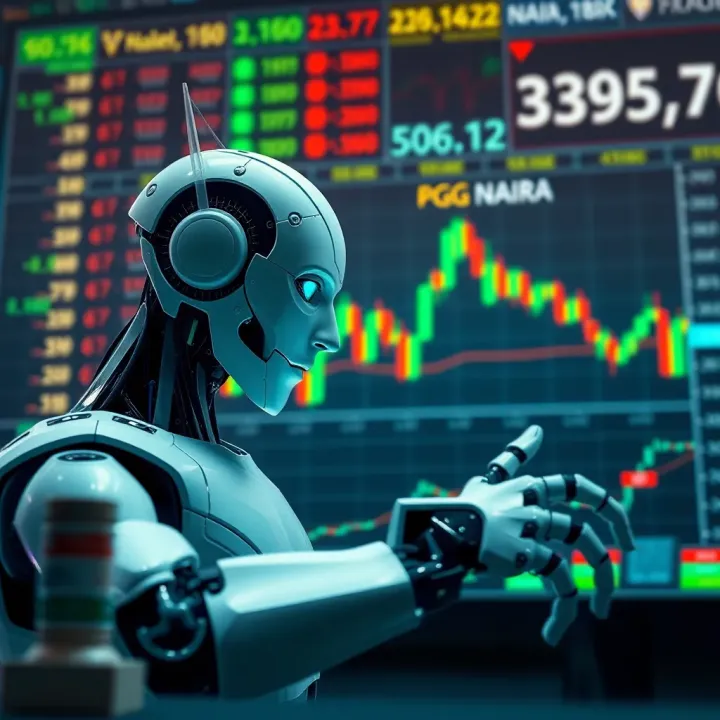
Here are key points on how Forex trading robots work:
Algorithmic Trading: Robots follow coded instructions reflecting specific strategies.
Speed and Efficiency: They scan large data sets and act quickly to execute trades.
Backtesting: Prior to live use, strategies are tested against historical price data.
Many Nigerian traders find Forex robots helpful to manage trades during periods of local market uncertainty, such as during ember months or after major political events.
However, these robots are not magic bullets. They depend entirely on the quality and relevance of the programming. Poorly configured bots can lead to losses, especially in markets as dynamic as Forex. Therefore, choosing a robot requires attention to performance history, settings adaptability, and compatibility with Nigerian Forex brokers.
Practical applications in Nigeria often include integrating robots with popular platforms like MetaTrader 4 or 5, connected to local brokers like Alaroye Capital or FXTM Nigeria. Traders must also account for risks linked to unstable internet connections and local power outages which could disrupt automated trading.
This guide aims to help Nigerian traders grasp the workings, pros and cons, and selection criteria for Forex trading robots, offering an edge in the market while avoiding common pitfalls.
Understanding how Forex trading robots function is essential for Nigerian traders who want to automate their trades confidently. These software programs analyse the Forex market and execute trades without manual intervention, saving time and reducing emotional errors. Their operation combines algorithms, data processing, and pre-set strategies to respond quickly to market changes.
A Forex trading robot is a computer program designed to automatically analyse currency pairs and place trades based on predefined rules. Unlike manual trading where you watch charts and make decisions personally, the robot scans market data to identify entry and exit points. For example, a robot programmed to trade USD/NGN might buy when specific technical indicators align, all without internet lag or fatigue affecting its performance.
These robots operate with key components like the trading algorithm, data input modules, and execution commands. Algorithms use mathematical models such as moving averages, RSI (Relative Strength Index), or Bollinger Bands to spot trends or reversals. The algorithm's quality decides how precisely the robot predicts market moves. For you as a trader, a well-built algorithm means the difference between consistent profits and needless losses.
Forex robots process large volumes of real-time data, including price movements, volume, and sometimes economic news feeds. They detect patterns and signals that might be too fast or complex for human traders. Nigerian traders facing tight schedules can benefit as the robot keeps watch 24/7, reacting instantly to sudden Naira exchange rate shifts or global currency pair fluctuations, ensuring no opportunities slip away.
One main advantage is automatic trade execution: once conditions are met, the robot immediately opens or closes trades without delay. This speed is vital, especially considering how quickly Forex rates can change — in Lagos markets, prices might shift while you’re stuck in traffic, but the robot trades on your behalf effortlessly.
Most robots offer strategy customisation, letting you set parameters such as trade size, stop-loss levels, and preferred currency pairs. You can tailor it to your risk appetite or market outlook. For instance, a trader focusing on safer moves can limit the number of trades per day, while a more aggressive trader might allow the robot to open multiple positions.
Effective robots include risk management options like stop-loss orders, take-profit targets, and maximum drawdown limits. This protects your capital by automatically halting trades if losses mount, avoiding the common pitfall of chasing bad trades. Nigerian traders dealing with naira volatility can especially appreciate these features for controlling exposure.
Using Forex trading robots doesn’t mean handing over your portfolio to chance. Instead, it’s about setting smart rules and letting the technology handle execution consistently and swiftly.
By knowing how these robots operate, you can make smarter choices, avoid scams, and improve your trading results in an unpredictable Forex environment.
Understanding both the benefits and limitations of Forex trading robots is vital for Nigerian traders seeking to improve their strategy. These tools can automate trades and reduce manual effort, but they come with risks that demand caution. Knowing the strengths and drawbacks helps you make smarter decisions and safeguards your ₦ investments.
Eliminating emotional trading
One key advantage of using trading robots is their capacity to remove emotion from trading decisions. In Forex, human traders often let fear or greed influence their actions, leading to poor timing or overtrading. A robot, however, follows programmed rules strictly, so it buys or sells based on data rather than feelings. For instance, during volatile periods like the Nigerian Central Bank policy announcements, a robot remains steady while a human trader might panic.
Working round the clock
Forex markets operate 24 hours across different global time zones, but no individual trader can monitor prices constantly. Trading robots fill this gap by operating tirelessly, executing trades even when you are asleep or away. This non-stop activity ensures no opportunity is missed, which is especially useful for Nigerian traders who might be busy with daily jobs or other responsibilities.
Speed and precision in trade execution
Robots can act on market signals within milliseconds, much faster than any human can react. This speed means trades can enter and exit positions at optimal prices, maximising profits and limiting losses. Nigerian traders benefit especially on fast-moving currency pairs like USD/NGN, where a few seconds make a big difference. Furthermore, robots execute multiple trades simultaneously without errors, something difficult for manual trading.
Over-reliance on automated tools
While Forex robots offer convenience, depending on them completely can be dangerous. Markets sometimes behave irrationally, and if you let the robot trade without supervision, you may miss warning signs that require manual intervention. For example, sudden geopolitical events in West Africa can disrupt market trends unpredictably. Nigerian traders should use robots to assist their strategies rather than replace personal judgement.
Possibility of software bugs or failures
Like any software, trading robots may encounter bugs or technical faults that lead to wrong trades or no trades at all. Network disruptions common in Nigeria or unexpected errors in the robot's code might cause losses. A Nigerian trader once faced a situation where power fluctuations affected their PC running the robot, leading to missed stop-loss orders. Always ensure you can monitor your trading bot and update it regularly to avoid such pitfalls.
Adapting to unpredictable market changes
Forex robots operate based on historical data and predefined rules, so they may struggle to adapt when markets experience rare or unprecedented events. For example, during the COVID-19 pandemic, many automated systems failed as volatility spiked unpredictably. Nigerian traders using robots must be aware that past success doesn't guarantee future results, and they should be ready to tweak or pause their robots during unusual market phases.
Using Forex trading robots wisely means balancing their efficiency with active oversight—especially in Nigeria’s dynamic market environment. This approach protects your investments and maximises the robots’ benefits while minimising risks.
In summary, trading robots can help Nigerian Forex traders by removing emotional bias, working nonstop, and executing trades fast and precisely. However, these tools aren't foolproof; overdependence and technical hiccups can cause trouble. Staying alert, monitoring performance, and adapting to market changes remain critical for Forex success, even when relying on automation.
Selecting the right Forex trading robot is crucial for Nigerian traders who want consistent results and proper risk management in volatile markets. With many options flooding the market, a well-informed choice can save you from losses and frustrations. Understanding the robot’s reliability, cost structure, and legal standing helps you avoid scams and pick a tool that suits your trading style and budget.
Always start by examining the robot’s proven track record. Trusted Forex robots provide transparent, verified statements showing historical trades and profits. For instance, some well-known services link their performance to public third-party accounts like Myfxbook or FXBlue, which anyone can audit. Nigerian traders should be wary of vendors who only offer screenshots or unverified claims, as these can be easily manipulated.
Backtesting involves running the robot’s strategy on past market data to assess potential performance. While backtesting results don’t guarantee future success, they reveal how the robot handles various market conditions, including high volatility or low liquidity periods common in Forex. Look out for robots with thorough backtesting across different time frames and currency pairs relevant to the Nigerian market, such as USD/NGN or EUR/USD.
The background and reputation of the robot’s developer directly impact the software’s quality and support. Established developers often maintain community forums or support channels where users share experiences. Nigerian traders should seek robots from developers with a visible track record, clear communication, and a history of updating the software to adapt to market changes. Avoid opaque sellers with little information or glowing testimonials likely to be fake.
Forex robots generally come with either a one-time fee or subscription plans. A one-off purchase might appeal if you want to avoid recurring costs; however, some subscription models include ongoing updates and better support, which is vital to handle market shifts. For example, a Nigerian trader paying ₦50,000 once might find a ₦10,000 monthly subscription more manageable if it ensures regular software improvements.
Choosing robots that offer trial periods or money-back guarantees gives you a safety net. These arrangements let you test the software’s compatibility with your broker and real market conditions without fully committing. Many Nigerian platforms now require this before convincing traders to invest, helping reduce risks linked to unfamiliar technology.
Ensure the robot complies with Nigerian and international trading regulations. Some Forex robots are licensed or registered with regulatory bodies (like the Securities and Exchange Commission Nigeria or foreign regulators), confirming they meet certain standards. Operating with licensed software protects you from legal troubles and provides recourse if things go wrong. Always confirm that your Nigerian broker also supports automated trading and complies with Central Bank of Nigeria (CBN) policies.
Selecting the right Forex robot isn’t just about bells and whistles. It’s about verifying performance, understanding costs, and staying within legal boundaries to protect your hard-earned naira.
Making an informed choice can mean the difference between steady growth and costly mistakes in Forex trading.
Using Forex trading robots effectively requires more than just picking any software. Nigerian traders must understand how to integrate these tools within the local trading environment to optimise results and avoid pitfalls. These robots rely heavily on their connection with brokers and platforms, so compatibility and local nuances matter greatly. Monitoring robot performance regularly is equally important to stay ahead of market shifts.
Selecting compatible brokers is a key step for Nigerian traders. Not all brokers support automated trading or allow the execution of robot strategies, so confirming compatibility before committing funds is crucial. For example, brokers like FXTM and OctaFX, popular in Nigeria, offer platform support for robots like MetaTrader 4 (MT4) and MetaTrader 5 (MT5). Choosing brokers that provide direct access to these trading terminals ensures smooth robot operation and fewer technical hitches.
Using brokers regulated by credible bodies also adds a layer of security. Nigerian traders should seek brokers with clean records and preferably some local presence to ease transaction issues. This knowledge avoids being caught up with dubious platforms that might block robot activity or have hidden charges.
Using popular Nigerian Forex platforms helps with accessibility and trust. Platforms such as MT4 and MT5 remain favourites due to their sophisticated robot integration and user-friendly interfaces. Many Nigerian traders also depend on local fintech innovations and payment solutions that link directly to these platforms, making fund management seamless. Platforms offering mobile apps tailored for Nigerian internet conditions make managing trades and robots straightforward, even during power outages or data limits.
In addition, some Nigerian Forex education hubs and brokerages circulate robot-ready setups that particularly suit local market conditions. Customising robots through these channels can improve strategy effectiveness, making local platforms valuable beyond just trade execution.
Managing deposits and withdrawals in naira is another practical concern. Many Nigerian brokers and platforms now allow transactions directly in ₦, removing forex conversion hassles and extra fees. Using payment gateways like Paystack, Flutterwave, or bank transfers to fund trading accounts simplifies interactions with Forex robots.
Since Forex robots automatically trade based on account balances, prompt and reliable deposit and withdrawal processing lowers risks of missed market moves. Traders should verify that brokers process ₦ withdrawals swiftly as delays can impact liquidity and the robot’s trading capacity.
Regular performance checks of your Forex robot are non-negotiable. Market conditions can change quickly, especially with Nigeria’s sensitivity to global economic shifts and commodity price swings. Without monitoring, a robot might continue applying outdated strategies leading to losses.
Traders should review robot trade logs, win-loss ratios, and drawdown figures weekly. Many MT4 and MT5 platforms provide these statistics. Spotting patterns of underperformance early allows for timely tweaks or pausing the robot before significant damage occurs.
Updating strategies with market conditions ensures your robot adapts rather than becomes obsolete. For example, during periods of high naira volatility or Central Bank of Nigeria (CBN) policy shifts, strategies built on stable currency assumptions may falter. Manual adjustments aligning robot parameters with these realities, like tightening stop-loss or reducing trade frequency, protect your capital.
Some advanced robots allow setting dynamic conditions or linking with news feeds to respond to economic announcements. Nigerian traders can benefit by configuring these options to incorporate local market peculiarities.
Avoiding total automation reliance is critical. While Forex robots handle execution and data analysis swiftly, Nigeria’s trading environment still demands human oversight. Power outages, internet fluctuations, and sudden regulatory changes can affect performance.
Keep an active role by cross-checking robot decisions, maintaining updated knowledge of Forex news, and being ready to take manual control. A common scenario is disabling a robot during volatile ember months to prevent unexpected losses stepping from erratic market behaviour.
Successful use of Forex robots in Nigeria blends smart integration with local brokers, constant performance review, and prudent manual intervention. This balance turns robots from mere tools into genuine trading partners.
Through these best practices, Nigerian traders position themselves to maximise the benefits of Forex trading robots while mitigating common risks unique to their context. Proper platform choice, vigilant monitoring, and adaptability remain the cornerstones of fruitful automation in the vibrant Nigerian Forex space.
The regulatory environment shapes how Forex trading robots are developed, sold, and used within Nigeria. Understanding these rules helps traders stay compliant and avoid legal pitfalls. Equally, ethical use centres on ensuring fair play and transparency, which protect individual traders and the overall market integrity.
In Nigeria, the Central Bank of Nigeria (CBN) oversees Forex trading as part of its broader mandate to regulate the financial sector. Automated trading systems, including Forex trading robots, must comply with these regulations, such as restrictions on foreign exchange dealings and requirements for registered brokers. For instance, not all brokerages in Nigeria permit the use of robots on their platforms, so traders must confirm their broker's policies before deploying such tools. Trading with unapproved robots can lead to blocked accounts or loss of funds, so understanding the legal landscape upfront avoids costly mistakes.
Profits from Forex trading, whether manually done or via robots, attract tax under Nigeria’s laws. Traders should keep thorough records of automated trades, as these will be necessary for accurate reporting to the Federal Inland Revenue Service (FIRS). Unfortunately, many Nigerian traders neglect this, risking penalties for tax evasion. A good practice is to maintain detailed logs or use platforms that automatically generate trade summaries. Being tax-compliant also gives traders peace of mind, especially if the Nigeria Customs Service or other agencies request financial disclosures.
Forex trading robots are a ripe target for scams in Nigeria’s online trading space. The CBN, alongside bodies like the Securities and Exchange Commission (SEC), warn against unverified Forex robots promising unrealistic returns. Traders should always verify the robot’s source, developer credentials, and trace past performance on trusted sites before investing. For example, some robots sold through unofficial channels disappear after draining users’ accounts. Awareness and vigilance significantly reduce the chance of falling victim to fraud.
Ethical trading involves respecting the market’s fairness and avoiding manipulative practices. Using Forex robots responsibly means not deploying strategies that exploit loopholes or create artificial price movements. Such actions distort the market, harming honest traders and could breach regulatory standards. Nigerian traders must prioritise integrity to sustain a healthy Forex environment that benefits all participants.
Black-box robots operate without revealing how their algorithms or decisions work. For Nigerian traders, this lack of transparency raises red flags. Relying on black-box systems can lead to unexpected losses, especially if the robot makes decisions based on undisclosed or flawed logic. Ethical use demands choosing robots with clear, verifiable strategies and avoiding those that conceal their operations. This approach helps traders understand risks and adapt strategies when markets change.
Transparency promotes trust both between traders and the broader market. Nigerian Forex communities and educators often stress sharing knowledge about how trading robots work, their limitations, and risks. Ethical traders also seek continual learning instead of blindly trusting automated systems. Efforts like webinars, workshops, and published guides help uplift the trader community by demystifying automation. This way, Nigerian traders make informed decisions rather than chasing quick wins that may never materialise.
Staying within the legal framework and committing to ethical trade practices not only protects individual profits but also contributes to a robust and trustworthy Forex market in Nigeria.
In sum, grasping the regulatory and ethical landscape is vital for any Nigerian trader wanting to use Forex trading robots. It avoids legal headaches while building a strong foundation for long-term success.
🌍 Explore forex trading in Nigeria with tips on markets, strategies, brokers, leverage, risk management, and overcoming common challenges. 📈💡
Explore practical tips and essential forex trading strategies for Nigerian traders 🌍. Learn key market factors, risk management, and regulation insights to trade confidently 📈.

📊 Understand the forex trading certificate, its benefits, recognised Nigerian institutions, and how to boost your trading skills and credibility in Nigeria's fast-growing forex market.
📊 Master forex trading in Nigeria with practical tips on strategies, risk checks, legal matters & tools. Start smart, invest wisely, and grow your ₦ safely!
Based on 12 reviews