
Understanding Binary Options for Nigerian Investors
📊 Learn how binary options work and the risks involved for Nigerians. Discover practical tips and decide if this investment suits your ₦ strategy confidently.
Edited By
Sophie Mitchell
Trading binary options in Nigeria has gained popularity among many investors looking for quick returns with relatively simple methods. However, success in this fast-paced market depends on understanding what binary options entail, choosing reliable platforms, and applying smart strategies. Without these, many traders risk losing their capital quickly.
Binary options are financial instruments where you predict if an asset’s price will rise or fall within a fixed time frame. For instance, you could wager ₦10,000 on whether the price of oil or a particular stock will increase or drop within 30 minutes. If you guess right, you earn a fixed profit, commonly 70-90%. If wrong, you lose the initial stake.

Binary options have a clear expiration time, often ranging from 1 minute to several hours.
You do not actually own the underlying asset but bet on price direction.
Payouts are fixed; no partial profits or losses beyond your wager.
Be careful: this market carries significant risks, especially with unregulated brokers. Avoid platforms without clear Nigerian regulatory compliance or strong reputation.
Choosing the right platform is crucial. Some reputable brokers serve Nigerian traders well, offering payment methods in naira and customer support in English. Check for brokers registered with Nigeria’s Securities and Exchange Commission (SEC) or recognised international bodies. Popular platforms often include well-known global names adapted for Nigerians, providing mobile-friendly interfaces.
Developing a trading strategy will improve your chances. Many traders use basic patterns such as following market trends, analysing news that affect Nigerian industries like oil or banking, or using technical indicators like moving averages. For example, if the Nigerian Stock Exchange All-Share Index shows a rising trend, placing a call option on major bank stocks might be wise.
Lastly, risk management matters more than anything. Only risk what you can afford to lose, set limits on daily trades, and don’t chase losses. Using just 1-5% of your trading capital per trade helps you survive the volatile market longer.
This article will guide you through practical steps to trade binary options successfully in Nigeria, focusing on regulated platforms, effective strategies, and managing risks responsibly.
Grasping how binary options function is essential for anyone ready to trade successfully in Nigeria's fast-moving financial environment. Without a solid understanding, traders risk losing money or falling for unreliable platforms. This section breaks down what binary options are, the trading process, asset types involved, and the key pros and cons you need to consider.
Binary options are financial contracts where you predict the price movement of an asset within a set period. The outcome is binary—either you earn a fixed payout if your prediction is right, or you lose your investment if it's wrong. For example, you might bet that the price of Nigerian oil futures will be above $70 per barrel in 30 minutes. If it is, you get a set return; if not, your stake is lost.
Trading binary options involves choosing an asset, selecting a strike price and expiry time, then predicting whether the asset’s price will rise or fall. Nigerian traders commonly use online platforms with simple interfaces where these steps happen with a few clicks. The predict-and-wait nature makes it appealing for many, but timing and market knowledge are crucial to succeed.
Traders in Nigeria usually deal with assets such as currency pairs (like USD/NGN), commodities (oil, gold), stocks of major companies (MTN, Dangote), and indexes (NGX30). Understanding how these markets behave locally and internationally can improve your chances. For instance, fluctuating global oil prices directly impact Nigeria's economy and can influence related binary options trades.
Binary options offer a chance to make profits quickly, often within minutes or hours. This fast turnaround appeals especially to younger traders in Lagos or Abuja who want immediate feedback and income opportunities without long-term market exposure. An active trader might earn 70–90% profits on successful trades, which sounds quite attractive compared to standard stock market investments.
This quick profit potential comes with significant risk. The "all or nothing" nature means your entire investment per trade can vanish fast. Unlike regular trading where you can sell at a loss or hold for recovery, binary options do not provide this flexibility. Unpredictable market swings and lack of regulation in some platforms accessible in Nigeria increase scam risks or unfair practices.
Prudent traders treat binary options as a high-risk tool rather than a steady income source. It’s best to start with demo accounts offered by platforms to build confidence without financial loss. Setting clear limits on how much of your capital you risk is vital. Plus, combining binary options trading with solid strategies like trend analysis or economic news tracking can steer you away from guesswork and reduce reckless bets.
Knowing exactly how binary options function puts you in control. It helps to avoid rash decisions and positions you to trade smarter, especially within Nigeria's unique marketplace where volatility and regulatory changes can impact outcomes materially.
Selecting the right binary options trading platform is a key step for anyone serious about trading in Nigeria. Your choice affects not only access to assets and market reliability but also the safety of your funds and ease of use. With many platforms crowding the market, knowing what to look out for helps you trade confidently and avoid costly mistakes.
Regulatory compliance is non-negotiable when choosing a trading platform. A platform regulated by recognised bodies like the Securities and Exchange Commission (SEC) Nigeria or international authorities such as the Financial Conduct Authority (FCA) ensures some level of investor protection. Trading platforms that operate outside regulatory oversight expose you to significant risks, including sudden shutdowns and fraud.
Security measures also matter. Platforms should use encryption technologies, secure login protocols, and offer two-factor authentication to keep your account and personal data safe. Since cybercrime is rampant, opting for a platform with visible security standards protects you from hacking and fund theft.
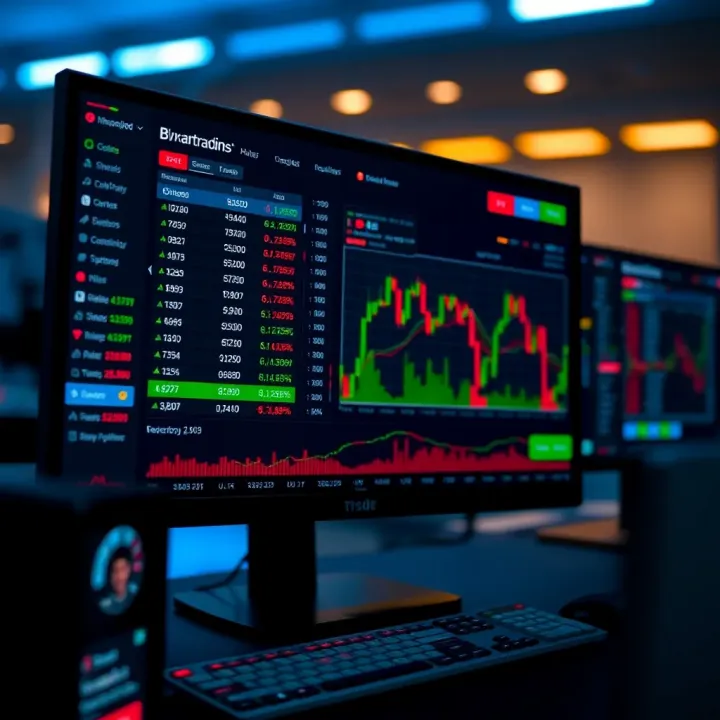
An intuitive user interface makes a world of difference. A clean, easy-to-navigate platform reduces errors in executing trades and helps you respond quickly to market changes. Look for platforms with clear charts, straightforward order placement buttons, and dashboards that summarise your trades and balance effectively.
Accessibility also includes mobile compatibility. Since many Nigerians rely on smartphones for internet access, platforms that provide stable mobile apps or mobile-friendly websites offer convenience. Fast loading times and offline support during network disruptions further improve the trading experience.
Wide payment options matter in Nigeria’s diverse financial ecosystem. Platforms supporting local methods like bank transfers, card payments, and popular mobile wallets (such as Paga or OPay) simplify deposits and withdrawals. The ability to fund your account in Naira without unnecessary currency conversion hassles is a plus.
Beyond options, transaction speed is crucial. Delays in deposits or withdrawals can disrupt your trading plans or cause losses, especially in short-term binary options trading. Platforms that process payments quickly and transparently help you manage your funds better.
Nigerian traders have access to both local and international platforms. International platforms like IQ Option and Binomo are popular due to their established presence and variety of assets. Meanwhile, local platforms emerging in the fintech space often tailor their services to Nigerian market realities, offering support in local languages, customer service during Nigerian business hours, and local payment integrations.
Choosing between these depends on convenience, trust, and the range of assets you prefer. Some traders use international platforms for broader markets but keep an eye on local alternatives gaining traction.
Reputation assessment should be part of your due diligence. Check multiple sources like financial forums, reviews on Nairametrics or TechCabal, and feedback on social media platforms. Be wary of platforms with too-good-to-be-true offers or those lacking transparency about fees and terms.
Moreover, test platforms using demo accounts before committing real money. This hands-on experience reveals usability, support responsiveness, and any hidden issues. Trusted platforms are open about their operations and have visible registration or licence information.
Choosing the right binary options platform in Nigeria means securing your funds, enabling smooth trade execution, and aligning with reliable service providers. Don't rush; your choice can make all the difference to your trading success.
Developing a clear trading strategy is essential for anyone serious about succeeding in binary options, especially within Nigeria's unique market conditions. Without a strategy, trading becomes more like guesswork, exposing you to unnecessary risks and unpredictable losses. A good approach defines when to enter a trade, when to exit, and how much capital to commit, which together help you maintain discipline and improve your chances of consistent returns.
This strategy focuses on identifying the prevailing market direction and trading in line with it. If the price of an asset is steadily rising, you place a 'call' option anticipating the continuation of the upward movement. Conversely, during a downward trend, you’d place a 'put' option. In Nigeria, where markets can react sharply to political announcements or economic policy shifts, trend following helps traders catch sustained movements rather than reacting to noise. For example, if the price of oil futures is climbing due to rising global demand, trend followers would look to capitalise on this momentum.
Range trading involves buying and selling within a well-established price band or range. Instead of betting on trends, you trade when the asset price bounces between support and resistance levels. Nigeria’s stock or commodity markets sometimes show sideways price action during periods of economic uncertainty. Traders who spot this might execute options expecting the price to remain within these boundaries over a short period. For instance, if the NGX ASI (Nigerian Exchange All-Share Index) fluctuates between two price levels for days, buying a 'call' near the bottom and a 'put' near the top can work well.
This strategy uses market-moving news as a trigger for trades. Nigerian markets are very sensitive to events like CBN policy changes, fuel subsidy reviews, or election results. Traders watch the news closely and react quickly, placing options that anticipate a sharp price move. For example, when the CBN adjusts the monetary policy rate, currency and equity prices often swing immediately, offering short windows for profitable binary options.
Modern trading relies heavily on technical indicators like moving averages (MA), the Relative Strength Index (RSI), and Bollinger Bands. These tools help you pinpoint entry and exit points by analysing past price action and volume. In Nigeria, if you notice the RSI indicating an overbought condition on a particular share, it might hint at a coming correction, signalling a good moment for a 'put' option. Technical indicators complement your understanding and make trading decisions less about guesswork.
Fundamental factors unique to Nigeria play a big role in shaping asset prices. Petrol scarcity affecting transport, government budget announcements, or foreign exchange policy shifts frequently cause market volatility. For instance, disruption in oil supply can spike prices, affecting oil-related stocks and commodities. A savvy binary options trader monitors these developments, mixing local economic knowledge with technical signals to time trades properly. This dual approach helps avoid common traps that catch many beginners unaware.
A well-crafted trading strategy tailored to Nigeria’s market nuances not only increases your chances of profit but also safeguards your capital from sudden shocks common to emerging markets.
By combining basic trading strategies with thorough analysis, you build a more robust approach that increases your chances of sustained success in binary options trading.
Trading binary options without a solid approach to managing risks is like driving a danfo without brakes—disaster is almost certain. Nigerian traders need to control losses carefully to preserve capital and avoid emotional decisions under pressure. Mistakes such as chasing losses or trading impulsively can wipe out profits quickly.
Practical risk management involves setting clear limits on how much you are willing to lose and using tools like demo accounts to practise strategies without real money. This approach helps traders build confidence and refine skills before risking actual funds. Recognising common mistakes early on helps protect investments and encourages a disciplined trading mindset.
Demo accounts allow you to practise binary options trading in a risk-free environment. Many Nigerian beginners skip this step and jump straight into real trading, which can lead to costly errors. Demo trading helps you understand platform mechanics, test strategies, and get comfortable with market reactions before putting your naira on the line.
For example, a trader might test the trend-following strategy on a demo account to see how signals play out during volatile moments. This practical practice sharpens decision-making and reduces the chance of panic in actual trades.
Though binary options technically fix risk at trade entry, setting personal loss limits for daily or weekly trading is vital. Decide beforehand the maximum amount of capital you can afford to lose in a session, such as ₦10,000, and stop trading once that limit hits. This discipline prevents reckless attempts to recover losses, which often lead to even bigger deficits.
Regularly reviewing trades to identify patterns of loss also helps avoid repeating mistakes. If a certain asset performs poorly consistently, it might be wise to stay clear until conditions change.
The Nigerian binary options space has attracted scams due to limited regulation. Watch out for platforms promising guaranteed high returns with little or no risk or those pressuring you for large deposits early on. Poorly designed websites, lack of transparent contact details, and unsolicited cold calls are other warning signs.
Also, be cautious if the platform refuses to allow withdrawals or has a complex withdrawal process with hidden fees. These are common tactics to trap traders’ funds.
Always choose platforms with clear regulatory oversight, ideally those registered with reputable bodies recognised by Nigeria's Securities and Exchange Commission (SEC). Use payment methods that provide transaction records, like bank transfers or established online payment gateways.
Avoid sharing your login details and use strong, unique passwords. Regularly update your software and devices to prevent hacking risks. Lastly, begin trading with small amounts to verify the platform’s reliability before increasing your investment.
Remember, managing risks and staying alert to common mistakes is not just about preserving money—it’s about building the experience and confidence needed to succeed in Nigeria’s binary options market.
Trading binary options in Nigeria comes with legal and regulatory factors that every trader should understand. These considerations impact the safety of your investments, your legal protection, and the legitimacy of the platforms you use. Being aware of Nigeria’s regulatory environment helps you avoid scams and trading on unlicensed platforms — a common pitfall in this space.
The Securities and Exchange Commission (SEC) Nigeria is the primary regulator overseeing capital markets activities. Its role includes licensing firms, ensuring market transparency, and protecting investors from fraud. For binary options traders in Nigeria, the SEC's stance shapes which platforms are legally recognised and which are potentially operating outside the law.
Though binary options trading is gaining popularity, the SEC has not fully endorsed it within the Nigerian market. This means Nigerian traders need to be cautious and verify if the platforms they consider are either SEC-licensed or regulated internationally by credible agencies such as the Financial Conduct Authority (FCA) in the UK. Using platforms without proper oversight increases exposure to risks of fraud or unfair practices.
Currently, binary options trading operates in a grey area in Nigeria because the SEC has not explicitly authorised local operators in this space. Many traders in Nigeria access international binary options platforms—often regulated abroad rather than within Nigeria. However, this brings its own challenges, including limited recourse if disputes arise.
Moreover, unregulated platforms abound and have been linked to fraudulent activities. Nigerian traders must therefore conduct thorough due diligence, focusing on platform transparency, regulation status, and user reviews before committing funds. Understanding this status helps safeguard your capital against dubious schemes.
The Federal Inland Revenue Service (FIRS) treats income from trading activities, including binary options, as taxable. Profits earned through trading are subject to Personal Income Tax or Companies Income Tax depending on whether you trade as an individual or a corporate entity. Although guidelines are not always explicit on binary options, they fall under the broader category of investment income.
Traders should keep accurate records of all trades, gains, and losses. This documentation is essential for declaring taxable income accurately and avoiding complications during tax assessments or audits.
Reporting trading income involves including your gains in the annual tax returns submitted to FIRS. For individuals, this would be on the Self Assessment Tax Return. Businesses must account for trading profits in their financial statements and tax filings.
Failure to report trading income or attempts to hide profits can attract penalties. To stay compliant, consult a tax professional familiar with digital trading and investments within Nigeria. Many traders find it helpful to maintain a separate account for trading activities to streamline record-keeping and tax reporting.
Staying aware of the legal and tax framework helps Nigerian traders avoid unnecessary risks and penalties. Proper compliance boosts confidence in trading binary options and supports long-term success.
📊 Learn how binary options work and the risks involved for Nigerians. Discover practical tips and decide if this investment suits your ₦ strategy confidently.
Explore how binary options work, key strategies, risks, legal tips 🇳🇬 and protections against scams for Nigerian investors ready to trade smart.
🔍 Navigate Nigeria's binary options market confidently! Discover top brokers, key features, secure deposits, and reliable support to trade smartly. 📈🇳🇬
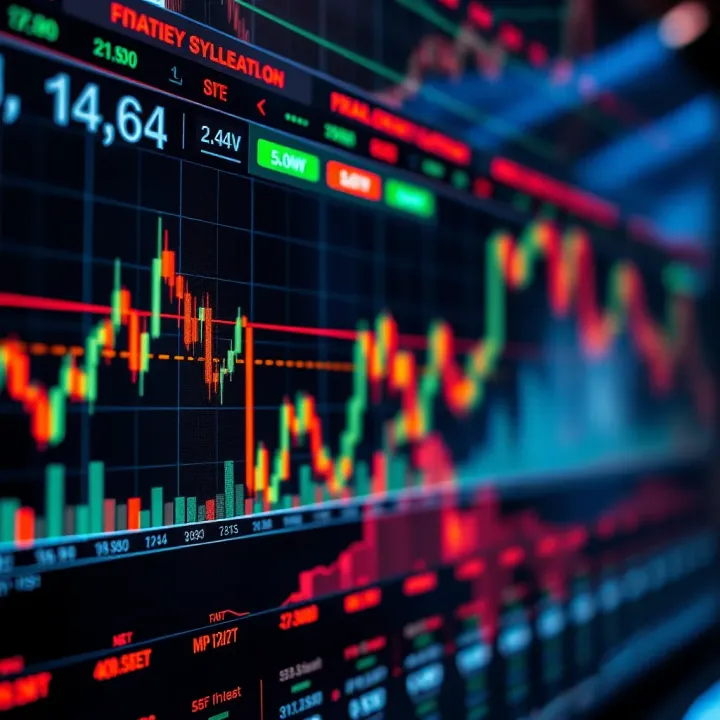
📈 Curious about binary options trading in Nigeria? Learn how to trade smart, spot risks, and protect your ₦, with tips that beginner investors should know today.
Based on 10 reviews