

Best Cryptocurrency Trading Platforms in Nigeria
🔍 Find the best cryptocurrency trading platform in Nigeria! Learn about security, fees, features, popular options, and tips for safe trading. 🛡️💰
Edited By
Ethan Green
Cryptocurrency trading has become a popular avenue for many Nigerians looking to grow their wealth amid economic uncertainty and naira volatility. With platforms like Binance, Luno, and Quidax gaining traction, it's no surprise more people are eager to understand how to trade effectively.
Trading crypto isn’t a one-size-fits-all affair. Various types of trading methods exist, each with its own strategy, risks, and time commitments. Knowing these differences matters because the approach you pick should align with your personal goals, risk level, and how much time you can invest.
Here’s a straightforward overview of the main types of cryptocurrency trading to guide your decision:
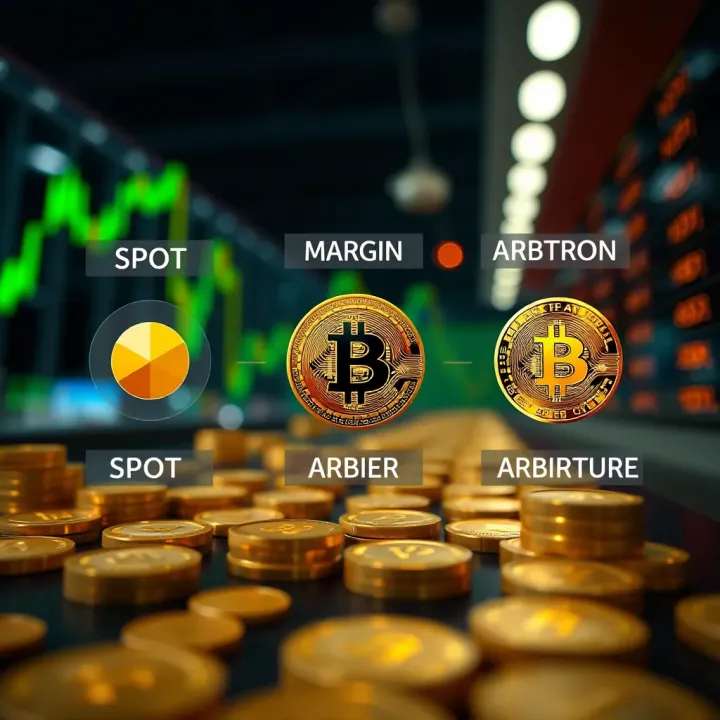
Spot Trading: This is the most straightforward form, where you buy and sell cryptocurrencies like Bitcoin or Ethereum directly at current market prices. It's ideal if you prefer owning actual coins or tokens and aren’t looking for short-term profits.
Margin Trading: Here, you trade with borrowed funds to increase your buying power. While this can amplify gains, it also magnifies losses—meaning more risk. Traders need to understand leverage and margin calls before jumping in.
Day Trading: Involves making multiple trades within a single day, capitalising on small price movements. It requires constant monitoring of the market and quick decisions.
Swing Trading: Holding assets from a few days to weeks to benefit from expected upward or downward price swings. This suits traders who cannot stay glued to their screens all day.
Arbitrage: Exploiting price differences for the same cryptocurrency across different exchanges. For example, buying Bitcoin cheaper on one platform and selling it higher on another.
Long-Term Investing: Also called "HODLing," this strategy involves buying and holding crypto for months or years, betting on its long-term value increase.
Different trading styles come with varied skill sets and exposure to risk. It’s wise to pick a method that fits your knowledge and lifestyle to handle market ups and downs confidently.
Understanding these trading types sets the stage for smarter decisions and better management of your ₦ investments in crypto. Subsequent sections will explore each method in detail with examples relevant to Nigerian traders and investors.
Cryptocurrency trading involves buying and selling digital currencies like Bitcoin, Ethereum, and emerging altcoins through various platforms. It is a fast-growing activity in Nigeria, attracting a mix of savvy traders and novices looking for different ways to grow their capital. Given the high volatility and 24/7 nature of crypto markets, understanding this overview is vital for making informed decisions and avoiding costly mistakes.
At its core, cryptocurrency trading means exchanging one digital currency for another or for fiat money, usually through exchanges like Binance, Luno, or local platforms such as BuyCoins and Quidax. Trades can range from simple spot purchases to complex margin trades using borrowed funds. For example, a trader might buy Bitcoin at ₦15 million per coin and sell hours later if the price rises to ₦15.5 million to make a profit. The market runs non-stop, unlike traditional stock exchanges, requiring constant attention or good automation techniques.
Beyond simple buying and selling, trading involves analysing price charts, news, and indicators to predict market movements. Traders use strategies like day trading, swing trading, or arbitrage that each require different risk tolerance and time commitment. Understanding how these strategies operate helps Nigerians tailor their approach to fit local market realities, such as power outages that disrupt internet connectivity or Naira exchange rate fluctuations.
Before diving into crypto trading, several key considerations must be addressed. First, risk management is essential; the market’s wild swings can lead to gains but also severe losses. Setting stop-loss orders or only risking a small portion of your capital can help protect against devastation.
Second, security is a major concern. Using reputable exchanges with strong security measures and enabling two-factor authentication is non-negotiable. Many Nigerian traders have lost funds to hacks due to weak security practices.
Third, understanding fees and liquidity helps optimise profits. Different platforms charge varying fees for transactions and withdrawals, and some coins may be harder to sell quickly without affecting the price.
Finally, keep regulatory developments in mind. While the Central Bank of Nigeria (CBN) has taken a cautious stance, crypto activities continue, and staying updated on new rules helps traders act within legal frameworks.
Successful trading in Nigeria requires balancing ambition with caution—knowing the market mechanics, managing risks, and adapting to local challenges increases chances of steady returns.
By grasping these elements, crypto traders can navigate Nigeria’s unique environment more effectively, making the most of opportunities while protecting their investments.
Spot trading remains the most straightforward and popular method for buying and selling cryptocurrencies in Nigeria. It's the process where traders exchange crypto assets for immediate settlement, meaning the transaction happens "on the spot" without delays. This style suits newcomers and experienced traders who want direct exposure to crypto markets without complex financial instruments.
In spot trading, you buy or sell cryptocurrencies at the current market price, known as the spot price. For example, if you want to buy Bitcoin (BTC), you pay ₦20 million based on the prevailing market rate, and the BTC is credited to your digital wallet instantly. Similarly, selling your crypto assets means you exchange them directly for Nigerian naira (₦) or other cryptocurrencies. This trade happens on exchanges or peer-to-peer platforms, and ownership transfers immediately without borrowing or contracts.
Commonly, spot trading uses a simple order book system where buyers and sellers set their prices. Once matched, the system executes the trade instantly. It's like buying a tomato at a market stall: you pay the seller upfront and receive the goods right away.
Spot trading offers clarity and control to investors. Since you're dealing directly with crypto ownership, no leverage or margin increases your risk exposure. This method is transparent and easier to track in terms of profits or losses.
However, spot trading also comes with market risks. Cryptocurrency prices can swing wildly within minutes or hours. A trader who buys at ₦20 million per BTC could see that value drop to ₦18 million the next day. Unlike margin trading, where losses can amplify due to borrowing, spot trading limits you to your actual investment. Still, caution is necessary, especially in volatile markets.
Nigerian traders have access to various platforms optimised for spot trading. Local and international crypto exchanges provide user-friendly interfaces and secure wallets. Noteworthy examples include:
Binance: Offers a wide range of cryptocurrencies with low fees and fast transactions. Many Nigerians trust Binance for spot trades due to its liquidity and local payment options.
Luno: A platform with a strong Nigerian presence, providing easy deposit and withdrawal directly to Nigerian bank accounts.
Bundle Africa: A social payment app tailored for Nigerians that supports straightforward spot buying and selling of popular cryptos.
Beyond these, peer-to-peer networks like Paxful allow Nigerians to trade crypto directly with one another, often using naira bank transfers or mobile money.
Spot trading is ideal for those who want to hold actual crypto assets, avoid the complexities of leveraged positions, and prefer instant ownership transfer.
Understanding spot trading lays the foundation for exploring more advanced trading strategies, especially if you consider how volatility can affect your investment in direct purchases or sales of cryptocurrencies.
Margin trading offers a chance for crypto traders to increase their buying power by borrowing funds to invest more than their actual capital. In Nigeria's bustling crypto market, this method attracts those looking to multiply returns quickly but it also raises risks significantly. Through margin trading, you use leverage to control larger positions with less upfront money, which can either boost your gains or deepen losses.
Margin trading means borrowing capital from a broker or platform to amplify your position in a cryptocurrency. For example, with 10x leverage, a ₦10,000 investment controls ₦100,000 worth of crypto. While you only put down a fraction, your exposure and potential profit multiply accordingly. However, realizing these profits relies on the crypto's price moving favourably. Margin calls occur if the market swings against you beyond a safety level, forcing you to add funds or close positions, which may lock in losses.
Using leverage can magnify losses just as much as profits. In the volatile Nigerian crypto space, sudden price drops—common during ember months or political uncertainty—can wipe out your margin fast. Apart from losing your initial stake, you might end up owing more to the platform if prices plunge sharply. It's essential to remember that trading with leverage isn't a guaranteed way to earn big; it’s risky and requires close monitoring. Also, fees and interest on borrowed funds add up, which can erode gains over time.
Margin trading isn't for the faint-hearted; it's a double-edged sword that can quickly cut deep if used carelessly.
First, always understand your platform’s margin requirements and liquidation procedures—these vary across exchanges like Binance or Luno Nigeria. Start with low leverage ratios, such as 2x or 3x, to limit exposure while you learn. Use stop-loss orders to cap potential losses and avoid emotional reactions during sudden market swings. Keeping a close eye on Nigerian market factors like naira fluctuations, power supply issues affecting transaction timing, or regulatory news is crucial. Finally, never trade with borrowed money you can’t afford to lose; margin trading should complement a well-planned strategy rather than replace disciplined investing.
By grasping the balance between opportunity and risk in margin trading, Nigerian traders can better navigate this high-stakes avenue to grow their crypto portfolio responsibly.
Short-term trading strategies such as day trading and swing trading offer fast-paced ways to capitalise on cryptocurrency market movements. Nigerian traders especially find these approaches attractive due to the volatile nature of crypto assets and the opportunity to generate profits within hours or days. By understanding how to execute these strategies carefully, traders can react quickly to market trends while managing risks effectively.
Day trading involves buying and selling cryptocurrencies within the same day, often closing positions before the market closes to avoid overnight risks. This method suits traders who can monitor the market closely throughout the day, using quick decision-making to exploit price fluctuations. For example, a trader might buy Bitcoin (BTC) when the price dips in the morning and sell by afternoon after a slight recovery. However, a successful day trader must stay alert to sudden shifts caused by news events or market sentiment, which are common in Nigeria's crypto scene.
Swing trading differs by holding positions for several days or weeks to capture trends that develop over a medium term. This strategy is less hectic than day trading but still requires close observation of market signals. Suppose Ethereum (ETH) shows signs of rising steadily due to local or global tech developments; a swing trader buys and holds for the uptrend, selling once momentum fades. Swing trading suits Nigerians who want to balance trading with daily jobs since it demands less constant attention but still offers worthwhile profit potential.
To make informed decisions, short-term traders rely on technical tools and indicators that highlight price movements and market momentum. Popular options include:
Moving Averages (MA): Shows average price over set periods, helping identify trends.
Relative Strength Index (RSI): Measures whether an asset is overbought or oversold, signalling possible reversals.
MACD (Moving Average Convergence Divergence): Indicates trend direction and strength through moving average crossovers.
Volume Analysis: Tracks transaction volume to confirm price trends.
Using trading platforms like Binance or Luno Nigeria, traders combine these indicators with charts to plan entry and exit points. Nigerian traders often embed mobile alerts for key indicator levels due to fluctuating power and internet access.
For short-term trading to succeed, discipline in sticking to strategy and managing losses through stop-loss orders is vital. Overtrading or chasing quick wins without proper signals often leads to losses.
In sum, day trading offers quick gains but requires intense focus, while swing trading provides more breathing space with moderate profit opportunities. Both strategies, backed by reliable tools, can suit Nigerian traders who adapt to the local market's fast-changing rhythm.
Arbitrage trading offers a strategic way to earn profits by exploiting price differences for the same cryptocurrency across various exchanges. This approach is especially attractive in Nigeria's growing crypto scene, where market inefficiencies can provide unique trading opportunities. Rather than speculating on price direction, arbitrage focuses on buying low in one market and selling high in another, locking in gains with speed and precision.
At its core, arbitrage relies on the existence of a price gap between exchanges. For instance, Bitcoin might trade at ₦25 million on one Nigerian platform like Binance Nigeria yet be available for ₦25.2 million on another like Luno. A trader spotting this difference could purchase Bitcoin on Binance Nigeria at the lower price and instantly sell it on Luno for a small but risk-free profit. This process can happen on local exchanges or between Nigerian platforms and international ones.
These price disparities occur due to differences in liquidity, transaction speeds, regulatory delays, or currency exchange rates. Some traders use software bots programmed to detect and act on these gaps quickly before the market corrects the imbalance.
Arbitrage depends heavily on fast execution and low transaction costs; even small delays or high fees can wipe out potential profits.
Despite its appeal, arbitrage is not without barriers in Nigeria. Firstly, the naira's instability and fluctuating exchange rates between official and parallel markets complicate cross-border arbitrage, affecting actual returns.
Secondly, withdrawal limits and delays on Nigerian exchanges can cause bottlenecks, tying up funds and making it impossible to execute timely trades. For instance, just last ember months, some traders reported delays due to increased network congestion and verification lags.
Additionally, the ever-present risk of transaction fees—both on-chain and from exchanges—may drastically reduce margins. Nigerian traders need to factor in withdrawal charges, network congestion costs (especially on Ethereum-based tokens), and any charges from banks or payment gateways.
Lastly, regulatory uncertainty poses risks. Sudden policy changes affecting crypto transactions or banking relationships can freeze funds unexpectedly, as witnessed in previous years when certain exchanges faced banking restrictions.
Successful Nigerian arbitrage traders usually combine market know-how, quick access to multiple exchange accounts, and reliable internet connections. They also watch the exchange rate spreads between USD, NGN, and stablecoins, since these influence arbitrage viability.
In summary, while arbitrage trading can be profitable for Nigerian crypto enthusiasts, it requires careful planning, fast execution, and constant market monitoring to overcome local challenges and maximise gains.
Long-term investing in cryptocurrency means buying and holding digital assets for an extended period, typically years, aiming to benefit from price appreciation over time. This approach appeals mainly to those who believe in the technology behind cryptocurrencies, such as Bitcoin (BTC) or Ethereum (ETH), and prefer to avoid the daily stress of trading. In Nigeria, where volatility is high and markets fluctuate frequently, long-term holding can be a strategic move for investors looking to grow wealth without the need to time the market constantly.
HODLing, or holding on to your crypto despite market swings, offers several practical advantages. Firstly, long-term holders avoid the costs and risks linked to frequent trading, such as transaction fees or losses from poorly timed trades. For example, during the 2021 crypto boom, investors who held Bitcoin steadily saw their ₦ investments multiply significantly, despite the later price corrections.
Secondly, HODLing allows investors to ride out short-term price fluctuations that are common in Nigeria’s crypto space. Instead of panicking during temporary dips caused by local regulations or global market shocks, long-term holders benefit from eventual market recoveries, securing gains over months or years.
Thirdly, holding supports participation in the broader adoption trend of blockchain technology. As infrastructure like Paystack, Flutterwave, and local crypto exchanges improve, the underlying value of well-established cryptos could increase. This gives long-term holders a chance to profit from Nigeria's growing digital economy.
Long-term investing turns volatility from a daily headache into an opportunity for patient wealth growth.
Before committing to a long-term crypto investment, understand a few key points:
Project Fundamentals: Research the team, use cases, and community support behind a cryptocurrency. Projects like Ethereum have strong developer backing and practical applications, making them more likely to sustain growth.
Market Risks: Nigeria's regulatory landscape can change unexpectedly, impacting crypto prices. Always monitor announcements from agencies such as the Central Bank of Nigeria (CBN) or Securities and Exchange Commission (SEC).
Security of Assets: Use cold wallets or reputable exchanges with strong security protocols to protect investments from hacks, a concern in Nigeria’s emerging crypto environment.
Diversification: Avoid putting all your funds into a single cryptocurrency. Spread your investment across different assets to reduce risk.
Exit Strategy: Plan how and when to take profits, whether timed with price targets or specific personal financial goals.
Long-term investment in crypto suits those ready to weather ups and downs while positioning themselves for potential high returns. It is a solid strategy for Nigerian investors wanting to focus on growth without the distractions of short-term market noise.
🔍 Find the best cryptocurrency trading platform in Nigeria! Learn about security, fees, features, popular options, and tips for safe trading. 🛡️💰
Find the best trading app for Nigerian investors 📱. Learn key features, types of platforms, popular choices, and tips for safe, smart trading in Nigeria 🇳🇬.

Discover top trading apps in Nigeria 🇳🇬 to grow your money safely 💰. Learn features, security tips, and trusted platforms for smart investing 📱.

📉 Explore the real risks and smart strategies of forex trading in Nigeria. Learn how market mechanics and local factors can make or break your ₦ success.
Based on 7 reviews