
Top Forex Trading PDF Books for Nigerian Traders
📚 Discover top Forex trading PDF books specially selected for Nigerian traders! Learn strategies, risk management, and where to find reliable guides to sharpen your skills.
Edited By
James Mitchell
Wallpaper forex trading has been making some noise in the Nigerian trading community, yet many still confuse it with regular forex strategies. At its core, wallpaper trading involves creating artificial signals or market patterns to mislead traders. This tactic tricks unsuspecting investors into believing that the market is moving beneficially when, in fact, it’s a manipulation designed to make them buy or sell at the wrong time.
The forex market, being largely decentralised and involving vast sums of money—often in dollars and naira—creates fertile ground for such schemes. For example, a trader might see repeated charts showing a currency pair climbing steadily, only for the market to suddenly crash after they enter a position. This sudden drop is not always due to natural price correction but sometimes deliberate market painting.
Understanding these deceptive patterns is key, especially for Nigerian traders who may be new to forex or using platforms that do not enforce strong regulatory overheads. The consequences can range from losing ₦50,000 to millions, depending on the trader’s level of exposure. Wallpaper trading strategies often rely on false breakouts, fake volume spikes, or unrealistic support and resistance levels painted to lure traders into bad decisions.
Be wary of claims boasting "guaranteed profits" or persistently smooth upward trends. Often, these can be red flags signalling wallpaper trading in action.
Security agencies like the Securities and Exchange Commission (SEC) Nigeria closely monitor such activities but the rapid growth of forex platforms and social media makes complete regulation tricky. Nigerian traders should focus on identifying genuine market trends by verifying signals across multiple sources and avoiding decisions based on a single chart or advice from unverified sources.
Practical tips include:
Cross-checking prices on trusted platforms like MT4 or Bloomberg Terminal
Following verified broker updates and official economic reports
Avoiding over-leverage, which magnifies losses when the market turns against you
By recognising wallpaper trading tactics, Nigerian forex traders can shield themselves from manipulation and make smarter investment decisions that protect their hard-earned naira. This article will further explore how these patterns appear and best practices to navigate the risky terrain.
Wallpaper forex trading refers to the practice of creating artificial or repeating price patterns on trading charts. This technique is mainly used by unscrupulous brokers or traders to give the illusion of market activity or trends that do not genuinely exist. Understanding wallpaper trading is key for any serious forex trader, especially Nigerians who face a less regulated trading environment and are vulnerable to such manipulations.
Recognising wallpaper trading helps traders avoid traps that can cause significant financial losses and damage their confidence in the forex market. By spotting these fake patterns, you can steer clear of scams and make better trading decisions.
The term "wallpaper trading" draws analogy from the way one decorates walls with repeating wallpaper patterns. In the forex context, it means generating repetitive price movements that look natural but are actually artificial. These price actions are often computer-generated or manually manipulated to create the impression of volatility or trading opportunities where there are none.
This practice originated as a means of deceiving unsuspecting traders who rely heavily on chart analysis. Instead of real market dynamics driven by supply and demand, wallpaper trading rigs the visuals to mislead traders.
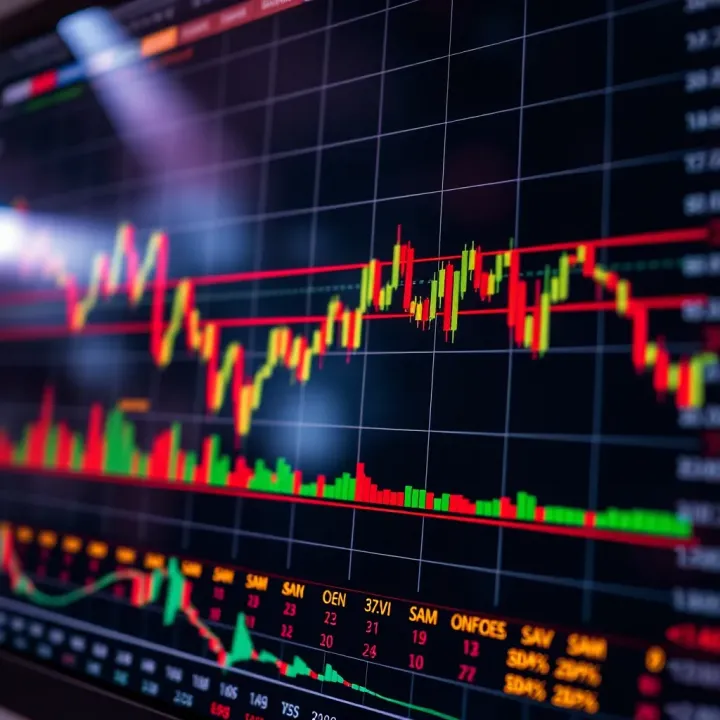
On forex charts, wallpaper trading shows up as unnaturally repeating patterns such as frequent zigzags, repeated candle shapes, or identical wave formations across different time frames. For example, you might notice the same triple top or head and shoulders pattern appearing over and over within a short period, which is unusual in real markets.
These charts may also display fake spikes or dips with little follow-through volume or fundamental backing. This tricks traders into thinking a currency pair is about to move significantly, prompting premature or ill-timed trades.
Unlike legitimate trading, where price movement reflects actual market forces such as economic data releases, supply and demand shifts, or geopolitical events, wallpaper trading creates false signals detached from these fundamentals. Genuine market fluctuations tend to be imperfect and noisy, whereas wallpaper patterns feel repetitive, mechanical, and overly smooth.
Moreover, wallpaper trading often lacks credible volume data. Real trades typically involve sizable transactions affecting liquidity, whereas wallpaper trades might show irregular or non-existent volume spikes. This absence is a red flag for traders.
Wallpaper trading is deceptive because it manipulates traders into chasing false moves, leading to misinformed decisions and financial losses. It erodes trust in brokers and the market, harming the reputation of forex trading as a whole.
For Nigerian traders, who often face challenges with broker regulation and transparency, wallpaper trading exacerbates risks. It preys on traders relying on technical analysis without access to reliable market data verification.
Awareness and education about wallpaper forex trading is crucial. It empowers you to question suspicious price patterns, verify broker credibility, and ultimately protect your investment against cunning market manipulation.
This section lays the foundation for recognising wallpaper forex trading, arming you with the insight needed to navigate the forex space more confidently.
Understanding the common techniques employed in wallpaper forex trading is key for traders seeking to safeguard their investments. This practice often involves creating misleading visual data on trading charts, which can confuse even seasoned investors. Knowing these tactics helps traders discern genuine market movements from artificial manipulations.
One widespread method in wallpaper trading is the deliberate creation of repeating chart patterns. These patterns mimic recognizable formations like head-and-shoulders or double tops but are artificial setups designed to mislead. Traders relying on technical analysis might interpret these fabricated signals as genuine buying or selling opportunities, prompting them to enter or exit positions prematurely.
For example, a forex broker using wallpaper tactics might repeatedly display bullish chart patterns on a currency pair during low liquidity periods. This gives the illusion of consistent upward momentum, encouraging traders to buy. Yet, once enough market participants commit, the price sharply reverses, causing losses for unsuspecting traders.
Wallpaper trading often involves either automated algorithms or manual interventions to generate these false chart images. Automated bots can quickly produce repetitive price movements and volumes, creating slick but fake charts within seconds. Manual methods may include traders or brokers shaping price ticks to simulate natural trends.
In Nigeria’s growing forex market, some less scrupulous brokers may rely on these tactics to boost trading volumes artificially and entice clients with seemingly profitable scenarios. Automated bots especially enable fast and seamless manipulation, making it tough for ordinary traders to spot anomalies without proper tools.
Another deceptive approach involves simulating fake trade volumes or price actions to sway trader behaviour. By inflating volume numbers or generating sudden price spikes and drops without real market orders, manipulative brokers influence perceptions of liquidity and market interest.
For instance, a broker might show an unusual surge in volume on a forex pair like USD/NGN, prompting traders to believe foreign investors are moving into the market. This can trigger a herd mentality, making more traders join in on the perceived opportunity, only to face an inevitable correction.
These manipulations prey heavily on trader psychology, especially in Nigeria, where many retail traders are still developing their market expertise. The illusion of momentum or high activity can spark excitement and fear of missing out (FOMO), pushing traders to make hasty decisions.
Such tactics exploit common behavioural biases. A trader seeing repeated bullish patterns and high volumes might ignore underlying fundamentals or risk management principles. Consequently, many suffer financial losses, especially during volatile periods typical in Nigerian markets, where external factors like naira fluctuations and regulatory news already challenge investor confidence.
Identifying these wallpaper trading techniques early can save Nigerian traders significant losses and build better resilience against market manipulation.
Wallpaper trading in the forex market carries significant risks, especially for retail traders in Nigeria. These risks do not only affect individual wallets but also jeopardise the overall trust in the forex ecosystem. Understanding these consequences helps traders navigate the market more cautiously while pushing stakeholders to improve safeguards.
Retail traders in Nigeria often operate with limited resources and less access to advanced market tools. This vulnerability makes them easy targets for wallpaper trading, where fake chart patterns lure them into poor trades. Many Nigerian traders rely on popular platforms like MetaTrader for technical analysis, and when the charts are manipulated, their decisions are based on misleading information.
In practical terms, a trader might see a strong bullish pattern on a chart caused by wallpaper trading and decide to enter a position with significant funds. Instead of gaining, the price suddenly reverses, leading to losses that could range from tens of thousands to millions of naira. There have been documented cases of online groups promoting dubious signals backed by wallpaper techniques, causing unsuspecting traders to lose sizeable portions of their investments.
Regulators like the Securities and Exchange Commission (SEC) Nigeria and the Central Bank of Nigeria (CBN) face multiple challenges in policing wallpaper trading. The blend of sophisticated software tools and the anonymity of online platforms complicates efforts to detect and sanction offenders quickly. Moreover, many forex brokers operating in Nigeria don't fully comply with local regulations, creating loopholes exploited by fraudulent players using wallpaper tactics.
This murky situation affects more than just individual accounts; it erodes the integrity of the Nigerian forex market. Trust is the backbone of any financial system. When traders frequently experience manipulated data or fake volumes, they grow cautious or outright sceptical about participating. This hesitation diminishes market liquidity and discourages new entrants, limiting market growth and overall economic benefits.
Wallpaper trading not only drains traders’ funds but also shakes confidence in the market’s fairness, making it harder for legitimate actors to thrive.
For Nigerian forex traders and investors, recognising these risks is crucial. Being cautious with signal sources, verifying broker authenticity, and demanding transparency can help reduce exposure to wallpaper scams. On the regulatory side, stronger enforcement and trader education remain key to stabilising the market and protecting both local and global investors.
Spotting wallpaper trading is vital for Nigerian traders to avoid falling into traps that could wipe out their investments quickly. Since wallpaper trading involves artificial manipulation of price charts and volumes, knowing how to identify these anomalies can save you from bad trades and financial losses. Efficient spotting also strengthens market integrity, helping Nigeria’s forex ecosystem develop more transparently.
One key sign of wallpaper trading is repetitive, unnatural chart patterns that seem too perfect or mechanical. For example, you might notice price movements forming identical shapes repeatedly with no real market reason. Those patterns often do not coincide with relevant news or economic events, which should normally influence price behaviour. If you see unnatural spikes with no volume confirmation or price moves that reverse sharply without logical cause, it’s a red flag.
Another warning is inconsistent volume. Genuine price moves usually come with corresponding volume changes. Wallpaper trading might show volume frozen or spiking artificially while price jumps, indicating fake liquidity. Nigerian traders should watch out for these anomalies, especially when using online charts from brokers known to manipulate data.
To help detect these patterns, you can use technical tools and indicators like the Relative Strength Index (RSI) and Moving Average Convergence Divergence (MACD). These tools signal unusual momentum that doesn’t align with expected market behaviour. Also, applying volume indicators can reveal price moves unsupported by real trading activity. Many Nigerian trading platforms, including MetaTrader and TradingView, offer these indicators out of the box, making monitoring easier.
Checking broker licensing and reputation is fundamental. Always trade with brokers registered by the Securities and Exchange Commission (SEC) Nigeria or internationally recognised regulators. Licensed brokers undergo periodic audits and submit reports, which reduces the chance of wallpaper trading practices. Avoid brokers without a verifiable licence or those with consistently poor reviews from Nigerian traders.
Moreover, don't rely solely on your broker's price feed. Cross-check price and volume data with multiple sources such as global forex platforms or well-known analytics services. If the price data on your broker's platform consistently deviates from market standards, it might be manipulated. For example, if your broker shows a sharp spike, but this isn’t reflected on platforms like Investing.com or Bloomberg, consider this suspicious.
Nigerian traders who take time to verify brokers and cross-check data stand a better chance of avoiding financial loss from wallpaper trading scams.
In summary, regularly observing chart patterns, using technical indicators, confirming broker credibility, and comparing data across platforms form a strong defence against wallpaper trading. Staying vigilant on these fronts boosts your ability to trade confidently and protect your capital in Nigeria’s growing forex market.
A solid regulatory framework is essential to protect Nigerian forex traders from manipulative practices like wallpaper trading. Without strong oversight, scammers can exploit market weaknesses, causing significant financial losses and undermining trust in the forex market. Regulatory bodies set the rules of engagement, monitor market activities, and enforce sanctions where necessary. This helps maintain a fair environment where legitimate trading can flourish.
The Securities and Exchange Commission (SEC Nigeria) and the Central Bank of Nigeria (CBN) play critical roles in regulating forex trading. SEC Nigeria oversees capital markets and monitors brokers and investment firms to ensure they operate within legal boundaries. Meanwhile, the CBN regulates the foreign exchange market, managing policies on currency trading and approval of authorised dealers. Together, these institutions enforce licensing requirements and monitor compliance to minimise fraud risks.
Both bodies have introduced specific regulations targeting forex activities, such as mandatory registration of brokers and the establishment of minimum capital requirements. For example, SEC Nigeria's regulations require brokers to report trading activities and adhere to transparency rules, reducing opportunities for wallpaper trading manipulation.
To combat fraudulent practices, the SEC and CBN have implemented initiatives like investor protection funds and market surveillance units. These efforts help detect suspicious trading patterns early and reduce the impact of scams. Additionally, public campaigns have been launched to educate traders about the risks associated with unlicensed brokers and deceptive market practices.
Policy improvements could focus on enhancing data transparency and introducing more real-time monitoring tools. For instance, mandating brokers to provide verifiable trade data through third-party audits would increase accountability. Introducing stiffer penalties for violations and fast-tracking legal processes would also deter fraudulent behaviour. Such moves would improve confidence among Nigerian traders and attract more legitimate market participants.
Equally important is raising awareness among traders themselves. Educating forex investors about common scams, including wallpaper forex trading, empowers them to make informed choices. Workshops, online courses, and partnerships with trusted financial educators can bridge knowledge gaps. Informed traders are less likely to fall for fake signals or manipulative price movements.
A vigilant regulatory system combined with a well-informed trader community forms the best defence against forex market manipulation.
Together, stronger policies and trader education will contribute to a more secure and transparent forex trading environment in Nigeria, helping participants focus on genuine opportunities rather than falling victim to market tricks.
📚 Discover top Forex trading PDF books specially selected for Nigerian traders! Learn strategies, risk management, and where to find reliable guides to sharpen your skills.
🌍 Explore forex trading in Nigeria with tips on markets, strategies, brokers, leverage, risk management, and overcoming common challenges. 📈💡
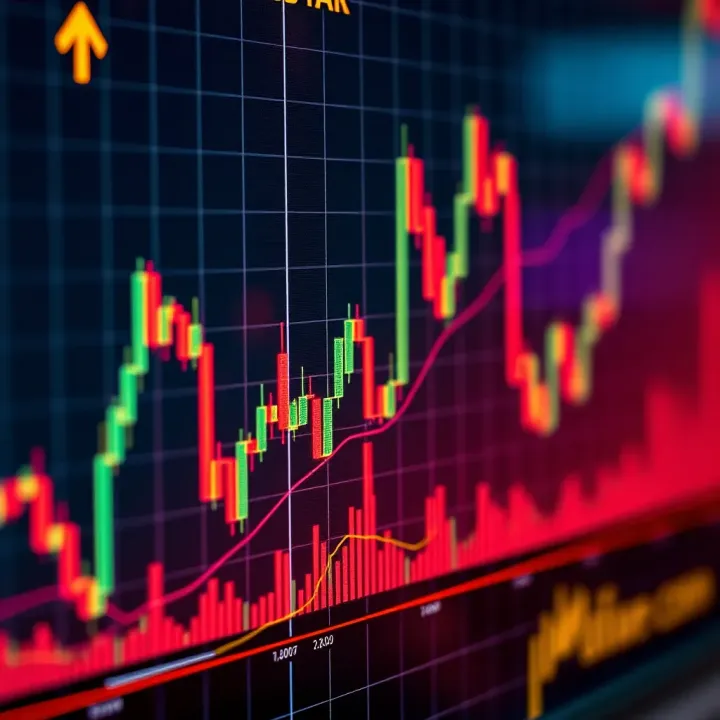
Explore practical tips and essential forex trading strategies for Nigerian traders 🌍. Learn key market factors, risk management, and regulation insights to trade confidently 📈.
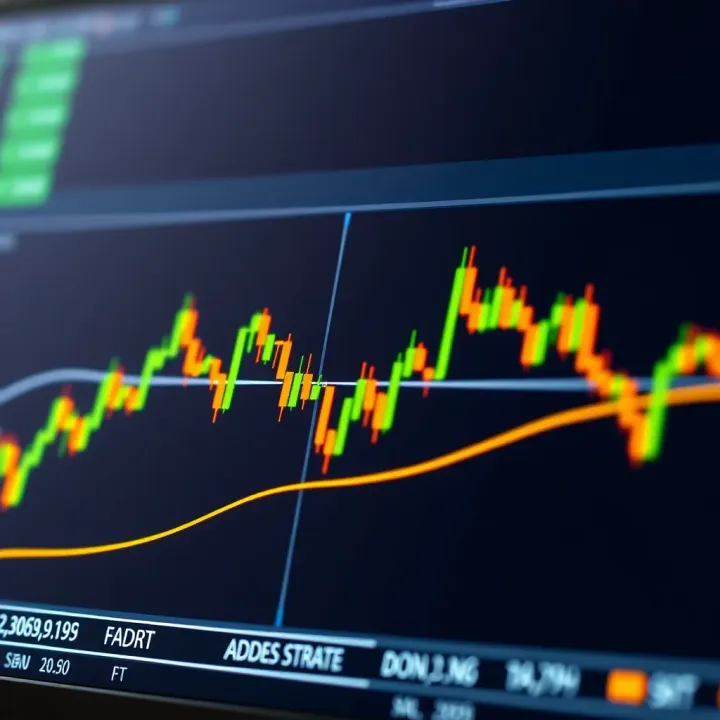
📘 Master forex trading in Nigeria with this complete guide! Learn market basics, strategies, risk management, and download handy PDFs to boost your ₦ trading skills.
Based on 5 reviews