
Forex Trading Guide for Nigerian Traders
🌍 Explore forex trading in Nigeria with tips on markets, strategies, brokers, leverage, risk management, and overcoming common challenges. 📈💡
Edited By
Amelia Scott
Forex trading has become an accessible and popular venture for many Nigerians seeking to diversify income streams. However, without the right foundation, it’s easy to make costly mistakes. That's where well-structured forex trading courses come in to fill the gap. These courses focus on equipping traders with the practical skills, market understanding, and strategies needed to navigate the volatile forex market confidently.
A good forex course tailored for Nigerians typically delivers more than just theory. Nigerian markets face unique challenges such as naira volatility, liquidity concerns, and regulatory considerations. Courses that address these local dynamics help learners grasp how to trade smartly under these conditions.

Practical demonstrations: Showing live trades or simulations helps solidify concepts.
Risk management training: Safeguarding capital through stop-loss and position sizing is crucial.
Market analysis techniques: Understanding both technical charts and fundamental news.
Access to local trading platforms: Integration with popular Nigerian brokers and payment methods.
Choosing a course from a reputable provider guarantees the material is up-to-date and verified, reducing the guesswork for beginners. Platforms offering mentorship, active community groups, or continuous updates offer additional value.
Remember: Forex trading isn’t a quick road to riches—it demands discipline, ongoing learning, and prudent decision-making. Taking the time to learn through a well-rounded course can be the difference between consistent profits and repeated losses.
This guide will help you identify what to expect from a quality forex course, which skills you need first, and how to avoid the common pitfalls Nigerian traders fall into. Getting the right education lets you trade with confidence and grow your ₦ in today’s fluctuating forex market.
Understanding the content of a forex trading course is key to making informed decisions before committing time and money. These courses are designed not just to teach you how to buy and sell currencies but to equip you with practical tools, knowledge, and strategies relevant to the Nigerian forex market.
Forex trading involves exchanging one currency for another to profit from changes in exchange rates. Unlike stocks, forex runs 24 hours on weekdays, offering flexibility for Nigerians who trade around their work or daily activities. When you trade forex, you speculate on whether a currency pair, such as USD/NGN, will rise or fall.
Nigerians often trade pairs involving the naira, like USD/NGN or EUR/NGN, since these pairs directly affect import and export costs. Understanding these pairs helps in making better trading decisions, especially considering the naira’s volatility due to local economic factors.
The CBN’s policies influence naira liquidity and exchange rates heavily. Their interventions, such as setting official rates or restricting dollar access, impact forex market dynamics. Courses must explain how these policies affect trading opportunities and risks.
Leverage lets traders control large amounts of currency with a smaller capital outlay, magnifying both profits and losses. For example, a leverage of 1:100 means ₦10,000 can control ₦1,000,000 in currency. Margin refers to the collateral needed to open a leveraged trade. Understanding these helps Nigerian traders avoid blowing their accounts too quickly.
A pip is the smallest price movement in forex, usually 0.0001 for most pairs, and represents profit or loss increments. Lots refer to packaged quantities of currency you trade; a standard lot equals 100,000 units. Nigerian traders must grasp this to calculate risk and potential returns precisely.
The bid price is what buyers pay; ask price is what sellers charge. The spread is the difference between these and represents the broker’s fee. In Nigerian forex trading, choosing brokers with tight and stable spreads can save you significant costs.
Platforms like MetaTrader 4 (MT4), MetaTrader 5 (MT5), and locally supported apps provide user-friendly interfaces and access to multiple currency pairs. These platforms support easy execution of trades and analytical tools tailored for Nigerian traders.
Demo accounts let beginners practice without risking real money, essential for gaining confidence. These simulate actual market conditions, helping Nigerians familiarise themselves with platform functions and develop trading strategies before committing capital.
Courses introduce charting tools to spot trends and entry points. Indicators like Moving Averages, RSI (Relative Strength Index), or Fibonacci retracements help interpret price movements specifically in the context of economic events affecting the naira.
Grasping what a forex trading course covers ensures you avoid surprises and set realistic goals. This knowledge increases your chances of trading successfully in Nigeria’s unique forex environment.
A quality forex trading course arms you with several vital skills and knowledge areas that can shape your success. This ensures you don’t just guess in the market but trade with strong understanding and technique, especially in the Nigerian context where forex volatility is common. The course usually covers technical analysis to spot trends, solid risk management to protect capital, and fundamental analysis to interpret economic signals that affect currencies like the naira.
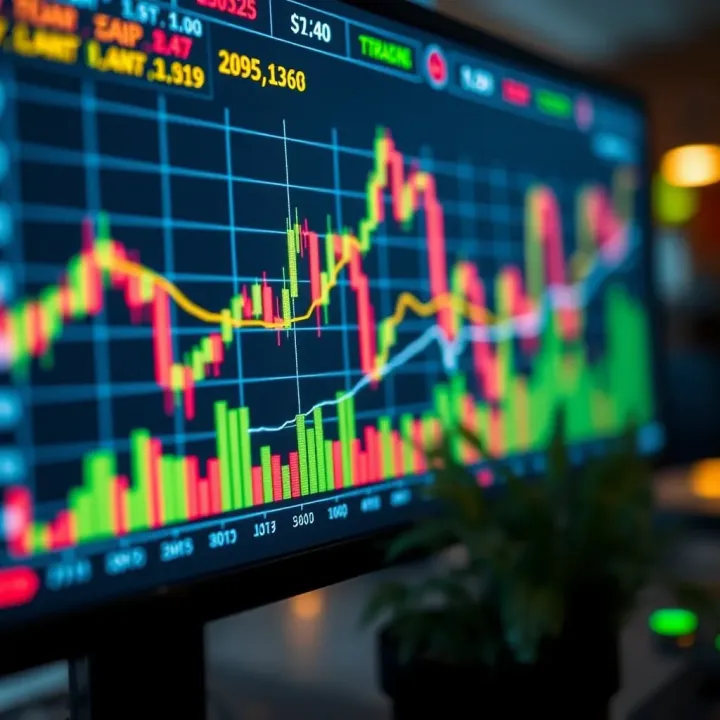
Reading charts and understanding trends is the backbone of technical analysis. You learn to read price charts, spotting whether an asset is trending up, down, or moving sideways. For example, in Nigeria, understanding how the naira performs against the dollar during import-heavy periods often reflects in upward or downward price trends. Visualising these patterns helps traders decide when to enter or exit trades.
Common indicators used include tools like Moving Averages, Relative Strength Index (RSI), and Bollinger Bands. Moving Averages smooth out price data to identify the overall direction, while RSI can show if a currency pair is overbought or oversold. Bollinger Bands measure volatility, which is particularly useful given the naira’s frequent fluctuations. These indicators guide Nigerian traders in making informed decisions rather than relying on guesswork.
Candlestick patterns relevant for Nigerian markets teach traders to interpret the psychology of buyers and sellers. Patterns like Doji, Hammer, and Engulfing can signal reversals or continuations. Since the naira is affected strongly by government monetary policies and import-export news, these patterns can serve as early warnings or confirmations of market moves.
Setting stop-loss and take-profit points is fundamental in managing loss and securing profits. For instance, a Nigerian trader dealing with the USD/NGN pair might set a stop-loss at 4.0% below the purchase price to limit losses if the naira suddenly weakens. Similarly, a take-profit point locks in gains when the target is reached, protecting against market reversals.
Position sizing and capital allocation help control how much money is put at risk per trade. Rather than risking ₦50,000 on every trade, a disciplined trader might only risk 1-2% of total capital on each position. This approach prevents total capital drain and allows for steadier growth, essential for beginners who lack large trading budgets.
Managing psychological factors in trading is often overlooked but crucial. Greed, fear, and impatience frequently cause Nigerians to make impulsive decisions, especially during volatile times like the ember months when forex markets react sharply. Training helps build discipline, controlling emotions so trading follows strategy and reduces mistakes.
Interpreting economic indicators relevant to Nigeria includes tracking inflation rates, interest rate changes by the Central Bank of Nigeria (CBN), and trade balance. These indicators influence the naira’s strength. For example, if inflation spikes, the naira typically weakens, affecting forex prices.
Impact of global events on naira and forex markets must not be ignored. Events such as US Federal Reserve rate decisions, oil price changes, or geopolitical tensions impact Nigeria’s forex reserves and currency stability. Nigerian traders learn to watch these events closely, preparing accordingly.
Using news and data to make trading decisions involves staying updated with reliable sources on policy changes, economic releases, and geopolitical developments. For example, a sudden government announcement on fuel subsidy removal may create sharp market moves. Skilled traders know how to use this information to adjust their positions quickly.
Mastering these skills from a forex trading course does more than just build knowledge—it equips Nigerian traders to act smartly in sometimes unpredictable markets, growing their chances of consistent profit.
Selecting the right forex trading course is a key step for anyone serious about making consistent gains in the Nigerian forex market. The forex landscape here comes with unique challenges, such as naira volatility and local broker regulations, so a course tailored to our environment has more practical value. Choosing well means getting relevant skills, avoiding scams, and maximising your learning investment.
It's vital to check whether the trainer or institution running the forex course has a solid reputation. Some trainers boast years of market experience with verifiable results, while others may only offer theory without real trading exposure. For example, a reputable institution might display testimonials from Nigerian traders, or offer transparent proof of past student success. Without this, you risk paying for generic or outdated content that won’t hold up in practical trading, especially given Nigeria’s market quirks.
Forex courses sometimes adopt global templates, but Nigerian traders face particular issues like naira exchange rate fluctuations, CBN policy shifts, and local broker dynamics. The best courses will cover these local nuances, integrating examples about how CBN interventions affect currency pairs frequently traded in Nigeria, such as USD/NGN or EUR/NGN. Understanding these specifics helps you trade smarter and respond quickly to changing market conditions unique to Nigeria’s economy.
Affordability matters. Some courses priced in foreign currencies like dollars can turn prohibitive due to naira depreciation and transfer fees. Practical courses allow payment in naira, often via platforms like Paystack or bank transfers, reducing hassles. Also, flexible payment plans or instalments help spread the cost. This ensures accessibility without compromising course quality—for instance, a ₦50,000 course payable over two months is easier to manage than a lump₦150,000 payment upfront.
Online courses provide flexibility, letting you learn from anywhere in Nigeria—be it Lagos, Abuja, or smaller cities—without commuting risks like Lagos traffic or fuel expenses. In-person classes may suit those who prefer face-to-face interaction and immediate feedback but often come with transport and time costs. Depending on your schedule and learning preference, you might choose either, or even hybrid options if available.
Live sessions enable real-time Q&A, which can clarify tricky concepts fast and mimic a classroom feel. Recorded materials let you revisit lessons anytime, crucial when digesting complex topics like candlestick patterns or risk management strategies. Courses offering both empower you to learn at your own pace, which is necessary given the varying technical comfort levels among Nigerian trading enthusiasts.
Good courses provide support via chat groups or forums where learners discuss ideas, share trade insights, or resolve difficulties. Especially for Nigerians navigating volatile forex conditions, community support reduces isolation and boosts confidence. For example, a WhatsApp or Telegram group moderated by the trainer can become a valuable resource for recent trade updates or regulatory news impacting the market.
A recognised certificate enhances your credibility, particularly if you plan to work with brokers or financial firms in Nigeria. Certifications from accredited bodies or well-known training centres prove your commitment and baseline knowledge. While certification isn’t everything, it can open doors, such as eligibility for advanced courses or partnering with fintech firms.
Forex trading is not a one-time event; ongoing mentorship sharpens skills and helps adjust strategies. Courses providing follow-up sessions, one-on-one coaching, or periodic market updates keep you on track. Mentorship becomes a shield against costly mistakes, guiding you through Nigeria’s fluctuating market phases.
Joining active trading communities allows you to exchange ideas, gauge market sentiment, and get peer support. For Nigerian traders, these forums often discuss both local and international factors affecting currency movements, regulation changes by entities like SEC Nigeria, or practical tips on navigating platform-specific challenges.
Picking the right forex trading course specifically crafted for Nigerian traders isn’t just about learning; it’s about positioning yourself for real success amid local market realities. Choose carefully to build skills that truly matter.
In summary, when looking for a forex trading course in Nigeria, focus on credibility, local content relevance, and payment convenience. Consider how you learn best and ensure the course offers continued support beyond lessons. This approach increases the chance that your investment in forex education pays off handsomely over time.
Forex trading courses in Nigeria often introduce learners to strategies that help navigate both local and international markets effectively. Understanding these strategies equips traders with techniques suited to different risk levels, time commitments, and market conditions.
Short-term trading like scalping and day trading involves opening and closing trades within minutes or hours. Traders aim to make small, frequent profits by taking advantage of minor price movements. This requires close monitoring of the market during active hours.
Scalpers heavily rely on fast execution and precise timing. Common tools include the Relative Strength Index (RSI), Moving Average Convergence Divergence (MACD), and simple moving averages. These indicators help identify overbought or oversold conditions quickly. For instance, a trader might watch the EUR/USD pair during the London trading session for quick swings.
For Nigerian traders, scalping can be suitable if they have access to reliable internet and real-time data. However, considering naira volatility and power supply challenges, sustainable scalping demands disciplined risk management and readiness to adapt to sudden market noise.
Swing and position trading suits traders who prefer longer-term setups, holding positions from days to weeks or even months. These strategies rely less on minute-by-minute price changes and more on overall trends.
Courses teach how to combine technical analysis—like trendlines and Fibonacci retracements—with fundamental analysis, which includes tracking Nigerian economic data points such as CBN policy announcements or oil price trends. For example, a trader might hold USD/NGN positions anticipating naira weakness due to persistent dollar demand.
Given Nigeria’s market volatility, these strategies allow traders to avoid frantic short-term fluctuations while positioning themselves for larger moves. Properly managing volatility means using stop-loss orders and sizing positions thoughtfully to withstand sudden spikes or drops.
Expert Advisors (EAs) or automated trading bots execute trades based on pre-set rules without human intervention. Forex courses explain how EAs can monitor multiple indicators simultaneously and trade around the clock.
Automated systems lessen emotional errors and can be tested extensively on demo accounts before real money is involved. However, they come with risks like software bugs, market conditions changing quickly, or over-optimisation that fails in live settings.
In Nigeria, regulatory oversight on automated trading is still evolving. Traders should verify the legality and compliance of their brokers and EAs, ideally consulting updates from SEC Nigeria and relevant trading forums. Responsible use of EAs involves understanding their logic fully and avoiding blind reliance to prevent significant losses.
Traders should pick strategies matching their lifestyle, risk tolerance, and the Nigerian market’s unique challenges, rather than chasing quick profits without preparation.
Stepping into the forex market without knowing the common pitfalls can cost you not only money but also confidence. Many Nigerians have lost hard-earned naira due to scams, unrealistic expectations, or poor capital management. Avoiding these mistakes will give you a better chance to build trading skills and grow your portfolio steadily.
Fraudulent courses and brokers often lure beginners with promises of guaranteed profits or secret strategies. These scams tend to ask for hefty upfront fees or push you to fund suspicious trading accounts. A practical way to spot them is by checking reviews and testimonies from credible Nigerian trader communities or forums. For example, if a course promises ₦1 million profits in one week, it’s likely too good to be true.
The Securities and Exchange Commission (SEC) Nigeria regulates legitimate forex brokers and trading educators. Before enrolling, confirm that the provider is registered and compliant with SEC guidelines. This protects you from fraudulent schemes that operate outside Nigeria’s legal framework. A registered broker also ensures your funds are safeguarded according to local rules.
If you encounter suspicious activities—such as unsolicited calls pushing forex investments or courses with no transparent content—you should report these to SEC Nigeria or consumer protection agencies. Prompt reporting helps clamp down on fraud and protects other traders from falling victim. Your vigilance contributes to cleaning up Nigeria's trading environment.
Understanding the risks involved in forex trading is essential. No trader wins every time, and losses are part of the game. For instance, a trader who bets more than they can afford may face heavy losses during volatile periods, common in the Nigerian market due to factors like naira fluctuations or global shocks.
Forex trading requires a long-term mindset. Many beginners chase quick profits but often end up burned out or lose capital quickly. Courses that emphasise skill-building over fast money teach patience and sound decision-making, crucial for navigating swings in currency values.
Discipline and patience keep rash decisions at bay. Consistent success comes from sticking to trading plans, managing losses wisely, and avoiding emotional trades. Nigerian traders who cultivate self-control tend to maintain steadier growth and avoid the heartbreak of impulsive losses.
Starting with an amount you can afford to lose prevents financial stress and bad decisions. For many Nigerians, this might be as little as ₦50,000 or ₦100,000. This cautious approach helps you learn from markets without jeopardising your day-to-day needs or savings.
Using demo accounts, which simulate real trading without risking money, should be compulsory. Practising on demo platforms like MetaTrader or Olymp Trade gives you hands-on experience with order entry, setting stop-loss, and understanding how spreads affect trades before going live.
Emotional control is key to managing capital well. Avoid chasing losses or overtrading out of frustration. Such behaviour often leads to spiralling losses. Instead, stick to your risk limits and review your trades with a cool head during tight market conditions, such as during Nigerian election cycles or the ember months, when volatility spikes.
Staying alert to scams, managing your expectations, and handling your capital carefully are foundational steps that protect you from common forex traps. These practices build confidence and set Nigerian traders on a path to sustainable growth.
🌍 Explore forex trading in Nigeria with tips on markets, strategies, brokers, leverage, risk management, and overcoming common challenges. 📈💡
Explore practical tips and essential forex trading strategies for Nigerian traders 🌍. Learn key market factors, risk management, and regulation insights to trade confidently 📈.
📘 Master forex trading in Nigeria with this complete guide! Learn market basics, strategies, risk management, and download handy PDFs to boost your ₦ trading skills.

📈 Explore how Forex trading robots simplify market moves for Nigerian traders, their pitfalls, and tips on picking the right bot to boost your ₦ gains wisely!
Based on 10 reviews