

Risk Management in Project Management
Master risk management in Nigerian projects 🇳🇬 with practical strategies to identify, assess, and respond to threats that affect budgets, timelines, and results 📊🛠️
Edited By
Sophie Williams
Risk management is becoming increasingly essential across Nigerian industries, from banking and oil to telecom and agribusiness. With rising uncertainty in markets and operations, professionals need to sharpen their skills in spotting, assessing, and controlling risks. This is where risk management certifications come into play—they offer practical frameworks and credentials that boost your expertise and credibility.
For traders, investors, analysts, brokers, and consultants, certified risk knowledge can mean the difference between big losses and strategic wins. In Nigeria’s fast-moving economic environment, understanding how to handle credit risk, operational disruptions, regulatory changes, or currency volatility is critical.

Holding a recognised risk management certification signals to employers and clients alike that you can steer through uncertainties confidently.
Here are some common risk certification programmes that Nigerians often pursue:
Certified Risk Manager (CRM): Focuses on operational and strategic risk, widely respected in insurance and financial services.
Financial Risk Manager (FRM): Offered by the Global Association of Risk Professionals, it covers market, credit, and liquidity risks, ideal for finance and investment professionals.
Project Management Professional (PMP) with Risk Management knowledge: Though broader, PMP certification with an emphasis on risk can help consultants and analysts manage project uncertainties effectively.
ISO 31000 Lead Risk Manager: Geared towards those looking to implement internationally recognised risk management standards within organisations.
Choosing the right certification depends on your industry, career goals, and the risk challenges you face. For instance, an FRM certification will suit a stockbroker or investment analyst more than a supply chain manager, who might prefer ISO 31000.
Also, consider the access to study materials, exam cost, and local recognition. Several Nigerian universities and training centres now offer preparatory courses for these certifications, often adapting content to suit local market realities such as naira fluctuation and regulatory environment.
Building expertise through certification not only improves personal competence but also enhances organisational resilience. Companies that encourage certified risk professionals among their staff typically experience fewer operational surprises and stronger compliance.
In the sections that follow, we will break down each popular certification, highlight their relevance to Nigerian sectors, and share tips on how to decide which path fits your profile best.
Risk management is fundamental for businesses wanting to withstand shocks and thrive in a volatile environment like Nigeria's. It involves identifying, assessing, and controlling risks that could disrupt operations or affect profitability. In this section, we explore what risk management entails and why it holds particular significance for Nigerian businesses.
At its core, risk management is a systematic way of handling uncertainty in business activities. It starts with identifying potential threats, such as economic downturns, supply chain disruptions, regulatory changes, or security challenges. After recognising these risks, organisations assess their likelihood and potential impact before deciding on appropriate actions to reduce or transfer the risk.
For example, a manufacturing company in Lagos may identify power outages as a critical risk. It could then evaluate the costs of frequent generator use against investing in solar power to mitigate this risk and reduce long-term operational costs.
Effective risk management also demands continuous monitoring and reviewing since risks evolve with market conditions and internal changes. It typically involves the use of tools and frameworks like risk registers, heat maps, and scenario analysis to maintain visibility over risks.
Nigerian businesses face unique challenges that make risk management not just advisable but necessary. The economy's reliance on oil exposes firms to currency volatility and fluctuating government policies. In addition, infrastructure deficits—such as inconsistent power supply and poor road networks—create operational risks that must be anticipated.
Take small and medium enterprises (SMEs), common in Nigeria's informal sector. Many struggle because they have no system to anticipate cash flow interruptions caused by sudden supplier default or customer insolvency. With risk management, these businesses can put safeguards, like credit checks or alternative supplier arrangements, reducing the chance of crippling loss.
Companies that integrate risk management improve their decision-making, protect assets, and enhance resilience against crises. In Nigeria's business world, this can mean the difference between survival and closure.
In the financial sector, regulators increasingly demand risk adherence as part of compliance. This pushes banks, insurance firms, and investment companies to embed international risk standards, helping protect investors and the wider economy.
In summary, understanding risk management equips businesses and professionals to navigate the Nigerian market’s uncertainties more confidently. It underpins smarter strategy, regulatory compliance, and operational stability, making certifications in this field especially valuable for those aiming to lead and innovate locally.
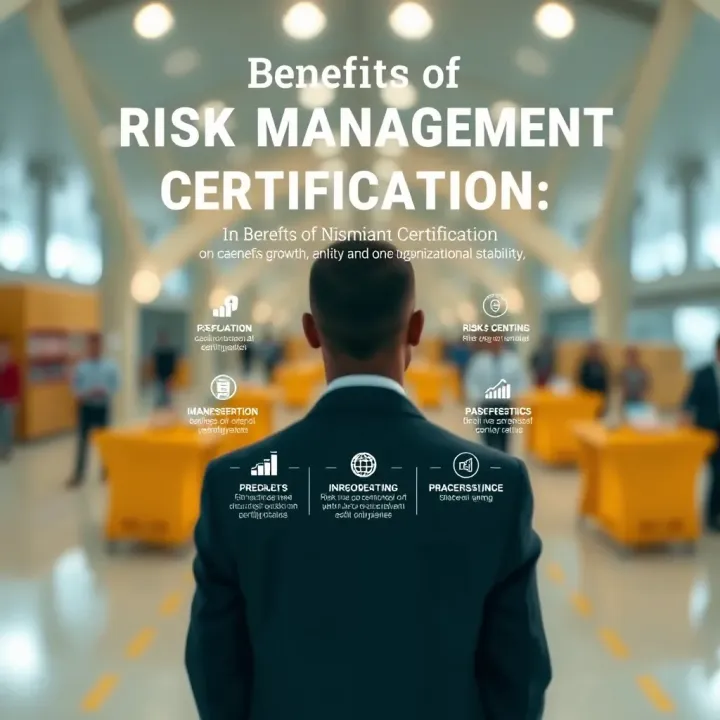
Navigating the world of risk management certifications can be tricky, especially for professionals in Nigeria’s dynamic business environment. Understanding which certifications hold real weight is key. Each recognised certification offers specialised skills and knowledge that help not just to identify risks, but to manage them efficiently in different sectors—be it finance, projects, or general organisational risk.
The Certified Risk Manager (CRM) certification is highly valued in Nigeria’s insurance, banking, and manufacturing sectors. It focuses on five key disciplines: risk identification, analysis, control, financing, and administration. This course arms you with practical strategies to pinpoint potential risks early, whether from market fluctuations or operational bottlenecks. For example, a CRM-certified professional in a Nigerian bank can better assess credit risks tied to loan issuance, which is vital given the recent shifts in the naira’s exchange rate.
The PMP certification from the Project Management Institute is known worldwide, and when combined with a risk management focus, it becomes a solid credential for project managers working on large-scale initiatives in Nigeria. These projects may range from infrastructural developments to private-sector tech rollouts. The PMP with Risk Focus teaches risk assessment integrated into project scopes and timelines, reducing costly overruns. Imagine managing a road construction project in Lagos where unexpected delays can snowball expenses — a PMP certificate equips you to anticipate and mitigate such issues.
For those in banking, investment, or fintech sectors in Nigeria, the Financial Risk Manager certification provides robust expertise in market risk, credit risk, operational risk, and risk modelling. With the naira’s relative volatility and fluctuating interest rates set by the Central Bank of Nigeria (CBN), FRM holders have a real advantage in forecasting potential losses and advising on hedge strategies. It’s a technical qualification that directly impacts how financial institutions protect their portfolios and customers.
The ISO 31000 certification offers a globally recognised framework for implementing effective risk management practices across organisations. This standard applies broadly, from oil and gas companies to SMEs in Nigeria’s informal sector. It emphasizes creating a risk-aware culture and continuous improvement in risk processes. Nigerian companies adopting ISO 31000 can expect better compliance with national and international regulations, enhancing investor confidence and operational stability.
Choosing the right certification depends on your career goals and industry needs. Certifications like CRM suit risk practitioners in insurance and manufacturing, while FRM and PMP with risk focus align better with finance and project roles respectively.
Being certified not only sharpens your skillset but opens doors to leadership opportunities in risk governance within Nigeria’s evolving economic landscape.
Choosing the right risk management certification involves several key factors that can shape your career path and professional value. For traders, investors, analysts, brokers, and consultants in Nigeria, it’s not enough to just pick a certification — understanding how it aligns with your industry, costs, and learning style is vital.
Your industry and specific job role dictate which certification provides practical value. For instance, a financial analyst working with Nigerian banks or fintech firms might benefit most from the Financial Risk Manager (FRM) certification, which deals with market, credit, and operational risk. On the other hand, consultants advising oil and gas companies on safety and compliance may find the ISO 31000 Risk Management certification more relevant due to its focus on organisational risk frameworks.
Understanding your role ensures the knowledge gained matches daily challenges. A stockbroker interested in project delivery might explore the Project Management Professional (PMP) with a risk focus to sharpen skills in mitigating portfolio risks. The key is selecting a certification that enhances your current skill set and opens doors within your sector.
Cost remains a major consideration for many Nigerian professionals. Pricing for certifications like FRM or PMP can range from ₦500,000 to over ₦1 million, when including exam fees, study materials, and possible travel to test centres. Additionally, the availability of exam centres or online testing options affects accessibility.
For example, the ISO 31000 certification is often offered through local training partners with flexible payment plans, which may suit those on a tighter budget. Also, some certifications provide scholarships or instalment payment options, important factors to explore before committing. Investment in certification should balance between affordability and expected career gains.
With varying lifestyles and work commitments, flexibility in course delivery stands out. Many Nigerian candidates prefer online courses due to traffic congestion, power outages, and tight schedules. Trainings via platforms like Coursera or LinkedIn Learning offer self-paced modules that allow learners to balance work and study.
However, in-person classes or webinars with local facilitators provide opportunities for networking with peers, a valuable Nigerian experience, especially in sectors where relationship-building matters. Additionally, quality study materials such as official textbooks, mock exams, and practical case studies improve exam readiness. Some providers also offer mentoring or coaching, which can be a big help in understanding complex risk management concepts.
Choosing a certification involves weighing how well it fits your career goals, your budget constraints, and your preferred learning method. This careful selection can lead to meaningful career growth and better risk handling in your professional environment.
By paying attention to these factors, you ensure your certification is not just a document but a tool that improves decision-making and adds value in Nigeria’s dynamic business landscape.
Risk management certifications open doors to tangible benefits both for individuals and organisations. These qualifications demonstrate a clear understanding of identifying, assessing, and mitigating various risks, which Nigerian businesses increasingly value amid economic and operational uncertainties. Holding a recognised certification can enhance your professional credibility, making you a more attractive candidate to employers while also boosting your confidence in handling complex risk scenarios.
Obtaining a risk management certification often translates to faster career progression and better pay. For example, certified professionals in Nigerian banks or oil and gas companies can command higher salaries than their uncertified peers, sometimes up to 20-30% more. These certifications signal competence and commitment, making you stand out for management roles or specialised risk positions. Beyond salary, certification can open opportunities to lead large projects or consult for high-profile clients, which tend to carry better perks and influence.
Moreover, in sectors like fintech or insurance, where risk assessment is critical, employers seek specialists with formal training. For instance, a certified Financial Risk Manager (FRM) linked to a fintech startup in Lagos might see quicker promotion paths compared to someone learning risk on the job. Besides, some Nigerian employers might offer study sponsorships or bonuses for certification acheivement, seeing the value in investing in skilled staff.
Organisations with certified risk managers improve their risk posture noticeably. Certified staff tend to adopt international best practices, like the ISO 31000 framework, which helps Nigerian companies better manage financial, operational, or security risks. This reduces costly surprises such as regulatory fines or project failures.
In fact, Nigerian banks regulated by the Central Bank of Nigeria (CBN) increasingly require risk certification for compliance roles. Certified professionals bring structure and rigour, enabling the firm to make smarter decisions and protect shareholder value. This contributes to smoother audits, better crisis response, and stronger stakeholder confidence.
Also, such expertise encourages a culture of risk awareness across the organisation. When employees see certified risk managers setting policies and conducting trainings, they become more vigilant about potential threats—be it cyber risks or supply chain disruptions during ember months.
Certified risk managers don’t just manage risks; they help organisations anticipate them, reducing losses and improving long-term performance.
In summary, holding a risk management certification in Nigeria translates to career advancement and earning potential for professionals, while organisations gain stability and improved governance. It's an investment with clear returns for those looking to excel in today’s dynamic business environment.
Obtaining and maintaining a risk management certification requires commitment and strategy, especially when you want to stand out in Nigeria's competitive business climate. Proper preparation and ongoing learning not only improve your chances of acing certification exams but also ensure you remain relevant as industry practices evolve.
Starting with solid preparation is key. Begin by understanding the specific syllabus laid out by the certification body, whether it is for Certified Risk Manager (CRM), Financial Risk Manager (FRM), or any other. Nigerian candidates often face unique challenges such as inconsistent electricity and limited access to physical training centres, so leveraging online resources and mobile-friendly study tools is practical.
Set a realistic study schedule. For instance, many candidates prepare for 3 to 6 months ahead of exams, breaking topics into manageable chunks. Using practice questions and mock exams can boost confidence and identify weak areas. Certified trainers or study groups that meet virtually or locally in cities like Lagos and Abuja can offer peer support and clarify tricky concepts.
Be sure to access quality materials: official study guides, recent exam outlines, and risk management publications. For example, those pursuing the ISO 31000 certification might review recent case studies on Nigerian banks' risk frameworks.
After certification, maintaining it is not a matter of resting on your laurels. Most recognised certifications enforce Continuing Professional Development (CPD), which involves regularly updating your skills and knowledge to keep pace with new risks and regulations.
CPD could include attending workshops, webinars, and conferences often organised by professional bodies like the Risk Management Association of Nigeria. For example, joining seminars on fintech risk shows your engagement with rapidly changing sectors.
Additionally, contributing articles or presenting at forums can also count towards CPD hours, which supports both personal brand and mastery of the subject. Usually, professionals must accumulate a set number of CPD points every one or two years to renew their certification.
Staying current through CPD is not just about compliance; it boosts your value to employers and clients, especially in industries like banking, oil and gas, and telecoms, where risk landscapes shift fast.
Ultimately, understanding how to effectively prepare for exams and committing to lifelong learning through CPD strengthen your credentials and increase your impact in Nigerian risk management roles.
Master risk management in Nigerian projects 🇳🇬 with practical strategies to identify, assess, and respond to threats that affect budgets, timelines, and results 📊🛠️
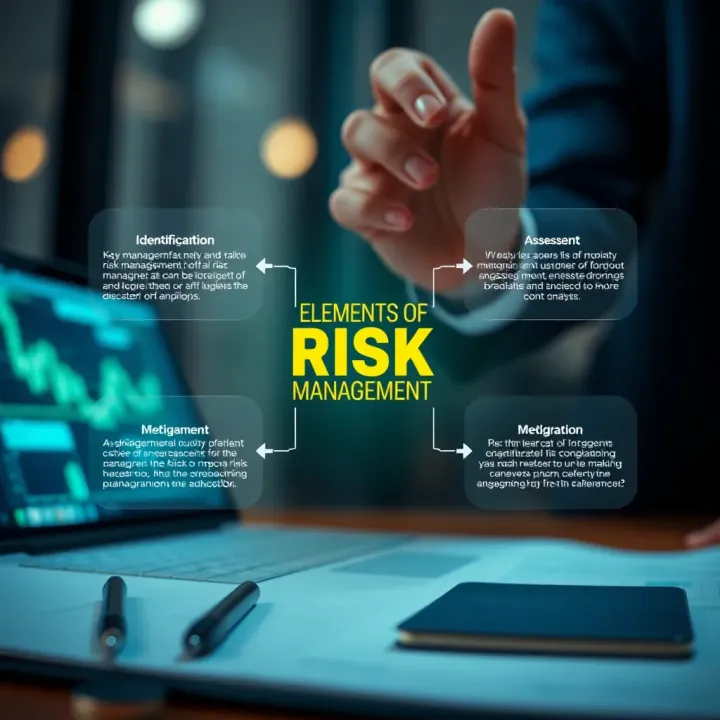
📊 Understand risk management to protect your business in Nigeria. Learn how to identify, assess, and tackle threats for safer growth and better asset security.

Discover how effective risk management in Nigeria helps protect businesses from threats, enhances decision-making, controls costs, and supports growth 📊🔒
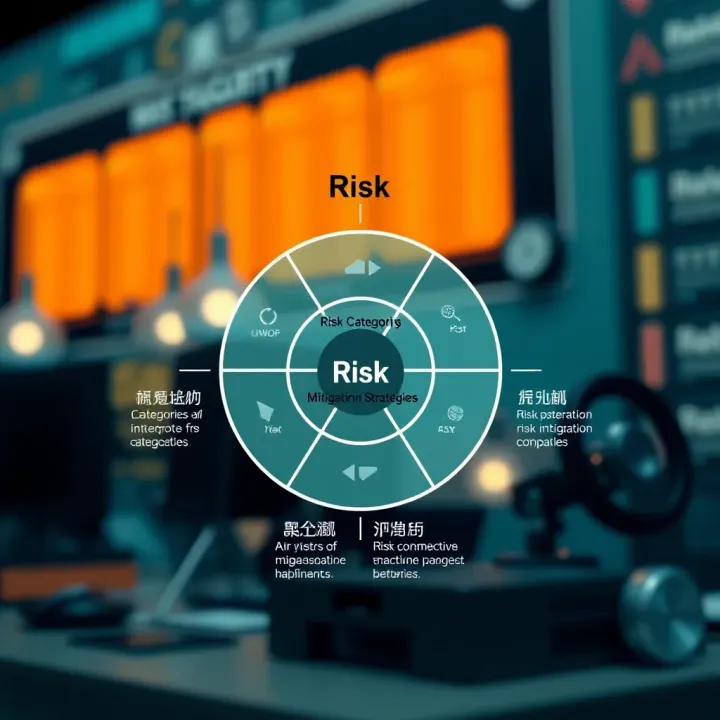
📊 Enterprise risk management (ERM) guides Nigerian businesses in spotting and handling risks—from market shifts to cash flow gaps—to keep operations steady and profits safe amid economic ups and downs.
Based on 8 reviews