
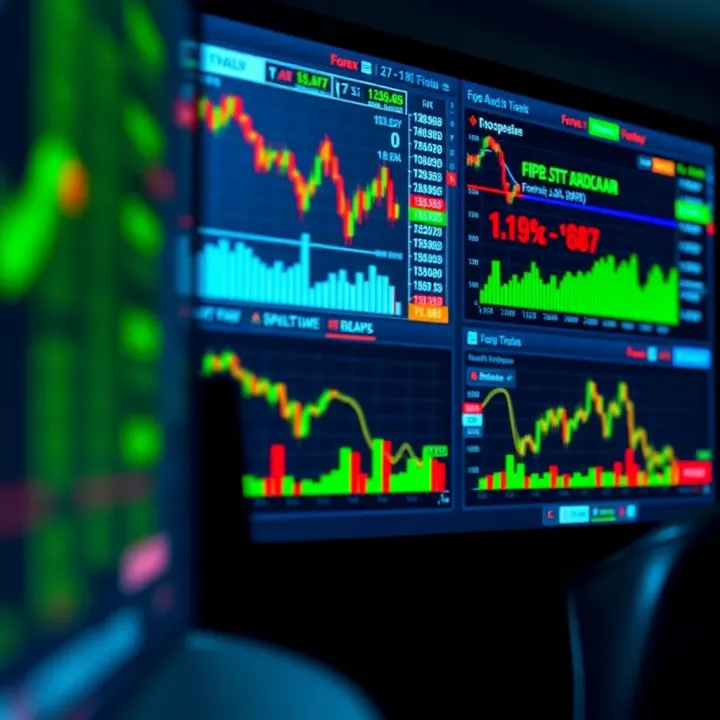
Understanding Forex Trading Software for Nigerian Traders
📊 Discover how forex trading software helps Nigerian traders make better ₦ decisions in currency markets. Learn features, types, risks & how to pick the right platform.
Edited By
Ethan Green
Forex trading simply means buying and selling foreign currencies in the global market. It is a highly liquid and fast-moving market where currencies like the US Dollar (USD), Euro (EUR), Nigerian Naira (₦), and others trade against each other. Traders aim to profit from changes in exchange rates by buying low and selling high, or vice versa.
Unlike stock markets, forex operates 24 hours a day during weekdays, because it encompasses financial centres worldwide—from Lagos to London and New York. This allows Nigerian traders to access the market conveniently at different times, despite our local business hours.
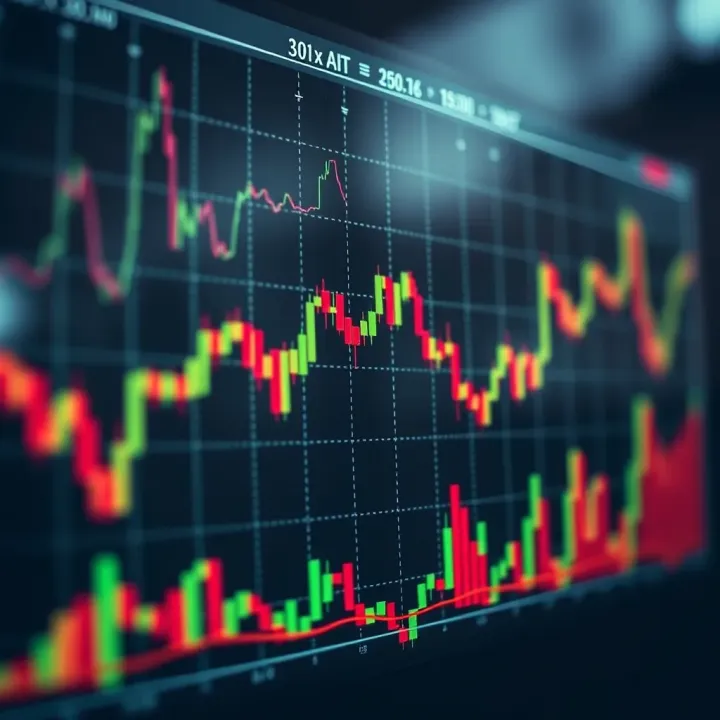
At its core, forex trading involves currency pairs. For example, when you buy EUR/USD, you are buying euros while simultaneously selling US dollars. The price quoted represents how much one euro is worth in US dollars. If the price rises, you can sell the euros later at a profit.
Traders use platforms provided by brokers like FXTM, Alpari, or local fintech firms to place their trades. These brokers offer leverage, letting you control a larger position with a smaller amount of money. While leverage can boost profits, it also increases risk—losses can quickly pile up.
Our economy depends heavily on foreign exchange due to imports, oil exports, and remittances. Understanding forex gives individuals and businesses a way to hedge against naira volatility. For example, an exporter may lock in a favourable exchange rate to avoid losses from sudden naira depreciation.
Market Hours: Forex operates from Monday morning in Asia to Friday evening in the US, with breaks on weekends.
Currency Pairs: Major pairs like USD/NGN, GBP/USD, and EUR/USD are the most traded and tend to have tighter spreads.
Leverage: While common in forex, it must be used cautiously because it can magnify losses.
Volatility: Sudden naira depreciation during ember months or policy shifts can create trading opportunities but also risks.
Successful forex trading depends on understanding how currencies move, the economic forces at play, and managing risks smartly. No magic formula, just steady learning and practice.
By grasping these basics, Nigerian traders can better navigate the forex market and avoid common pitfalls. Next sections will explore trading strategies, market structure, and practical tips tailored for Nigerian conditions.
Understanding what forex trading means is the starting point for anyone interested in navigating this vast market. At its core, forex trading involves buying one currency while simultaneously selling another. This exchange allows traders and businesses to profit from currency value fluctuations or to facilitate international transactions.
Understanding currency exchange is essential. Simply put, every currency has a value relative to another, expressed as a pair – like USD/NGN. If a trader buys the pair USD/NGN, they are essentially purchasing US dollars using Nigerian naira. The price moves depending on economic indicators, geopolitical events, or market sentiment. For instance, if Nigeria’s economic outlook improves, the naira could strengthen against the dollar, affecting the value of the pair and creating trading opportunities.
What sets forex apart from other financial markets is its nature as a global, decentralised platform. Unlike stock markets tied to specific exchanges and countries, forex trading happens electronically across the world 24 hours a day during weekdays. This enables continuous price movement and high liquidity. For Nigerian traders, this means the market is always open, fitting different schedules and time zones. Plus, forex trading allows trading with leverage, which isn't common in many markets.
Forex is the largest financial market worldwide, with daily trading volumes exceeding US$6 trillion. This giant scale ensures there’s almost always a buyer or seller for any currency pair. Such liquidity reduces price manipulation risks and allows traders to enter or exit positions swiftly. For Nigerian investors, trading on this market provides access to global currency flows unlike any local market.
The role in international trade and investment spotlights forex’s deeper economic function. Every international business transaction – be it importing electronics or exporting agricultural products – relies on currency exchange. Multinational companies hedge forex exposure to manage risks. For example, a Nigerian company importing machinery from Europe must convert naira to euros, and fluctuations in forex rates affect final costs. Understanding forex dynamics helps traders anticipate market moves influenced by trade balances, foreign investments, and central bank policies.
Mastering these foundations of forex trading gives you a clearer edge, whether trading to profit from fluctuations or managing cross-border business risks.
This groundwork sets the stage for getting practical, tapping into forex’s vast possibilities with the right know-how.
Understanding how the forex market operates helps you grasp the practicalities behind trading currencies. It isn’t just about guessing prices; it involves knowing currency pairs, market players, and when the market is most active. These elements shape your trading decisions and can make the difference between profit and loss.
Popular currency pairs like USD/NGN, EUR/USD, and GBP/USD dominate forex trading because they involve currencies with high liquidity and reliable price movements. For example, USD/NGN reflects the exchange rate between the US dollar and Nigerian naira, which is crucial for Nigerians due to import payments, remittances, and investment flows. Knowing these pairs helps you understand which currencies are most traded and their impact on the market.
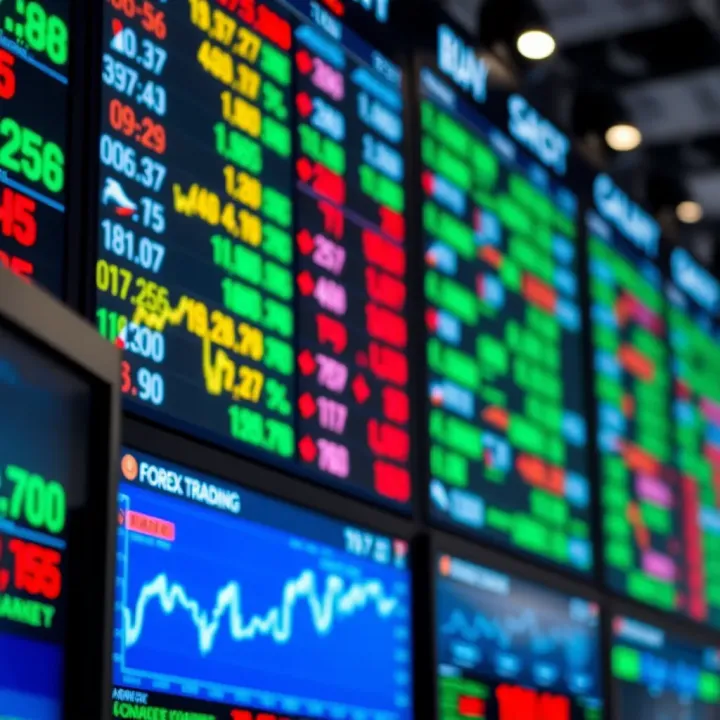
Each currency pair has a base currency and a quote currency. In USD/NGN, the USD is the base while NGN is the quote. This means if USD/NGN = 460, it costs ₦460 to buy 1 US dollar. This distinction is key for traders because any price movement affects the buying or selling power depending on which currency they hold or want to acquire.
Central banks and governments play crucial roles by setting monetary policies that influence currency values. For Nigeria, the Central Bank of Nigeria (CBN) may intervene in the forex market to stabilise the naira or manage inflation. Such actions cause sharp price movements, which traders must anticipate.
Meanwhile, commercial banks and financial institutions execute the bulk of forex transactions. These players move huge volumes daily, affecting liquidity and price trends. Many retail traders rely on their rates and services since banks act as key intermediaries in currency exchange.
At the retail level, individual traders and brokers form the front line. Brokers connect you to larger platforms, offering access to market data, leverage, and execution tools. Choosing a reliable broker matters—a poor choice can mean delayed trades or unfair spreads, reducing your chance of success.
The forex market runs 24 hours, divided into three key sessions: Asia, London, and New York. Each session has unique trading volumes and patterns. For instance, London sees heavy activity because it overlaps with both Asian and New York sessions.
For Nigerian traders, the best times to trade often coincide with the London and New York sessions, which run approximately from 8:00 am to 12:00 pm and 2:00 pm to 5:00 pm WAT respectively. This is when liquidity peaks, offering tighter spreads and better price movements to exploit.
Knowing when the market is most active helps minimise costs and improve your chance of executing profitable trades.
By grasping these operational aspects, you can navigate the forex market with more confidence and make smarter trading decisions tailored to Nigeria’s time zone and economic context.
Navigating the forex market requires a solid grasp of its key concepts. These ideas shape how traders make decisions, manage risks, and potentially boost profits. In this section, we focus on elements that have direct impact on your trading experience — leverage, margin, pips, spreads, and order types — all essential for any Nigerian trader keen on effective forex participation.
Leverage lets you control a large position with a relatively small amount of money. For example, with a leverage ratio of 100:1, you can open a ₦100,000 trade with only ₦1,000 in your account. This magnifies your potential profit if the trade moves in your favour. However, the same leverage amplifies losses, sometimes wiping out your trading capital swiftly, especially in volatile markets like forex.
Margin is the amount your broker requires to open or keep positions. It acts like a deposit. If the market moves against your trade, your broker may issue a margin call, asking you to add funds or close some positions to prevent further losses. Understanding these concepts helps you avoid unexpected liquidation and plan how much capital to keep aside, especially since margin levels differ across brokers operating in Nigeria.
A pip is the standard unit to express currency price changes. Typically, it's the fourth decimal place in most currency pairs. For instance, if USD/NGN moves from 461.5000 to 461.5100, that’s a 1-pip move. Tracking pips allows traders to quantify profits or losses precisely, which is vital when calculating returns on trades in a market known for forex rate fluctuations.
The spread is the difference between the bid (selling price) and ask (buying price) in a currency pair. It represents the broker’s fee in a roundabout way. Narrow spreads are better for traders because they reduce the cost of entering and exiting trades. For Nigerian traders, especially those trading frequently or with small accounts, choosing brokers with competitive spreads like those on USD/NGN can make a big difference in profitability.
Market orders execute immediately at the current price, ideal when speed matters. Limit orders, however, let you set a specific price to buy or sell, helping you enter or exit at better rates. For example, when the Naira is weakening against the Dollar, you might set a limit order to buy USD/NGN if it drops to a preferred rate, avoiding unnecessary slippage.
Stop-loss orders automatically close a trade to prevent bigger losses, crucial in a market with sudden swings. Take-profit orders close a trade when it reaches a set profit level, locking in gains without constant monitoring. Together, these orders form the backbone of risk management, helping Nigerian traders protect their capital amid unpredictable forex market turns.
Mastering these key concepts not only sharpens your trading skills but also guards you against costly mistakes often seen in less experienced traders. With this foundation, stepping into the forex market becomes less of a gamble and more of a calculated endeavour.
Understanding the risks and rewards in forex trading is essential for anyone looking to participate in this market seriously. Forex offers promising opportunities but carries significant hazards, especially for traders unfamiliar with its volatile nature and the complexities of leveraged positions. This section highlights key risks and potential gains, guiding Nigerian traders to make informed decisions.
Market volatility and price fluctuations are at the heart of forex trading risks. Currency values can swing wildly within minutes, influenced by economic indicators, political developments, or global events such as changes in oil prices—particularly relevant for Nigeria’s economy. For example, sudden naira depreciation against the US dollar can trigger rapid losses or gains, making timing crucial. Volatility means that even a well-researched trade can face unexpected reversals, so traders must monitor markets closely and avoid trading with emotion.
Leverage dangers and potential losses present another significant hazard. Leverage lets traders open positions larger than their deposit, magnifying both profits and losses. A ₦10,000 investment with 50:1 leverage means controlling ₦500,000 worth of currency. While this increases earning potential, a small adverse move can wipe out the entire capital or even lead to debt if not managed properly. Nigerian traders, who might be tempted by high leverage offers from some brokers, should fully grasp margin requirements and use stop-loss orders to limit exposure.
Broker reliability and scams to watch are also critical considerations. The forex scene in Nigeria has seen fraudulent brokers promising guaranteed returns or manipulating client accounts. It's vital to select brokers registered with credible authorities such as the Securities and Exchange Commission (SEC) Nigeria and verify their reputation through reviews and user feedback. Avoid brokers without transparent fee structures or those reluctant to provide clear contact information, as these may indicate scams.
Access to global markets allows Nigerian forex traders to participate beyond local economic constraints. Unlike the limited liquidity or regulatory hurdles in some domestic markets, forex trading provides open access to major currencies around the clock. This means traders can exploit market movements in USD, EUR, GBP, or even emerging market currencies at their convenience, diversifying income streams and reducing dependence on local market volatility.
Opportunities for profit in both rising and falling markets expand trading strategies available to Nigerians. Forex trading isn’t limited to buying low and selling high; traders can also short-sell currencies, making profits from falling prices. For instance, anticipating a decline in the naira against the dollar allows a trader to position accordingly and gain from depreciation. This flexibility makes forex attractive compared to many other investment options that profit only from upward price movement.
Managing risks while seizing rewards requires discipline, research, and choosing trustworthy brokers. The forex market’s potential for profit is real, but so is the possibility of loss.
In essence, forex trading combines promising opportunities with real risks. Nigerian traders who understand these dynamics well and prepare properly stand a better chance of success in this demanding market.
Starting forex trading in Nigeria calls for more than just basic knowledge of currency pairs and price movements. You need to understand how local regulations, broker reliability, and trading tools affect your success. With Nigeria's growing interest in forex, especially among youth and entrepreneurs, knowing how to start properly can protect your funds and increase your chances of consistent profit.
Choosing the right broker is key. Regulatory bodies like the Securities and Exchange Commission (SEC) in Nigeria provide guidelines and licences for brokers operating within the country. Trading with brokers registered or recognised by such bodies helps protect you from fraud and unfair practices. For example, an unregulated broker may delay withdrawals or manipulate prices, which can quickly eat into your trading capital.
Beyond regulation, scrutinising broker reviews from experienced traders offers insight into their service quality, platform reliability, and customer support. Reports of frequent downtime or poor execution speed are red flags. Also, brokers licensed by international regulators such as the UK's Financial Conduct Authority (FCA) or Australia's ASIC indicate higher credibility, though always confirm their operations comply with Nigerian rules. This level of due diligence prevents falling victim to scams, which are unfortunately common in the forex world.
Nigerian traders often prefer popular platforms like MetaTrader 4 (MT4) and MetaTrader 5 (MT5) for their reliability and user-friendly interfaces. These platforms provide advanced charting tools and automated trading options, essential for analysing markets and executing trades quickly. Some brokers also offer web-based platforms that require no installation, useful if you use several devices or have limited storage.
Given Nigeria’s power and internet challenges, mobile apps have grown popular. Brokers like Oanda and XM have mobile apps optimised for slower connections. In addition, USSD trading options allow placing orders via simple codes, handy for traders without smartphones or stable internet. This flexibility means you can enter or exit trades without being tied down to a laptop or uninterrupted Wi-Fi.
Setting realistic goals keeps your forex journey sustainable. For example, aiming for steady monthly returns of 5-10% is more achievable than hoping for sudden large profits, which tend to lead to risky behaviours. Your goals should also consider your available capital, daily schedule, and even psychological readiness for losses.
Managing risk is vital. This involves deciding how much of your capital to risk on each trade—often 1-2% is recommended. Good capital allocation means you don’t put all your money into one or two trades but spread out to limit exposure. Using stop-loss orders protects your funds from unexpected market swings, which are common with Nigeria’s volatile naira exchange rates. A clear plan helps you react calmly instead of driven by emotion.
Beginners focusing on choosing the right broker, trading tools, and a solid plan increase their chances of long-term success. Remember, forex trading is a marathon, not a sprint.
Getting started the right way avoids many headaches later and turns your trading into a professional pursuit rather than guesswork.
📊 Discover how forex trading software helps Nigerian traders make better ₦ decisions in currency markets. Learn features, types, risks & how to pick the right platform.
Learn how forex swap rates impact your trading costs and profits in Nigeria 🇳🇬. Get tips to manage swap fees and discover swap-free account options for safer trading.
Learn how pips impact your forex trading gains and losses in Nigeria 🇳🇬. Get practical tips on pip calculation, broker displays, and risk management for better ₦ profits.
📈 Discover how forex trading lets Nigerians profit from currency value changes. Learn key players, market workings, risks, and tips to trade smartly in Nigeria.
Based on 6 reviews