

Online Forex Trading Guide for Nigerians
Learn how online forex trading works in Nigeria 🇳🇬 Discover key terms, platforms like OPay and Kuda, plus risks and tips to trade smart with ₦ on your mind 💹
Edited By
Liam Prescott
Forex trading platforms serve as the bridge between you and the global foreign exchange market. These platforms give traders access to live currency pairs, real-time charts, and execution of trades. For Nigerian traders, choosing the right platform can make the difference between smooth trading and frustrating delays.
Understanding how these platforms work is vital before committing your funds. Essentially, they act as software that connects you to forex brokers’ liquidity pools. Here, you buy and sell currency pairs like USD/NGN, EUR/USD, or GBP/USD. The platform shows live prices, lets you analyse market movements with technical tools, and sends your trade orders to the broker for execution.

Not all platforms are built alike. Some are simple and user-friendly for beginners, while others come with advanced charting tools, algorithmic trading options, and support for automated bots. Some platforms stand out for their speed and reliability, which helps to avoid slippage — a common issue where trade prices differ from expected levels.
For Nigerian traders, platform features tailored to local realities matter. Since internet stability can fluctuate, a platform with offline capabilities or a mobile app that works well on 3G or 4G networks will ease trading on the go. Also, options supporting payments through Nigerian banks, or integration with popular payment services like Paystack or Flutterwave, make deposit and withdrawal seamless.
Remember, a solid trading platform isn't just about bells and whistles—it should prioritise security, speed, and ease of fund management so your trading experience stays smooth and safe.
When evaluating forex platforms, consider these pillars:
Execution speed: Fast order execution reduces risk and maximises profit chances.
Security: Look for platforms regulated by global bodies or locally recognised authorities.
Trading tools: Charting, indicators, and news feeds help informed decisions.
Cost structure: Check spreads and commissions; tight spreads save costs over time.
Customer support: Reliable, accessible help can be critical during volatile market hours.
Platforms commonly used by Nigerians include MetaTrader 4 (MT4), MetaTrader 5 (MT5), and cTrader for desktop trading, plus mobile-friendly apps like OANDA and Pepperstone. Many brokers in Nigeria also offer USSD codes or app integrations to fund accounts directly from Nigerian bank accounts.
In this guide, we'll explore how these features balance against your trading needs and financial goals, helping you pick a forex platform that truly works for Nigeria's market conditions and regulatory environment.
Understanding how forex trading platforms operate is essential for Nigerian traders aiming to navigate the forex market effectively. These platforms serve as the bridge between traders and the vast global currencies market, allowing real-time trading, analysis, and risk management. Knowing the mechanics behind them helps traders assess which platform suits their trading style, meets their security needs, and offers the functionality that can give them an edge.
Currency pairs and market hours: Forex trading revolves around currency pairs, where one currency is exchanged for another. Common pairs include USD/NGN (US Dollar to Nigerian Naira) and EUR/USD (Euro to US Dollar). The market operates 24 hours a day during weekdays because it spans global financial centres from Asia to Europe to America. For Nigerian traders, the active trading periods correspond with the overlap of London and New York market hours, roughly from 2 pm to 7 pm WAT. This timing impacts liquidity and volatility — features that determine the best moments to enter or exit trades.
Role of leverage and margin: Leverage allows traders to open positions much larger than the money they have on hand. For example, with a 50:1 leverage ratio, ₦10,000 can control a trade worth ₦500,000. However, this increases both potential profits and risks. Margin is the collateral required to maintain open positions; if the market moves against the trader, margin calls may occur, requiring more funds to keep the trade open. Nigerian traders must use leverage cautiously, especially because rapid naira fluctuations can amplify losses.
Spread, commission, and fees: The spread is the difference between the buying (ask) and selling (bid) price of a currency pair. Some platforms charge a fixed spread, others a variable, often wider during volatile times. Commissions may also apply per trade, depending on the broker or platform. These costs directly eat into profit margins, so understanding fee structures—like whether withdrawal or deposit attracts charges—is vital for Nigerian traders trying to maximise returns.
User interface and charting tools: A clear, easy-to-navigate user interface helps traders analyse markets more efficiently. Platforms like MetaTrader 4 and 5 offer advanced charting tools with multiple indicators to spot trends and price action. Nigerian traders benefit from interfaces that work well both on mobile phones and desktops, given the varying power supply and internet conditions.
Order types and execution: Different order types—market, limit, stop-loss—allow traders to control entry and exit points effectively. Swift and reliable order execution is crucial, particularly in volatile markets like forex where seconds matter. Platforms with low latency servers give Nigerian traders the chance to capitalise quickly on market movements without costly delays.
Risk management features: Features like stop-loss orders, take-profit levels, and guaranteed stop placements help traders manage risks. Given the unpredictability of forex markets and the naira’s volatility, these tools are invaluable for protecting investments. Platforms that provide alerts or automated risk controls empower Nigerian traders to preserve capital even when they cannot monitor markets continuously.
Selecting the right forex trading platform involves understanding these core elements—knowing how markets operate, appreciating the costs involved, and using tools that support smart, timely decisions. Such knowledge positions Nigerian traders to trade more confidently in the world’s largest financial market.
Choosing the right forex trading platform is critical for Nigerian traders because it directly impacts trading success and safety. The local environment poses unique challenges like variable internet quality, regulatory considerations, and payment integration. Understanding key platform features such as reliability, security, and payment compatibility helps traders avoid unnecessary losses and delays.
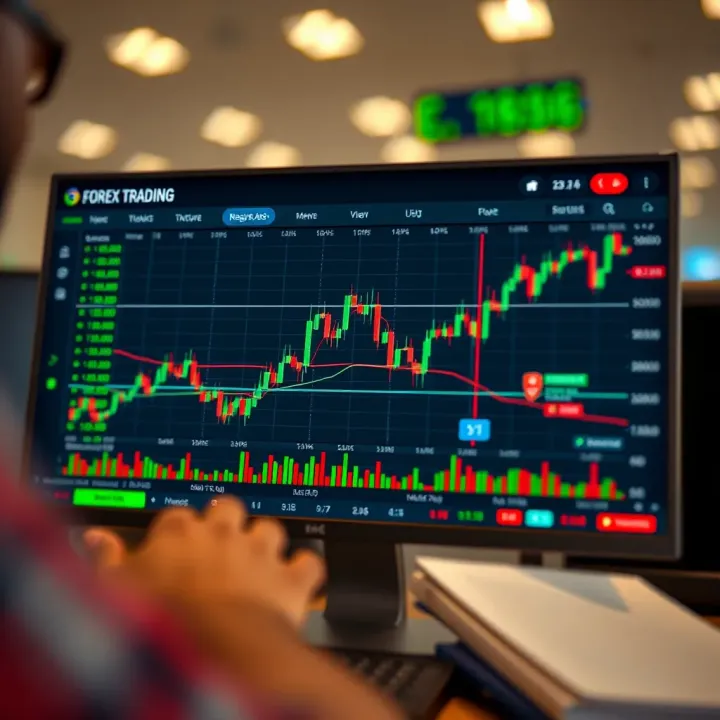
Server uptime and performance: A platform's server uptime reflects how often it's operational without interruptions. For Nigerian traders, a platform boasting 99.9% uptime means very little downtime, reducing the chances of missed trades or access issues. For example, during volatile market movements, if a server goes down briefly, you could lose an opportunity to buy or sell at your preferred rate, affecting profit.
Latency in trade execution: Latency measures delay between order placement and actual execution. Lower latency ensures your trades happen closer to your intended price. Given that unstable internet and slower connections are common in some parts of Nigeria, choosing platforms with global servers or close proximity, or that optimise data compression, reduces lag. This can be a difference-maker, particularly for scalpers or day traders who depend on speed to capitalise on quick market fluctuations.
Licensing by Nigerian and international authorities: Platforms regulated by reputable bodies, for instance the Central Bank of Nigeria (CBN) or international authorities like the Financial Conduct Authority (FCA) in the UK, offer legal safeguards. This means your funds are better protected and operators must adhere to strict standards. Nigerian traders should verify platform licences to steer clear of scams and black-market operators that can vanish with deposits.
Data protection and account safety: Sensitive personal and financial information must be shielded with strong encryption and multi-factor authentication. Platforms that regularly update their security protocols help prevent hacking incidents and data leaks. Nigerian traders often report cyber risks amplified by public Wi-Fi and shared devices, so account safety features like two-step verification are not just extras—they're necessary.
Local bank transfers and USSD options: Efficient funding and withdrawal are vital. Platforms supporting local bank transfers enable traders to move money in and out without high conversion fees or delays. USSD codes also simplify quick deposits without requiring smartphones or internet, catering to traders in rural or low-connectivity areas. For instance, a trader in Abeokuta might find USSD more reliable than mobile app transfers.
Integration with Nigerian fintechs like Paystack and Flutterwave: Integrations with fintech platforms popular in Nigeria make deposits and withdrawals smoother. These fintechs handle local currencies (₦) efficiently and offer multiple payment channels—from cards to mobile money—reducing friction. This convenience encourages more frequent trading without the headache of convoluted payment steps.
Securing a fast, reliable, and regulated trading platform that understands Nigerian payment methods is foundational for any trader serious about making consistent gains in forex.
Ultimately, selecting a forex platform that ticks these boxes protects not just your money but also time and peace of mind.
Understanding which forex trading platforms are popular in Nigeria matters because it helps traders know the tools that best suit the local market environment. These platforms vary in features, cost, integration with Nigerian payment systems, and support for Naira accounts—factors that significantly affect trading experience and profitability.
MetaTrader 4 and 5 are two of the most widely used platforms worldwide, including in Nigeria. MetaTrader 4 (MT4) offers a user-friendly interface and plentiful charting tools that suit both beginners and seasoned traders. MetaTrader 5 (MT5), the newer version, expands on MT4 with additional asset classes, improved order handling, and more technical indicators. Nigerian traders often prefer MT4 for its simplicity and widespread broker support; many brokers in Nigeria offer MT4 as a standard option. MT5 is gaining ground for those seeking a more advanced toolkit, especially traders wanting to diversify beyond forex.
cTrader and other widely used platforms offer an alternative to MetaTrader with distinct features. cTrader appeals to more experienced traders due to its level II pricing, advanced order types, and customisable interface. It supports algorithmic trading through cAlgo, making it valuable for those who rely on automated strategies. Platforms like NinjaTrader and TradingView also find users among Nigerian traders for specific niches, like futures trading or in-depth charting. These platforms’ accessibility depends on the broker, so Nigerians should confirm availability and local support before committing.
Some Nigerian brokers have developed platforms with Naira account support to make deposit and withdrawal easier and avoid hefty currency conversion fees. This feature is crucial since currency volatility and the naira-dollar rate fluctuation add complexity to funding trading accounts. Platforms allowing direct trade in ₦ simplify the process, making forex trading more practical for many Nigerians. Examples include proprietary platforms from local brokers such as FXTM Nigeria or localised versions of global platforms.
Integration with Nigerian payment gateways is another key feature local platforms emphasise. Using popular Nigerian fintech services like Paystack or Flutterwave, these platforms ensure smooth, quick deposits and withdrawals through local banks or mobile money options. This integration is vital in the Nigerian context where bank transfers can be slow or expensive, and USSD payments keep growing in popularity. It also reduces reliance on cards and international payment methods, which often carry extra charges and delays.
Choosing the right forex platform means balancing usability, cost, and practical payment options tailored to Nigeria’s unique financial ecosystem.
In summary, popular forex platforms in Nigeria blend global standards with local convenience. Whether opting for widely recognised tools like MetaTrader or localised platforms with naira support and fintech integration, traders benefit most when the platform suits their trading style and Nigerian market realities.
Understanding the costs involved in forex trading platforms is crucial for Nigerian traders because these expenses directly impact trading profitability. While many platforms advertise zero commissions, hidden charges like spreads, fees from currency conversions, and deposit or withdrawal costs can add up quickly. Knowing these costs helps traders budget better and avoid surprises during transactions.
Spreads represent the difference between the buy (ask) and sell (bid) price of a currency pair. Forex brokers typically earn through these spreads, and tighter spreads generally mean lower costs for traders. For example, trading the EUR/USD pair on a platform with a 1.5-pip spread costs more per trade than on one with a 0.7-pip spread. Over many trades, these differences shave off profits, especially for scalpers or high-frequency traders.
Commissions are another cost charged by some brokers alongside or instead of spreads. Platforms like cTrader tend to charge commissions per trade volume rather than marking the spread wider. Nigerian traders should weigh whether a low spread with commissions or a higher spread without commissions suits their trading style.
Always calculate total transaction costs—including both spreads and commissions—to gauge the true cost of every trade.
Many global forex platforms operate in US dollars or euros. When Nigerian traders fund their accounts using naira, currency conversion fees apply. These fees first come from your bank or payment provider before any charge from the platform.
For instance, if you deposit ₦100,000 equivalent in US dollars, the intermediary rates and conversion levies could reduce your initial trading capital by several percent. Since the naira can fluctuate against the dollar, these costs vary but remain a significant factor when moving funds in and out.
Besides conversion fees, several forex platforms factor in charges when you deposit or withdraw funds. Nigerian banks and fintech players like Paystack and Flutterwave may add service fees or network transaction costs for funding by local bank transfer or USSD.
Withdrawal fees can be particularly steep; some brokers charge fixed fees upwards of $30 per withdrawal. If you’re trading with smaller amounts or frequently moving money, these charges can erode gains faster than expected. Choosing platforms with low or no withdrawal fees, and compatible with Nigerian payment systems, is key to maximising realised profits.
Keeping a close eye on these costs empowers Nigerian traders to make smarter decisions, avoid unnecessary expenses, and sustain trading over the long run.
Choosing the right forex trading platform is a key step for Nigerian traders to succeed in the dynamic Forex market. With many options available, understanding your own trading style and practical needs will guide you to platforms that match your goals. Good selection also protects you from costly mistakes like poor execution speeds or unfavourable fee structures.
The strategy you use influences the type of platform you should pick. Scalpers, who open and close several trades within minutes or seconds to gain small profits, need platforms offering ultra-fast execution and low spreads to avoid losses mounting. On the other hand, long-term traders focus on holding positions over days or weeks, so their concerns lean more to stable connections and detailed charting tools rather than blazing speed. For example, a scalper in Lagos might benefit from a platform like MetaTrader 5 that supports fast order execution and flexible order types.
Consider where you plan to trade. If you are often on the move or prefer trading from your phone, a mobile-friendly platform is essential. Platforms with well-designed mobile apps allow quick trades during Lagos traffic jams or even while waiting at the barbing salon. Meanwhile, desktop platforms generally provide more advanced charting and analysis tools, suitable for traders who can dedicate time and focus at a workstation. Balancing your lifestyle with platform capabilities ensures you don’t miss trading opportunities.
Trying a platform's demo account gives first-hand insight into usability and interface design. A clunky or confusing layout can make trading frustrating and lead to costly mistakes. Nigerian traders should pay attention to how easily they can place orders, monitor open positions, and access account details. For instance, accessibility of basic commands in popular platforms like cTrader or MetaTrader 4 makes trading smoother.
Demo accounts also allow thorough testing of technical indicators, charting tools, and other features without any financial risk. Nigerian traders benefit from platforms that offer comprehensive but understandable toolsets tailored to their analysis style. For example, someone relying heavily on candlestick patterns or RSI (Relative Strength Index) needs their platform to support these clearly without hiding options behind complicated menus.
Word of mouth and reviews from fellow traders hold practical value. Nigerian traders should tap into Forex communities, forums, or groups where people share real experiences with specific platforms. Peer suggestions often highlight issues not obvious in adverts, like hidden fees, slow withdrawal times, or poor customer service. Being proactive here helps avoid platforms that look good on paper but underperform in practice.
Selecting the right forex platform isn’t just about bells and whistles but rather matching features to your trading habits and ensuring reliable, smooth operation in Nigeria’s unique market environment.
Learn how online forex trading works in Nigeria 🇳🇬 Discover key terms, platforms like OPay and Kuda, plus risks and tips to trade smart with ₦ on your mind 💹
📊 Discover how forex trading software helps Nigerian traders make better ₦ decisions in currency markets. Learn features, types, risks & how to pick the right platform.

Learn how forex swap rates impact your trading costs and profits in Nigeria 🇳🇬. Get tips to manage swap fees and discover swap-free account options for safer trading.
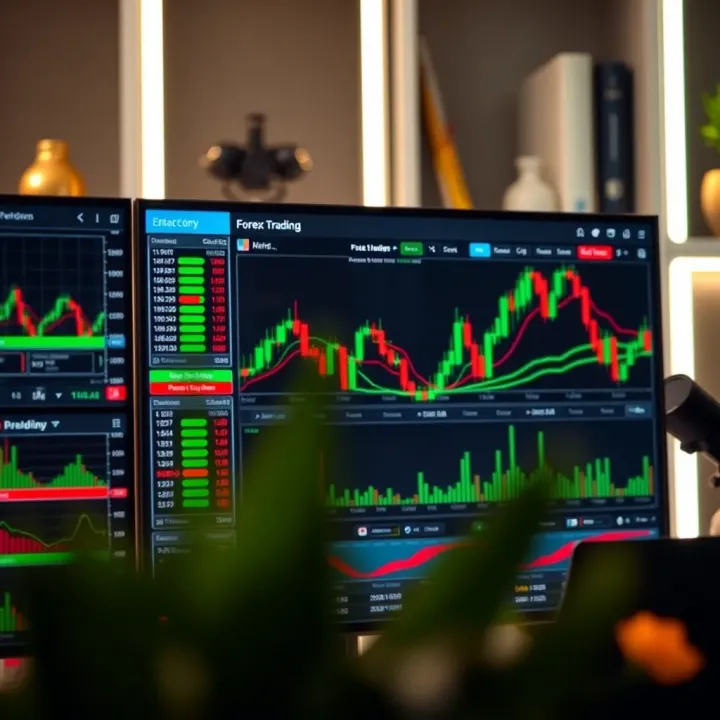
Explore top forex trading platforms in Nigeria, covering fees, security, payment options & regulator rules. Master trading with expert tips for ₦-based goals 📈💰
Based on 14 reviews