
Candlestick Patterns Cheat Sheet for Nigerian Traders
Master Nigerian trading with this practical guide on candlestick patterns 📊. Learn reliable setups, combine tools smartly, and boost your ₦ trading success today.
Edited By
Sophie Williams
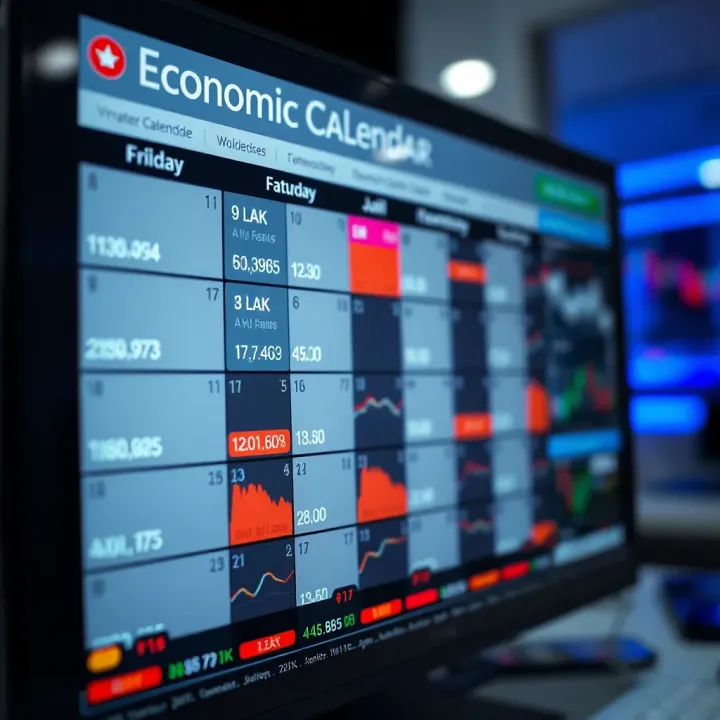
For every investor or trader navigating Nigeria's financial markets, the economic calendar is an indispensable tool. It tells you when key economic indicators will drop, central bank decisions are announced, or government policies take effect. Tracking these events can help you anticipate market moves and protect your investments.
The calendar lists scheduled releases such as inflation rates from the National Bureau of Statistics (NBS), Central Bank of Nigeria (CBN) monetary policy meetings, employment figures, and trade balances. Each event can trigger shifts in the Naira’s value or affect equities on the Nigerian Exchange Group (NGX).
Consider the CBN's Monetary Policy Committee meetings. Decisions on interest rates directly influence lending costs and market sentiment. Knowing the timing helps traders adjust positions to avoid unexpected losses or capitalise on trends. For example, a surprising rate cut can cause banking stocks to rise swiftly.
Global events also matter — US Federal Reserve rate updates or crude oil inventory reports impact Nigeria’s oil-dependent economy. The economic calendar includes these so you can keep a broader market view.
Using an economic calendar is about being proactive. It offers foresight into market volatility, helping you make firm decisions instead of reacting to surprises.
To make the best use of an economic calendar, focus on:
Event Timing: Know exactly when data or announcements occur.
Impact Level: Not all releases move markets equally; prioritise high-impact events.
Historical Context: Compare current data with previous numbers to spot trends.
Sector Relevance: Track events affecting your investment areas – banking, oil, agriculture.
In a market like Nigeria’s, where news can sway prices quickly, relying on the economic calendar adds an edge. It lets you set alerts for crucial events and plan trades or investments around anticipated shifts. This way, you limit surprises and position yourself to benefit from both local and international developments.
Using the economic calendar is not just for financial analysts; it's a practical tool for all Nigerians serious about growing and protecting their wealth intelligently.
An economic calendar lists scheduled economic events and data releases that impact financial markets. For Nigerian investors and traders, this tool acts as a compass, keeping them aware of upcoming information like inflation figures, central bank decisions, employment data, and trade balances. These events directly influence market movements, such as the naira exchange rate, Nigerian Stock Exchange (NSE) activity, and commodity prices.
The economic calendar showcases key dates when governments, institutions, or agencies release economic indicators or hold policy meetings. Examples include Nigeria's Central Bank of Nigeria (CBN) monetary policy committee meetings, inflation reports from the National Bureau of Statistics (NBS), and crude oil supply updates. Each update reveals fresh market data that can shift investor sentiment and price trends rapidly.
These scheduled releases allow market participants to anticipate changes rather than react blindly. For instance, if the CBN signals a potential interest rate hike in its monetary policy decision, forex traders can predict naira appreciation or volatility ahead of actual trading moves.
In financial market analysis, the economic calendar offers valuable context. Analysts use it to understand why markets move sharply on a particular day or why a stock may rise or fall after a data release. By comparing expectations versus actual outcomes, traders adjust their strategies accordingly.
Consider a situation where Nigeria’s inflation rate is higher than forecasted; this can prompt immediate sell-offs in fixed income securities or prompt the central bank to reconsider its policy stance. Without the calendar, these sudden market swings would feel random.
Investors use economic calendars to schedule their moves around significant events. Knowing when companies will release earnings or when the CBN will meet enables them to avoid unexpected losses or capitalise on timely opportunities. For example, an investor in Nigerian banking stocks may hold off buying just before quarterly earnings to avoid exposure to volatile price reactions.
This planning also extends to allocating capital based on expected events—for instance, increasing foreign exchange reserves before a crucial CBN meeting to hedge against naira depreciation risks.
Traders, especially those in forex or equities, rely on the economic calendar to time their entries and exits precisely. High-impact events often create volatility, which some traders seek to exploit or avoid. Knowing the timing helps them set appropriate stop-loss or take-profit levels to limit downside and lock in gains.
Risk management is even more critical in Nigeria’s sometimes unpredictable markets. Sudden policy shifts or data delays can catch traders off guard, but an updated economic calendar mitigates surprises by signalling upcoming market-moving events.
Using the economic calendar effectively means you're not only reacting to the market but anticipating its moves based on concrete information. This edge is key to successful investing and trading in Nigeria’s changing economic landscape.
In summary, for Nigerian investors and traders, mastering the economic calendar is not just about tracking dates—it’s about understanding the story behind the numbers and positioning themselves wisely to benefit or shield against the ripples those events cause in local and global markets.
The economic calendar lists key indicators and events that shape market movements both globally and locally. For Nigerian investors and traders, understanding these elements helps anticipate shifts in markets, manage risks, and seize investment opportunities. The calendar draws attention to scheduled data releases and central bank announcements that impact currencies, stocks, and commodities.
Inflation data, such as the Consumer Price Index (CPI), measures how prices for goods and services change over time. When inflation rises sharply in major economies like the US or China, it often triggers central banks to adjust interest rates. This moves global capital and affects emerging markets, including Nigeria. For instance, a sudden jump in US inflation can strengthen the dollar, causing naira weakness and higher costs for imported goods.
Tracking inflation numbers allows investors to prepare for volatility in forex and equity markets. It also sets expectations for the Central Bank of Nigeria's monetary policy stance, since global inflation pressures often filter into the domestic economy.
Monthly employment data, such as the US Non-Farm Payrolls report, is a major market mover. Strong job growth signals a healthy economy, often boosting investor confidence and risk appetite. Conversely, rising unemployment can hint at economic slowdown.
For Nigerians trading forex or international stocks, these reports guide decisions on currency positioning and portfolio adjustments. A weaker labour market may reduce demand for Nigeria's oil exports, pushing prices down and affecting the naira exchange rate. Being aware of these reports helps investors avoid surprises during volatile periods.
GDP indicates the total value of goods and services a country produces. Quarterly GDP growth rates reveal if an economy expands or contracts. Positive GDP growth in Nigeria or trading partners can spur stock market gains and improve investor sentiment.
Since GDP reflects overall economic health, Nigerian investors watch Nigeria’s Nigerian National Bureau of Statistics (NBS) releases alongside global counterparts like the US Bureau of Economic Analysis. Sudden GDP contractions abroad often weigh on crude oil demand and prices, directly influencing the Nigerian economy.
Central bank meetings, such as those by the Federal Reserve or the CBN, result in interest rate decisions that affect borrowing costs and liquidity in markets. An increase in rates abroad tends to attract foreign capital away from emerging markets, causing naira depreciation and stock sell-offs.
By monitoring central bank calendars, investors can anticipate policy changes, adjust leverage positions, and better time trades. The monetary policy committee decisions are particularly critical because they reflect current economic outlooks and inflation control measures.
The Central Bank of Nigeria’s monetary policy committee (MPC) meets every two months to set benchmark interest rates and policy guidelines. These meetings signal how the CBN plans to manage inflation and stabilize the naira.
For traders and investors, MPC outcomes can trigger sharp moves in forex and bond markets. Unexpected rate hikes raise borrowing costs but may support the naira; rate cuts can stimulate economic activity but risk higher inflation. Staying updated on MPC schedules and statements helps with timely portfolio adjustments.
Inflation reports from the National Bureau of Statistics provide insight into the cost of living trends across Nigeria. Rising inflation often pressures consumer spending, impacting stocks and bond yields.
Trade balance data, showing imports and exports, reveals Nigeria’s foreign exchange flow. Persistent trade deficits may weaken the naira and cause currency volatility. Investors tracking these reports can better understand domestic demand trends and foreign currency supply.
Official and parallel market exchange rates are closely watched. Sudden divergence often signals supply pressures or policy shifts. For example, a widening gap between the NAFEX (Nigerian Autonomous Foreign Exchange) and the black-market rates may hint at forex scarcity.
Knowing when the CBN updates rates or intervenes informs currency trading strategies and risk management. Forex traders use these releases to decide when to open or close positions and hedge currency exposure.
Annual budget announcements by the Nigerian government set spending priorities and revenue targets. These presentations affect sectors like infrastructure, agriculture, and energy, which, in turn, influence stock market sectors.
Fiscal reports on revenue collection and debt levels also affect investor confidence. Deficits or spending overruns might lead to currency weakness or pressure on government bonds. Monitoring budget cycles allows investors to anticipate market sentiment shifts and adjust accordingly.
Paying close attention to these key indicators empowers Nigerian investors to connect domestic happenings with global trends, enabling smarter decisions in fluctuating markets.
Nigerian investors and traders rely heavily on the economic calendar to navigate the often volatile local and international markets. This tool helps them anticipate market shifts triggered by scheduled economic events, enabling more precise timing of investments and better risk management. Understanding both domestic and global influences is key to making sound investment moves.
Global economic reports, especially from major economies like the US, China, and the Eurozone, directly impact the value of the naira and the Nigerian Stock Exchange (NSE). For instance, a strong jobs report in the US often signals possible interest rate rises by the Federal Reserve, which can lead to capital outflows from emerging markets like Nigeria. This creates pressure on the naira, often causing depreciation.
Similarly, foreign investor sentiment towards global equities can affect the NSE's performance. When international markets experience turbulence due to poor economic data abroad, foreign portfolio investors may withdraw from Nigerian stocks, leading to sudden dips. Hence, tracking foreign data events gives Nigerian investors a heads-up to adjust portfolio exposure accordingly.
Nigeria's economy is deeply tied to global commodity prices, particularly crude oil and agricultural products. Changes in crude oil prices on the global stage reverberate through Nigeria’s fiscal and trade balances. For example, a sharp drop in Brent crude prices can force the Federal Government to revise its budget assumptions, affecting infrastructure projects and broader economic activity.
Agricultural commodity prices also influence inflation and food security within Nigeria, affecting consumer spending power. Investors in sectors like agro-processing or manufacturing monitor these commodity trends closely via the economic calendar to forecast earnings and adjust strategies.
Corporate earnings announcements on the NSE serve as critical signals for investors. Positive results often drive share prices up, while disappointing numbers can trigger sell-offs. By aligning trades around anticipated earnings releases, investors can optimise entry and exit points.
Events like shareholder meetings and dividend declarations also matter. For example, a company announcing a substantial dividend payout might see heightened buying interest. Using the economic calendar ensures traders are aware of these key dates to capitalise on potential price movements.
Decisions by the Central Bank of Nigeria (CBN), especially from its Monetary Policy Committee (MPC) meetings, sway the forex market significantly. Policy rate changes, foreign exchange interventions, and regulatory adjustments influence the naira’s value and liquidity.
For example, a surprise hike in the monetary policy rate might strengthen the naira temporarily but could increase borrowing costs for businesses. Traders who follow the economic calendar can prepare for market volatility around these announcements by adjusting their forex positions to mitigate risk.
Currency volatility poses a constant threat to Nigerian investors, especially those involved in import-export or holding foreign-denominated assets. Monitoring scheduled economic data through the calendar helps anticipate periods of likely naira swings.
Strategies such as using forward contracts, diversifying portfolios to include foreign assets, or timing currency exchanges around predicted policy changes can reduce foreign exchange exposure. Staying informed via the economic calendar helps investors safeguard wealth against sudden adverse currency movements.
Effective use of the economic calendar enables Nigerian investors to respond proactively to market signals rather than reactively, increasing the chance of consistent returns even amid uncertainty.
In practice, a trader who notes an upcoming MPC meeting can avoid entering risky forex positions just before the decision, or an NSE investor tracking corporate earnings can plan to buy shares after good quarterly results, capturing value early. Both examples highlight the economic calendar as an indispensable tool for making informed Nigerian investment decisions.
Navigating economic calendars effectively is vital for Nigerian investors and traders, especially given the volatile nature of the market here. These calendars provide a schedule of key economic events and data releases that can sway markets, but knowing which sources to trust and how to interpret the data separates informed decisions from costly errors. Practical tips can help you filter relevant information, understand the context, and avoid common misreads that affect your trades or investments.
When it comes to Nigerian-specific data, choosing trusted financial websites and platforms is crucial. Platforms like Bloomberg Nigeria, Nairametrics, and BusinessDay offer timely updates on Central Bank of Nigeria (CBN) policy meetings, inflation figures, and exchange rate movements. These sources often incorporate local market nuances and align their schedules with Nigerian business hours, making them more practical for real-time trading decisions.
Using these reliable platforms prevents falling victim to outdated or inaccurate information, which has caused severally unnecessary losses in the past. For instance, reacting late to CBN’s monetary policy rate change can affect your forex positions negatively. Therefore, subscribing to alerts or setting reminders via these Nigerian-focused sources helps you stay ahead.
On the other hand, for events impacting Nigeria through global linkages, international economic calendars like those from Investing.com or Reuters provide details on world central bank meetings, oil price updates, and major US and European data releases. Global commodity prices and foreign monetary policy decisions often have immediate repercussions on the naira and Nigerian stock markets. For example, a surprise interest rate hike by the US Federal Reserve might lead to naira depreciation, affecting importers and forex traders. Staying informed with these global sources equips you to anticipate such moves.
One common challenge is distinguishing between economic data surprises and expectations. Markets often price in forecasted numbers, so when actual figures differ, the real impact is felt. For example, if Nigerian inflation is expected at 15% but releases at 17%, the naira and equities might respond sharply. Traders who understand this dynamic will watch consensus forecasts and prepare for volatility, rather than reacting impulsively.
Additionally, many economic figures come in preliminary and final forms. The initial report might be subject to revisions due to updated data or corrections. Nigerian GDP figures, for instance, are often released as preliminary estimates before final confirmation months later. Reacting solely on preliminary reports without caution can lead to misjudged strategies. Wise investors track updates and consider the margin of error before making large moves.
Economic calendar data is a map, not a guarantee. Interpreting it with context and reliable sources helps you steer clear of avoidable mistakes.
By carefully selecting your calendar sources and developing a strong understanding of data nuances, you'll manage market risks better and position yourself for smarter investment decisions in Nigeria’s unique economic environment.
Economic calendars provide a structured schedule of data releases and events, but their relevance depends heavily on the reliability and context of the information presented. In Nigeria, this means understanding how local economic conditions, reporting practices, and unique challenges shape the accuracy and usefulness of the calendar. For investors and traders, recognising these realities ensures better risk management and smarter positioning in volatile markets.
Nigeria faces frequent delays and inconsistencies in economic data reporting. For example, inflation figures or trade balances sometimes appear weeks later than scheduled, or revisions alter previously published numbers. This lag can catch investors off guard. A trader who acted on inflation expectations without real-time awareness might face unexpected losses when the actual data contradicts market sentiment.
Data inconsistencies arise from limited resources in statistical agencies and disruptions like power outages. These shortcomings not only slow data publication but raise questions about the accuracy of figures. Investors relying solely on official numbers may miss underlying economic shifts, especially where informal sector activities distort the real picture.
The unreliable flow of information influences market volatility and investor confidence. Sudden revisions or postponed reports trigger abrupt price swings on the Nigerian Exchange (NGX) or in the foreign exchange market. For instance, trader confidence dropped sharply during episodes when the Central Bank of Nigeria (CBN) delayed key announcements, leading to speculative naira movements.
Such unpredictability makes Nigerian markets riskier compared to economies with consistent economic reporting. A sharp drop in consumer confidence or an unexpected fuel subsidy removal might trigger market jitters before data capture reflects the reality. Investors must therefore factor in these uncertainties to avoid panicked reactions.
Fuel subsidy changes and power supply challenges have a direct bearing on Nigeria's economic landscape and therefore on investment strategies. When the government adjusts subsidies, it often triggers ripple effects across transport costs and consumer prices. For example, a sudden fuel price hike raises logistics expenses, impacting price-sensitive sectors like agriculture and manufacturing. Investors following the economic calendar need to anticipate these policy shifts and their likely timelines to position themselves correctly.
Similarly, frequent power outages in Nigeria push many businesses to rely on costly generators, increasing operational expenses and dampening profitability. This reality can delay expansions or suppress earnings reports, creating discrepancies in market expectations versus actual corporate performance.
Another unique factor is the large informal sector, which contributes significantly to Nigeria’s GDP but often escapes formal data collection. Informal trade, small-scale farming, and unregistered services fluctuate widely with factors like weather, social unrest, or policy changes but rarely appear fully in official statistics.
Understanding the informal sector’s effect helps investors avoid misreading economic strength or weakness. For example, a spike in informal activity during harvest season might not immediately reflect in GDP reports, yet it affects consumer spending and stock market sentiment. Investors and analysts should complement economic calendar data with local insights and non-traditional indicators such as transportation volumes or market foot traffic.
Recognising Nigeria’s economic peculiarities sharpens your use of the economic calendar, enabling you to navigate market surprises and spot opportunities others might miss.
By factoring in these realities, traders can adopt more resilient strategies, such as widening stop-loss limits around data releases, diversifying portfolios to hedge informal sector risks, or tracking alternative indicators alongside official reports. This approach turns the economic calendar from a simple schedule into a tool customised for Nigeria’s economic landscape.
Master Nigerian trading with this practical guide on candlestick patterns 📊. Learn reliable setups, combine tools smartly, and boost your ₦ trading success today.
📈 Learn how to spot key chart patterns to predict market moves and boost your trading skills. Grab handy PDFs tailored for Nigerian traders and investors today!

📚 Discover top Forex trading PDF books specially selected for Nigerian traders! Learn strategies, risk management, and where to find reliable guides to sharpen your skills.

📈 Master common candlestick chart patterns to improve your NGX stock and local fintech trades in Nigeria. Spot market moves clearly and boost your trading strategy.
Based on 6 reviews