
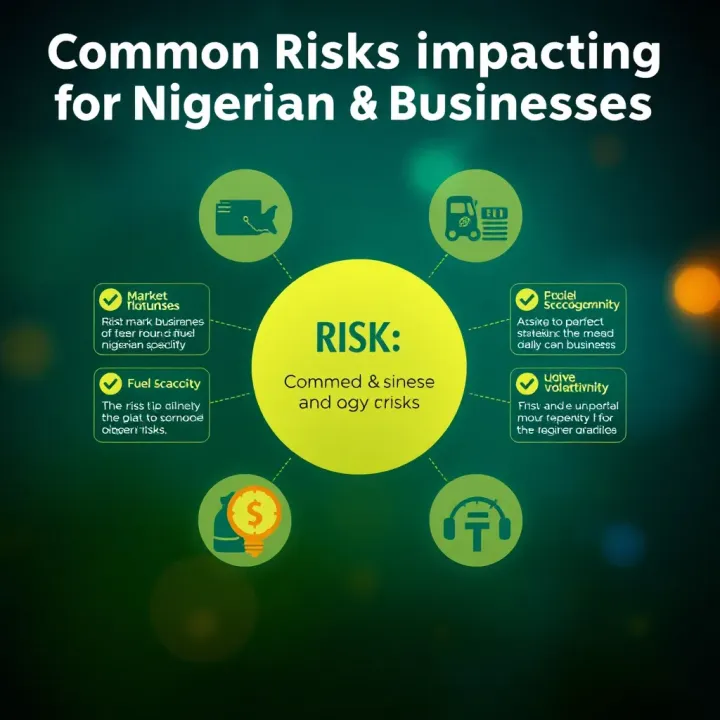
Risk Management Guide for Nigerian Businesses
📊 Learn how Nigerian businesses can spot, assess, and manage risks like market shifts, fuel scarcity, or naira volatility to protect profits and stay ahead. ✅
Edited By
Harry Mitchell
Managing risks properly in any project is not just a side task; it’s the backbone of delivering quality results within time and budget. For professionals like traders, investors, and analysts frequently involved in project execution, understanding how to navigate uncertainties can make or break success. Nigerian projects, with their unique challenges like unstable power supply, fluctuating exchange rates, and regulatory hurdles, demand tailored and proactive risk management.
Risk management in project execution involves a series of deliberate steps: identifying potential threats early, analysing their impact, and applying controls to either reduce or eliminate their effects. This approach helps safeguard project objectives and ensures resources are optimised — especially critical in Nigeria's often volatile business environment.
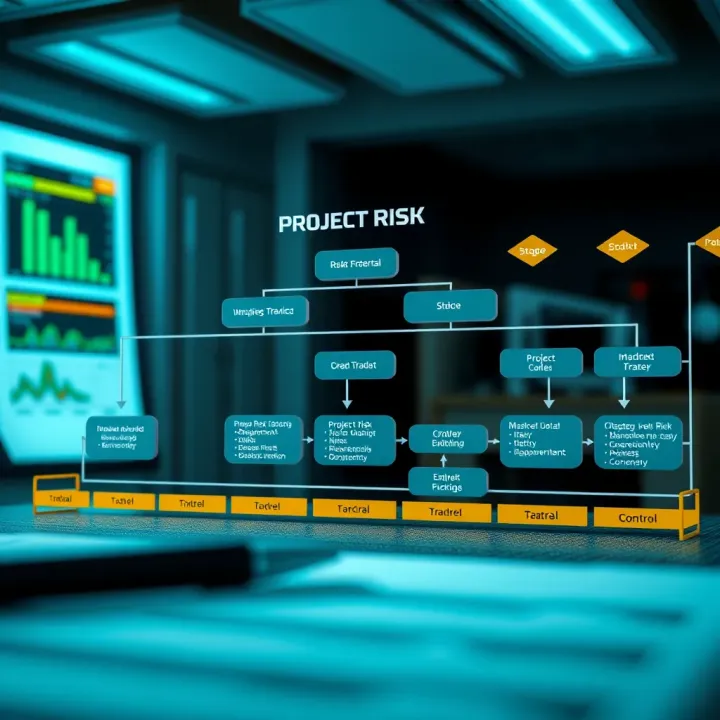
Operational Risks: Power outages, poor infrastructure, and supply chain disruptions frequently stall project timelines. For example, reliance on generator sets increases fuel expenses and affects budgeting.
Financial Risks: Currency volatility and unexpected changes in interest rates can inflate costs unexpectedly, affecting project financing.
Regulatory Risks: Sudden changes in government policies, import restrictions, or delays in obtaining permits can derail progress, often seen in construction or agricultural projects.
Environmental Risks: Rainy seasons or floods in certain regions can cause physical damage or delay, requiring contingency planning.
Effective risk management demands clear tools such as:
Risk Register: A live document tracking all identified risks, their severity, likelihood, and assigned mitigation measures.
Stakeholder Engagement: Keeping communication open with all parties including contractors, suppliers, and regulators reduces surprises.
Scenario Planning: Preparing multiple outcomes helps project teams respond swiftly when unexpected disruptions occur.
Successful risk management is not about guessing every issue but preparing flexible responses that limit damage and keep projects on track.
By mastering these steps, project managers and investors in Nigeria can improve forecasts, allocate resources wiser, and respond faster to challenges. In this way, projects have a better chance of finishing on schedule and within the planned budget.
Grasping the concept of risk management in projects is central to keeping ventures on track, especially in environments riddled with uncertainties. Effective risk management provides project leaders, investors, and analysts with tools to foresee potential setbacks and put in place measures that prevent derailing the project's timeline and budget.
Project risk refers to any event or condition that might affect the project's objectives negatively or positively. It's not just about what can go wrong but also the unexpected opportunities that might arise. For example, fluctuations in the naira exchange rate can dramatically alter costs in an infrastructural project reliant on imported equipment, representing a financial risk. Recognising these risks early is vital to reducing surprises down the line.
Managing risk is about preparing for uncertainties so that projects do not collapse under unforeseen pressures. A solid risk management plan helps project teams anticipate complications, evaluate their impact, and decide on the best course of action to either avoid, mitigate, transfer, or accept these risks. This continuous process increases the chance of hitting deadlines and keeping costs within forecast. Consider a construction project in Lagos where fuel scarcity could delay machinery work—risk management ensures contingency plans are in place to minimise downtime.
Projects in Nigeria often face unique challenges such as fluctuating currency values, infrastructural deficits, security concerns, and regulatory changes. For instance, delays caused by indiscipline in customs clearance can disrupt supply chains. Understanding these common pitfalls specific to the Nigerian market helps tailor risk assessments appropriately.
Failing to manage risks often results in swollen budgets and missed deadlines—a frequent outcome in Nigerian projects. When risks like erratic power supply are ignored, the costs of running diesel generators skyrocket, inflating project expenses unnecessarily. Moreover, delays can cause penalties and loss of client trust, weakening a company's reputation and future business prospects.
In short, grasping how to identify, assess, and handle risks in projects is not optional but essential, especially within Nigeria's dynamic business environment where risks differ from other markets.
Understanding the nuances of risk management enables stakeholders to make informed decisions swiftly, leading to successful project delivery despite the inherent uncertainties faced.
Identifying risks early in a project is fundamental for steering it successfully through uncertain waters. In project execution, especially within Nigeria’s dynamic business climate, understanding potential hazards helps prevent costly delays, budget overruns, and stakeholder dissatisfaction. This phase sets the foundation for risk management by pinpointing what might go wrong before it actually does.
Brainstorming with stakeholders offers a practical way to uncover risks that might otherwise be overlooked. Project managers bring together team members, clients, suppliers, and sometimes regulatory representatives to pool diverse perspectives. For example, a construction project in Lagos might involve architects, site engineers, and local community leaders during brainstorming sessions. Their collective input can reveal real-world issues such as local vendor reliability, unusual weather patterns in the rainy season, or community disturbances affecting site access.
This technique encourages open dialogue and taps into the experience of those closest to the project’s execution environment. It also builds shared awareness and early commitment to managing known risks. Facilitating this process regularly helps surface new risks as conditions change.

Using historical data and lessons learnt involves analysing previous projects for common pitfalls and successes to inform risk identification. Nigerian projects often face recurring challenges such as delays caused by prolonged porter licensing or unexpected naira depreciation. For instance, a telecom rollout might review records from similar projects in the southwest region to spot patterns in supplier delays or regulatory bottlenecks.
Applying insights from past projects reduces guesswork and directs attention to risks with proven impact. Organisations with good documentation and knowledge-sharing culture stand to benefit greatly here by adapting strategies that worked and avoiding past mistakes.
Financial risks, including naira volatility, are a heavyweight concern. Naira fluctuations can suddenly inflate costs for imported materials or equipment. A manufacturing firm budgeting for machinery in dollars may find prices jump steeply after a naira dip, eating into contingencies. Inflation and interest rate shifts add layers of unpredictability affecting cash flow and loan repayments.
Effective risk identification must track the economic indicators affecting the naira and build flexibility into financial plans. This means regularly updating forex projections and considering forward contracts or hedging strategies where possible.
Supply chain and logistics challenges are particularly prominent given Nigeria's infrastructural issues. Delays caused by bad roads, customs hold-ups, or scarce warehousing can derail timelines. Imagine an agribusiness dependent on fresh produce distribution during the ember months; any broken link in transport jeopardises product quality and revenue.
Identifying these risks early allows teams to source alternative suppliers, plan for stockpiling, or negotiate delivery terms that mitigate impact.
Regulatory and compliance risks require constant vigilance. Nigeria’s evolving policy landscape means projects may encounter sudden licence renewals, tax changes, or environmental standards enforcement. For instance, a real estate developer might face zoning adjustments that demand redesign efforts midway.
Early awareness through consultations with legal experts and monitoring government bulletins helps pre-empt compliance lapses that could cost penalties or project halts.
Security and environmental concerns continue to affect projects across Nigeria. Risks from theft, vandalism, or insurgency impact site safety and material security. Environmental factors such as flooding or erosion also threaten project integrity.
On one hand, urban sites may need robust perimeter controls, while rural sites must consider community liaison and disaster preparedness. Assessing these risks specifically ensures teams allocate resources for physical security and environmental safeguards that keep projects on track.
Spotting and understanding risks in their Nigerian context is not just a technical exercise but a practical necessity that underpins every successful project outcome. Identifying risks with real local examples and stakeholder input shapes realistic plans that guard against surprises and build confidence across the project team.
This proactive mindset, coupled with practical research and engagement, turns risk identification from a routine checklist into an opportunity for stronger project execution.
Assessing and prioritising risks is a critical step in managing projects effectively, especially within the Nigerian business environment, where unexpected challenges often arise. This process helps project managers understand which risks require immediate attention and which can be monitored with less urgency. Without proper assessment, projects risk overruns, missed deadlines, and wasted resources — issues commonly seen in Nigerian infrastructure and agribusiness projects.
By ranking risks according to their potential impact and likelihood, teams can allocate resources efficiently, focusing on problems that could really derail project success. For example, a construction project in Lagos might prioritise supply chain disruptions caused by volatile fuel prices over minor administrative delays because the former could stall work completely.
Risk analysis generally falls into two main approaches: qualitative and quantitative. Qualitative analysis is more subjective and relies on expert judgement, stakeholder input, and experience to categorize risks as high, medium, or low priority. In many Nigerian projects, where hard data may be scarce or unreliable, qualitative methods offer a practical way to quickly spot major threats without waiting for precise calculations.
On the other hand, quantitative analysis uses numerical data to assess risks objectively. This could involve calculating the estimated financial loss from currency depreciation or the probability of delay due to customs clearance issues. Quantitative methods provide detailed insights but often demand more time and data, which might be harder to gather in fast-moving or informal sectors such as Nigerian trading markets.
Focusing on probability and impact assessment helps to quantify the severity of each risk. Probability measures how likely a risk event is to happen, while impact assesses the potential damage to project goals — whether financial loss, time delay, or quality compromise. For instance, in a fintech project working on mobile payments, the probability of regulatory changes might be moderate, but the impact could be severe if operations must halt, making this risk a top priority.
This step ensures risks aren’t just listed but understood in terms of their real effect on project objectives. It also provides a basis for more informed discussions and decisions among stakeholders.
A risk matrix is a practical tool for visualising risk prioritisation. It maps risks on a grid with probability on one axis and impact on the other, dividing risks into categories like 'critical', 'moderate', or 'low'. Nigerian project managers might find this especially useful when communicating with diverse teams or stakeholders unfamiliar with technical risk terms. It simplifies complex assessments into a clear visual that drives focus and action.
The risk register is an essential document for capturing all identified risks and their attributes. It serves as a living record that tracks risk status, assigned owners, mitigation plans, and deadlines. For projects in Nigeria where stakeholder accountability can be challenging, a well-maintained risk register improves transparency and follow-up. It also helps project leaders ensure no critical risk slips through unnoticed during reviews or handovers.
Together, these tools help teams stay organised and responsive in the face of uncertainty, turning risk management from a daunting task into a structured, ongoing process.
Properly assessing and prioritising risks keeps a project grounded in reality, directing attention where it matters most and shielding it from costly surprises common in the Nigerian market.
By using practical methods and tools like qualitative assessments, probability-impact scoring, risk matrices, and risk registers, Nigerian professionals can sharpen their approach to managing uncertainties. This strengthens project resilience and greatly improves the chances of delivering on time and budget, even in a challenging environment.
Planning risk responses and controls is where a project truly sets its guard against potential pitfalls. Without this step, identifying and assessing risks won’t translate into preventing losses or delays. For Nigerian projects, this planning is vital given local challenges like fluctuating naira exchange rates and inconsistent infrastructure. Having a clear, actionable risk response plan helps avoid costly surprises and keeps the project on track.
Effective mitigation relies on choosing the right approach among avoidance, reduction, transfer, or acceptance of risk. Avoidance means steering clear of activities or decisions that trigger risk, such as choosing a supplier with a shaky delivery record. Reduction aims to lower the risk’s likelihood or impact—like diversifying suppliers to handle supply chain hiccups common in Nigerian markets. Transfer usually involves passing the risk to a third party, such as through insurance or outsourcing high-risk tasks to experts. Acceptance comes into play when risk impact or probability is low or uncontrollable, but it requires clear acknowledgement and readiness to handle consequences.
For example, a construction firm operating in Lagos might avoid areas prone to flooding during rainy season, reduce financial exposure by hedging currency risks, transfer equipment damage risks to insurance firms, and accept minor delays from occasional power outages.
Budgeting for risk control measures plays a critical role in ensuring mitigation plans don’t stall due to lack of funds. Project financiers often underestimate the amount required to handle risks upfront, only to face ballooning costs later. Allocating funds specifically for risk management activities—like contingency reserves or funds for emergency procurement—builds flexibility into the project budget.
In practice, a firm executing refinery upgrades in Port Harcourt would include costs for alternative transport during fuel scarcity periods or set aside funds for additional diesel generator fuel due to inconsistent grid supply. Having these in the budget means less scrambling when challenges hit, protecting project timelines and quality.
Clear communication channels for risk plans ensure everyone understands their roles, responsibilities, and the warning signs to watch out for. Ambiguity or delays in passing on updated risk information can cause missed actions or duplicated efforts. Using tools like WhatsApp groups for quick alerts or regular project status emails keeps the information flowing.
For instance, a project manager coordinating Lagos road expansion must keep contractors, suppliers, and government agencies aligned—highlighting risks like material shortages or security concerns—and update them promptly as situations evolve. That way, risks get addressed collaboratively rather than becoming blame games.
Engaging suppliers, clients, and team members early in risk discussions fosters ownership and practical insights to refine plans. Suppliers may flag potential delivery threats sooner, while clients can provide input on risk tolerance or priorities. Team members on ground can suggest realistic controls based on daily operations.
Consider an ICT rollout project liaising with software vendors, corporate clients, and technical staff. Regular risk workshops and feedback loops create a shared understanding and fast-track solutions, reducing downtime and frustrations. Risk management becomes a collective effort rather than an afterthought.
Proper planning and communication around risks convert unknown threats into manageable challenges, safeguarding projects against cost overruns and missed deadlines in Nigeria's complex business environment.
Monitoring risks during project execution ensures that threats identified earlier are actively tracked and managed before they disrupt progress. For Nigerian projects, where variables like supply chain issues, currency fluctuations, and local regulatory changes can appear suddenly, regular monitoring helps detect emerging problems early. This proactive approach allows project teams to respond swiftly, reducing delays and unexpected costs.
Modern project management tools like Microsoft Project, Primavera, or localised platforms such as Propel Steps offer dashboards for tracking risk indicators in real time. These software can highlight where a project’s timeline is slipping, costs are exceeding budget, or compliance deadlines are threatening to be missed. For example, in a Lagos infrastructure project, the software might flag delays in material delivery due to import hold-ups at ports, allowing managers to adjust schedules or seek alternative suppliers quickly.
Such software also archives historical records, making it easier to compare current risk trends against past patterns. This kind of data-driven insight is particularly useful because issues like diesel scarcity or unofficial levies often cause delays unpredictably in Nigeria.
Aside from software, organising regular risk review meetings is essential to keep the team on the same page. These meetings allow project leaders, stakeholders, and risk managers to discuss current risks and evolving challenges face-to-face or virtually. A biotech project in Abuja could, for instance, use weekly check-ins to review raw material quality concerns or regulatory updates from NAFDAC.
Such forums are also where subtle warning signs, such as supplier hesitations or labour disputes, can surface quickly and be addressed. Without this open communication channel, risks might snowball unnoticed until it’s too late.
No project runs exactly as planned, especially in Nigeria where conditions can shift suddenly. Keeping risk response plans flexible means teams can adjust strategies fast without starting from scratch. For example, if fuel prices rise sharply during an estate development project in Ogun State, a flexible plan allows shifting to more fuel-efficient machinery or rescheduling deliveries to off-peak hours.
Such adaptability prevents rigid plans from turning into bottlenecks. Flexible plans should include clear alternatives, designated decision-makers, and resource buffers to deal with surprises without panic.
Having clear escalation procedures ensures that when a risk intensifies beyond a threshold, it immediately reaches senior management or specialised units for urgent intervention. For instance, if a construction project in Port Harcourt faces escalating security threats, a well-defined escalation route can prompt swift collaboration with local security agencies, rather than leaving site managers to fend alone.
Escalation mechanisms should specify who to inform, how fast, and what resources can be mobilised. This clarity saves time and prevents risks from becoming crises, protecting project timelines and budgets.
Vigilant monitoring and timely adaptation turn risk management from a passive duty into a dynamic process that protects a project’s success, especially within Nigeria’s often unpredictable project environments.
Through good use of risk-tracking software, consistent review meetings, flexible plans, and clear escalation steps, project managers can control risks effectively during execution. The outcome is smoother progress, fewer surprises, and a higher chance that projects finish on time and within their budgets.
📊 Learn how Nigerian businesses can spot, assess, and manage risks like market shifts, fuel scarcity, or naira volatility to protect profits and stay ahead. ✅

Master risk management in Nigerian projects 🇳🇬 with practical strategies to identify, assess, and respond to threats that affect budgets, timelines, and results 📊🛠️

📊 Nigerian businesses face economic swings, power issues, and regulatory risks. Learn how to spot, assess, and manage risks using smart strategies and tech tools.

Learn how Nigerian businesses can manage strategic risks 🇳🇬, tackle economic challenges, and plan for sustained success 📊 using practical, local-smart methods.
Based on 13 reviews