
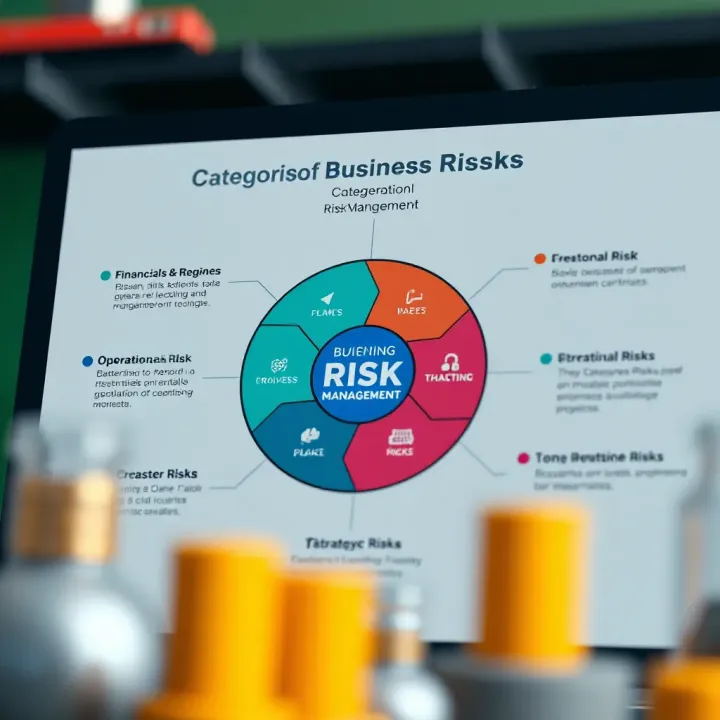
Understanding Risk Management in Nigerian Business
📊 Understand risk management in Nigerian businesses with clear steps, common risks, and practical PDF tools to secure assets and boost stability across sectors.
Edited By
Oliver Bramwell
Business risk management is about spotting and handling threats that can affect how a company meets its goals. For Nigerian enterprises, this is no small task. Economic swings, power outages, and shifting government policies constantly test business resilience here.
In Nigeria, risks come in many shapes. From currency fluctuations impacting import costs to sudden regulatory changes affecting operations, business owners face unique hurdles. For instance, a manufacturer relying on imported spare parts might suddenly find the naira weakens against the dollar, pushing up costs by 20% overnight. Without a solid risk plan, such surprises can lead to severe financial strain.

Effective risk management means more than just reaction; it involves anticipation and control. Identifying potential threats early gives businesses time to prepare or avoid pitfalls. Risk assessment tools, like scenario analysis or stress testing, help enterprises understand how different challenges could impact them. For Nigerian companies, this might mean modelling cashflow variations amidst power failure or assessing supply chain disruptions during ember months, when logistics tend to worsen.
Practical approaches include diversifying suppliers to mitigate single-source risks and investing in backup power systems to minimise downtime. Nigerian SMEs often find value in low-cost tech solutions — such as cloud accounting software or USSD-enabled payment channels — to keep operations smooth despite infrastructural shortcomings.
Successful business risk management in Nigeria isn't about eliminating risk but reducing its impact on bottom lines and ensuring continuity.
This article will lay out the main types of risks Nigerian enterprises face, methods to evaluate them, and actionable strategies to soften their blow. We will also look at how technology and compliance can strengthen risk control. Traders, investors, and consultants working with Nigerian businesses will find insights backed by local realities and robust examples to inform smarter decisions.
Navigating Nigeria's business risks requires both vigilance and practical tools. Understanding these details is the first step for any enterprise aiming to survive and thrive in a challenging environment.
Understanding business risks in Nigeria is vital for any enterprise aiming to survive and grow amid the country’s unpredictable economic and socio-political environment. Nigerian businesses face risks that can disrupt operations, drain resources, and damage reputations. Grasping these risks offers a practical advantage by informing better planning and faster response to challenges.
Nigeria’s infrastructure gap remains a headache for many businesses. Frequent power outages from unstable electricity supply force companies to rely on costly generators, pushing operational costs up. For example, a manufacturing firm in Lagos might spend up to 40% of its production budget on fuel for generators, squeezing profit margins. Transportation bottlenecks, like traffic congestion and poor road conditions, delay deliveries and supply chain functioning, causing downtime and customer dissatisfaction.
The naira’s constant fluctuation against major currencies creates uncertainty for importers and exporters. Businesses struggle with pricing goods and managing foreign debt repayments when the exchange rate shifts unexpectedly. Inflation, often hitting double digits, erodes purchasing power and raises operating costs. For instance, a retailer sourcing products from abroad may face higher costs within weeks, forcing sudden price adjustments that confuse customers.
Nigeria’s business regulations can change without much notice, posing challenges to companies navigating tax policies, licensing, and sector-specific rules. In 2023, SMEs felt the impact when new tax guidelines altered VAT remittance procedures. Non-compliance risks fines or business closure, making it essential for enterprises to stay updated and agile in response to such changes.
Nigerian markets are highly competitive, especially with the rapid rise of fintech and e-commerce platforms. Consumer preferences shift quickly due to social media influence and economic realities. A local clothing retailer, for example, may suddenly lose market share to cheaper, imported tokunbo items or online alternatives. Ignoring these changes risks revenue loss and stale brand perception.
Pollution, protests, and sporadic violence affect business operations and employee safety. In regions prone to unrest, businesses might face disruptions or additional security costs. For agricultural businesses in the North, sporadic clashes can cut off supply chains or labour availability, shaking their foundations.
Effective risk management helps keep businesses running despite challenges. By anticipating power failures with backup systems or planning for currency shocks through pricing strategies, companies protect their revenue streams. Without such measures, unexpected events can halt operations and threaten survival.
Assets—from physical property to intellectual capital—require safeguarding. For instance, poor cybersecurity exposes businesses to data theft, affecting reputation and customer trust. Proactive risk controls prevent losses and maintain credibility in the eyes of customers and partners.
Knowing where risks lie allows business leaders to make smarter choices. Whether to expand, diversify or hold back depends on understanding market volatility and regulatory climates. For example, a company considering export might decide to hedge currency risks before committing resources.
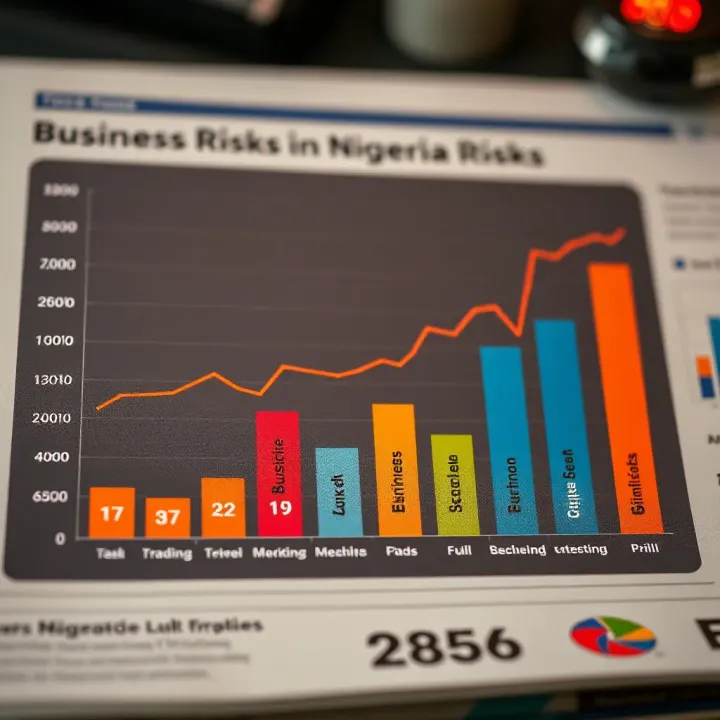
Investors want assurance that risks are managed well. Clear risk mitigation builds trust, attracting funding and partnerships. Nigerian firms with robust risk frameworks find it easier to draw support in a competitive investment landscape.
Businesses that understand their risks are better positioned to make decisive moves and sustain growth, even when faced with Nigeria’s unique challenges.
In summary, grasping the mosaic of risks confronting Nigerian enterprises—from power instability to socio-political unrest—empowers stakeholders to navigate safely and maintain profitability. The practical benefits of risk management in this context cannot be overstated.
Identifying and assessing risks is a vital step for any Nigerian business aiming to navigate its unpredictable environment effectively. By recognising potential threats early, businesses can prioritise resources and craft strategies that shield operations and investments. For instance, a manufacturing firm might spot supply chain disruptions due to fuel scarcity or a regulatory policy change affecting import duties. Early identification helps convert these uncertainties into manageable challenges rather than shocks.
A SWOT (Strengths, Weaknesses, Opportunities, Threats) analysis customised for Nigerian businesses must consider local realities—unsteady power supply, inflation, or security challenges. For example, a small apparel maker may identify power outages as a weakness, while increasing demand for local fashion during ember months could be an opportunity. Such tailored SWOT reviews ensure that internal and external risks are recognised and linked clearly to on-ground conditions.
Involve trusted stakeholders—suppliers, customers, industry insiders—and seek expert advice to capture diverse perspectives on risks. For example, a tech startup might consult fintech regulators or experienced entrepreneurs to understand compliance risks or funding hurdles. These consultations enrich the risk picture, revealing blind spots a business might miss when working in isolation.
Historical data offers clues to recurring threats or vulnerabilities. Reviewing incidents like theft, fraud, or contract breaches helps pinpoint where controls were weak. A logistics company, for example, may find that previous delivery delays were mostly due to unpredictable road closures or strikes, signalling the need for contingency plans or alternative routes.
Risk matrices plot each risk by its potential impact and likelihood, allowing Nigerian enterprises to focus on the most threatening issues. For example, a business might place currency fluctuations as high impact and high likelihood, putting it at the top of the risk register. This visual tool guides where focus and money should go to curb the largest threats efficiently.
Quantitative methods like statistical analysis or financial modelling provide concrete figures—for instance, estimating potential loss from inflation in ₦. In contrast, qualitative methods interpret subjective data such as employee sentiments on security risks. Combining both allows Nigerian businesses to balance hard data with local nuances, supporting decisions even when exact numbers are unavailable.
The Nigerian market is dynamic, with frequent policy shifts and economic fluctuations. Businesses must evaluate how such changes affect risk likelihood and impact. For example, a food processing firm must keep abreast of new import tariffs or FDA regulations that could disrupt supply or compliance. Constantly updating risk assessments in line with current events ensures decisions remain relevant and responsive.
Accurate risk identification and assessment form the foundation upon which sound business strategies rest. Ignoring this step invites unexpected setbacks, while diligent evaluation arms businesses for resilience across Nigeria’s diverse sectors.
In Nigeria, businesses face operational hiccups and financial pressures regularly, making practical risk control and mitigation strategies vital. These strategies help firms not only to cushion immediate shocks like power outages or currency swings but also to build long-term resilience. By putting specific measures in place, companies can avoid costly disruptions and maintain steady growth even amid uncertainties.
Backup power solutions and infrastructural adaptations are essential for Nigerian businesses, where erratic power supply remains a major challenge. Companies often invest in generators or solar power systems to ensure operations continue smoothly despite NEPA or DISCO instability. For example, a Lagos manufacturing firm could lose thousands of naira in lost production daily without proper backup power. Adapting infrastructure—such as setting up water harvesting or effective cooling systems—also helps reduce dependence on unreliable public utilities.
Supplier and supply chain diversification reduces risks linked to over-reliance on a single source. For Nigerian traders and manufacturers, disruptions in supply chains—whether due to border closures, fuel scarcity, or political unrest—can grind operations to a halt. By building relationships with multiple suppliers locally and abroad, businesses can navigate delays and price fluctuations better. For instance, a food processor might source raw materials from several states or even importers, limiting exposure to regional disruptions.
Staff training on compliance and safety safeguards not only employee well-being but also legal standing and operational stability. Regular training familiarises staff with regulations from agencies like the National Environmental Standards and Regulations Enforcement Agency (NESREA) or the Occupational Safety and Health unit. For example, a construction company that trains workers on site safety reduces accident risks, avoiding work stoppages and potential fines.
Currency hedging and managing exchange risks help businesses protect themselves against naira volatility, which can affect costs and pricing. Companies engaged in import-export or foreign borrowing often use forward contracts or derivatives via Nigerian banks like GTBank or Access Bank to lock in favourable rates. This approach gives predictability to cash flows, essential in a fluctuating FX market.
Insurance products relevant to Nigerian businesses provide financial cover from risks such as fire, theft, business interruption, and political unrest. Despite the relatively low insurance penetration locally, firms benefit from policies tailored to Nigeria’s specific challenges. For example, a retail chain can reduce losses from armed robbery or accidental damage by shopping around for the right insurance cover.
Cash flow management against inflationary pressures requires vigilant budgeting and forecasting, given Nigeria's inflation rates that erode purchasing power and operational margins. Businesses often tighten credit, negotiate extended supplier payments, or keep liquid reserves to navigate price hikes on fuel and raw materials. For example, a service firm may adjust monthly expenses in response to inflation trends to preserve profitability.
Developing clear policies and procedures guides employee behaviour and decision-making, strengthening risk response. A firm with documented policies on procurement, ethics, and crisis management can respond to unforeseen events more swiftly and effectively. For instance, a bank might have a detailed fraud prevention policy to reduce cyber risks.
Ensuring regulatory compliance and reporting is key to avoiding penalties and maintaining legitimacy. Nigerian enterprises face evolving regulations from bodies like the Corporate Affairs Commission (CAC) and Nigerian Customs Service. Active compliance through timely filings and audits reassures investors and keeps business operations smooth.
Stakeholder engagement and transparent communication build trust and collective ownership of risk management efforts. Businesses that keep investors, staff, and customers informed about challenges and mitigation plans tend to weather crises better. For example, a listed company on the Nigerian Exchange (NGX) that regularly shares risk updates is more likely to retain investor confidence during market swings.
Practical risk control isn’t just about reacting to threats; it means preparing, adapting, and staying ahead to secure your business’s future in Nigeria’s dynamic environment.
Modern Nigerian enterprises cannot overlook the role of technology in managing risks effectively. Using digital tools and data helps businesses spot potential threats early and make informed decisions quickly. This approach is especially helpful in Nigeria, where market conditions, regulatory landscapes, and infrastructure challenges change rapidly.
Risk management information systems tailored to SMEs are designed to be affordable and user-friendly, helping small and medium enterprises track risks without heavy IT investments. Such systems allow SMEs to log incidents, assess vulnerabilities, and monitor ongoing issues efficiently. For instance, a Lagos-based retailer might use these tools to flag supply chain interruptions caused by fuel scarcity or danfo strikes, enabling swift action.
Real-time data analytics for market and financial risks allow businesses to access up-to-the-minute insights on currency fluctuations, inflation trends, and competitor activities. A manufacturing firm can track naira exchange rate movements in real time and adjust pricing or procurement strategies accordingly. This responsiveness is key in an environment where naira liquidity and price stability are often volatile.
Use of fintech platforms like Paystack and Flutterwave for secure transactions enhances risk control by reducing cash handling and improving record-keeping. These platforms offer encryption and verification features that cut down fraudulent activities. For example, a food delivery startup can rely on Flutterwave's payment gateway to secure customer payments, reducing reconciliation errors and improving trust.
Common cyber threats facing Nigerian businesses include phishing scams, ransomware attacks, and business email compromise, which can cripple operations or lead to financial loss. Many Nigerian firms fall victim to cybercriminals exploiting weak passwords or outdated systems. Recognising these threats is essential for protecting sensitive data and maintaining customer confidence.
Implementing firewalls, antivirus, and staff awareness forms the frontline defence in preventing cyber intrusions. Simply installing software is not enough; Nigerian companies must invest in regular staff training on recognising suspicious emails and safe internet practices. For example, a bank in Abuja that runs monthly awareness sessions reduces the risk of social engineering attacks among employees.
Compliance with Nigeria Data Protection Regulation (NDPR) ensures businesses handle personal data responsibly, reducing legal and reputational risks. NDPR mandates clear consent, data security, and breach notification processes. Organisations failing to comply may face penalties or lose customer trust; hence, integrating NDPR requirements into risk management policies safeguards long-term business continuity.
Leveraging technology and data doesn’t only protect businesses but also positions them competitively by improving decision speed, accuracy, and transparency in Nigeria’s dynamic market.
With these tools and practices, Nigerian enterprises can navigate uncertainty and build resilience against both traditional and emerging risks.
Creating a sustainable risk management culture is vital for Nigerian businesses aiming to remain competitive and resilient amid frequent market shifts, infrastructural challenges, and regulatory updates. Embedding risk management deeply into the organisational mindset helps firms anticipate threats, respond effectively, and safeguard their assets and reputation over the long haul. This approach moves away from seeing risk as an occasional task and treats it as a constant, shared responsibility.
Regular workshops on risk awareness serve as a foundation for building risk-savvy employees. These sessions keep teams updated on emerging risks like rising inflation or cyber threats, while fostering a proactive attitude. For instance, a retail company in Lagos that conducts quarterly risk workshops equips its sales and operations staff to spot inventory disruptions early, cutting losses and avoiding stock-outs.
Encouraging accountability and reporting means creating a work environment where staff feel responsible for flagging risks without fear of blame. Nigerian enterprises often benefit from open channels for reporting issues—whether through direct supervisor feedback or anonymous hotlines. When employees at a financial services firm regularly report transaction anomalies, management can act swiftly to reduce fraud risk.
Embedding risk management in daily operations involves integrating risk considerations into routine decision-making and processes. Take a logistics company that factors road insecurity or bad weather into route planning every day. This habitual risk assessment prevents surprises, lowers operation costs, and builds resilience against disruptions.
Periodic risk audits and assessments help businesses stay on top of evolving threats by systematically reviewing policies, controls, and exposures. A manufacturing firm that audits supplier reliability annually can identify vulnerabilities in its supply chain and plan alternatives before production halts.
Adapting to changes in the Nigerian business environment remains a constant challenge due to shifting policies, currency fluctuations, and social factors. Companies that regularly update their risk models to incorporate, for example, new CBN guidelines or rising fuel costs are better positioned to maintain profitability.
Learning from incidents and near misses means treating setbacks not just as failures but as opportunities to improve. When a tech startup in Abuja analyses why a data breach occurred—even if it was contained quickly—it can strengthen its cybersecurity measures and staff training, reducing future exposure.
Maintaining a culture where risk management is continuous, inclusive, and responsive is key for Nigerian enterprises to thrive despite economic and environmental uncertainties.
In summary, businesses that invest in continuous training, encourage open communication, and maintain dynamic review mechanisms create an environment where risks are managed proactively. Over time, this builds trust with investors and clients, and secures long-term success even in Nigeria’s challenging market conditions.
📊 Understand risk management in Nigerian businesses with clear steps, common risks, and practical PDF tools to secure assets and boost stability across sectors.
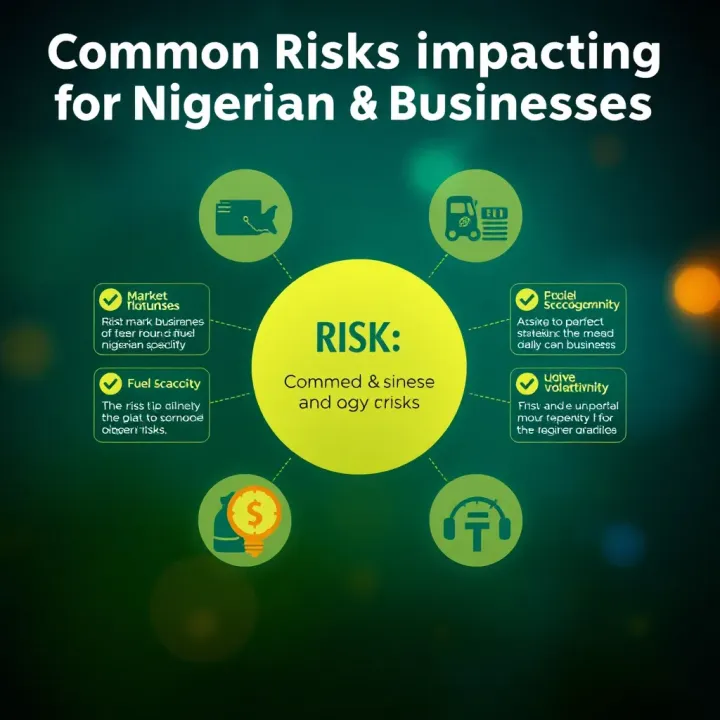
📊 Learn how Nigerian businesses can spot, assess, and manage risks like market shifts, fuel scarcity, or naira volatility to protect profits and stay ahead. ✅

Learn how Nigerian businesses can manage strategic risks 🇳🇬, tackle economic challenges, and plan for sustained success 📊 using practical, local-smart methods.

📊 Learn how Nigerian businesses can spot and handle financial risks smartly. Discover key methods, tech tools, and local regulatory rules to protect ₦ and grow strong.
Based on 13 reviews