
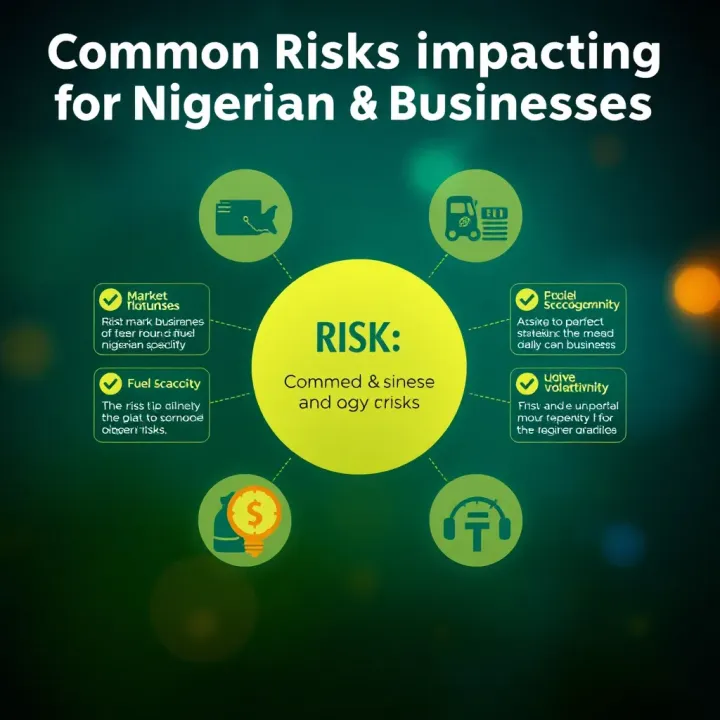
Risk Management Guide for Nigerian Businesses
📊 Learn how Nigerian businesses can spot, assess, and manage risks like market shifts, fuel scarcity, or naira volatility to protect profits and stay ahead. ✅
Edited By
James Callaghan
Navigating compliance and risk management in Nigerian businesses is no longer optional but essential. The regulatory landscape is continuously evolving, and failure to keep up can lead to costly fines, operational disruptions, or even licence revocation. For traders, investors, analysts, brokers, and consultants, understanding the practical side of compliance helps reduce vulnerabilities and boosts business resilience.
Compliance means following laws, rules, and industry standards—like meeting tax obligations to the Federal Inland Revenue Service (FIRS) or adhering to the Central Bank of Nigeria (CBN) guidelines for financial institutions. Risk management, on the other hand, involves identifying potential threats—whether from market volatility, supply chain interruptions, or fraud—and putting measures in place to mitigate their impact.

Nigerian businesses face unique challenges such as naira volatility, power supply issues, and regulatory delays, making pro-active compliance and thorough risk assessment vital for survival and growth.
Beyond avoiding penalties, proper compliance builds trust with customers, investors, and regulators. Consider how fintech startups like Paystack or Flutterwave thrived partly because they strictly followed CBN rules on payment processing and data protection. In contrast, companies caught off-guard by sudden policy shifts faced setbacks.
Conduct a Risk Audit: Itemise internal and external risks—from unreliable power supply to fluctuating import tariffs.
Develop Control Measures: Use backup generators or solar energy to tackle power issues. Negotiate long-term contracts to fix import costs.
Train Teams Regularly: Employees often overlook compliance protocols. Regular workshops reinforce their importance and update them on new policies.
Monitor and Review: Risk environments change. Set quarterly reviews to adjust strategies accordingly.
Leverage Tech: Use software like OPay’s risk detection tools or data analytics to spot fraud or unusual trends early.
By adopting these practical steps, Nigerian businesses position themselves to operate safely and grow steadily despite complexities. Understanding compliance and risk management isn’t just for legal teams—it is a strategic priority for all stakeholders engaged in the market.
Navigating compliance is essential for any Nigerian business aiming to avoid penalties and build trust with customers and regulators. Compliance means strictly following the rules set by local authorities, which vary across different sectors and levels of government. Getting this right not only keeps a company safe from fines or shutdowns but also improves credibility in a market where consumers are increasingly cautious.
Nigerian businesses must align with regulations from a mix of federal bodies and state authorities. For instance, the Federal Inland Revenue Service (FIRS) handles tax collection, while agencies like the Nigerian Communications Commission (NCC) regulate telecommunications. Businesses in oil and gas, agriculture, or financial services face sector-specific rules. Ignoring these can lead to hefty fines or loss of licence.
Besides federal regulations, some states impose their own laws. Lagos State's environmental laws affect waste disposal for manufacturers, whereas the Central Bank of Nigeria (CBN) sets monetary rules for banks and fintech firms. Compliance is not a one-size-fits-all matter; understanding which regulations apply to your sector and location is fundamental.
Legal requirements are the baseline laws a business must obey, such as corporate governance under the Companies and Allied Matters Act (CAMA). Compliance often goes beyond just obeying laws; it involves adhering to industry standards, codes of conduct, and internal policies tailored for risk management. For example, a bank must not only follow CBN directives but also implement its own anti-money laundering measures to satisfy compliance.
Simply put, a company might meet legal requirements but still fall short on compliance if it ignores best practices or regulatory codes that aren’t strictly law but carry penalties or reputational risk if flouted. Nigerian businesses benefit from treating compliance as an ongoing practice, not a one-time legal box to tick.
Tax compliance is a major area for Nigerian firms. The FIRS oversees company income tax, value-added tax (VAT), and other taxes. Many businesses falter in remitting VAT timely or under-report incomes to dodge tax, which triggers frequent audits and penalties.
A practical example is how SMEs selling via platforms like Jumia Nigeria or Konga must correctly calculate and remit VAT to avoid FIRS sanctions. Automated accounting tools can support proper tax filings, reducing risks of mistakes.
Nigerian labour laws set standards around working hours, minimum wages, and employee rights. The Labour Act and the National Minimum Wage Act guide these rules. Compliance ensures employers meet these standards, avoiding disputes or strikes.
For example, factories in Aba or garment producers in Kano must observe statutory leave entitlements and provide safe working environments, as breaches can attract fines or shutdown orders from the National Labour Commission. Employing local labour law experts helps businesses navigate this terrain smoothly.

With growing digital adoption, Nigerian businesses must follow the Nigeria Data Protection Regulation (NDPR) enacted by NITDA. This requires companies to secure customer data, inform users about data use, and report breaches.
E-commerce platforms and fintech companies especially face risks if they do not safeguard users’ personal data. Failure to comply with NDPR can lead to fines up to ₦10 million or 2% of annual gross revenues, plus reputational damage. Regular employee training on data privacy is a practical measure.
Different sectors require specific licences before operations. For instance, food and beverage outlets need NAFDAC approval, while transport operators on Lagos roads must secure permits from the Lagos State Transport Management Authority.
Businesses not holding proper licences risk fines, closure, or legal suits. Taking the example of a mama put who now wants to expand to packaged goods, securing NAFDAC registration is critical to access formal retail markets and avoid being shut down.
Compliance is more than a legal obligation; it forms the backbone of sustainable business in Nigeria’s complex regulatory environment.
Being proactive in understanding and implementing these compliance aspects equips Nigerian businesses to operate smoothly, reduce risk, and build stronger, more trusted brands.
Risk management stands at the core of sustainable Nigerian business operations. It helps enterprises identify, evaluate, and prepare for potential issues that could disrupt daily activities or erode profits. Given the dynamic Nigerian business climate — influenced by infrastructure gaps, regulatory changes, and economic fluctuations — mastering risk fundamentals allows businesses to avoid costly surprises and build lasting resilience.
Operational risks related to power and infrastructure challenges fall heavily on many Nigerian companies. Frequent power outages force businesses to rely on generators, increasing operational costs significantly, especially for SMEs in Lagos or Kano with limited capital. For example, manufacturing firms often face downtime due to unstable electricity, leading to missed deadlines and wasted raw materials. Additionally, poor road networks delay the delivery of goods, affecting supply chains and customer satisfaction. These operational disruptions mean businesses must incorporate contingencies and develop real-time monitoring to reduce losses.
Financial risks including foreign exchange volatility also hit Nigerian businesses hard. Since many rely on imported raw materials or export their goods, fluctuations in the naira’s value can wildly affect profit margins. For instance, a textile company paying for imported cotton in US dollars may suddenly see costs soar when the naira weakens. Without proper hedging or forex risk assessment, this can lead to budget overruns and cash flow problems. Awareness and planning are essential to remain financially stable amid these turbulent exchange rates.
Regulatory risks and potential penalties arise from the complex legal environment in Nigeria. Changes in tax laws by the Federal Inland Revenue Service (FIRS) or new industry-specific compliance rules can catch businesses off guard. For example, a fintech company might face stiff fines if it fails to align with the Nigerian Data Protection Regulation (NDPR). Understanding current regulations and preparing for updates through preventive compliance measures prevents costly sanctions and operational halt.
Reputational risks in the local market refer to how a company’s public image can influence its success. For Nigerian firms operating in communities tightly connected through social media and word of mouth, one misstep—like poor customer service or failing to meet social responsibilities—can spiral quickly. Take the case of a bank whose poor handling of customer complaints led to negative press and loss of trust. Protecting reputation requires consistent ethical behaviour and prompt crisis response.
Techniques for scanning internal and external environments involve regular reviews of business processes and market conditions. Nigerian enterprises can conduct SWOT (Strengths, Weaknesses, Opportunities, Threats) analysis to spot vulnerabilities internally, while also monitoring political developments or economic trends affecting their sector. For instance, a retailer might track fuel price changes which impact transportation costs nationwide. This scanning provides an early warning system to adjust strategies.
Engaging stakeholders for comprehensive risk mapping means including employees, suppliers, customers, and even regulators in identifying risks. For example, a large agribusiness might hold consultative sessions with farmers and transporters to understand logistical risks better. This collective approach ensures no blind spots remain and fosters a shared commitment to managing risks effectively. It also helps capture local realities that senior management might miss.
Risk management in Nigeria is not about eliminating risks entirely but mastering them to keep your business profitable and resilient. Firms that proactively identify and handle operational, financial, regulatory, and reputational challenges stand a better chance to thrive.
Ultimately, embedding robust risk assessment techniques and engaging diverse stakeholders sharpens a business’s ability to adapt quickly. In a market as unpredictable as Nigeria’s, such preparedness is not optional but essential.
Embedding compliance and risk management into everyday business operations is not just a tick-box exercise; it directly shapes how Nigerian businesses safeguard their assets and reputation. The right strategies prevent exposure to regulatory penalties and losses, especially where challenges like unstable power supply and fluctuating naira exchange rates add complexity. By developing solid internal controls and fostering an informed workforce, companies position themselves to meet legal demands and anticipate risks before they escalate.
Establishing a compliance framework aligned with Nigerian laws is the backbone of any effective risk management effort. Nigerian businesses must tailor their policies to meet requirements from bodies such as the Federal Inland Revenue Service (FIRS), Nigerian Communications Commission (NCC), and sector-specific regulators. For example, a manufacturing firm should integrate rules on environmental compliance from the National Environmental Standards and Regulations Enforcement Agency (NESREA) into its operations. Clear policies detailing employee responsibilities around tax filings, labour laws, and licensing reduce ambiguity and ensure the company stays on the right side of the law.
Equally important is the role of internal audits and monitoring to keep compliance efforts on track. Regular internal reviews identify gaps early and help prevent costly fines or reputational damage. A financial services company might implement monthly audits to verify adherence to anti-money laundering regulations, adjusting processes promptly if weaknesses appear. These audits also support continuous improvement, reinforcing controls that adapt as regulatory landscapes shift. Nigerian firms often find that this proactive oversight safeguards resources and boosts investor confidence.
Regular compliance training sessions equip staff with the knowledge and skills needed to apply policies correctly and act responsibly. In Nigeria, where regulatory frameworks can change swiftly, consistent training ensures employees understand updates like new tax relief measures or data privacy rules under the Nigeria Data Protection Regulation (NDPR). For instance, a bank conducting quarterly workshops can keep its teams alert to identifying suspicious transactions and reporting them appropriately, reducing operational risks.
Beyond formal training, creating a culture of compliance and risk awareness embeds these principles deeply into daily routines. This culture encourages everyone — from top management down to frontline workers — to flag potential risks and adopt ethical practices naturally. Organisations might achieve this by recognising and rewarding compliance champions or using real case studies to highlight what happens when rules are ignored. When risk management becomes part of the company’s DNA, the overall resilience against surprises strengthens significantly.
Embedding compliance isn’t a one-off project; it’s an ongoing commitment that shapes sustainable growth and trust in Nigerian business environments.
Technology has become a key ally for Nigerian businesses seeking to stay on the right side of the law and avoid costly risks. The ever-changing regulatory environment, combined with market challenges like currency volatility and power supply issues, makes digital tools essential. They help companies monitor compliance obligations continuously and respond quickly to emerging risks, improving accuracy and reducing manual errors.
Adopting software for tax compliance is now almost mandatory for Nigerian businesses because of the increasing complexity of tax rules. Solutions like TaxPro and QuickBooks are tailored to help companies handle VAT, withholding tax, and corporate income tax reporting efficiently. These platforms automatically update based on Federal Inland Revenue Service (FIRS) regulations, reducing the chance of penalties that may arise from late or inaccurate filing. For example, a medium-sized manufacturing firm in Lagos reduced its tax audit incidences by 40% within a year after integrating specialised tax software.
Risk management platforms suited for Nigerian businesses focus on addressing local issues such as operational disruptions from power outages and foreign exchange fluctuations. Platforms like Resolver and LogicManager offer modules to track risks, analyse their impact, and set mitigation controls. Besides, more fintech solutions, such as Cowrywise and Piggyvest, have added risk assessment features to help SMEs manage financial exposure. Businesses using these digital tools benefit from real-time dashboards that flag vulnerabilities ahead of time, improving decision-making and resource allocation.
Connectivity and infrastructure limits remain a significant challenge in many parts of Nigeria, affecting consistent access to cloud-based systems. Businesses in rural or peri-urban areas often face network interruptions, slowing down real-time monitoring and data synchronisation. However, some companies have adopted hybrid models combining local offline tools with cloud syncing during internet availability. This approach helps maintain continuous compliance checks despite infrastructure gaps.
Cost-benefit considerations of adopting compliance and risk tech are crucial, especially for small and medium-sized enterprises (SMEs). While initial setup and training can be expensive, the long-term savings from avoiding fines, business interruptions, and reputational damage justify the investment. For instance, a startup in Abuja calculated that spending about ₦500,000 on a compliance software suite prevented at least ₦2 million in delayed tax penalties within the first year. Therefore, businesses should evaluate software pricing, scalability, and local support when selecting digital tools.
Incorporating technology into compliance and risk management is not a luxury but a practical necessity for Nigerian businesses aiming to sustain growth and remain competitive in a challenging market.
By choosing the right digital platforms and preparing for infrastructure realities, Nigerian companies can strengthen their compliance posture and navigate risks more effectively.
Dealing with non-compliance and managing risk events promptly is vital for Nigerian businesses to avoid costly penalties and reputational damage. Ignoring lapses often leads to regulatory sanctions, especially given the evolving regulatory landscape enforced by bodies like the Federal Inland Revenue Service (FIRS), Nigerian Communications Commission (NCC), and sector-specific regulators. A swift, organised response minimises disruption and signals commitment to staying within the law.
Reporting to relevant authorities: Nigerian businesses must prioritise notifying the proper regulatory bodies when compliance failures happen. This action shows good faith and can soften potential penalties or sanctions. For example, if a company discovers discrepancies in tax filings, informing FIRS immediately demonstrates transparency and may provide leverage during investigations. Equally, reporting is crucial when personal data breaches occur, under Nigeria's Data Protection Regulation, requiring notification to the National Information Technology Development Agency (NITDA).
Prompt reporting ensures the company is not seen as attempting to cover up issues, which often worsens regulatory outcomes. Additionally, it allows agencies to guide companies on the next steps, preventing further violations or misunderstandings.
Corrective steps and remediation plans: Once a lapse is reported, businesses must quickly develop and implement corrective actions. This might involve recalculating taxes owed, updating employee contracts to meet labour laws, or restoring compromised data with tighter security measures. A clear remediation plan includes timelines, responsible personnel, and checks to ensure the issue doesn’t recur.
For instance, when an environmental compliance breach occurs, immediate clean-up and adjustments to waste disposal processes demonstrate responsibility. These actions often reduce fines and repair damaged trust with customers, investors, and regulators.
Learning from incidents: Every compliance failure or risk event should be treated as a learning opportunity. Nigerian businesses that conduct thorough post-incident reviews can identify root causes rather than just symptoms. For example, a repeated failure to meet licensing requirements for the oil sector could indicate poor communication between the compliance team and operations department. Documenting lessons learned helps avoid repeating errors.
Such reviews also foster a culture of continuous improvement, which strengthens compliance and risk management over time. It prepares the business to face future challenges more effectively.
Adjusting policies and controls accordingly: Based on incident reviews, companies should revise their policies and internal controls. For example, if a lapse stems from inadequate employee training on anti-corruption laws, the company can introduce more frequent and practical training sessions. Sometimes, controls around approval workflows or digital monitoring tools need strengthening to detect issues earlier.
Regular updates to policies ensure they stay aligned with changing Nigerian regulations, such as CBN's evolving foreign exchange rules or new employment standards from the Ministry of Labour. This dynamic approach helps businesses remain compliant and resilient despite a complex regulatory environment.
Taking prompt, transparent action not only protects the business from penalties but builds trust with stakeholders and prepares the company to handle risks better in the future.
Responding effectively to non-compliance and risk events is not just about fixing immediate problems but also about embedding resilience for sustainable Nigerian business operations.
📊 Learn how Nigerian businesses can spot, assess, and manage risks like market shifts, fuel scarcity, or naira volatility to protect profits and stay ahead. ✅

Learn how Nigerian businesses can manage strategic risks 🇳🇬, tackle economic challenges, and plan for sustained success 📊 using practical, local-smart methods.
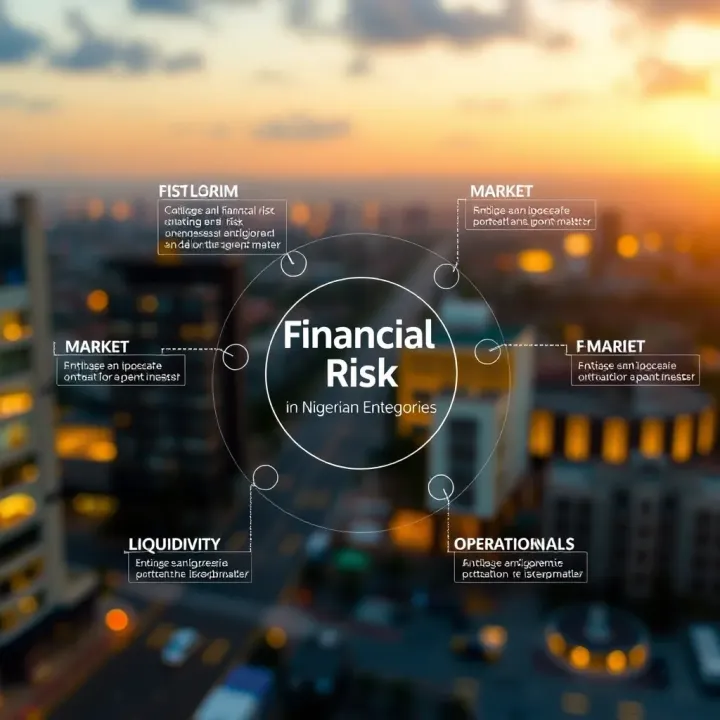
📊 Learn how Nigerian businesses can spot and handle financial risks smartly. Discover key methods, tech tools, and local regulatory rules to protect ₦ and grow strong.

Secure your Nigerian business against economic shifts and operational risks with practical strategies, smart tech use, and solid decision-making tools 📊💼
Based on 12 reviews